2010 Nobel Prize Winners: quick answer
The 2010 Nobel Prize winners were announced across six categories: Physics, Chemistry, Physiology or Medicine, Literature, Peace, and Economic Sciences. If you just want the names, here they are:
| Category | Laureate(s) | What they were recognized for |
|---|---|---|
| Physics | Andre Geim, Konstantin Novoselov | Groundbreaking experiments on graphene, a one-atom-thick form of carbon |
| Chemistry | Richard F. Heck, Ei-ichi Negishi, Akira Suzuki | Palladium-catalyzed cross-coupling in organic synthesis |
| Physiology or Medicine | Robert G. Edwards | Development of in vitro fertilization (IVF) |
| Literature | Mario Vargas Llosa | His cartography of structures of power and vivid images of individual resistance, revolt, and defeat |
| Peace | Liu Xiaobo | Long, nonviolent struggle for fundamental human rights in China |
| Economic Sciences | Peter A. Diamond, Dale T. Mortensen, Christopher A. Pissarides | Analysis of markets with search frictions |
2010 Nobel Prize winners by category
Physics
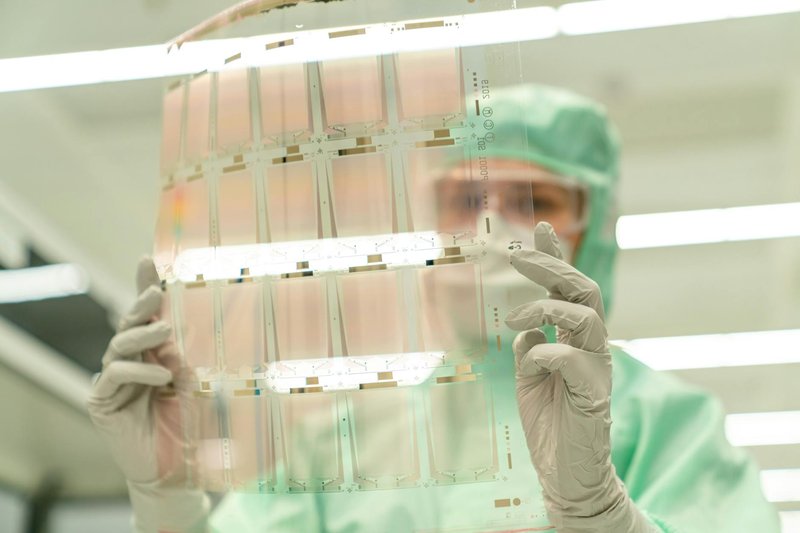
The 2010 Nobel Prize in Physics went to Andre Geim and Konstantin Novoselov of the University of Manchester for experiments that made graphene famous. Graphene is a single layer of carbon atoms arranged in a honeycomb lattice, and the prize recognized both the discovery of its remarkable properties and the experimental work that brought it into the spotlight.
Their work helped turn graphene from a lab curiosity into one of the most talked-about materials in modern physics. It’s light, strong, flexible, and conducts electricity extremely well. That combination is why people got excited about everything from faster electronics to better sensors.
For the official wording, see the Nobel Prize announcement for Physics 2010.
Chemistry
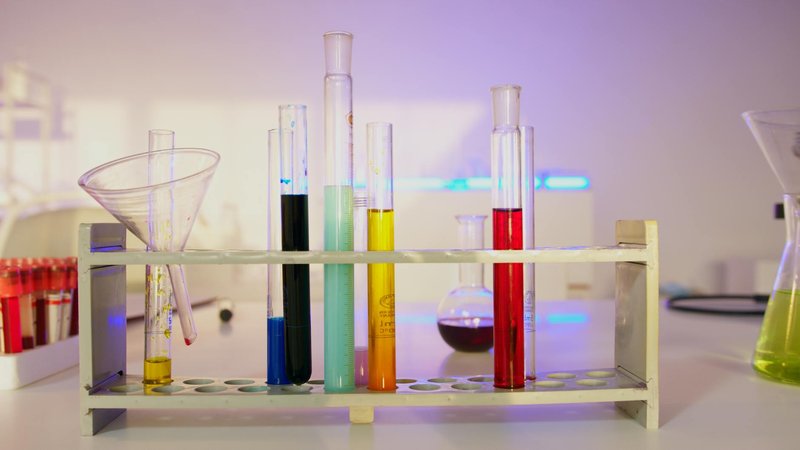
The 2010 Nobel Prize in Chemistry was awarded to Richard F. Heck, Ei-ichi Negishi, and Akira Suzuki for palladium-catalyzed cross-coupling reactions in organic chemistry. That sounds very chemical, because it is. The short version: they developed methods for building complex carbon-based molecules more efficiently.
These reactions became everyday tools in pharmaceutical research, materials science, and advanced synthesis. If chemistry is the business of making molecules behave, this prize honored some of the most useful traffic cops in the field.
The Nobel Committee’s summary is available at the 2010 Chemistry prize page.
Physiology or Medicine

The 2010 Nobel Prize in Physiology or Medicine went to Robert G. Edwards for the development of in vitro fertilization, better known as IVF. His work transformed reproductive medicine by making it possible for fertilization to happen outside the body before an embryo is transferred to the uterus.
That achievement changed family planning and fertility treatment for millions of people. It also came after years of controversy, because IVF raised ethical and medical questions long before it became a standard treatment.
You can read the prize summary on the official Medicine 2010 page.
Literature

The 2010 Nobel Prize in Literature was awarded to Mario Vargas Llosa. The Swedish Academy said the prize recognized his “cartography of structures of power” and his vivid depictions of individual resistance, rebellion, and defeat.
Vargas Llosa is one of the major Latin American novelists of the 20th and 21st centuries. His fiction often mixes politics, memory, and the messiness of real life without bothering to flatten any of it into neat moral lessons.
See the 2010 Literature prize summary for the official citation.
Peace

The 2010 Nobel Peace Prize went to Liu Xiaobo for his long, nonviolent struggle for fundamental human rights in China. The award drew global attention because Liu was a dissident and writer who had pushed for political reform and civil liberties.
This was one of the more politically charged Nobel decisions of the decade. Liu was unable to attend the ceremony because he was imprisoned in China at the time, which made the prize even more symbolically powerful.
The Nobel Committee’s explanation is on the 2010 Peace Prize page.
Economic Sciences

The 2010 Nobel Prize in Economic Sciences was awarded to Peter A. Diamond, Dale T. Mortensen, and Christopher A. Pissarides for their analysis of markets with search frictions. In plain English: they studied how buyers and sellers find each other when matching takes time, costs money, or isn’t automatic.
Their work is especially important for understanding unemployment, job matching, and why labor markets don’t behave like perfect textbook diagrams. Real markets are messy. This prize honored the people who built better tools for describing that mess.
The official summary is available on the 2010 Economic Sciences prize page.
Notable facts about the 2010 Nobel Prizes
- The Physics prize highlighted graphene, which later became one of the most studied materials in condensed matter research.
- The Chemistry prize recognized reactions that are now standard in synthetic organic chemistry.
- Robert G. Edwards was awarded the Medicine prize for IVF work that had already reshaped fertility care around the world.
- Liu Xiaobo was a rare Nobel Peace Prize laureate who could not attend the ceremony.
- The Economics prize focused on search and matching theory, a core idea in labor economics.
Final take
If you were looking for the 2010 Nobel Prize winners, the full list is straightforward: Geim and Novoselov in Physics, Heck/Negishi/Suzuki in Chemistry, Edwards in Medicine, Vargas Llosa in Literature, Liu Xiaobo in Peace, and Diamond/Mortensen/Pissarides in Economics.
The 2010 prizes were a strong mix of pure science, practical medicine, literary force, political courage, and economic theory that actually describes how the world works. Not a bad year.