Early plant classifiers noticed a simple but profound pattern: some flowering plants emerge from their seed with a single seed leaf, others with two. That basic observation split angiosperm botany into two broad groups centuries ago.
Those first, practical observations still matter. For farmers and gardeners they explain why cereal seedlings look nothing like young beans; for ecologists they help show why grasslands behave differently from forests; and for students they provide quick, reliable ways to identify plants in the field. Practical ID—seedlings, leaves, stems, flowers, and roots—often tells you as much about a plant’s strategy as a DNA lab does.
This guide walks through eight clear differences between monocots and dicots, grouped into morphology & structure, reproduction & development, and ecology & human uses.
Morphology and structure
These differences are the most visible to non-specialists and are great starting points for field identification. Seedlings, leaf veins, and stem cross-sections give immediate clues you can spot without a microscope. Monocots account for roughly 60,000 species, eudicot dicots about 200,000, and the total estimated angiosperm flora is near 300,000 species (see Royal Botanic Gardens, Kew and the APG IV classification).
1. Cotyledons: one seed leaf versus two
Monocots have a single cotyledon; dicots typically have two. That literal meaning—monocotyledon and dicotyledon—was the foundation of early classification and remains a fast field cue.
Why it matters: cotyledons feed and sometimes photosynthesize during the first days of a seedling’s life, so the difference shows up quickly after germination in most common crops. A sprouting corn kernel shows one obvious seed leaf, while a bean seedling unfurls a pair of cotyledons within days.
Practical example: compare a young corn (Zea mays) or onion (Allium cepa) seedling to a common bean (Phaseolus vulgaris) or oak seedling—the cotyledon count is visible without tools and helps gardeners and farmers confirm what they planted.
2. Leaf venation: parallel versus netted
Most monocot leaves show parallel venation; dicot leaves generally display reticulate (net-like) venation. That pattern links to typical leaf shape—grasses and lilies with long, strap-like blades versus maples and roses with broad, lobed leaves.
Functionally, venation affects water transport and mechanical support: narrow, parallel-veined leaves shed water and resist tearing differently than broad, net-veined leaves do. Gardeners use venation as a quick ID tool; agronomists interpret stress symptoms differently on cereal leaves than on broadleaf crops.
Concrete examples: wheat and rice show parallel veins, while maple and bean leaves show reticulate venation—easy to compare side by side.
3. Vascular bundles and stem anatomy
In cross-section, many monocot stems have vascular bundles scattered through the ground tissue, whereas dicot stems usually arrange bundles in a ring. That arrangement has major developmental consequences.
The ringed arrangement in dicots permits the formation of a vascular cambium, which produces secondary xylem (wood) and secondary phloem. Monocots normally lack this conventional cambium, so they rarely develop true wood in the same way.
Examples to look for: a corn stem cross-section shows scattered bundles, while a young oak twig displays a ringed pattern that later produces growth rings. Note exceptions: palms are monocots but have specialized secondary thickening that yields a tree-like trunk.
Reproduction and development
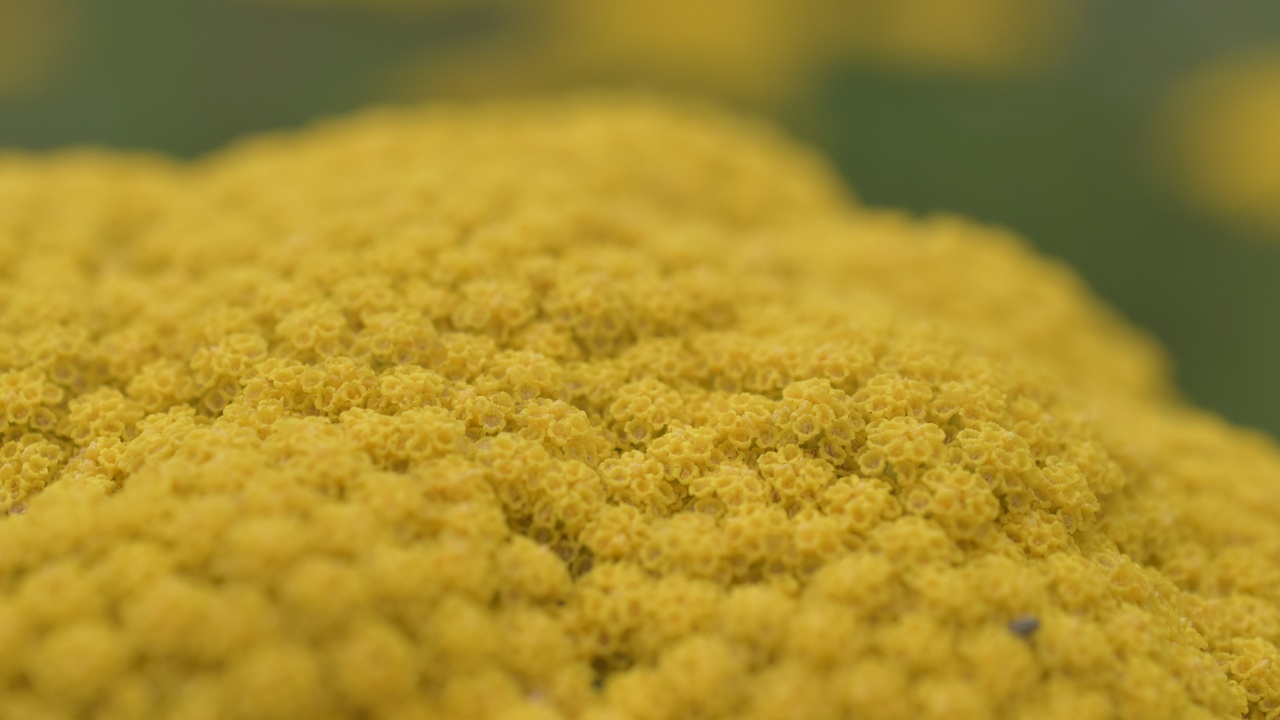
This category links floral form, pollen traits, and growth patterns to deep evolutionary splits. Flower part counts and pollen morphology are used in systematics and paleoecology, while differences in secondary growth shape long-term life history.
4. Flower parts: typical counts and symmetry
Monocot flowers commonly present parts in multiples of three; dicot flowers more often have parts in fours or fives. That numeric pattern shows up in petals, sepals, and sometimes stamens.
Practical ID tip: a lily or tulip with three-part symmetry is a likely monocot, while an apple blossom or pea flower with five petals points toward dicot lineage. Use this trait alongside leaves and stems—flower part counts alone have exceptions and modern classifications follow APG IV (2016).
5. Pollen structure: monosulcate versus tricolpate
Monocot pollen is typically monosulcate—one furrow or pore—while many dicots (particularly eudicots) have tricolpate pollen with three furrows. Palynologists rely on this distinction for modern systematics and for interpreting fossil pollen records.
Pollen studies have practical reach: microscope comparisons of grass pollen versus oak pollen help reconstruct past vegetation after glacial periods and aid forensic or archaeological research. Pollen morphology is a reliable diagnostic trait in many contexts.
6. Secondary growth and woodiness: why trees are usually dicots
Many dicots develop a vascular cambium that produces secondary xylem (wood), enabling thick trunks, long lifespans, and rings that record growth history. This explains why most large, long-lived trees are eudicot dicots.
Most monocots lack a conventional vascular cambium and so do not form wood in the same way; palms and a few arborescent monocots are exceptions that use specialized thickening. As a result, forestry and timber industries rely overwhelmingly on dicot genera—oak, maple, walnut—because those trees produce the secondary wood used for lumber.
Ecology, diversity, and practical implications
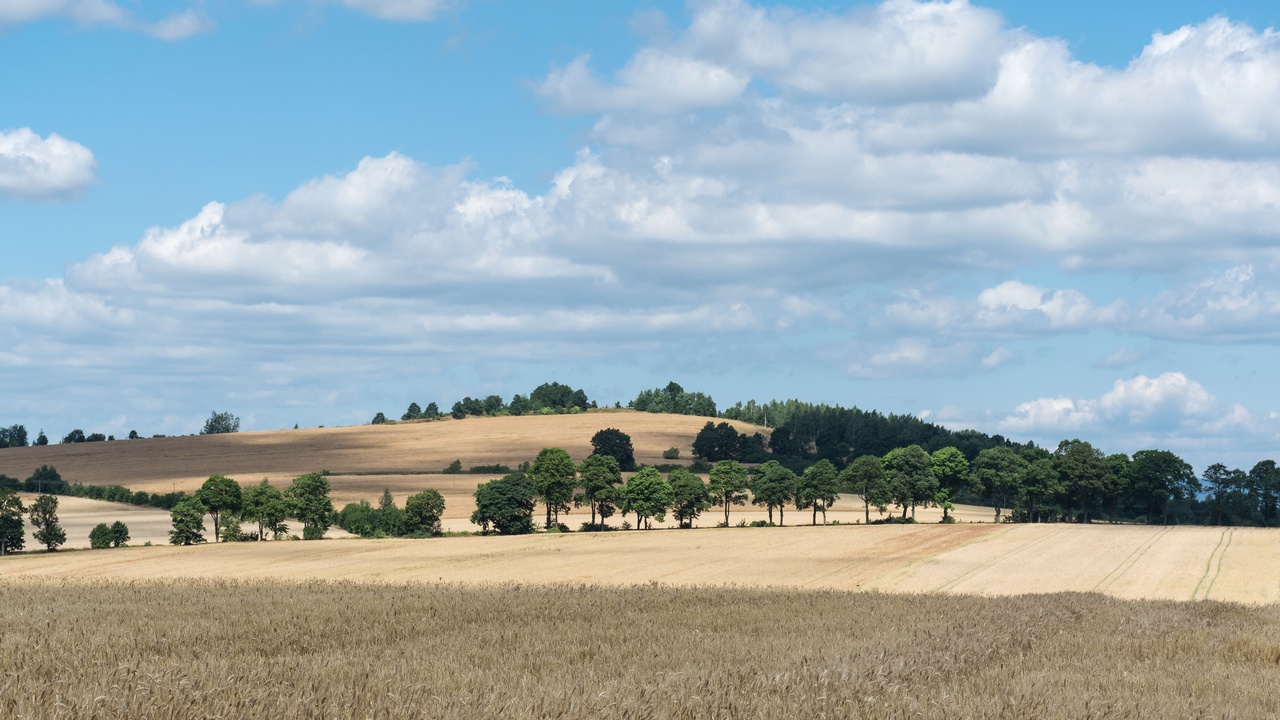
Morphology and reproductive traits map onto ecological roles and human uses. Monocots (notably grasses) dominate open habitats and staple cereals, while dicots dominate woody vegetation and many vegetable and fruit crops. These differences shape choices in farming, restoration, and gardening.
7. Root systems: fibrous versus taproot strategies
Monocots typically develop a fibrous root system made of many similarly sized roots, while many dicots form a dominant taproot. That basic contrast affects drought response, soil stabilization, and crop management.
Fibrous roots—common in grasses, wheat, rice, and maize—exploit surface nutrients rapidly and provide excellent erosion control for slopes and fields. Taproots—seen in many trees and root crops like carrot—reach deep water and store carbohydrates, aiding drought resilience and regrowth.
Practical advice: choose cover crops and erosion-control species with fibrous roots (grasses) for shallow soils, and favor deep-rooted dicots when you need subsoil access or long-term stabilization.
8. Economic importance: why monocots dominate cereals while dicots dominate many other crops
Monocots include the world’s primary cereals—rice, wheat, maize—which supply a very large share of global calories and form the backbone of food security. The grass family, Poaceae, is among the largest plant families with roughly 10,000–12,000 species and contains most staple grains.
Dicots supply many legumes, vegetables, fruits, and timber species. Protein sources like soybean and peanut, and fruit trees such as apple and citrus, are dicots and require different breeding, pest control, and post-harvest handling than cereal crops.
Real-world impacts: research programs are specialized—IRRI focuses on rice (a monocot), while soybean and tree-fruit breeding are dicot-centered—so knowing which group a crop belongs to informs rotation planning, pest management, and storage practices.
Summary
Clear, observable traits separate these two large branches of flowering plants, and those traits matter for identification, ecology, and agriculture.
- Cotyledon count is a quick seedling test: monocots one, dicots two—check a lawn grass and a bean sprout to see the difference.
- Leaf venation (parallel vs. reticulate) and stem bundle arrangement (scattered vs. ringed) reveal growth form and whether a plant can make wood.
- Flower part numbers and pollen structure (monosulcate vs. tricolpate) reflect deep evolutionary splits used by botanists and palynologists.
- Root architecture and ecological roles: fibrous-rooted monocots dominate grasslands and stabilize soil; taprooted dicots access deep water and store reserves.
- Economic weight is split: monocot cereals supply a large share of global calories, while dicots provide many legumes, fruits, and timber species.
Try these ID tips in your garden or classroom, and consult resources such as Royal Botanic Gardens, Kew or the APG IV (2016) classification for deeper study of angiosperm diversity and the finer points behind these broad categories.