From coastal fisheries to mountain farms, the materials and energy sources people depend on are increasingly chosen for how quickly they renew. Local climate, available land or water, and nearby markets shape which options make sense for a community.
There are 20 Examples of Renewable Resources, ranging from Algae and seaweed to Wool. For each item you’ll find below the information organized in columns: Type,Typical output (common unit),Primary locations — a compact way to compare what each resource produces, where it thrives, and how it’s classified, so you can scan the list and spot candidates for your needs.
How do I pick the right renewable resource for my region?
Look at climate and landscape first, then match those to the resource Type and Primary locations in the list; compare Typical output (common unit) to your demand and existing infrastructure, and consider seasonality and labor needs before trialing a small-scale project.
What trade-offs should I expect between output and environmental impact?
Different renewables vary: some give high yields but need lots of water or land, others are low-impact but lower-output. Use the Typical output and Primary locations data to weigh productivity against resource use, and favor local options to cut transport and support resilience.
Examples of Renewable Resources
| Resource | Type | Typical output (common unit) | Primary locations |
|---|---|---|---|
| Solar energy | Energy | 1,500,000 kWh/yr per 1 MW array | Global; deserts, US Southwest, Australia, MENA, India |
| Wind energy | Energy | 2,600,000 kWh/yr per 1 MW turbine | Global; coastal plains, North Sea, US Midwest, China |
| Hydropower (river/dam) | Energy | 4,000,000 kWh/yr per 1 MW capacity | China, Brazil, Canada, Norway, US |
| Geothermal energy | Energy | 7,800,000 kWh/yr per 1 MW plant | Iceland, Philippines, Indonesia, USA, New Zealand |
| Tidal energy | Energy | 3,000,000 kWh/yr per 1 MW installation | UK, South Korea, Canada, France |
| Wave energy | Energy | 2,000,000 kWh/yr per 1 MW device | Coasts of UK, Portugal, Australia, US Pacific Northwest |
| Biomass (sustainably managed wood) | Biological | 10 t/ha/yr harvested wood (sustainable yield) | North America, Europe, Russia, South America |
| Crop residues & agricultural biomass | Biological | 5 t/ha/yr (typical residue availability) | Global farming regions |
| Algae and seaweed | Biological | 20 t/ha/yr wet biomass (cultivated) | China, Korea, Indonesia, Japan, global coasts |
| Fisheries (sustainably managed) | Biological | 1,000 t/yr (typical commercial stock) | Peru, China, Norway, US, Southeast Asia |
| Freshwater (river and rainfall) | Water | 1,000,000 m3/yr (small river basin example) | Amazon, Congo, Mississippi, Ganges basins |
| Groundwater recharge | Water | 10,000 m3/yr per km2 (recharge example) | High Plains (USA), North China Plain, India |
| Rainwater (harvested) | Water | 1,000 m3/yr per household roof (moderate rainfall) | Widely usable; rural and urban worldwide |
| Natural rubber | Biological | 1.2 t/ha/yr dry rubber (typical yield) | Thailand, Indonesia, Malaysia, Vietnam |
| Cotton | Biological | 1.5 t/ha/yr lint cotton (typical yield) | USA, China, India, Pakistan, Brazil |
| Bamboo | Material | 12 t/ha/yr biomass (typical yield) | China, India, Southeast Asia, Africa, Latin America |
| Wool | Biological | 4 kg/sheep/yr fleece (average) | Australia, New Zealand, China, UK |
| Sea salt | Material | 10,000 t/yr per commercial saltworks (typical) | India, China, Australia, Mexico |
| Manure (livestock manure) | Biological | 900 t/yr per 100 cattle (approximate) | Global livestock regions |
| Energy crops (perennial grasses) | Biological | 10 t/ha/yr dry biomass (miscanthus/switchgrass) | US Midwest, Europe, China |
Images and Descriptions
Solar energy
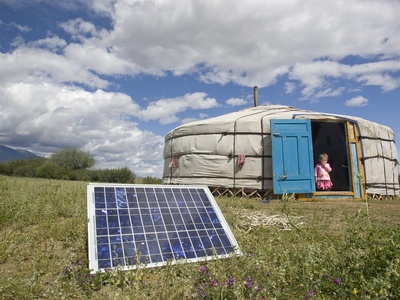
Energy from sunlight captured by panels or collectors for electricity and heat. High output in sunny regions and scalable from rooftops to farms. Benefits: low emissions and modularity. Limits: intermittent, needs storage or grid balancing.

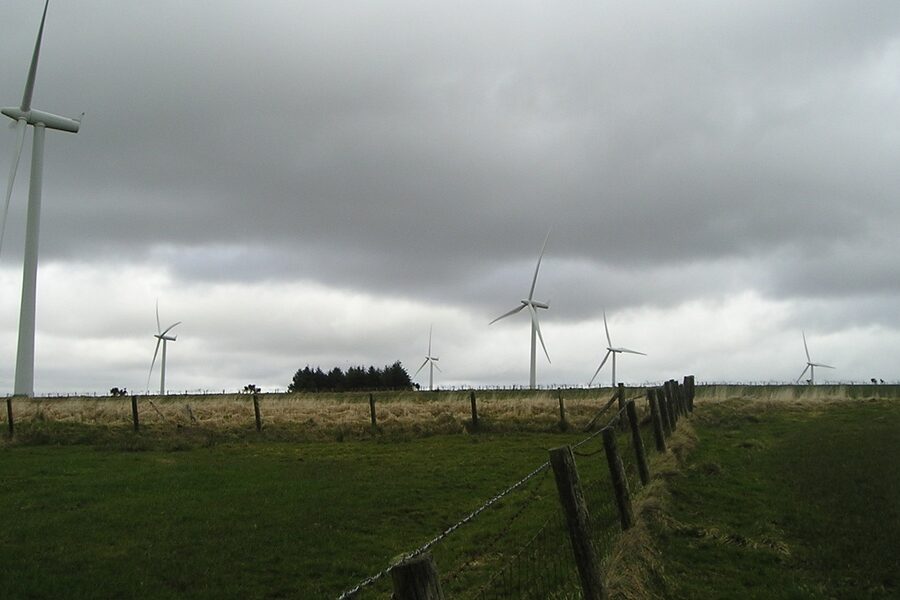
Wind energy
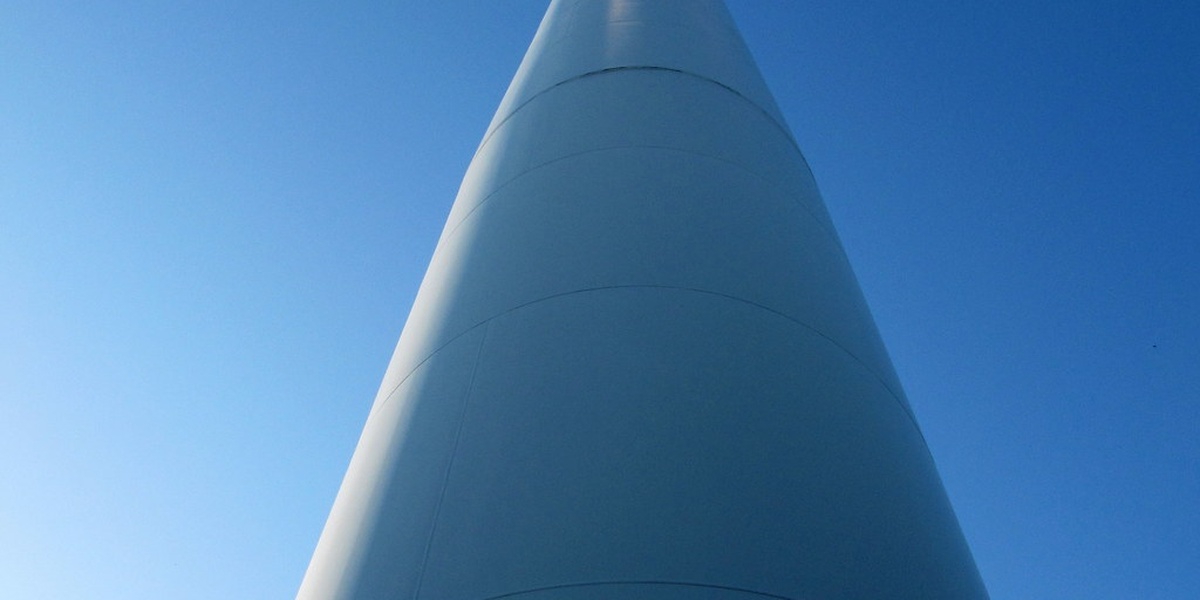
Kinetic energy from air captured by turbines to generate electricity onshore and offshore. Best in windy coastal and plain areas. Benefits: low carbon and fast deployment; limits: variability, visual and wildlife concerns, and siting conflicts.
Hydropower (river/dam)
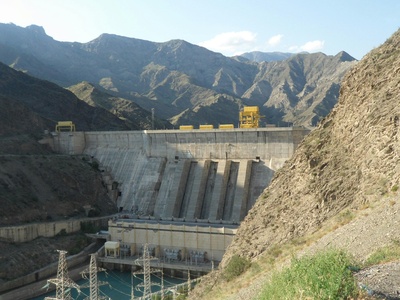
Energy from flowing or falling water using dams and turbines. Provides reliable, dispatchable power and storage capability. Limits: ecosystem impacts, displacement, sedimentation, and dependence on river flows.
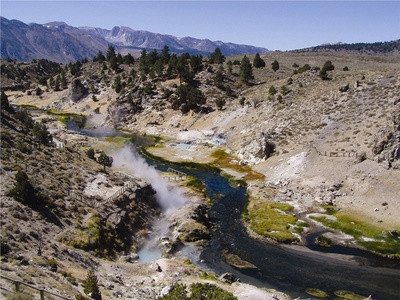
Geothermal energy
Heat from Earth’s interior used for electricity and direct heating. Offers steady baseload power with low emissions. Limits: site-specific geology, drilling costs, and potential local environmental effects.

Tidal energy
Energy from the rise and fall of tides captured by turbines or barrages. Highly predictable generation. Limits: few suitable sites, infrastructure costs, and marine habitat impacts.
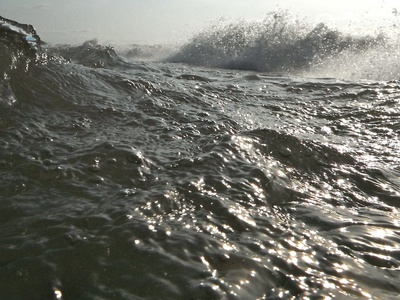
Wave energy
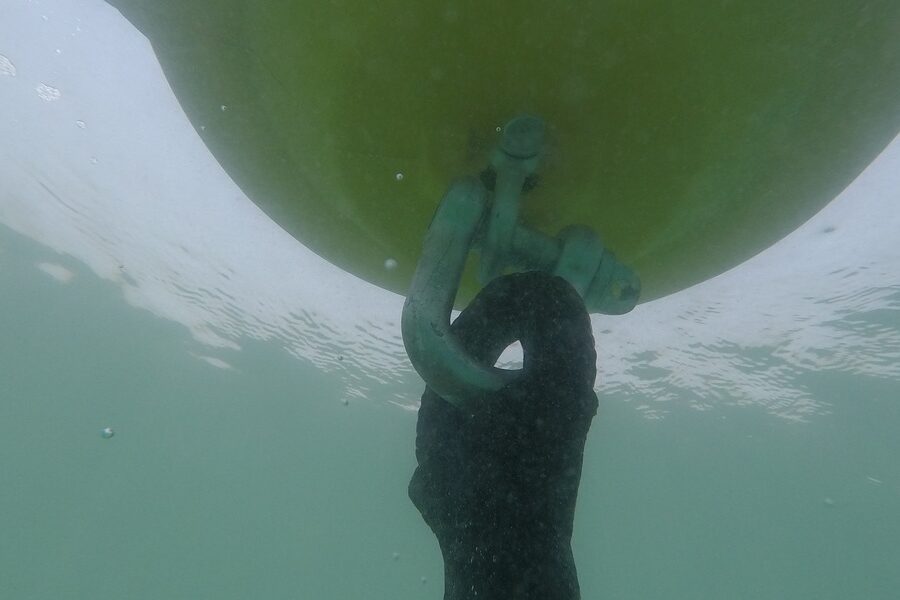
Energy from ocean surface waves converted to electricity with buoys or converters. Promising ocean resource; limits include immature technology and harsh marine conditions.

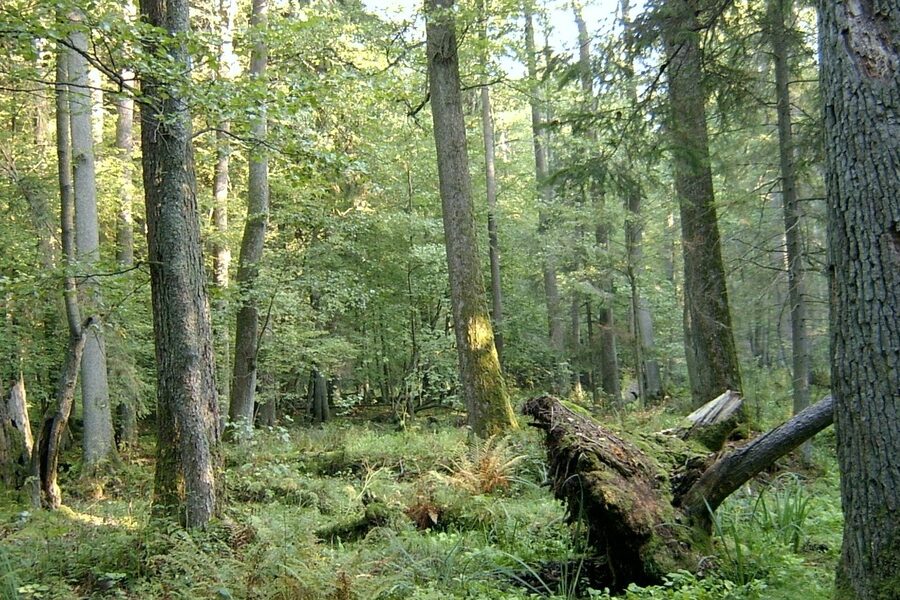
Biomass (sustainably managed wood)
Wood and woody residues harvested under sustainable forestry plans for fuel, building, and paper. Renewable if regrowth is maintained. Limits: overharvest, biodiversity loss, and land-use trade-offs.
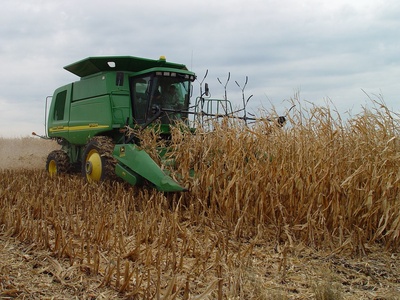
Crop residues & agricultural biomass
Stalks, husks, and residues used for energy, animal bedding, and soil amendments. Adds value and reduces waste. Limits: removing too much harms soil fertility and erosion control.
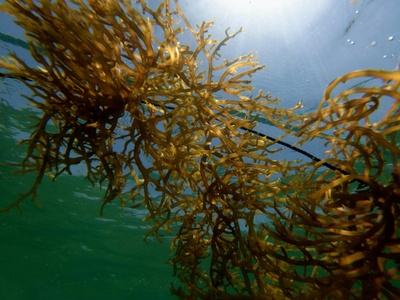
Algae and seaweed
Fast-growing marine plants cultivated for food, feed, biofuel, and materials. High yields and no freshwater needed. Limits: ecosystem impacts, nutrient needs, and processing challenges.
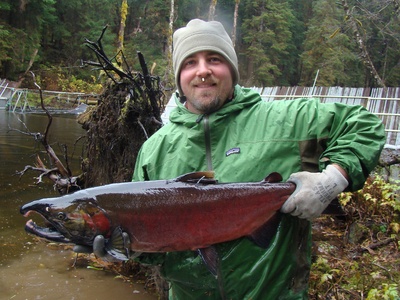
Fisheries (sustainably managed)
Wild fish and shellfish harvested from oceans, lakes, and rivers under management. Vital protein source and livelihoods. Limits: overfishing, stock collapse, and habitat degradation if unmanaged.
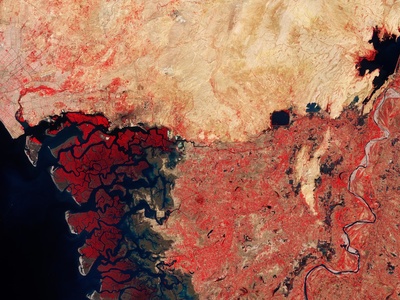
Freshwater (river and rainfall)
Renewable freshwater from rivers and precipitation for drinking, irrigation, and industry. Essential yet unevenly distributed. Limits: overuse, pollution, seasonal variability, and climate impacts.
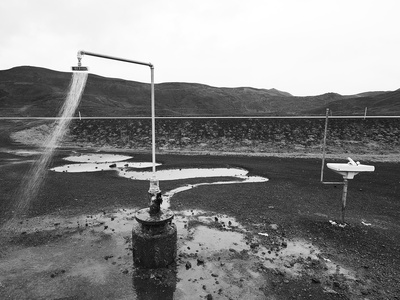
Groundwater recharge
Rainfall that infiltrates to refill aquifers and supply wells for drinking and irrigation. Acts as a buffer resource. Limits: slow recharge, over-extraction, and contamination risks.
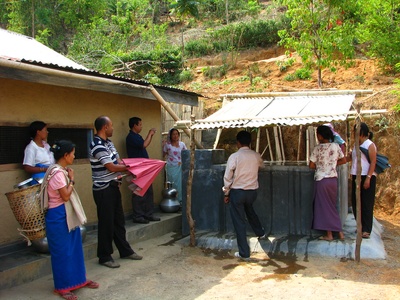
Rainwater (harvested)
Water collected from roofs for household use and irrigation. Reduces pressure on mains and aquifers. Limits: seasonal supply and need for treatment to ensure safety.

Natural rubber
Latex tapped from rubber trees for tires, gloves, and many products. Renewable natural polymer when plantations managed responsibly. Limits: land conversion pressures and market volatility for growers.

Cotton
Seasonal natural fiber grown for textiles. Biodegradable and renewable each year. Limits: high water use and pesticide needs unless sustainably managed.

Bamboo
Rapidly growing grass used as building material, furniture, and paper. Fast renewability and strong fibers. Limits: processing needs, transport emissions, and biodiversity concerns with monocultures.

Wool
Animal fiber shorn annually from sheep for clothing and insulation. Durable and biodegradable. Limits: land use intensity, methane emissions, and animal welfare considerations.
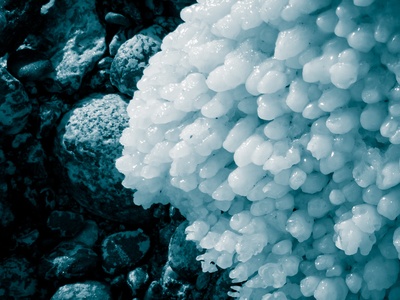
Sea salt
Salt produced by evaporating seawater in salt pans for food and industrial uses. Low-tech and renewable via the water cycle. Limits: land use, storm damage, and contamination risks.
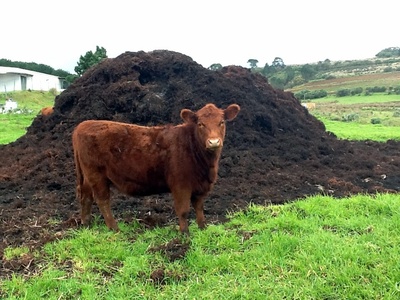
Manure (livestock manure)
Organic waste from animals used as fertilizer and biogas feedstock. Recycles nutrients and generates energy. Limits: storage challenges, odors, methane emissions, and pollution if mismanaged.

Energy crops (perennial grasses)
Perennial grasses grown for biomass energy and soil cover. High productivity and lower inputs than annuals. Limits: land competition with food, biodiversity, and sustainable management needs.