From kitchen counters to research benches, organic acids shape flavor, preservation and many biological processes. Noticing the tartness of fruit or choosing a buffer for a reaction are small ways those molecules affect daily life.
There are exactly 20 Examples of Organic Acids, ranging from Acetic to p-Toluenesulfonic, selected to show both common and specialty compounds. For each, the data are organized as Formula,pKa (25 °C),Natural source — you’ll find the full list below.
How should I use pKa values when comparing these acids?
pKa tells you how readily an acid donates a proton: lower pKa means stronger acid at 25 °C. Use pKa to predict dissociation in water, choose buffers (matching pKa to desired pH), and anticipate reactivity in synthesis or biological contexts.
Which of these acids are commonly found in food versus used only in labs?
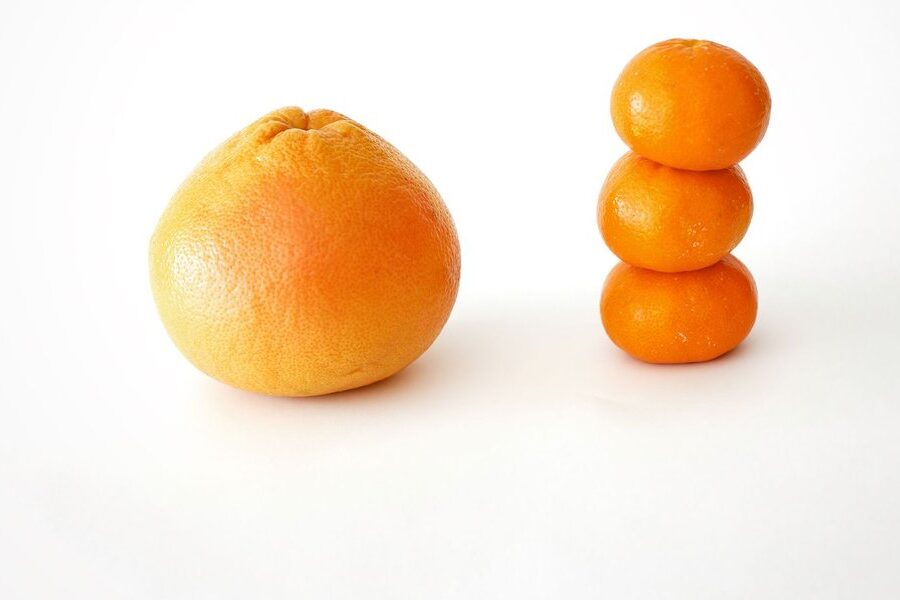
Many on the list are dietary: Acetic (vinegar), citric and malic acids (fruits), and benzoic derivatives (preservatives). Others like p-Toluenesulfonic are strong sulfonic acids used mainly in organic synthesis and should be handled with lab precautions.
Examples of Organic Acids
| Name | Formula | pKa (25 °C) | Natural source |
|---|---|---|---|
| Formic | HCOOH | 3.75 | Ant venom and stinging insects |
| Acetic | CH3COOH | 4.76 | Vinegar and fermented foods |
| Propionic | C3H6O2 | 4.87 | Fermented dairy and silage |
| Butyric | C4H8O2 | 4.82 | Butter and fermented foods |
| Citric | C6H8O7 | 3.13 | Citrus fruits and juices |
| Lactic | C3H6O3 | 3.86 | Muscle tissue and fermented foods |
| Malic | C4H6O5 | 3.40 | Apples and many fruits |
| Tartaric | C4H6O6 | 2.98 | Grapes and wine |
| Oxalic | C2H2O4 | 1.27 | Spinach and rhubarb |
| Benzoic | C7H6O2 | 4.20 | Berries and plants |
| Salicylic | C7H6O3 | 2.97 | Willow bark and plants |
| Acetylsalicylic | C9H8O4 | 3.50 | Derived from willow compounds |
| Ascorbic | C6H8O6 | 4.10 | Citrus fruits and vegetables |
| Succinic | C4H6O4 | 4.21 | Plant and microbial metabolism |
| Sorbic | C6H8O2 | 4.76 | Some plants and berries |
| Maleic | C4H4O4 | 1.92 | Industrial oxidation products |
| p-Toluenesulfonic | C7H8O3S | -2.80 | Industrial reagent and catalyst |
| Cinnamic | C9H8O2 | 4.44 | Cinnamon oil and plants |
| Acrylic | C3H4O2 | 4.25 | Industrial production |
| Uric | C5H4N4O3 | 5.40 | Human and animal metabolism |
Images and Descriptions

Formic
A simple one-carbon acid found in ant venom and stinging insects; used industrially in leather and textile processing and as a preservative. Notable for its pungent smell and ability to donate a proton easily, often studied in reaction mechanisms.
Acetic
Main component of vinegar, key in food flavoring and pickling; industrially vital for producing acetate esters and solvents. It’s a staple laboratory reagent and notable as the prototypical carboxylic acid for illustrating acidity and esterification.
Propionic
Produced by bacterial fermentation in cheeses and silage; used as a food preservative to limit mold growth and in manufacturing polymers. It has a slightly stronger acidity than acetic and often appears in studies of microbial metabolism.
Butyric
Responsible for the characteristic smell of rancid butter and produced during fermentation in guts; used in perfumes and flavorings at low levels. Known for its strong odor and role in gut health and microbial metabolism.
Citric
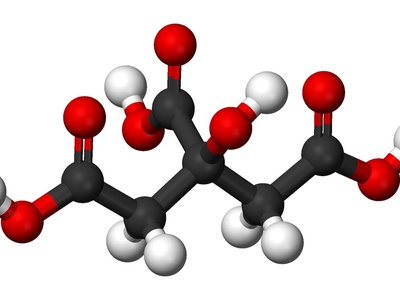
Abundant in citrus fruits, used widely in food and beverages as an acidulant and preservative; chelates metals and buffers solutions. Important in metabolic pathways like the citric acid cycle and popular in household cleaners.
Lactic
Made during anaerobic muscle metabolism and fermentation of yogurt and sauerkraut; used in food, cosmetics, and biodegradable plastics. Notable for its role in muscle fatigue and as a mild food acid that improves texture and flavor.
Malic
Common in apples and many fruits; used to add tartness in beverages and foods and in cosmetics. It’s notable for two acidic groups, contributing to fruit sourness and participating in metabolic pathways.
Tartaric
Found in grapes and central to winemaking, contributing to wine acidity and stability; used in baking powder and pharmaceuticals. Noted for its chirality and role in forming tartar or potassium hydrogen tartrate in fermentation.
Oxalic
High in spinach and rhubarb, can bind calcium to form kidney stones; used industrially for cleaning and bleaching. Very strong among simple dicarboxylic acids and notable for toxicity when consumed in large amounts.
Benzoic
Occurs in berries and as a microbial metabolite; used widely as a food preservative and starting material for dyes and pharmaceuticals. Notable for antimicrobial properties and as a simple aromatic carboxylic acid prototype.
Salicylic
Originally from willow bark and used in acne treatments and as a precursor to aspirin; it exfoliates and reduces inflammation. Notable medicinally and historically significant for early pain-relief chemistry.
Acetylsalicylic
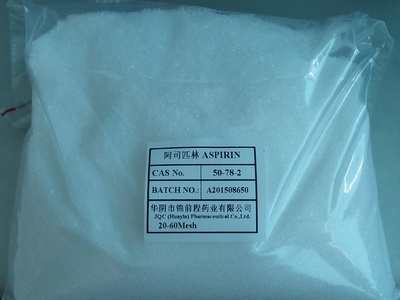
Aspirin, derived from salicylic acid, used widely as an analgesic and anti-inflammatory drug; important historically in pharmaceutical development. Notable for inhibiting cyclooxygenase enzymes and for its blood‑thinning effects at low doses.
Ascorbic
Vitamin C, abundant in citrus fruits and vegetables; essential nutrient and antioxidant used in food preservation and supplements. Notable for preventing scurvy and for participating in collagen synthesis and redox chemistry in biology.
Succinic
Produced in fermentation and cellular metabolism; used as a flavoring agent, precursor for polymers and solvents. Notable as an intermediate in the citric acid cycle and a platform chemical for sustainable production.
Sorbic
Found in some plants and used as a widely used food preservative to inhibit molds and yeasts. Notable for low toxicity and effectiveness at neutral pH, making it common in baked goods and dairy.
Maleic
Used industrially to make resins, coatings and copolymers; formed by oxidation of hydrocarbons. Notable for its cis-dicarboxylic structure which makes it more acidic than many related isomers and reactive in addition reactions.
p-Toluenesulfonic
A strong organic sulfonic acid used as an acid catalyst in organic synthesis and industrial processes. Notable because it combines mineral-acid strength with organic solubility, making it valuable in esterifications and polymer chemistry.
Cinnamic
Found in cinnamon oil and many plants; used in flavors and perfumes and as an intermediate in organic synthesis. Notable for its conjugated double bond that affects acidity and for fragrance applications.

Acrylic
A key monomer for acrylic plastics and coatings; used industrially to make polymers, adhesives and paints. Notable for its reactive double bond enabling polymerization and for being a moderately strong carboxylic acid used in synthesis.
Uric
A purine metabolism product found in blood and urine; high concentrations cause gout and kidney stones. Notable medically as an organic acid with limited solubility and as a diagnostic marker for metabolic disorders.