In 1973, Stanley Cohen and Herbert Boyer stitched together the first recombinant DNA molecules, a lab moment that quietly reset what was possible for medicine, food and industry. That experiment launched a string of practical advances — from one-dose genetic therapies to vaccine platforms that moved from viral sequence to authorization in about 11 months — and those advances matter to public health, food security and cleaner production.
Put simply: The benefits of genetic engineering are already measurable — lives saved by new vaccines and therapies, higher and more resilient harvests, and emerging bio-based products that cut reliance on fossil feedstocks. Below I group eight concrete benefits into medical; agricultural and environmental; and industrial and research categories, with examples and numbers you can check.
Medical benefits of genetic engineering
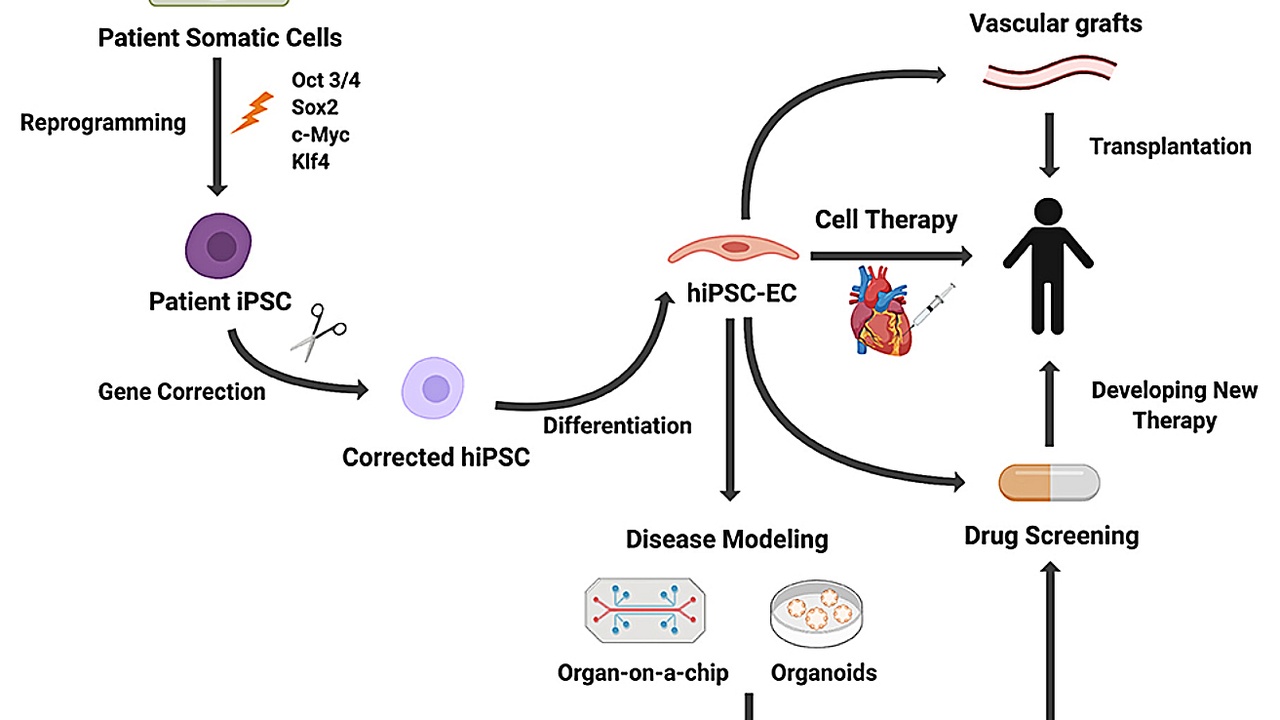
Genetic tools have changed how we treat disease, develop vaccines and find drug targets. Treatments that edit or replace genes now offer durable, sometimes one-time benefit, while engineered platforms speed vaccine design.
Across clinics and labs, those approaches are moving from experiments to approved products and late-stage trials.
1. Targeted gene therapies that cure or reduce genetic diseases
Gene therapy lets clinicians correct or replace faulty genes, producing disease-modifying benefits after a single administration in some cases. For example, Luxturna received FDA approval in 2017 for a form of inherited retinal dystrophy, and Zolgensma is approved for spinal muscular atrophy as a one‑time infusion that improves motor milestones.
Early programs have treated tens to hundreds of patients in rare‑disease cohorts, and CRISPR-based approaches have entered human trials: CTX001 (a CRISPR-edited therapy for sickle cell disease and beta‑thalassemia) has produced transfusion independence in multiple participants in phase 1/2 studies.
These therapies illustrate a shift from chronic management (regular dosing) to potentially curative interventions for inherited disorders, with measurable improvements in patient outcomes and quality of life.
2. Faster, more effective vaccines and biodefense
Genetic engineering methods sped vaccine design and production during the COVID‑19 pandemic: mRNA vaccines from Pfizer‑BioNTech and Moderna reached emergency authorization roughly 11 months after SARS‑CoV‑2 was sequenced, a timeline previously unheard of for novel pathogens.
Those platforms make it simpler to update immunogens for variants and enable work on personalized cancer vaccines that present patient‑specific neoantigens (companies such as BioNTech are running programs in this area). Faster design cycles also strengthen biodefense preparedness by compressing the gap between pathogen discovery and deployable countermeasures.
Beyond speed, genetic platforms improve immunogen engineering and manufacturing flexibility, which helps public health responses and supports seasonal vaccine innovation.
3. Improved disease models and drug discovery
Engineered cells and organisms create more predictive disease models, accelerating target discovery and reducing late‑stage failures. Induced pluripotent stem cells (iPSCs) let labs grow patient-derived neurons or cardiomyocytes to study disease biology in a dish.
CRISPR pooled screens enable thousands of gene perturbations in a single experiment (genome‑wide libraries commonly target on the order of 18,000 genes), which helps pharma teams and academic labs identify druggable nodes faster. Companies such as Novartis and Pfizer routinely use CRISPR screens to prioritize targets.
The result: shorter lead times to candidate molecules, better selection of targets, and ultimately fewer expensive clinical failures.
Agricultural and environmental benefits

Genetic engineering raises yields, cuts chemical inputs and creates tools for cleaning polluted sites. Crops can be tailored for drought, pests or enhanced nutrition, while microbes can be designed to break down contaminants.
Those interventions affect farmer incomes, ecosystem exposures and restoration projects on the ground.
4. Increased crop yields and improved food security
Genetic modification helps boost yields and stabilize harvests under stress, which supports food security in vulnerable regions. Since commercial introduction in the 1990s, biotech crops have been planted on over 190 million hectares in a single year during recent decades, reflecting broad adoption where regulations allow.
Projects testing drought‑tolerant maize in sub‑Saharan Africa show yield stability improvements during water stress, and biofortified crops such as Golden Rice aim to address vitamin A deficiency through nutrient enrichment.
For smallholder farmers, trait improvements can translate into fewer failed harvests and more consistent food supplies, especially as breeding programs combine genetic engineering with local agronomy practices.
5. Reduced pesticide use and lower environmental impact
Pest‑resistant engineered crops can cut insecticide applications, reducing chemical exposure for farmworkers and lowering runoff into waterways. Meta‑analyses have reported average reductions in pesticide use around 37% for insect‑resistant biotech crops, with associated yield benefits.
Examples include Bt cotton in India and Bt maize in North America, where adoption led to fewer sprays and measurable declines in operator exposure to toxic chemistries. Reduced spraying also diminishes non‑target impacts in some landscapes, though outcomes vary by region and management.
Those gains are not automatic; they depend on stewardship, resistance management and complementary practices, but the data show clear environmental benefits where technologies are deployed responsibly.
6. Bioremediation and conservation efforts
Engineered microbes and plants can accelerate pollutant breakdown and assist restoration. In lab and pilot studies, bacteria modified to metabolize components of crude oil have demonstrated multi‑fold increases in degradation rates compared with unmodified strains, and field pilots over 2–3 years have tested microbe‑assisted cleanup of contaminated soils.
Applications range from oil spill remediation to microbes that sequester or immobilize heavy metals, and research is underway into trees and algae engineered for enhanced carbon capture. Those approaches offer targeted tools for sites where traditional remediation is slow or costly.
Careful ecological assessment and regulatory oversight guide pilot deployments to ensure benefits outweigh risks.
Industrial, economic, and research benefits

Genetic engineering enables new manufacturing processes, sustainable materials and faster discovery pipelines. Engineered microbes turn renewable feedstocks into chemicals and ingredients that once required petroleum.
Those innovations are spawning companies, reshaping supply chains and offering potential emissions reductions in hard‑to‑decarbonize sectors.
7. Bio-based manufacturing and sustainable materials
Genetically engineered microbes and cell lines produce chemicals, fuels and materials from renewable sugars or waste streams, replacing petrochemical routes in some cases. Companies such as Ginkgo Bioworks and Amyris engineer strains at scale to make ingredients like bio‑sourced squalane for cosmetics.
Life‑cycle studies show that some bio‑based processes can cut carbon intensity substantially (commonly reported ranges of 30–60% depending on feedstock and process), and market momentum is growing for specialty ingredients and performance materials made biologically.
These bio‑manufacturing routes reduce dependence on finite fossil feedstocks and open pathways to novel materials such as synthetic spider silk and biodegradable polymers.
8. Accelerated research, innovation, and economic growth
Genetic tools shorten the cycle from discovery to product and have fueled a surge in startups, patents and publications since CRISPR became widely adopted after 2012. That momentum attracted substantial investment: venture funding into biotech hit about $30 billion in 2020, supporting new firms and regional job growth.
CRISPR and related platforms also lower technical barriers for academic labs, speeding hypothesis testing and enabling rapid prototyping of cell lines, assays and engineered organisms. The spillover creates diagnostics, therapeutics and industrial applications that reach markets quicker.
Together, those dynamics expand the economic base around bioscience hubs and increase the rate at which laboratory advances translate into practical products.
Summary
- Gene editing and gene therapy are delivering one‑time or durable clinical benefits (e.g., Luxturna in 2017; CRISPR trials like CTX001 showing transfusion independence), shifting some conditions from chronic care toward cures.
- Platform vaccines and engineered immunogens compressed response timelines (about 11 months from sequence to authorization for mRNA COVID‑19 vaccines) and enable personalized cancer approaches, improving public health resilience.
- In agriculture, engineered traits have supported higher, more stable yields and input reductions — biotech crops reached well over 190 million hectares of adoption in recent years, and insect‑resistant varieties have cut pesticide use on average by roughly 37% in meta‑analyses.
- Engineered organisms extend beyond food: microbes can accelerate cleanup projects, and bio‑manufacturing (companies such as Amyris and Ginkgo) is producing sustainable ingredients that often lower carbon intensity compared with petrochemical routes.
- Finally, genetic technologies drive research productivity and economic growth, backed by major VC flows (~$30B in 2020), leading to faster innovation cycles and more startups bringing laboratory advances to market.
The benefits of genetic engineering warrant informed public engagement and continued investment in responsible research, regulation and stewardship so these practical gains reach people and places that need them most.