In clinics, kitchens, and emergency kits alike, antiseptics are the first line of defense against infection and contamination. Knowing how different agents work—and where to use them—keeps procedures safe and outcomes predictable.
There are 20 Examples of Antiseptics, ranging from Acetic acid to Triclosan. For each entry you’ll find below the Class, Typical conc (%), and Common use so you can quickly compare activity, safety, and application for skin, wounds, mucous membranes, or surfaces—you’ll find the full list and details below.
How do I choose the right antiseptic for a particular situation?
Pick based on the target (skin, wound, mucosa, or surface), efficacy against the likely microbes, tissue compatibility, and required contact time; consult the Class and Typical conc (%) columns below and follow product labels or clinical guidelines for use on sensitive tissues.
What safety or concentration issues should I watch for?
Watch for tissue irritation, allergic reactions, and toxicity at high concentrations; some agents (e.g., triclosan) have environmental or resistance concerns, so use recommended Typical conc (%) and avoid off-label dilution or prolonged exposure without guidance.
Examples of Antiseptics
| Name | Class | Typical conc (%) | Common use |
|---|---|---|---|
| Ethanol | Alcohol | 60–80% | Hand rubs, skin antisepsis before injections |
| Isopropyl alcohol | Alcohol | 70% | Skin antiseptic, hand rubs, wipes |
| Chlorhexidine gluconate | Biguanide antiseptic | 2% (0.5–4% in products) | Surgical skin prep, wound cleansing, handwash |
| Povidone-iodine | Iodophor | 7.5–10% solution | Surgical prep, wound antisepsis, mucosal use |
| Tincture of iodine | Elemental iodine in alcohol | 2% | Skin antisepsis, minor wound cleaning |
| Hydrogen peroxide | Oxidizing agent | 3% | Wound cleaning, minor cuts, mouth rinse (diluted) |
| Benzalkonium chloride | Quaternary ammonium | 0.05–0.2% | Hand sanitizers, wound wipes, antiseptic creams |
| Chloroxylenol (PCMX) | Phenolic antiseptic | 0.5–4.8% | Antiseptic liquid, handwash, wound cleanser |
| Octenidine dihydrochloride | Bispyridine antiseptic | 0.1% | Skin antisepsis, wound care (Europe) |
| Triclosan | Chloro-phenoxy phenol | 0.3% (historical) | Antibacterial soaps, toothpaste (historical) |
| Benzoyl peroxide | Peroxide compound | 2.5–10% | Topical acne antiseptic and keratolytic |
| Silver nitrate | Inorganic silver salt | 1% (common) | Cauterizing small bleeds, neonatal eye prophylaxis historically |
| Silver sulfadiazine | Topical silver antimicrobial | 1% cream | Burn wound antimicrobial dressing |
| Cetrimide | Quaternary ammonium | 0.5–3% | Wound cleansers, antiseptic washes |
| Hexachlorophene | Bisphenol antiseptic | 2–3% (medicated wash) | Surgical scrubs, newborn baths historically |
| Acetic acid | Weak acid antiseptic | 1–5% (2% common) | Otitis externa, wound irrigation for Pseudomonas |
| Dakin’s solution (sodium hypochlorite) | Chlorine antiseptic | 0.025–0.5% NaOCl | Wound irrigation, chronic wound cleansing |
| Polyhexamethylene biguanide (PHMB) | Biguanide polymer | 0.02–0.04% | Wound dressings, antiseptic solutions |
| Sulfur (topical sulfur) | Keratolytic and antimicrobial | 5–10% | Acne, seborrheic dermatitis, scabies adjunct |
| Merbromin (Mercurochrome) | Organomercury dye antiseptic | 0.2% | Minor cuts historically, topical antiseptic (limited use) |
Images and Descriptions
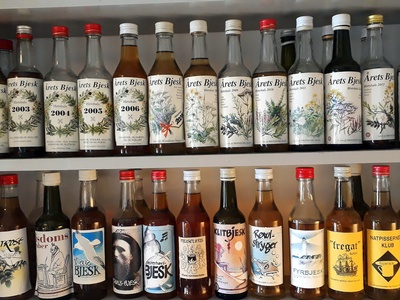
Ethanol
Fast-acting alcohol antiseptic used in hand rubs and pre-injection skin prep. Effective against bacteria and many viruses, flammable and drying; not for deep wounds or ingestion. Common in healthcare and consumer hand sanitizers.
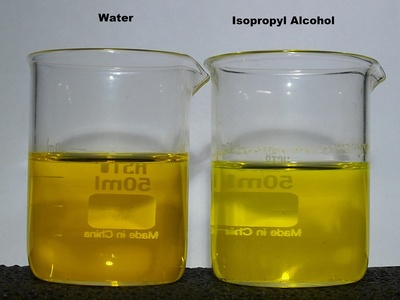
Isopropyl alcohol
Widely used skin antiseptic and wipe ingredient with rapid bactericidal activity. Common for cleaning skin before injections and small procedures. Flammable, can sting, and dries skin; avoid prolonged use on large open wounds or mucous membranes.

Chlorhexidine gluconate
Persistent antiseptic used for surgical site preparation, handwashing, and wound care. Broad-spectrum and residual action on skin. Can irritate eyes/ears and rarely cause allergic reactions; avoid mucosal use in some situations.
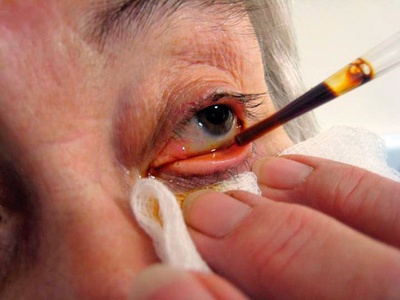
Povidone-iodine
Iodine complex that releases free iodine for broad antimicrobial activity. Common for pre-op skin prep and wound cleansing. Stains skin, may irritate, and use cautiously in thyroid disease, pregnancy, or iodine allergy.
Tincture of iodine
Alcohol-based iodine solution offering rapid broad microbicidal action. Often used for small cuts and skin prep. Causes stinging and stains; avoid large-area use or prolonged application in people with iodine sensitivity.
Hydrogen peroxide
Bubbling oxidizer used for initial cleaning of minor wounds and as diluted mouth rinse. Has limited residual activity and may delay tissue healing if overused. Rinse and avoid deep or puncture wounds.
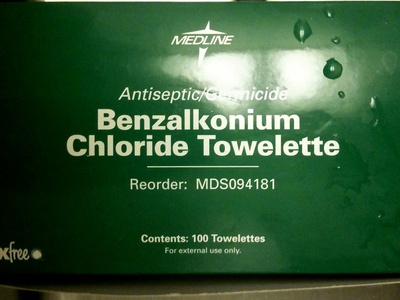
Benzalkonium chloride
Non-alcohol antiseptic used in hand wipes and topical products. Gentle, non-flammable alternative but less active against some viruses; can cause contact dermatitis or rare allergic reactions in sensitive people.
Chloroxylenol (PCMX)
Phenolic compound in household antiseptics and medicated soaps. Broad antibacterial activity; commonly used in skin washes. May irritate eyes and damaged skin; allergic dermatitis possible in some users.
Octenidine dihydrochloride
Modern antiseptic used for skin and wound cleansing, particularly in Europe. Broad-spectrum with low systemic absorption and persistent action. Not widely available everywhere; may sting on open wounds.

Triclosan
Once-common antibacterial in soaps and some oral products. Effective against bacteria but concerns about resistance and safety led to many use restrictions. Can cause skin irritation in susceptible individuals; many products phased out.
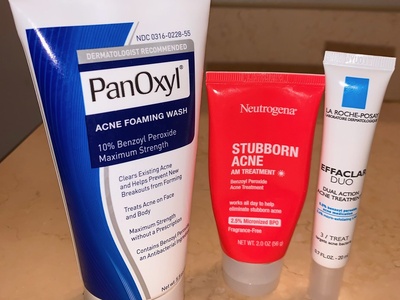
Benzoyl peroxide
Oxidizing topical used for acne that reduces bacteria and exfoliates skin. Common OTC strengths 2.5–10%. Can cause dryness, irritation, and bleaching of fabrics; avoid use on large open wounds.
Silver nitrate
Silver salt used as a cauterant and local antiseptic. Applied as sticks or dilute solutions for small bleeding points or eschar formation. Painful, stains tissue black, and must be used carefully to avoid chemical burns.
Silver sulfadiazine
Broad-spectrum topical agent commonly used on burns to prevent infection. Combines silver with a sulfonamide; effective on many bacteria. Avoid in sulfa-allergic patients and in neonates or large-area use without specialist guidance.
Cetrimide
Detergent antiseptic often used in wound-cleansing solutions and topical mixtures. Disrupts cell membranes; may be combined with other agents. Can irritate mucous membranes and damaged skin if used undiluted.
Hexachlorophene
Potent antiseptic previously used in surgical scrubs and newborn bathing. Effective against staphylococci but absorbed by infant skin with neurotoxicity risk; now restricted and used under specific guidance.
Acetic acid
Vinegar-derived antiseptic effective against Pseudomonas and some bacteria. Used in diluted solutions for ear infections and specific wound care. Causes stinging and requires proper dilution and clinical supervision for open wounds.
Dakin’s solution (sodium hypochlorite)
Medically prepared dilute sodium hypochlorite solution used for wound irrigation and infected wound care. Antimicrobial but can irritate tissue; do not substitute household bleach—use clinically formulated concentrations under guidance.
Polyhexamethylene biguanide (PHMB)
Polymeric antiseptic used in wound-care products and contact lens solutions. Broad-spectrum and generally well tolerated on skin; avoid eye exposure. Favored in some chronic wound management protocols.
Sulfur (topical sulfur)
Old-fashioned dermatologic antiseptic used for acne, dandruff, and scabies adjunct therapy. Mild antimicrobial and keratolytic action; may have unpleasant odor and can dry or irritate sensitive skin.
Merbromin (Mercurochrome)
Red antiseptic dye formerly used for small cuts and abrasions. Contains mercury, stains skin, and has been discontinued or restricted in many countries due to safety concerns; avoid in infants and pregnancy.