Oman’s rugged terrain and long coastal fringe conceal a varied mineral endowment that has supported local craft and industrial uses for centuries. From coastal sand deposits to mountainous veins, the country’s deposits tie into regional trade and modern extraction.
There are 13 Minerals in Oman, ranging from Agate / chalcedony (gemstones) to Silica sand / industrial quartz. For each entry you’ll find below the Location (governorate/mine), Commodity type, Reserves (t) so you can quickly compare where commodities occur and how much is recorded; use the table to spot regional patterns and potential supply sources—you’ll find below.
How can I quickly locate which governorate produces a specific mineral in the list?
Scan the Location (governorate/mine) column in the table to see where each commodity is reported, then cross-reference the Commodity type to filter for the mineral you want; for project or investment purposes, follow up with Oman’s geological survey or local mine operators for the most recent site-level details.
Are the “Reserves (t)” figures here suitable for planning a mining project?
Reserves in tonnes provide a useful snapshot for comparison, but they may be based on different reporting standards and dates; treat them as a starting point and commission up-to-date exploration and feasibility studies before making any operational or financial decisions.
Minerals in Oman
| Name | Location (governorate/mine) | Commodity type | Reserves (t) |
|---|---|---|---|
| Crude oil | Central and southern Oman (Fahud, Yibal, Marmul fields; Al Wusta/Al Dakhiliyah) | energy | |
| Natural gas | Central and southern Oman (Khazzan-Makarem and other gas fields; Al Wusta/Ad Dhahirah) | energy | |
| Chromite | Semail Ophiolite (Samail area; Al Dakhiliyah governorate and ophiolite outcrops) | metallic | |
| Copper | Ophiolite-hosted occurrences (Al Hajar Mountains, Al Dakhiliyah and Al Sharqiyah regions) | metallic | |
| Gypsum | Coastal and inland sedimentary basins (North Al Batinah, central regions, Dhofar) | industrial | |
| Limestone (cement grade) | Widespread sedimentary outcrops and quarries (Muscat, North Al Batinah, Dhofar) | construction | |
| Marble / dimension stone | Al Hajar Mountains and southern quarries (various districts) | construction | |
| Salt (halite/sea salt) | Coastal evaporation pans and sabkhas (Salalah, Sohar and other coastal governorates) | industrial | |
| Silica sand / industrial quartz | Coastal beaches and inland deposits (multiple governorates) | industrial | |
| Sand and gravel (construction aggregate) | Nationwide alluvial and quarry sites (Muscat, North Al Batinah, Dhofar and others) | construction | |
| Agate / chalcedony (gemstones) | Weathered ophiolite zones and wadis (Dhofar, Al Hajar foothills) | gemstone | |
| Bentonite and other clays | Sedimentary basins and localised deposits (Dhofar and central areas) | industrial | |
| Elemental sulfur | Associated with oil and gas processing and refineries (central production areas) | industrial |
Images and Descriptions
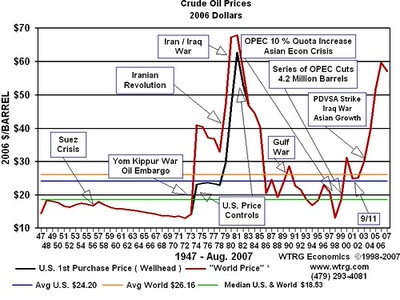
Crude oil
Major hydrocarbon resource produced from onshore fields. Crude oil drives export revenue, fuels domestic industry, and supplies feedstock for refining and petrochemicals. Historic backbone of Oman’s economy with continuing importance for government income and energy security.
Natural gas
Large onshore gas reservoirs supply power generation, LPG, and industrial feedstock. Major developments such as the Khazzan tight-gas project expanded production; gas supports domestic industry, electricity, and growing petrochemical activity.

Chromite
Chromite (chrome ore) occurs in layered chromitite bodies within the Semail ophiolite. It is used in stainless steel and ferrochrome production. Oman’s chromite occurrences are among the best-documented metallic resources in the country.
Copper
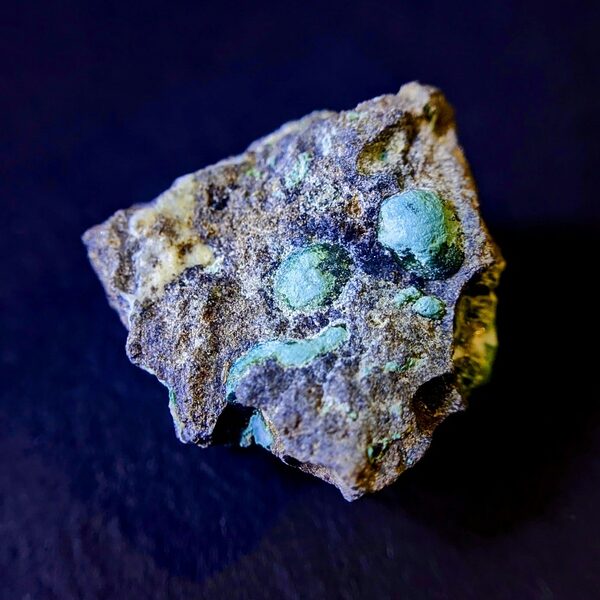
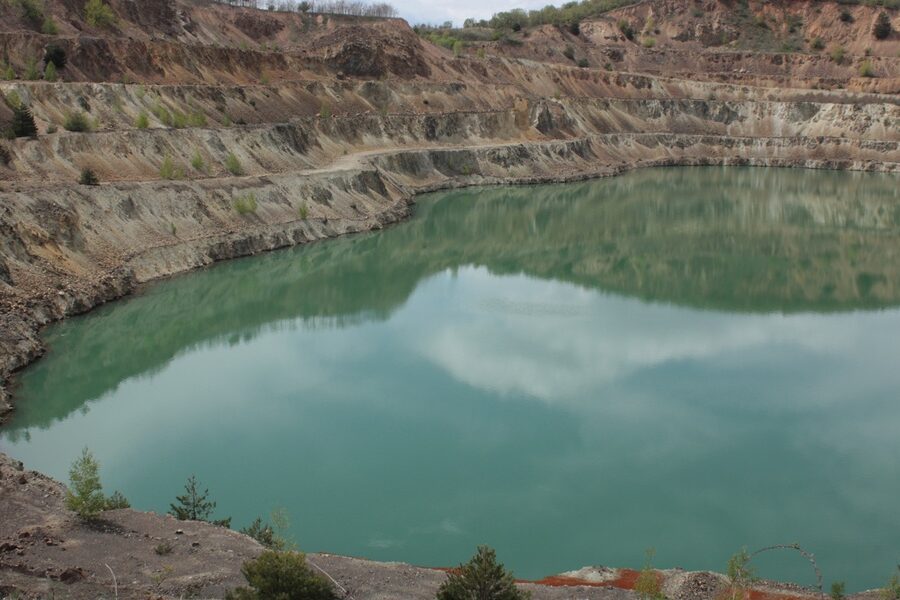
Copper mineralization is hosted in ophiolitic rocks and associated vein systems in the Al Hajar range. Copper has been a focus of exploration and small-scale mining, valued for electrical, construction, and industrial applications.

Gypsum
Gypsum deposits occur in sabkha and sedimentary settings and are quarried for cement, plaster, and construction materials. Gypsum supports the domestic building-materials industry and local construction demand across Oman.
Limestone (cement grade)
Extensive limestone and dolomite formations are quarried as cement raw material and aggregate. These deposits underpin Oman’s cement industry and supply essential materials for infrastructure, housing, and road construction.
Marble / dimension stone
Decorative limestones and marbles are extracted as dimension stone for architectural and ornamental use. Omani decorative stone is used locally and exported for flooring, facades, and interior applications, supporting a small specialty sector.
Salt (halite/sea salt)
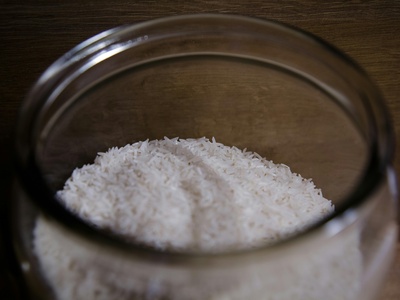
Sea-salt and coastal sabkha halite are produced by evaporation and mining. Salt is used for industrial processes, chemical manufacture, and domestic consumption; coastal production is an established local activity.
Silica sand / industrial quartz
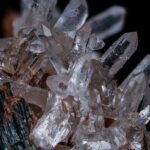
High-purity silica sands occur in coastal and inland deposits and are used for glassmaking, foundry sand, and industrial applications. Silica sands support local manufacturing and construction requirements.
Sand and gravel (construction aggregate)
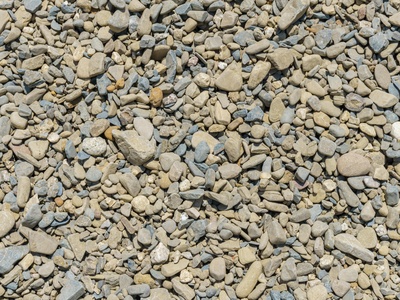
Widespread sand and gravel deposits provide aggregate for concrete, road-building, and infrastructure projects. These unconsolidated materials are essential to Oman’s urban expansion and public works construction.
Agate / chalcedony (gemstones)
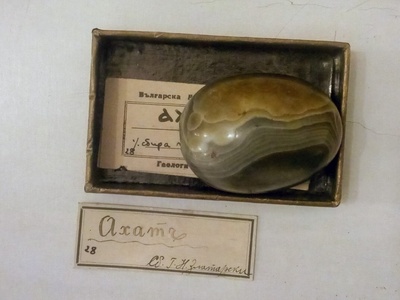
Agate and chalcedony nodules form in cavities within weathered volcanic and ophiolitic rocks. Collected for lapidary and jewelry use, Omani agates are valued locally and among collectors for ornamental crafting.
Bentonite and other clays
Bentonite, kaolinite, and other industrial clays occur in sedimentary basins and weathered zones. They are used for drilling muds, foundry clays, ceramics, and absorbents, supporting oilfield services and various manufacturing applications.
Elemental sulfur
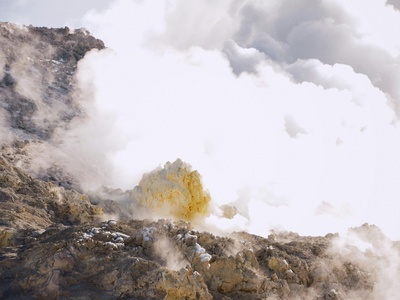
Elemental sulfur is recovered from natural gas and crude-processing facilities. It is an important feedstock for fertilizer and chemical industries, and production is linked to hydrocarbon processing infrastructure and exports.