Nearly 1.28 billion adults worldwide have hypertension, yet many common beliefs about blood pressure are inaccurate and can lead to poor care. Myths can cause missed diagnoses, inappropriate self-management, and stopping or refusing needed medicines. They also make people trust single clinic readings or short-term feelings over objective data. This confusion matters because uncontrolled blood pressure raises the risk of stroke, heart attack, and kidney damage. This article debunks seven common myths about blood pressure, explains the evidence, and gives clear, practical guidance so readers can make better decisions about measurement, treatment, and lifestyle. We’ll group the myths into logical categories: diagnosis and measurement, causes and risk, and treatment and management. (WHO 2019, AHA 2017)
Diagnosis and Measurement Myths
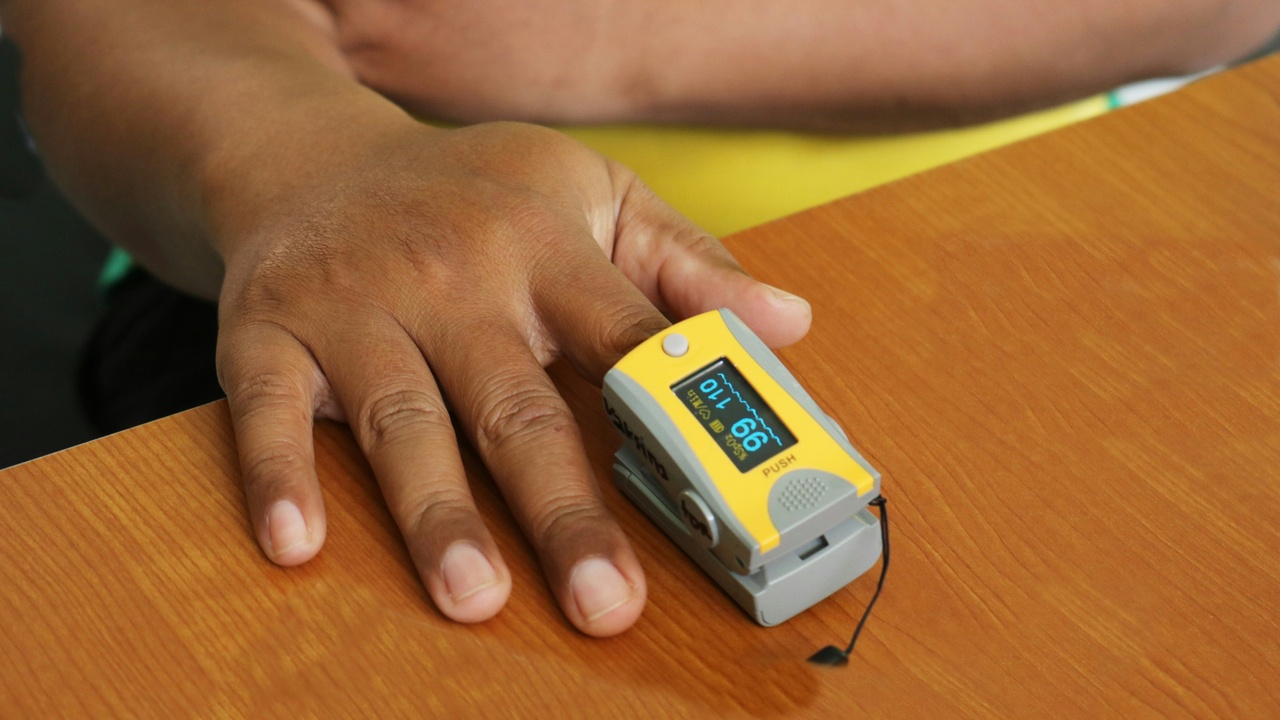
Accurate measurement is the foundation of diagnosing high blood pressure. Technique, device choice, and context strongly influence readings. Two common phenomena—white-coat hypertension and masked hypertension—show how clinic readings can mislead clinicians and patients. White-coat hypertension means higher readings in the clinic than at home; masked hypertension is the opposite, with normal clinic numbers but elevated daily pressure. Device selection matters too: validated upper-arm monitors give consistent results, while wrist or unvalidated models can mislead. Cuff size and arm position also change numbers. Ambulatory blood pressure monitoring (24-hour) and structured home monitoring are often recommended to clarify unclear cases. Getting measurements right prevents misdiagnosis and unnecessary medication, and it identifies people who need treatment but were missed by office checks. Below are three measurement myths that cause the most harm—and what to do instead.
1. Myth: A single high reading in clinic means you have hypertension
That single high clinic number does not equal a diagnosis. Guidelines from organizations like the American Heart Association and the European Society of Cardiology call for multiple readings across visits or out-of-office monitoring before labeling someone hypertensive. White-coat hypertension affects an estimated 15–30% of clinic readings and ambulatory monitoring often reclassifies patients. For example, a patient with a clinic reading of 150/95 mmHg might have an average daytime ambulatory BP of 125/78 mmHg, which changes the management plan. If clinic numbers are borderline or unexpectedly high, ask for repeated measurements, bring a home BP log, or request 24-hour ambulatory monitoring. Aim for at least two to three readings on separate days or an ambulatory study when the diagnosis is uncertain.
2. Myth: Home blood pressure monitors aren’t reliable—only clinic devices matter
Many home monitors are validated and quite accurate when used properly. Validated upper-arm devices from brands like Omron, Withings, and A&D have been tested by organizations such as the British and European hypertension societies. Wrist models tend to be more error-prone and are sensitive to arm position. To get reliable home readings, choose a validated upper-arm cuff, sit quietly for five minutes, support your arm at heart level, and take two readings one minute apart. Look for validation markings or check lists from validation bodies. Popular validated options include the Omron 10 Series and the Withings BPM Connect. Using a good home monitor plus a technique checklist bridges the gap between clinic snapshots and true daily pressure patterns, and it helps track response to lifestyle changes or medication.
3. Myth: Cuff size doesn’t affect readings
Cuff size matters a lot. A cuff that’s too small can overestimate systolic BP by about 10–15 mmHg, while an oversized cuff can underestimate readings. Measure mid-upper arm circumference and choose the correct cuff. Typical ranges: standard cuff fits ~22–32 cm, large fits ~32–42 cm, and extra-large covers larger arms. Many adults need large or extra-large cuffs and clinics should stock them. If you compare readings from different devices or locations, note the cuff size used. Using the wrong cuff can lead to misdiagnosis, unneeded medication, or missed treatment when pressure is actually high.
Causes and Risk Myths

People often oversimplify what raises blood pressure and who is at risk. Hypertension is usually multifactorial: age, genetics, excess weight, dietary sodium, kidney disease, and other conditions all play roles. Acute stress produces short-term spikes but rarely explains chronic elevation by itself. Symptoms are unreliable—many people with stage 1–2 hypertension feel fine. Misattributing causes delays effective treatment. Large trials and population studies show clear, quantifiable benefits from diet and weight loss (for example, the DASH trial showed meaningful reductions in systolic BP). Understanding the mix of causes helps prioritize interventions and spot secondary problems like renal or endocrine disease when appropriate.
4. Myth: Stress alone causes long-term high blood pressure
Stress does raise BP temporarily—acute events can increase systolic pressure by 10–40 mmHg depending on the situation—but chronic hypertension usually links to genetics, age, obesity, high sodium intake, or kidney disease. Lifestyle studies show that sustained changes in weight, salt intake, and diet have far larger long-term effects than stress reduction alone. Stress-management techniques such as mindfulness, regular exercise, and better sleep help overall cardiovascular health and can lower short-term spikes. But they are best used alongside dietary changes, modest weight loss, and medications when those are needed. Big trials and cohort data (including SPRINT-era analyses) support this combined approach.
5. Myth: If you feel fine, your blood pressure is fine
Hypertension is often silent. Many people with elevated BP have no symptoms yet face higher risks of stroke, heart attack, heart failure, and kidney disease. Globally, untreated or uncontrolled hypertension contributes to millions of deaths each year; in the U.S. roughly 45% of adults meet criteria for high blood pressure, and many remain unaware or uncontrolled. A person with a reading of 160/100 mmHg may feel perfectly well but carry a substantially higher 10-year cardiovascular risk. Regular screening—especially after age 40 or sooner with obesity, diabetes, or family history—is essential to catch elevated numbers early.
Treatment and Management Myths
Misconceptions about medications and lifestyle changes lead people to stop effective therapy or ignore measures that reduce risk. Antihypertensive medications lower the risk of stroke and heart attack when taken as prescribed. At the same time, lifestyle interventions such as the DASH diet, reduced sodium, regular activity, and modest weight loss provide measurable BP reductions. Treating hypertension usually combines both approaches. Stopping medicines without a clinician’s guidance can cause rebound hypertension and harm. Understanding what works—and for whom—improves long-term outcomes.
6. Myth: Once your numbers improve, you can stop medications
Most antihypertensive drugs are meant for long-term use unless a clinician advises tapering or stopping. Trials like SPRINT showed that sustained control reduces events, and stopping meds often leads to rising BP and higher risk. Some patients who achieve durable lifestyle changes and stable home readings may be able to reduce medication under close medical supervision. But abrupt cessation commonly causes BP rebound. If side effects bother you, discuss alternatives, dose adjustments, or different drug classes with your clinician. If a change is planned, schedule close follow-up and frequent home monitoring to catch rises early.
7. Myth: Lifestyle changes don’t make a meaningful difference—medication is the only option
Lifestyle changes often produce substantial, measurable BP reductions and can complement or sometimes reduce medication needs. The DASH trial (1997) showed systolic reductions of about 8–14 mmHg. Weight loss roughly lowers systolic BP by ~1 mmHg per kilogram lost on average, and sodium reduction yields roughly 2–8 mmHg decreases depending on baseline intake. Practical steps: follow a DASH-style eating plan, aim to reduce sodium toward 2,300 mg/day or lower if advised, get 150 minutes of moderate activity per week, and target 5–10% weight loss when appropriate. For example, a patient who adopts DASH and loses 8 kg might see systolic BP fall by about 8–10 mmHg. Use lifestyle measures alongside medication when needed; they’re powerful tools.
Summary
- Accurate measurement matters: use validated upper-arm devices, the right cuff (standard 22–32 cm; large 32–42 cm), and multiple readings or ambulatory monitoring to avoid misclassification (white-coat affects ~15–30% of clinic readings).
- Lifestyle changes work: the DASH diet lowers systolic BP by about 8–14 mmHg, modest weight loss and sodium reduction add further benefits, and these steps can reduce medication needs when combined with monitoring.
- Don’t trust symptoms alone: high blood pressure is often asymptomatic—screen regularly, especially if you’re over 40 or have risk factors, because untreated hypertension contributes to substantial global mortality (about 1.28 billion people have hypertension worldwide).
- Medication is usually long-term: stopping drugs without medical advice can cause BP rebound and higher risk; talk with your clinician about side effects, alternatives, and monitored tapering if appropriate.