Heat is all around us — from pavement and radiators to process lines in factories and the soil beneath our feet. Spotting where heat is created, stored or lost is the first step toward smarter design, energy savings and practical reuse.
There are 51 Thermal Energy, ranging from Ambient air (heat pump source) to Waste heat (industrial). The list is organized with columns Type,Typical temp range (°C),Where / common use, and you’ll find below.
How can I use low-temperature sources like ambient air for home heating?
Air-source heat pumps are the most practical way to capture ambient air heat: they boost low-grade heat to useful temperatures with a coefficient of performance (COP) that improves with insulation and system sizing. Pair a heat pump with good building envelope upgrades, correctly sized radiators or underfloor heating, and simple controls for the best efficiency and comfort.
What should engineers consider when planning to capture industrial waste heat?
Match the waste-heat temperature and variability to potential uses (preheating, process reuse, ORC for power), evaluate heat exchanger fouling and integration complexity, and run an economic assessment including storage, controls and safety. Regulatory requirements and maintenance access often determine whether recovery is viable.
Thermal Energy
| Name | Type | Typical temp range (°C) | Where / common use |
|---|---|---|---|
| Geothermal | Source | 10–350°C | Power plants, district heating, spas |
| Solar thermal | Source | 10–600°C | Solar water heaters, collectors, CSP preheat |
| Concentrated solar power (CSP) | Source/Application | 200–1,000°C | Solar power plants, industrial process heat |
| Fossil fuel combustion | Source | 500–1,500°C | Power stations, boilers, engines |
| Biomass combustion | Source | 300–1,100°C | Wood stoves, biomass power, boilers |
| Nuclear fission heat | Source | 300–600°C | Nuclear power plants, cogeneration |
| Waste heat (industrial) | Source | 30–1,200°C | Steel mills, cement, chemical plants |
| Fire | Source | 400–1,200°C | Campfires, fireplaces, cooking, wildfires |
| Frictional heating | Source | ambient–800°C | Brakes, machining, bearings, welding |
| Exothermic reaction heat | Source | ambient–1,200°C | Chemical plants, curing, hand warmers |
| Hot springs | Source | 30–100°C | Spas, geothermal sites, tourism |
| Ambient air (heat pump source) | Source | -20–50°C | Heat pumps, HVAC systems |
| Solar pond | Source | 30–90°C | Off-grid heating, experimental storage ponds |
| Sensible heat | Form | -273–5,000°C | Air heating, water tanks, thermal storage |
| Latent heat | Form | varies (e.g., 0,100°C for water) | Phase-change storage, refrigeration |
| Thermal radiation | Mechanism | -273–5,000°C | Sunlight, furnaces, radiators |
| Conduction | Mechanism | -273–5,000°C | Cookware, building materials, heat sinks |
| Convection | Mechanism | -273–2,000°C | Boilers, atmosphere, HVAC, cooling towers |
| Forced convection | Mechanism | -50–1,500°C | Fans, blowers, radiators, electronics cooling |
| Natural convection | Mechanism | -50–1,000°C | Room heating, chimneys, cooling towers |
| Heat pipe | Mechanism | -50–700°C | Laptop cooling, spacecraft, heat exchangers |
| Thermal contact resistance | Mechanism | -273–1,500°C | Engine interfaces, electronics, bolted joints |
| Thermocouple | Measurement | -200–2,300°C | Furnaces, engines, labs, ovens |
| RTD (Resistance Temperature Detector) | Measurement | -200–650°C | Process control, labs, HVAC systems |
| Thermistor | Measurement | -90–300°C | Thermostats, consumer electronics, medical |
| Infrared thermometer | Measurement | -50–3,000°C | Food safety, maintenance, metalworking |
| Thermal imaging camera | Measurement | -40–3,000°C | Building inspections, firefighting, electrical diagnostics |
| Calorimetry | Measurement | ambient–1,200°C | Material testing, fuel analysis, research labs |
| Differential scanning calorimetry (DSC) | Measurement | -150–700°C | Polymers, pharmaceuticals, materials research |
| Heat flux sensor | Measurement | -50–1,200°C | Building energy studies, furnaces, solar panels |
| Specific heat capacity | Measurement/property | -273–5,000°C | Material selection, thermal design, education |
| Heat exchanger | Application | -50–900°C | Power plants, HVAC, chemical plants |
| Heat pump | Application | -25–90°C | Residential heating, water heating, refrigeration |
| Space heating | Application | 0–40°C | Homes, offices, public buildings |
| Domestic hot water | Application | 40–70°C | Homes, hotels, hospitals |
| Cooking | Application | 20–300°C | Homes, restaurants, food processing |
| Power generation (steam turbine) | Application | 200–600°C | Thermal power plants, cogeneration facilities |
| Industrial drying | Application | 40–300°C | Paper, food, textiles, lumber drying |
| Metal forging and heat treatment | Application | 400–1,300°C | Foundries, heat-treatment shops, manufacturing |
| Pasteurization | Application | 60–72°C | Dairy plants, food processing, beverage industry |
| Sterilization (autoclave) | Application | 121–134°C | Hospitals, labs, medical device processing |
| Distillation/evaporation | Application | varies (e.g., 78°C for ethanol) | Chemical plants, spirits, petrochemical refining |
| Thermal desalination | Application | 70–120°C | Desalination plants, coastal utilities |
| Solar water heating | Application | 30–90°C | Residential systems, pools, hotels |
| District heating | Application | 70–150°C | Cities, campuses, industrial parks |
| Incineration (waste-to-energy) | Application | 800–1,200°C | Municipal waste plants, industrial waste treatment |
| Cryogenic cooling | Application | -196 to -269°C | Liquefied gas plants, superconductors, MRI systems |
| Refrigeration (vapor-compression) | Application | -40–120°C | Food storage, HVAC, industrial process cooling |
| Thermal energy storage (molten salt) | Application | 250–565°C | Concentrated solar power plants, thermal grids |
| Phase change material storage | Application | -20–200°C | Building panels, cold chain, thermal batteries |
| Radiant floor heating | Application | 30–50°C | Homes, offices, bathrooms |
Images and Descriptions
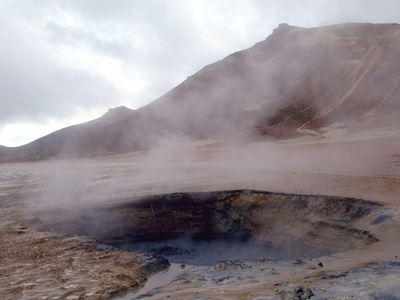
Geothermal
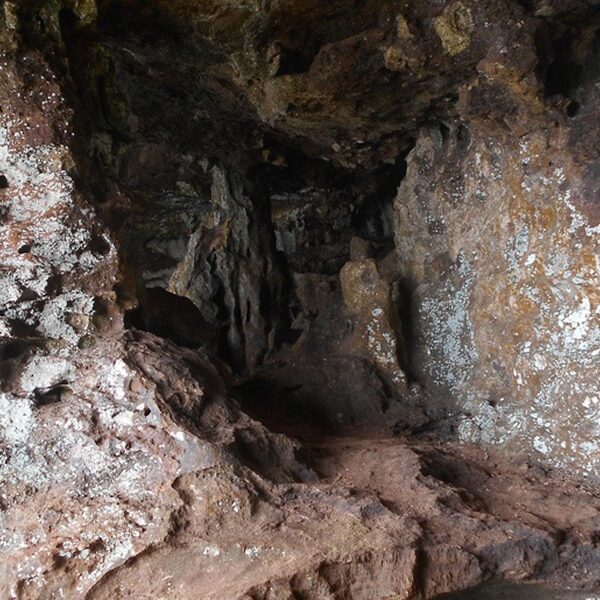
Heat from Earth’s interior used for electricity and heating. Temperatures range from warm groundwater to high-temperature reservoirs; common in power plants, district heating systems, and hot-spring spas because it provides steady, low-carbon thermal energy.
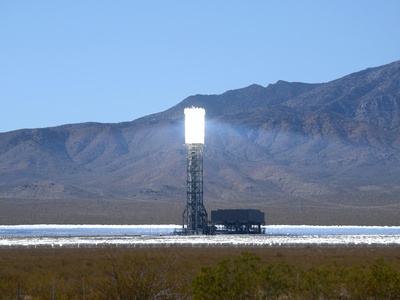
Solar thermal
Sun-driven heat collected by panels or mirrors to warm fluids. Used for domestic hot water, space heating, and preheating industrial processes; temperature depends on collector type from lukewarm to several hundred degrees Celsius in concentrating systems.
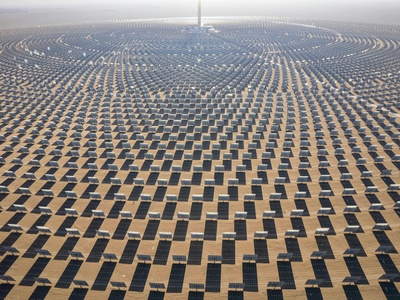
Concentrated solar power (CSP)
Mirrors focus sunlight to produce high-temperature heat for steam generation or industrial processes. CSP plants store heat for dispatchable power and can reach several hundred degrees Celsius, enabling electricity production and industrial thermal applications.
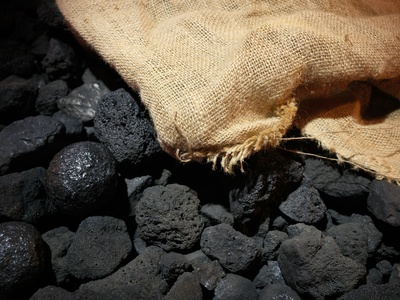
Fossil fuel combustion
Burning coal, oil, or gas releases high-temperature heat for steam turbines, boilers, and engines. Widely used for electricity and industrial heat generation but produces CO2 and pollutants, so efficiency and emissions control matter.
Biomass combustion
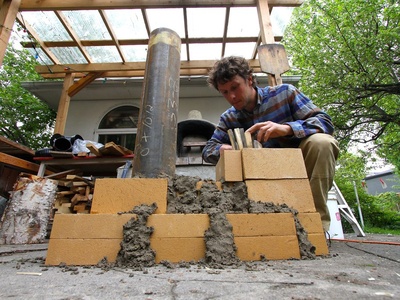
Burning organic matter like wood or agricultural residues produces heat for heating and power. It’s renewable when sustainably sourced and used in residential stoves, district heating, and biomass-fired plants.

Nuclear fission heat
Heat from neutron-induced fission heats reactor coolant to produce steam for turbines. Reactors provide large-scale, continuous thermal energy used for electricity and combined heat and power (cogeneration) in some districts.
Waste heat (industrial)
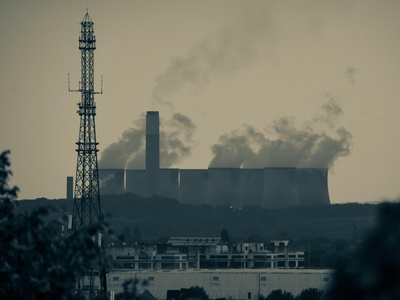
Byproduct heat from industrial processes and equipment exhausts. Recoverable via exchangers or heat pumps, it improves efficiency by supplying process heating, preheating, or power generation and reduces overall energy waste.
Fire
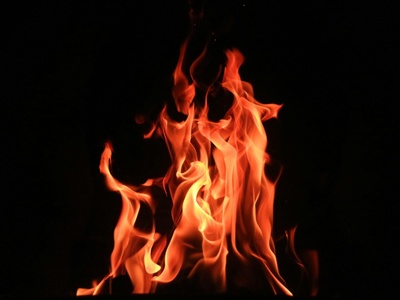
Combustion flames produce direct thermal energy for cooking, heating, or uncontrolled burning. Fire temperatures vary by fuel and airflow; historically the most direct human-accessible heat source for thousands of years.
Frictional heating
Mechanical work converted to heat where surfaces rub or deform. Important in brakes, machining operations, and tribology; excess frictional heat can damage components and often requires cooling or lubrication.
Exothermic reaction heat
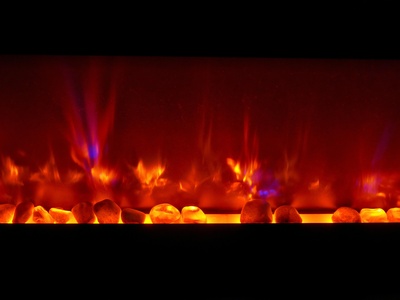
Heat released by chemical reactions such as curing, neutralization, or oxidation. Used deliberately in hand warmers and some industrial processes; uncontrolled exotherms can cause thermal runaway hazards.
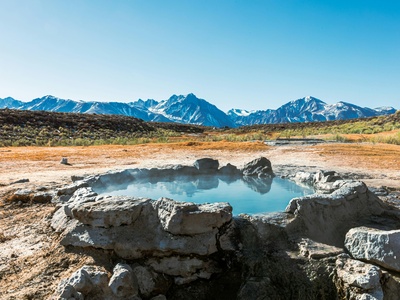
Hot springs
Naturally heated groundwater emerging at the surface. Often used for bathing, local heating, and tourism; temperatures reflect shallow geothermal gradients or deeper hydrothermal activity.
Ambient air (heat pump source)
Air as a low-grade heat source or sink for heat pumps. Even cold air contains usable thermal energy that heat pumps upgrade to useful temperatures for heating homes or providing hot water.
Solar pond
Salt-gradient ponds trap solar thermal energy in lower layers, producing warm brine for heating or power generation. Useful for low-cost thermal storage and remote heating applications where collectors are impractical.
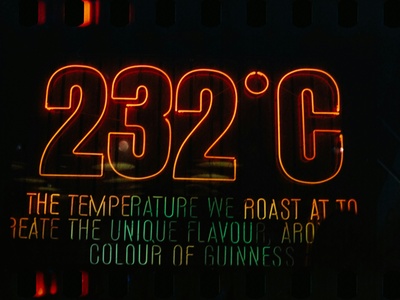
Sensible heat
Heat associated with temperature change of a material without phase change. Sensible heat storage in water or solids stores energy by raising temperature, widely used in heating systems and thermal management.

Latent heat
Heat absorbed or released during phase changes like melting or boiling at nearly constant temperature. Latent heat is high for many materials, making phase-change storage and refrigeration effective for thermal energy management.
Thermal radiation
Energy transfer by electromagnetic waves from hot objects. Radiation can heat objects at a distance without a medium, important for solar heating, infrared heaters, and high-temperature furnace heat transfer.
Conduction
Direct heat transfer through material by molecular interactions. Conduction governs heat flow in solids and is critical in cookware, thermal insulation design, electronic cooling, and material thermal analysis.

Convection
Heat transfer by fluid motion carrying thermal energy. Natural or forced convection moves heat in air and liquids, driving weather, HVAC systems, and process heating or cooling.
Forced convection
Convection enhanced by mechanical devices to increase heat transfer rates. Used in fans, blowers, and liquid pumps to cool electronics, accelerate drying, and improve heater performance.
Natural convection
Buoyancy-driven fluid motion caused by temperature differences. Natural convection circulates air in rooms, drives chimney draft, and contributes to cooling towers and passive building ventilation.
Heat pipe
Sealed device using phase change and capillary action to move heat efficiently over distances. Extremely effective for electronics, aerospace, and thermal management with low temperature drop.
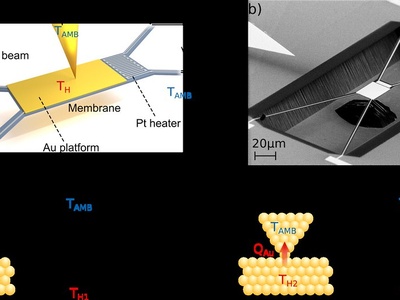
Thermal contact resistance
Resistance to heat flow across material interfaces due to gaps, roughness, or contact pressure. Critical in thermal joint design; reducing contact resistance improves heat transfer in engines and electronics.
Thermocouple
Two dissimilar metal wires produce voltage proportional to temperature. Rugged and wide-range sensors used in industrial furnaces, engines, and research for reliable temperature measurement.
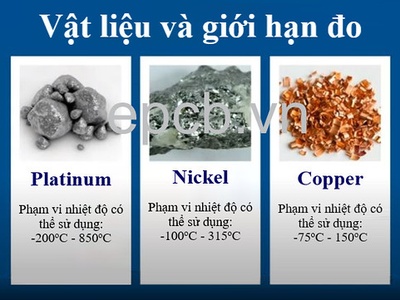
RTD (Resistance Temperature Detector)
A precise sensor using metal resistance change with temperature, typically platinum. RTDs offer high accuracy and stability in industrial and laboratory temperature measurements.

Thermistor
Semiconductor resistor whose resistance varies strongly with temperature. Thermistors are compact, sensitive, and used in thermostats, medical devices, and temperature compensation circuits.
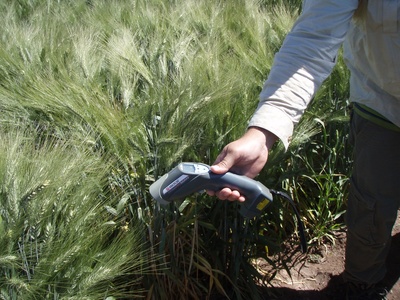
Infrared thermometer
Non-contact device that measures surface temperature by reading infrared emission. Useful for hot, moving, or inaccessible targets like baked goods, bearings, or molten metal surfaces.
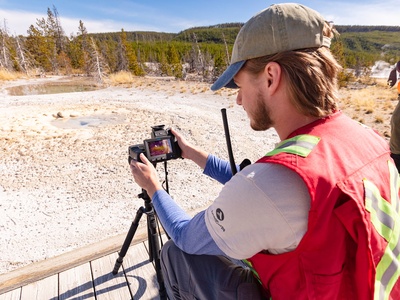
Thermal imaging camera
Camera that maps infrared radiation into thermal images. Widely used to find heat leaks, detect hotspots in equipment, and guide search-and-rescue or firefighting efforts.
Calorimetry
Measurement technique that quantifies heat released or absorbed during chemical reactions or physical changes. Common in fuel testing, material characterization, and thermodynamic studies to determine energy content.
Differential scanning calorimetry (DSC)
Lab method measuring heat flow into or out of a sample as temperature changes. DSC identifies melting points, glass transitions, and reaction enthalpies in materials and pharmaceuticals.
Heat flux sensor
Device measuring heat flow per unit area through a surface. Used to quantify insulation performance, furnace heat transfer, and solar panel thermal loads for energy assessments.
Specific heat capacity
A material property quantifying heat required to change temperature per mass unit. Essential for sizing heaters, designing thermal storage, and predicting temperature response in engineering systems.
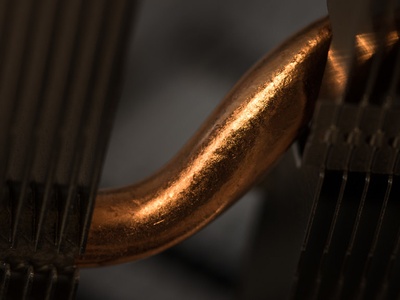
Heat exchanger
Equipment transferring heat between fluids without mixing. Ubiquitous in heating, cooling, power generation, and process industries to recover or deliver thermal energy efficiently.
Heat pump
Device that moves heat from a cooler source to a warmer sink using work. Heat pumps efficiently provide heating or cooling in homes and industry by upgrading ambient or waste heat.
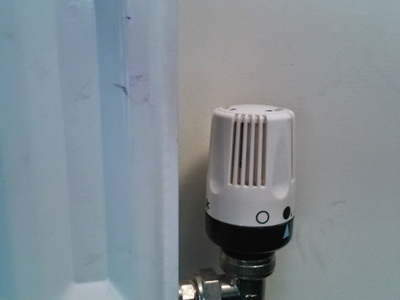
Space heating
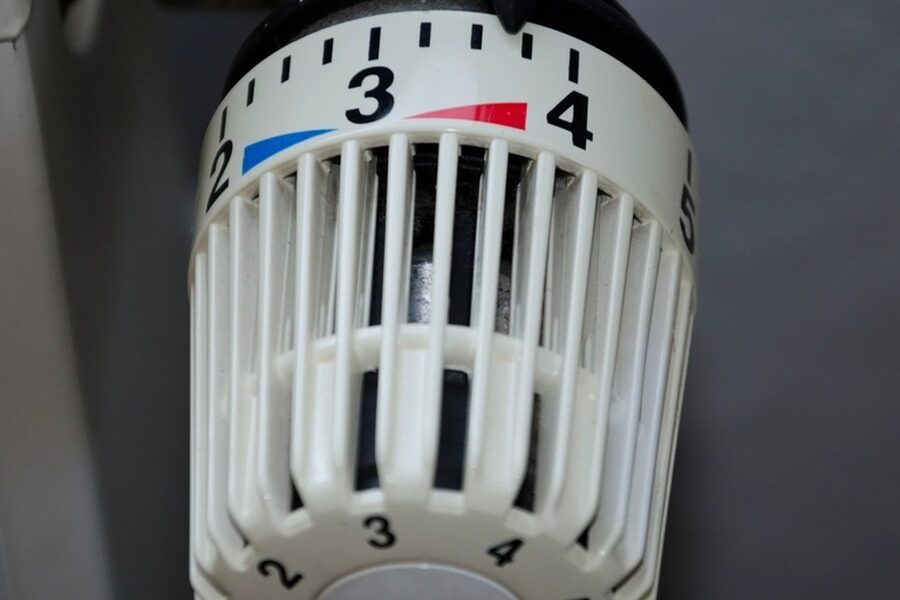
Providing comfortable indoor temperatures using boilers, furnaces, heat pumps, or radiators. Space heating is one of the largest domestic uses of thermal energy and impacts energy consumption and comfort.
Domestic hot water
Thermal systems that heat water for bathing, cleaning, and sanitation. Typically supplied by boilers, tanks, heat pumps, or solar collectors and controlled for safety and efficiency.
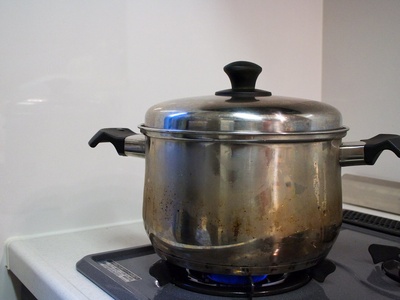
Cooking
Applying heat to transform and sterilize food by baking, boiling, frying, or steaming. Cooking uses controlled thermal energy for flavor, texture, and food safety across domestic and industrial kitchens.
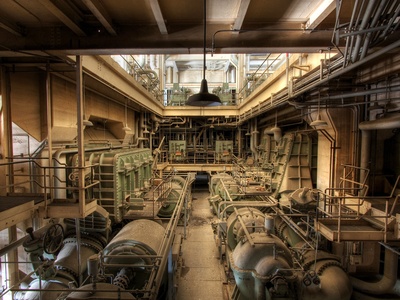
Power generation (steam turbine)
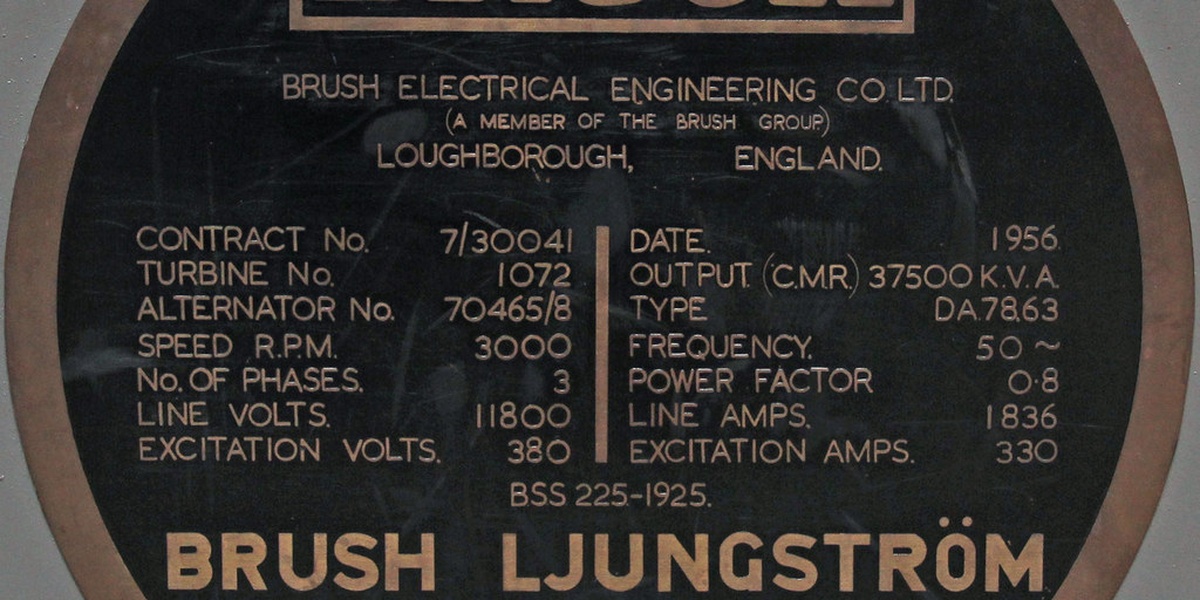
High-pressure steam produced in boilers drives turbines to generate electricity. Common in fossil, nuclear, and concentrated solar plants where thermal energy is converted to mechanical then electrical power.
Industrial drying
Removing moisture from products using hot air, infrared, or conductive heat. Drying is energy-intensive and central to manufacturing processes in food, pulp, textiles, and wood industries.
Metal forging and heat treatment
Applying high-temperature heat to metals for shaping, hardening, or annealing. Precise thermal cycles control microstructure and mechanical properties in industrial metallurgy.
Pasteurization
Mild heat treatment that kills pathogens while preserving food quality. Used for milk, juices, and other foods; temperatures and times balance safety and taste.
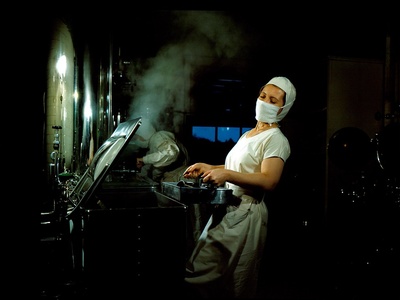
Sterilization (autoclave)
Moist heat under pressure destroys all microorganisms and spores. Autoclaves use steam at controlled temperature and time to sterilize instruments, media, and equipment reliably.
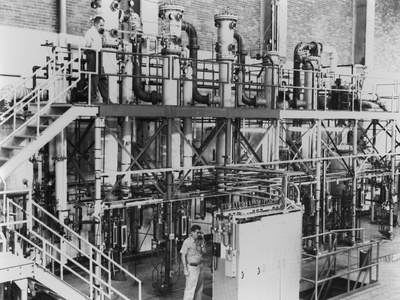
Distillation/evaporation
Using heating to vaporize and separate components by boiling point differences. Central in producing spirits, purifying chemicals, and concentrating liquids like brines or solvents.
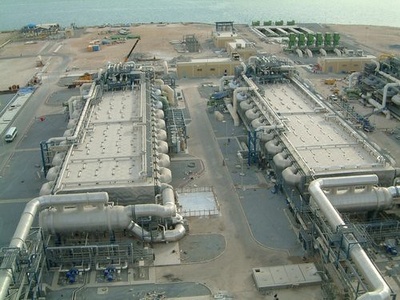
Thermal desalination
Processes like multi-stage flash or multiple-effect distillation use heat to evaporate and condense seawater, producing fresh water. Thermal methods pair well with waste heat or dedicated boilers.
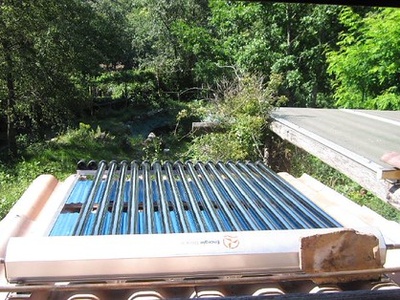
Solar water heating
Using solar collectors to produce hot water for domestic or commercial use. Simple, cost-effective, and commonly installed on rooftops to reduce conventional energy consumption.
District heating
Centralized production and distribution of hot water or steam to multiple buildings. District heating improves efficiency by using combined heat and power or large boilers to supply many users.
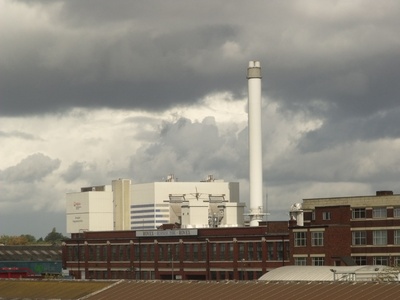
Incineration (waste-to-energy)
Burning waste at high temperatures to reduce volume and recover heat for power or district heating. Modern plants capture heat while controlling emissions to produce useful thermal energy.
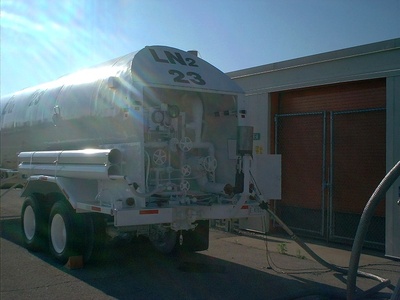
Cryogenic cooling
Extremely low-temperature cooling using liquid nitrogen, helium, or cryocoolers. Essential for liquefying gases, superconducting magnets, and scientific instruments requiring very low thermal energy states.
Refrigeration (vapor-compression)
Removing heat from a low-temperature space using refrigerant cycles and compressors. Used extensively in cooling, food preservation, air conditioning, and many industrial processes.
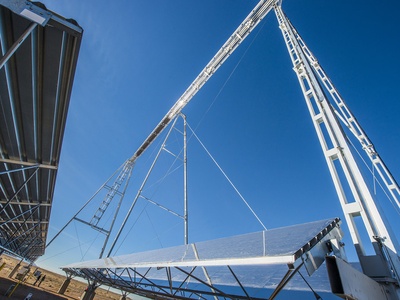
Thermal energy storage (molten salt)
High-temperature storage using molten salts storing sensible heat for later use. Common in CSP plants to provide dispatchable power and stabilize energy supply over hours.

Phase change material storage
Storing latent heat in materials that melt or solidify at chosen temperatures. PCMs smooth temperature swings, improve building efficiency, and stabilize thermal loads in transport or electronics.
Radiant floor heating
Low-temperature hydronic or electric systems embedded in floors that radiate heat upward. Provides comfortable, even warmth and often operates efficiently with low-temperature heat sources like heat pumps.