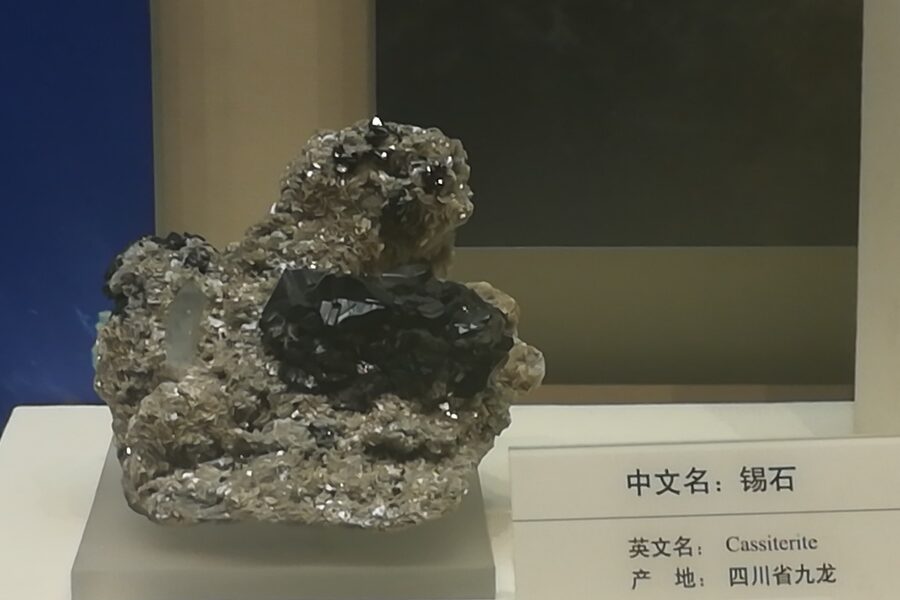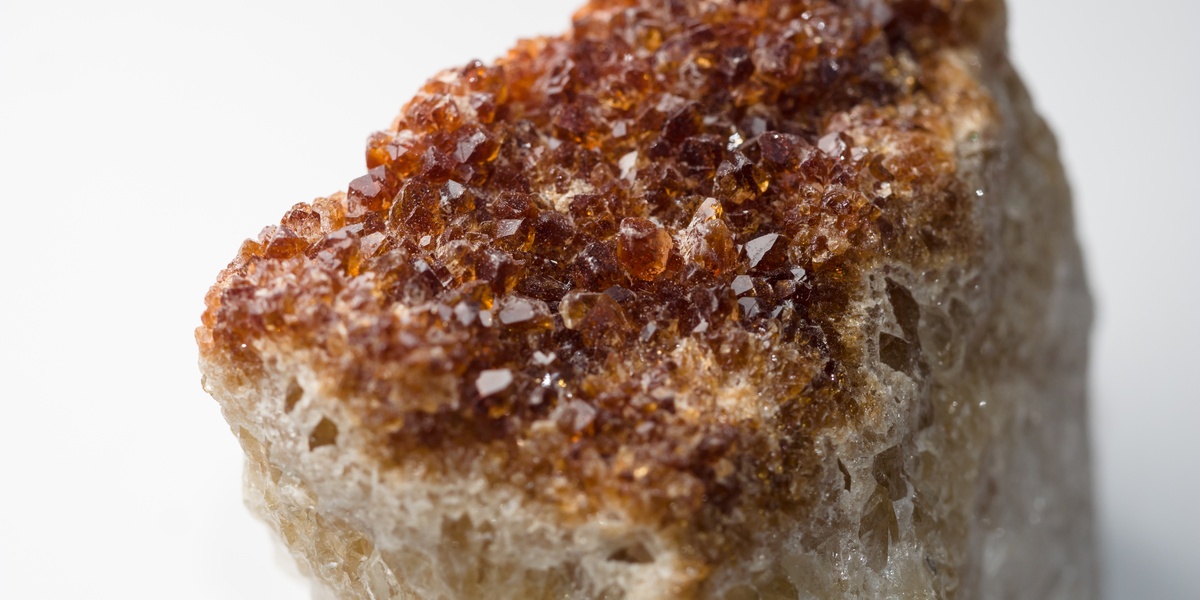
Barbados may seem all coral and sand at first glance, but the island’s bedrock and coastal deposits host a small, interesting assortment of minerals found in cliffs, quarries and beach sediments. A compact list helps hobbyists, students and visitors know what to look for and where the most useful samples come from.
There are 6 Minerals in Barbados, ranging from Aragonite to Quartz; for each, you’ll find below a concise entry organized by Occurrence location, Category, Significance — Occurrence location,Category,Significance — so you can quickly compare where each mineral appears and why it matters, which you’ll find below.
How are these minerals used or important locally?
Many are tied to the island’s carbonate geology: aragonite and other calcium carbonates feed the lime and cement industries and help reconstruct past sea levels, while quartz and heavy minerals in sands influence construction aggregate quality. Beyond commerce, several species are valuable for scientific study of coastal change and for educational displays.
Where can I see or legally collect these minerals on Barbados?
Good places to observe them are exposed cliff faces, old quarry sites and certain beaches; museums and university collections also display representative specimens. Always check local rules before collecting—some areas are protected or on private land—and consider joining a guided field trip for safe, lawful access.
Minerals in Barbados
| Name | Occurrence location | Category | Significance |
|---|---|---|---|
| Calcite | Island-wide limestones; caves (Harrison’s Cave); coastal cliffs | rock-forming | Primary carbonate mineral; forms caves, building stone, and specimens |
| Aragonite | Coral reefs, beaches, and cave deposits island-wide | rock-forming | Main coral mineral; collector interest; shapes reef and beach sand |
| Halite | Coastal salt pans and evaporite ponds (shoreline lagoons) | economic | Local sea-salt production; evaporite specimens |
| Gypsum | Coastal evaporite crusts and rare cave crusts; shoreline lagoons | beach | Evaporite indicator; modest collector interest |
| Quartz | Minor in mixed beach and terrace sands; occasional pebbles | beach | Minor sand component; occasional collector pebbles |
| Goethite | Soils and weathered limestones across the island | specimen | Weathering iron oxide; colors soils and specimens |
Images and Descriptions
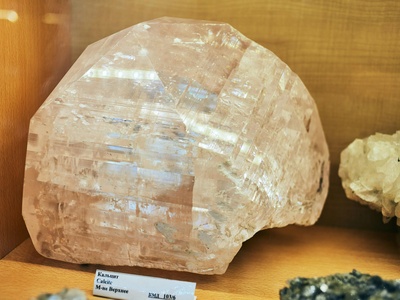
Calcite
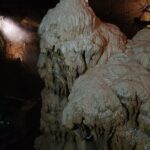
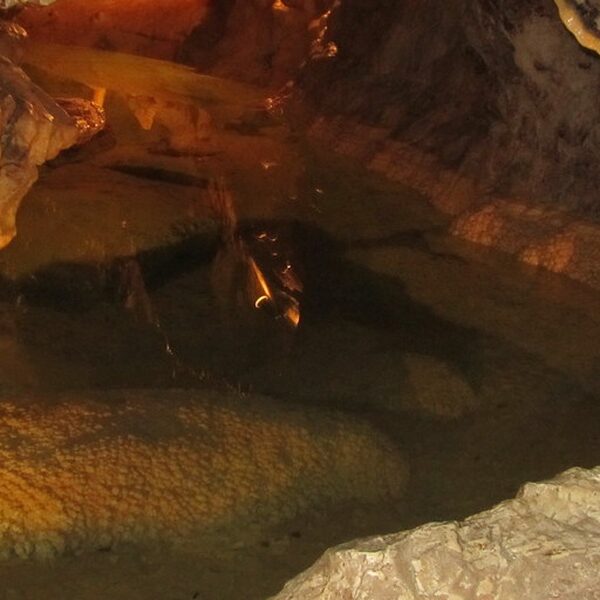
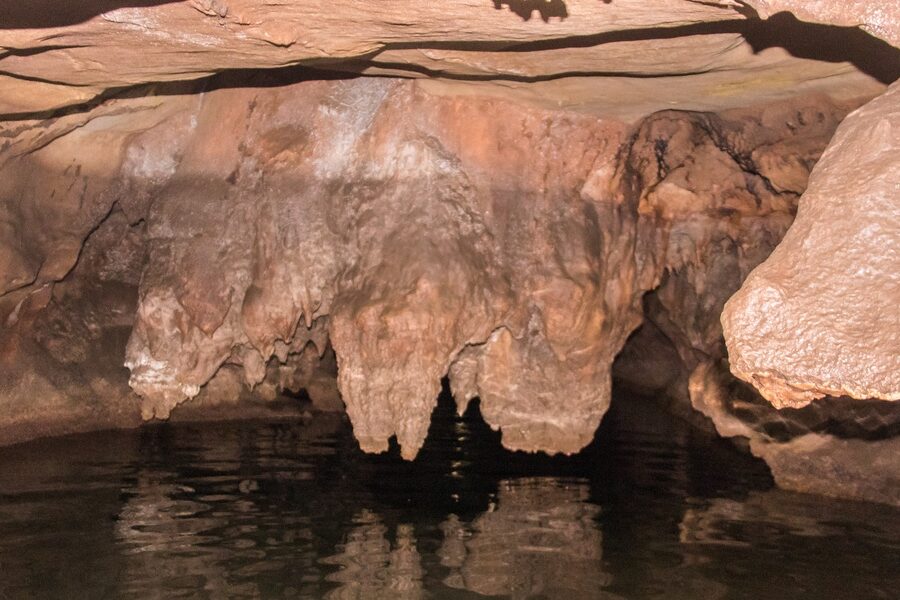
Calcite is the dominant mineral in Barbados’ uplifted coral limestones and caves such as Harrison’s Cave. It forms reef skeletons, beach fragments and speleothems; it’s locally important as the island’s rock, for landscape, education, and for collectors of cave stalactites and polished specimens.
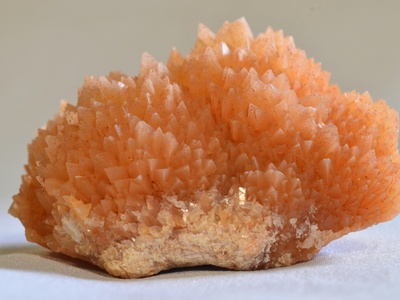
Aragonite
Aragonite occurs in living and fossil corals, shell material and some cave deposits across Barbados. It’s the high‑pressure polymorph of calcium carbonate visible in coral fragments and attractive needle-like crystals; prized by collectors and important for reef ecology and beach sand composition.
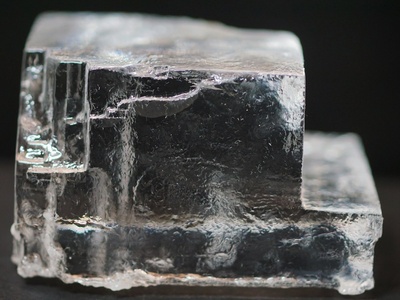
Halite
Halite forms in coastal salt‑pond evaporites and man-made salt pans around Barbados’ shores. Crystalline sea salt is produced locally and appears as cubic crystals in dried pans; historically significant for salt production and of interest to collectors of evaporite minerals.

Gypsum
Gypsum has been reported in minor coastal evaporitic crusts and as rare cave crusts in Barbados. The soft sulfate mineral forms white blades and crusts in drying lagoons or seepage sites; it’s of modest collector interest and signals evaporitic conditions.
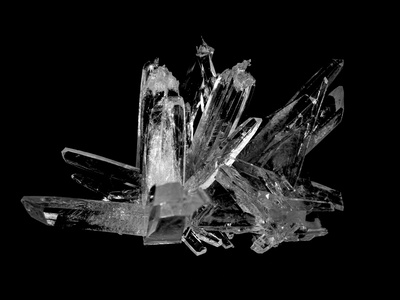
Quartz
Quartz grains occur in small amounts in beach and terrace sands, and as rare pebbles derived from reworked sediments. While Barbados’ sands are chiefly carbonate, translucent quartz is found in mixed sand deposits and occasional collector specimens.
Goethite
Goethite and related limonite occur as brown iron oxide coatings and nodules in soils and weathered limestone across Barbados. These weathering products color soils and clays, indicate iron enrichment, and are common minor minerals of interest to naturalists.