Seychelles is an island nation where reefs, granitic islands and remote atolls combine to support distinctive wildlife, fisheries and coastal livelihoods. A concise list helps highlight what’s ecologically and economically important, and where conservation or sustainable use is most needed.
There are 24 Natural Resources of Seychelles, ranging from the Aldabra giant tortoise to Wind energy potential. For each entry I use the fields Category,Location (island/habitat),Value & status so you can see type, where it occurs, and whether it’s abundant, threatened or commercially used — you’ll find those details below.
How are these resources tracked and protected?
Monitoring and protection are a mix of government regulation, protected areas and NGO programs: marine parks, the Seychelles Islands Foundation, fisheries management, and community-based initiatives. Many resources have regular surveys or satellite monitoring, but gaps remain for less-studied species and renewable-resource potential, so ongoing data collection is important.
Which resources present realistic options for sustainable development?
Key opportunities include well-managed fisheries (especially tuna-related value chains), nature-based tourism tied to endemic species, and renewable energy like the island Wind energy potential; success depends on clear governance, habitat protection and investment in local capacity.
Natural Resources of Seychelles
| Resource | Category | Location (island/habitat) | Value & status |
|---|---|---|---|
| Tuna (skipjack, yellowfin, bigeye, albacore) | Marine | EEZ, offshore waters | Major export; licenses and catches ~USD 150,000,000/year; sustainability concerns |
| Spiny rock lobster (Panulirus spp.) | Marine | Fringing reefs, rocky shores | Valuable export; small-scale fisheries, regulated, stock fluctuations |
| Sea cucumber (Holothurians) | Marine | Shallow reefs and lagoons | Export commodity; heavily depleted historically; strict quotas and monitoring |
| Octopus | Marine | Reef flats, lagoons | Important local fishery; artisanal catches, seasonal closures |
| Reef fish (groupers, snappers) | Marine | Fringing reefs, lagoons | Key subsistence and market fish; recovery efforts ongoing |
| Sharks (reef and pelagic species) | Marine | EEZ, reefs, pelagic waters | Bycatch and limited trade; vulnerable species; increasing protections |
| Coral reefs | Marine | Fringing reefs, Aldabra, outer atolls | Critical for fisheries, tourism and protection; bleaching threats increasing |
| Mangrove forests | Marine | Coastal lagoons, estuaries on Mahé, Praslin, inner islands | Nursery habitat and coastal protection; limited extent; legally protected |
| Seagrass beds | Marine | Shallow lagoons and bays | Fish nursery and carbon sink; threatened by development |
| Marine mammals (whales, dolphins) | Marine | Offshore EEZ and coastal waters | Tourism value; protected species; seasonal presence |
| Sea turtles (green, hawksbill) | Marine | Nesting beaches: inner islands, Aldabra | Endangered species; protected; important for ecotourism |
| Coco de mer (Lodoicea maldivica) | Terrestrial | Praslin, Curieuse | High-value endemic nut; strictly regulated trade and conservation |
| Aldabra giant tortoise | Terrestrial | Aldabra Atoll | Conservation icon; protected population; tourism and ecological importance |
| Endemic land birds (e.g., Seychelles magpie-robin, black parrot) | Terrestrial | Praslin, Morne Seychellois, other islands | High conservation priority; recovery programs; ecotourism value |
| Native hardwoods (takamaka and other endemics) | Terrestrial | Inner-island forests | Limited timber value; protected and ecologically important |
| Endemic plants and flora biodiversity | Terrestrial | Granite islands, cloud forests, atolls | High scientific and conservation value; many rare endemics protected |
| Freshwater groundwater lens | Geological | Mahé, Praslin, La Digue islands | Primary freshwater source; limited volume; vulnerable to saltwater intrusion |
| Granite bedrock and landscapes | Geological | Mahé, Praslin, La Digue | Geological foundation; scenic and low extraction; tourism value |
| Coralline limestone and reef-derived atolls | Geological | Outer islands and atolls (Aldabra, Farquhar) | Forms island foundations; ecologically vital; not commercially mined |
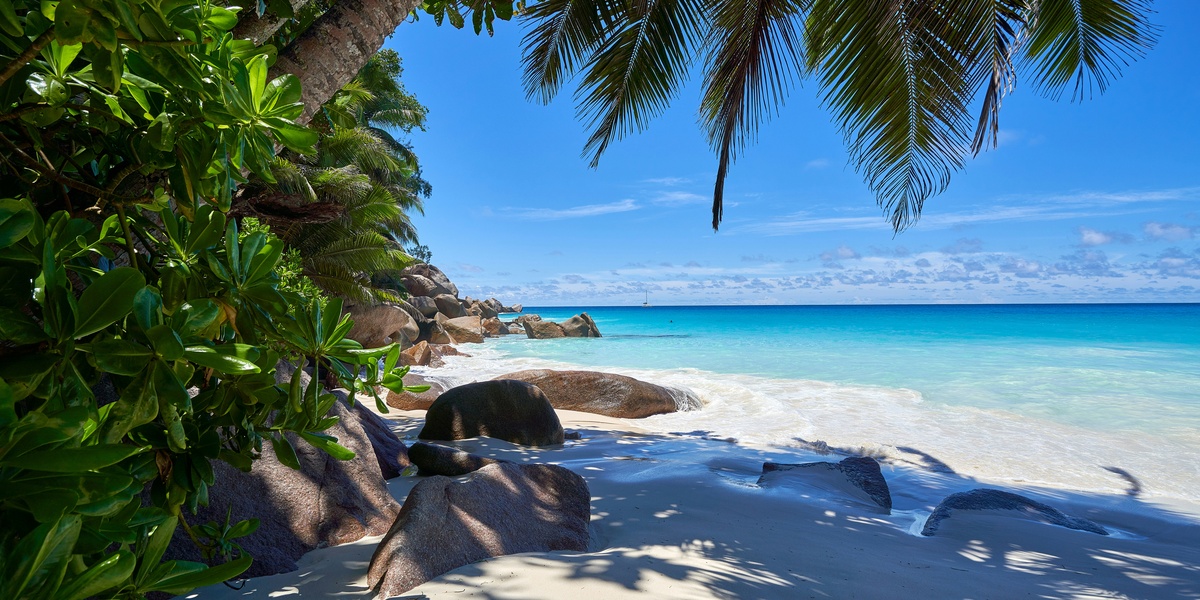
| Beach sand and coastal sediments | Geological | Beaches across inner islands | Essential for tourism and coasts; erosion and illegal removal are concerns |
| Offshore hydrocarbon potential (exploration) | Geological | EEZ (offshore basins) | Exploratory interest; no commercial production; speculative but politically sensitive |
| Solar energy (solar radiation) | Renewable | All islands, rooftops, cleared areas | High potential; expanding installations; key to decarbonization targets |
| Wind energy potential | Renewable | Exposed ridgelines, outer islands | Moderate potential; pilot projects; intermittent resource |
| Wave and ocean energy potential | Renewable | Coastal and offshore EEZ | Emerging potential; research stage, limited deployment |
Images and Descriptions

Tuna (skipjack, yellowfin, bigeye, albacore)
The tuna fishery drives Seychelles’ blue economy through licensing, catches and canning. Found across the EEZ, tuna support jobs and export earnings but face stock and bycatch management challenges and strong regional regulation.
Spiny rock lobster (Panulirus spp.)
Lobster from shallow reefs and rocky coasts is a high-value export for artisanal fishers. Heavily regulated with seasonal closures to protect moulting adults and sustain local incomes.
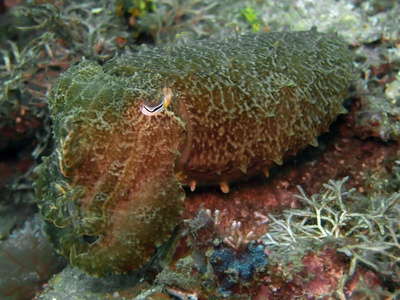
Sea cucumber (Holothurians)
Sea cucumbers are harvested for Asian markets. Populations were overexploited, prompting strict permit systems and stock-restoration efforts across inner-island reefs and atolls.
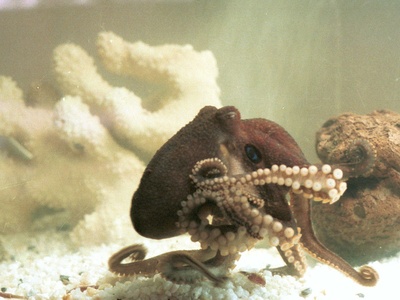
Octopus
Octopus supports coastal livelihoods and local markets. Fished from shallow reef habitats, management includes size limits and closed seasons to maintain productivity.
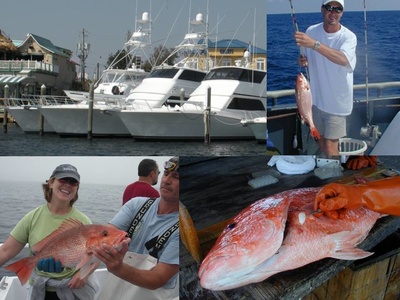
Reef fish (groupers, snappers)
Groupers and snappers supply domestic markets and tourism dining. Reef degradation and overfishing have reduced stocks, prompting marine protected areas and fishery controls.
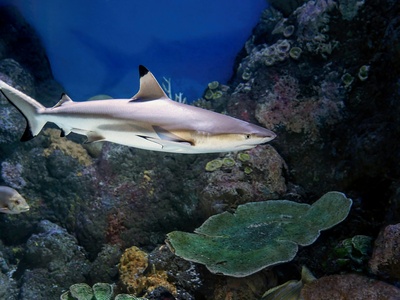
Sharks (reef and pelagic species)
Sharks occur around reefs and offshore. They have ecological importance and draw growing conservation attention; protections limit finning and some fisheries.
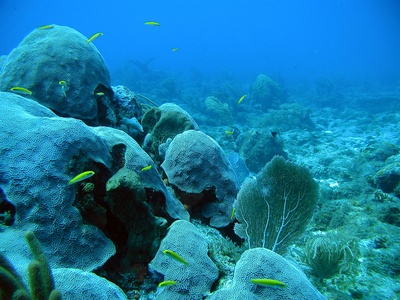
Coral reefs
Coral reefs underpin fisheries, protect shorelines and attract snorkelers and divers. Warming-driven bleaching and local impacts threaten reef health across inner islands and atolls.
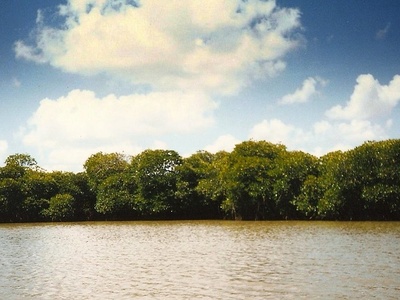
Mangrove forests
Mangroves store carbon, shelter juveniles and buffer storm surge. Small but vital stands on protected coasts are conserved for ecosystem services and biodiversity.
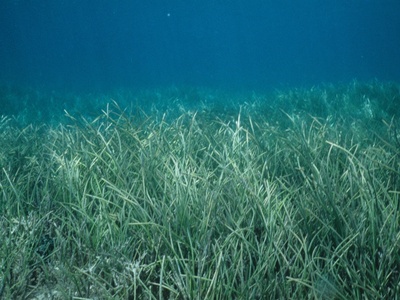
Seagrass beds
Seagrass meadows support juvenile fish, dugongs historically, and sequester carbon. They are vulnerable to dredging and coastal change but important for fisheries resilience.
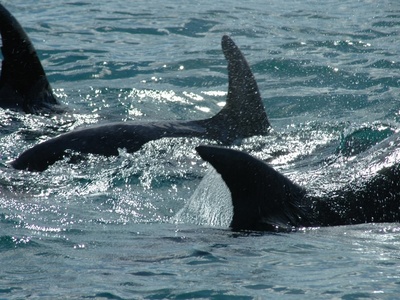
Marine mammals (whales, dolphins)
Humpback whales and various dolphins are regular visitors. Whale- and dolphin-watching add tourism income and raise conservation awareness across the archipelago.
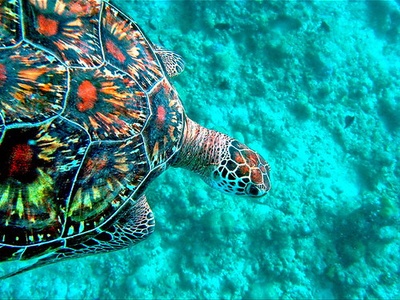
Sea turtles (green, hawksbill)
Sea turtles nest on Seychelles beaches and feed in seagrass. Strict protection supports recovery and eco-tourism while addressing bycatch threats.
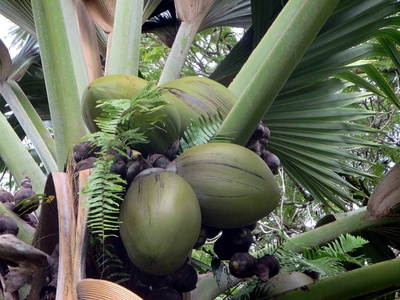
Coco de mer (Lodoicea maldivica)
The world’s largest seed is endemic to Praslin and Curieuse. Its nuts are a conservation-managed symbol and tourist curiosity, with controlled harvesting and legal protection.
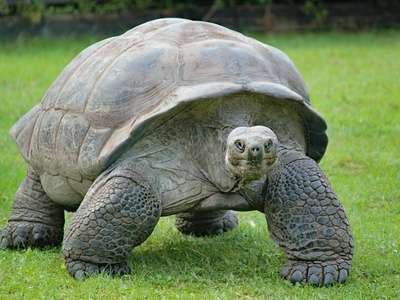
Aldabra giant tortoise
Aldabra’s giant tortoises shape island vegetation and are a major conservation success. Their protected herds support scientific research and nature-based tourism on the atoll.
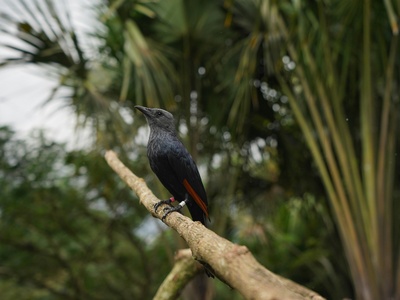
Endemic land birds (e.g., Seychelles magpie-robin, black parrot)
Seychelles’ unique land birds are focal points for conservation and birdwatching. Intensive recovery projects have rescued several species from extinction risk.
Native hardwoods (takamaka and other endemics)
Native hardwood trees form remnant forests that hold biodiversity, stabilize soils and supply limited local timber historically; now largely protected for conservation.
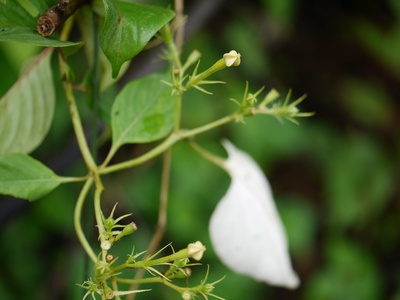
Endemic plants and flora biodiversity
Seychelles hosts many plant species found nowhere else. These endemics matter for biodiversity, research and ecotourism and face habitat loss pressures.
Freshwater groundwater lens
Shallow freshwater lenses in porous soils supply drinking water on islands. They are critical, finite resources threatened by over-abstraction and sea-level rise.
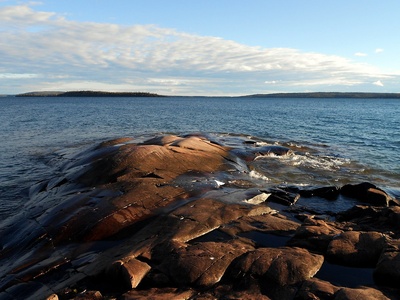
Granite bedrock and landscapes
The ancient granite core of the inner islands creates dramatic scenery and soils. Granite is not widely quarried but is central to island identity and landscapes.
Coralline limestone and reef-derived atolls
Coralline limestone builds the low outer islands and atolls, hosting specialized ecosystems and underpinning biodiversity on Aldabra and other atolls.
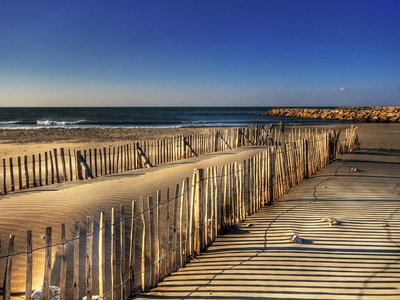
Beach sand and coastal sediments
White sandy beaches are vital for tourism and coastal protection. Natural replenishment is limited; erosion and human removal threaten beach habitats.
Offshore hydrocarbon potential (exploration)
Oil and gas exploration has occurred in the EEZ with no commercial finds to date. Potential remains speculative and faces environmental and economic scrutiny.

Solar energy (solar radiation)
Seychelles receives abundant sunshine ideal for rooftop and utility solar. Solar energy reduces diesel dependence, lowers costs and supports climate goals for island communities.
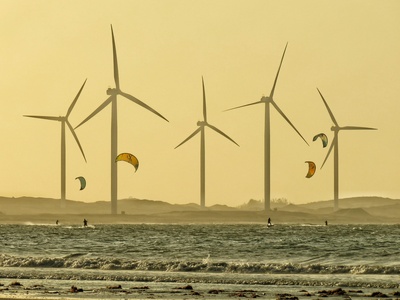
Wind energy potential
Wind resources exist in exposed locations and offshore; small pilot turbines have been tested. Wind can complement solar but is variable and site-dependent.
Wave and ocean energy potential
Ocean energy (waves, currents) offers long-term renewable potential given Seychelles’ ocean exposure. Technology remains experimental, with research interest for island energy resilience.