Across buildings, electronics, and transport, managing heat efficiently is a practical priority — from keeping indoor temperatures steady to smoothing out peaks in industrial processes. Materials that store and release thermal energy at set temperatures play a quiet but crucial role in those solutions.
There are 21 Phase Change Materials, ranging from Aluminum (Al) to n-Octadecane. For each entry, you’ll find below Melting point (°C),Latent heat (kJ/kg),Typical applications to help you compare performance, stability, and suitability — you’ll find below.
How do I choose the right phase change material for my project?
Match the material’s melting point to your target operating temperature, favor higher latent heat for greater energy storage per mass, and check compatibility (chemical stability, containment, thermal conductivity). Use the Melting point (°C),Latent heat (kJ/kg),Typical applications columns below to quickly filter options by performance and real-world use.
How do melting point (°C) and latent heat (kJ/kg) affect performance?
Melting point defines the useful temperature range while latent heat sets how much energy each kilogram can absorb or release; together they determine size and effectiveness for heating/cooling tasks. Also consider cycling durability and application constraints listed in the Typical applications column to ensure long-term suitability.
Phase Change Materials
| Name | Melting point (°C) | Latent heat (kJ/kg) | Typical applications |
|---|---|---|---|
| n-Octadecane | 28 | 244 | Building materials, textiles, electronics |
| n-Eicosane | 36 | 245 | Temperature control, packaging, PCM panels |
| Paraffin wax (commercial blend) | 40-60 | 150-240 | Building envelopes, textiles, battery thermal |
| Stearic acid | 69 | 200 | High-temperature storage, building materials |
| Palmitic acid | 63 | 200 | Thermal packs, building composites |
| Lauric acid | 44 | 175 | Textiles, personal cooling, composites |
| Polyethylene glycol (PEG-1000) | 37 | 150 | Medical packs, building thermal, packaging |
| Sodium sulfate decahydrate (Glauber’s salt) | 32.4 | 254 | Building storage, solar applications |
| Sodium acetate trihydrate | 58 | 264 | Heat packs, textile heating, deicing |
| Calcium chloride hexahydrate | 29.6 | 185 | HVAC buffering, cold storage, PCM slurries |
| Solar salt (NaNO3-KNO3 eutectic, 60:40) | 222 | 90 | Concentrated solar, high-temp storage |
| Erythritol | 118 | 340 | High-temperature storage, heat batteries |
| Gallium | 29.8 | 80 | Electronics cooling, thermal switches |
| Tin (Sn) | 232 | 59 | High-temp thermal storage, molten-metal systems |
| Aluminum (Al) | 660 | 397 | Very-high-temp storage, CSP research |
| Microencapsulated paraffin | 20-70 | 150-250 | Textiles, paints, smart fabrics |
| Fatty-acid eutectics (C12–C18 mixtures) | 20-60 | 160-210 | PCM panels, heat packs, textiles |
| Salt-hydrate eutectics (e.g., Na2SO4–NaCl mixes) | 10-100 | 150-300 | Seasonal storage, building systems |
| Coconut oil (refined, lauric-rich) | 20-25 | 160 | Personal cooling, packaging, building |
| Eutectic organic mixtures (paraffin–fatty acid) | 0-60 | 150-230 | Thermal storage, PCM formulations |
| Magnesium nitrate hexahydrate | 89 | 150-180 | Industrial heating, medium-temp storage |
Images and Descriptions
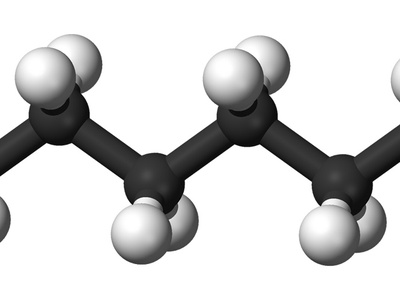
n-Octadecane
n-Octadecane (C18) is a straight-chain paraffin with a melting point near human-comfort temperatures. It stores relatively high latent heat, is chemically stable, noncorrosive and used in building materials, textiles and small-scale thermal buffers where benign, repeatable cycling is needed.
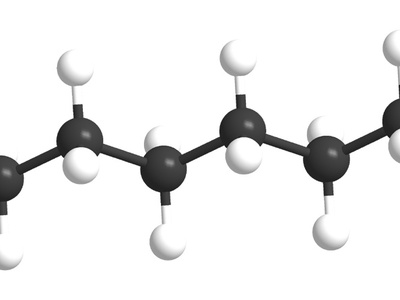
n-Eicosane
n-Eicosane (C20) is a higher-melting paraffin useful when slightly elevated setpoints are required. It offers high latent heat, low thermal conductivity and long cycle life, commonly incorporated into panels, thermal packaging and components requiring reliable, moisture-resistant phase change behavior.

Paraffin wax (commercial blend)
Commercial paraffin blends contain mixed n-alkanes tuned for target melting ranges. They provide stable latent heat, low toxicity and low cost, widely used in building boards, PCM slurries, textiles and battery temperature management where broad, safe operating ranges are acceptable.
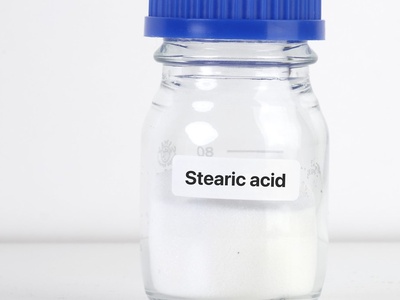
Stearic acid
Stearic acid is a saturated fatty acid used as a PCM where higher melting points are needed. It features moderate latent heat, compatibility with many encapsulants and reasonable thermal stability, commonly applied in specialty building materials, heat storage modules and thermal composites.
Palmitic acid
Palmitic acid is a long-chain fatty acid with a moderately high melting point and good latent heat. It is biodegradable and chemically simpler than blends, often used in thermal packs, composite PCMs and niche passive heating applications where bio-based materials are preferred.
Lauric acid
Lauric acid (C12) melts near typical ambient temperatures and provides decent latent heat with low supercooling risk. It’s used in smart textiles, personal cooling systems and composite PCMs where bio-based, food-safe materials are advantageous and moderate energy density suffices.
Polyethylene glycol (PEG-1000)
PEG-1000 is a polymeric PCM with narrow melting range, good repeatability and low vapor pressure. It is stable, nonflammable and used in medical cold packs, building thermal control and packaging where predictable melt/freeze behavior and chemical stability are important.
Sodium sulfate decahydrate (Glauber’s salt)
Sodium sulfate decahydrate stores high latent heat and melts near ambient temperatures, making it attractive for seasonal and building storage. It can suffer phase separation and supercooling without additives or encapsulation, so formulations and cycling strategies are critical for longevity.
Sodium acetate trihydrate
Sodium acetate trihydrate offers very high latent heat and convenient melt temperature for localized heating applications. It is reusable and inexpensive but requires careful control of inoculation and containment to avoid supercooling and phase separation during repeated cycling.
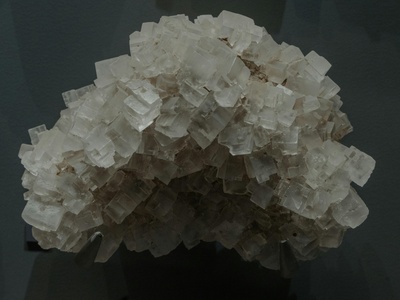
Calcium chloride hexahydrate
Calcium chloride hexahydrate is a salt hydrate PCM with a low melting point useful for cold thermal buffering. It offers good volumetric energy density but can be corrosive and may require corrosion inhibitors or encapsulation for long-term use in HVAC and cold-chain systems.
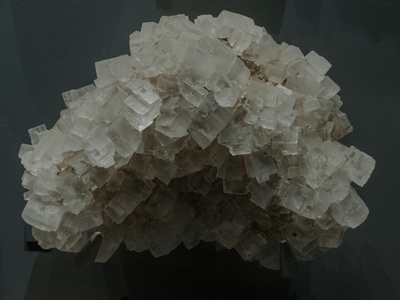
Solar salt (NaNO3-KNO3 eutectic, 60:40)
Solar salt is a widely used molten-salt PCM/eutectic for concentrated solar power and high-temperature thermal storage. It melts around 220°C and provides modest latent heat per kilogram but excellent stability, low cost and established handling practices for large-scale thermal plants.
Erythritol
Erythritol is a sugar alcohol with very high latent heat and a melting point suitable for moderate high-temperature thermal storage. It stores substantial energy per mass but can be hygroscopic and prone to recrystallization issues; encapsulation and additives are common in practical use.
Gallium
Gallium is a low-melting metal used in niche electronics cooling and thermal interface applications. Its low melting point, good thermal conductivity and repeatable solid–liquid transition make it attractive for compact thermal switches, though cost and wettability require careful engineering.
Tin (Sn)
Tin is a dense metallic PCM used for high-temperature, high-volumetric-energy applications. It melts at moderate elevated temperatures and offers good thermal conductivity and cycling durability, suitable for concentrated solar, industrial heat recovery and compact heat storage when containment is designed for metals.
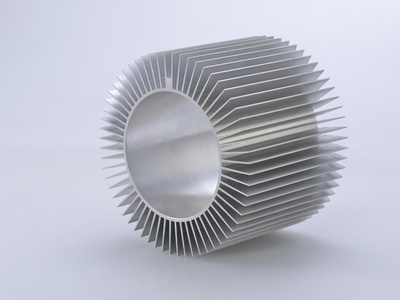
Aluminum (Al)
Aluminum melts at very high temperatures and provides very high latent heat per mass. It is considered for research-scale, very-high-temperature thermal storage systems and heat transfer applications, although system complexity, cost and reactivity at temperature are engineering challenges.
Microencapsulated paraffin
Microencapsulated paraffin combines paraffin cores with polymer shells to prevent leakage and improve handling. Capsules allow easy integration into textiles, paints and building materials, offering tunable melting points, improved cycling and reduced phase separation compared with bulk paraffin slurries.
Fatty-acid eutectics (C12–C18 mixtures)
Eutectic mixtures of fatty acids tune melting points across a range useful for comfort and building applications. They retain bio-based advantages, decent latent heat and reduced supercooling, commonly used in panels, heat packs and composite PCM products where tailored temperatures are required.
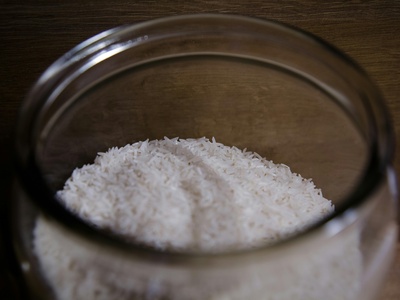
Salt-hydrate eutectics (e.g., Na2SO4–NaCl mixes)
Engineered eutectics of salt hydrates combine hydrates to achieve target melting ranges and improved cycling. They can deliver high volumetric latent heat for seasonal or building storage, but formulation control, corrosion and phase separation remain vital considerations for reliable operation.
Coconut oil (refined, lauric-rich)
Refined coconut oil is a bio-based PCM melting close to ambient temperatures, offering safe, renewable material with moderate latent heat. It is used in personal cooling, passive thermal packaging and small-scale building applications, though oxidative stability and odor control need attention.
Eutectic organic mixtures (paraffin–fatty acid)
Eutectic blends of paraffins and fatty acids allow precise tuning of melting temperature and improved crystallization behavior. These engineered organics deliver balanced latent heat, reduced supercooling and adaptable phase-change points for HVAC, thermal storage units and comfort-control products.
Magnesium nitrate hexahydrate
Magnesium nitrate hexahydrate is a salt-hydrate PCM used in medium-temperature thermal storage applications. It offers moderate latent heat and useful melt point for process heat buffering, though hygroscopicity, corrosion and cycling stability require additives or encapsulation for practical deployment.