Nebraska’s landscape is a mix of broad plains, braided rivers and rolling sand hills that support agriculture, energy and wildlife. Understanding what the state can produce and where those resources sit helps planners, landowners and curious readers see the bigger picture.
There are 15 Natural Resources in Nebraska, ranging from Alluvial (river) aquifers to Wind energy resource. For each resource the list shows Category,Primary locations,Annual production/value (units); you’ll find below.
How current and reliable is the production/value data in the list?
Data timing varies by resource — some figures come from annual state or federal reports (USDA, USGS, EIA), while others use multi-year averages; check the source note for each item and compare release dates if you need the most recent numbers.
Which resources most directly affect local economies and land use?
Groundwater (including Alluvial aquifers), agricultural soils, surface water for irrigation, oil and gas, sand/gravel and wind all shape local jobs and land decisions; renewable energy sites and irrigation needs in particular drive infrastructure and zoning choices.
Natural Resources in Nebraska
| Name | Category | Primary locations | Annual production/value (units) |
|---|---|---|---|
| Ogallala Aquifer | Water | Western Nebraska (High Plains counties) | 1,500,000,000 m3 |
| Missouri River | Water | Eastern border counties (Dakota, Thurston, Washington, Burt) | 2,000,000,000 m3 |
| Platte River | Water | Central Nebraska (Scotts Bluff to Platte counties; Hall, Buffalo areas) | 1,000,000,000 m3 |
| Alluvial (river) aquifers | Water | Valleys statewide (Platte, Elkhorn, Niobrara, Republican) | 500,000,000 m3 |
| Sand and gravel (aggregates) | Mineral | River valleys, Omaha metro, eastern and central counties | 8,000,000 t |
| Crushed stone (limestone/dolomite) | Mineral | Eastern and central Nebraska quarries | 5,000,000 t |
| Crude oil (petroleum) | Energy | Western and south-central counties (Chadron region, Kimball, McPherson) | 150.00 $ million USD |
| Natural gas (conventional) | Energy | Western Nebraska and scattered fields statewide | 40.00 $ million USD |
| Coal (lignite/bituminous deposits) | Energy | Small deposits in eastern and north-central Nebraska | 50,000 t |
| Wind energy resource | Energy | Panhandle, western and eastern plains | 200.00 $ million USD |
| Solar energy resource | Energy | Statewide (strongest in western Nebraska) | 120.00 $ million USD |
| Sandhills wetlands and groundwater lakes | Biological | Sandhills region (Cherry, Brown, Holt counties) | 85.00 $ million USD |
| Tallgrass and mixed-grass prairie ecosystems | Biological | Eastern and central Nebraska plains and hills | 60.00 $ million USD |
| Loess-derived fertile soils | Soil/Agriculture | Loess hills, southeastern Nebraska, Platte Valley terraces | 2,000.00 $ million USD |
| Riparian timber (cottonwood, willow) | Biological | River corridors statewide (Platte, Missouri, Niobrara) | 1.00 $ million USD |
Images and Descriptions
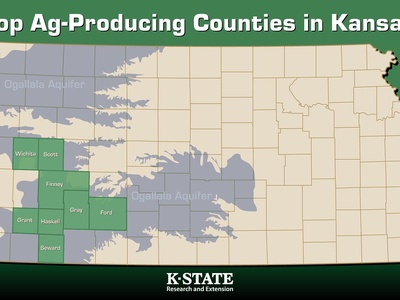
Ogallala Aquifer
Massive High Plains aquifer supplying irrigation and municipal water across western Nebraska; critical for ranching and irrigation, with localized declines. Conservation and pumping limits aim to slow depletion and sustain agricultural economies and rural communities.
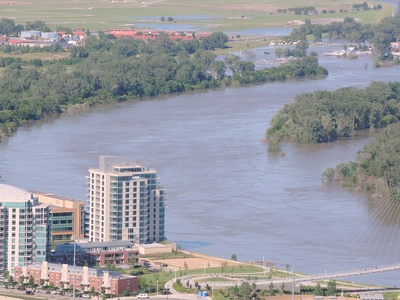
Missouri River
Major continental river forming Nebraska’s eastern boundary, providing navigation, flood control, municipal water, and habitat. Supports commerce, recreation, and riverine ecosystems while facing sediment, habitat and flow-management challenges.
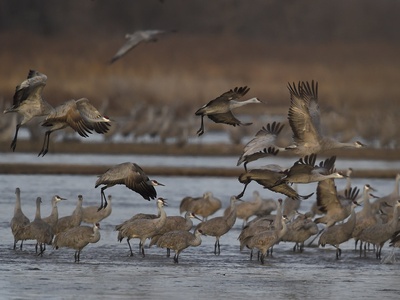
Platte River
Spring-fed river network vital for irrigation, wildlife (notably sandhill crane migration), and groundwater recharge. Wide braided channels and irrigated valleys underpin agriculture and tourism, with flow timing critical for species and water users.

Alluvial (river) aquifers
Shallow groundwater in river valleys used for irrigation, municipal supply, and ecosystems. Easily recharged but locally vulnerable to nitrate contamination and overuse; important for small towns and irrigated farmland.
Sand and gravel (aggregates)
Primary construction aggregate mined from river terraces and glacial deposits. Essential for roads, concrete, and development; broadly distributed with notable extraction near urban centers and major river systems.
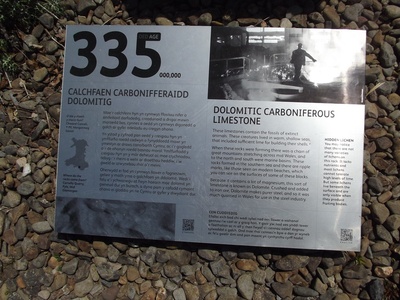
Crushed stone (limestone/dolomite)
Limestone and dolomite crushed for construction, road base and concrete. Historically important in regional building materials, supporting infrastructure projects and local aggregate markets across the state.
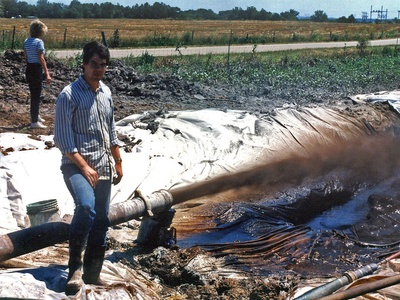
Crude oil (petroleum)
Modest onshore oil production from scattered fields supports local economies and services. Production volumes are small compared with major oil states but remain an ongoing fossil-fuel resource for Nebraska.
Natural gas (conventional)
Small-scale natural gas production from conventional wells supplies local heating and industrial uses. Production supplements pipeline supplies but overall state output is limited compared with larger producing states.
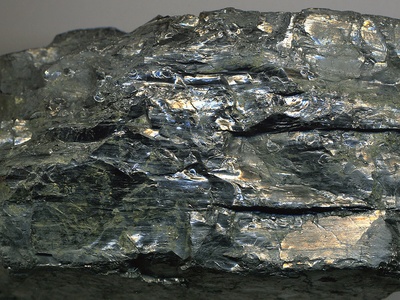
Coal (lignite/bituminous deposits)
Limited coal resources historically mined in small quantities for local use. Low production today; coal is a minor fossil-fuel resource compared with regional reserves elsewhere.
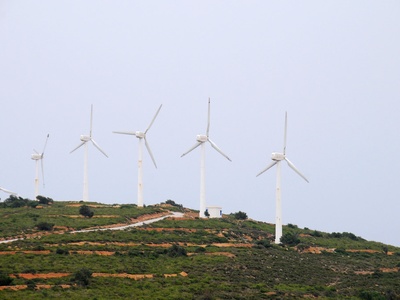
Wind energy resource
Wind is Nebraska’s fastest-growing renewable energy source. Strong plains winds and expanding turbines produce electricity for in-state use and export, supporting rural jobs and tax revenues while reducing carbon emissions.
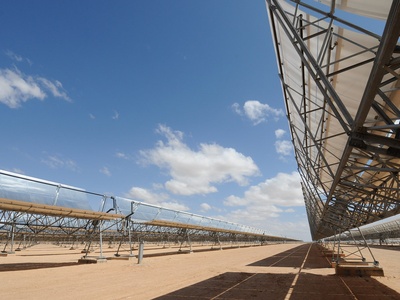
Solar energy resource
High annual sunshine gives strong solar potential across Nebraska. Utility-scale and distributed solar are growing, offering clean electricity, rural investment opportunities, and peak-generation benefits during summer months.
Sandhills wetlands and groundwater lakes
Extensive groundwater-fed prairie wetlands and lakes that support unique biodiversity, grazing, and recreation. These wetlands provide critical breeding habitat, groundwater storage, and tourism value centered on wildlife viewing.
Tallgrass and mixed-grass prairie ecosystems
Native prairie remnants sustain pollinators, soil health, grazing, and biodiversity. These grassland ecosystems underpin ranching, cultural heritage, and ecological services including carbon storage and erosion control.
Loess-derived fertile soils
Deep loess soils are highly productive for dryland cropping and support Nebraska’s rural economy. These mineral soils store water and nutrients but require conservation to limit erosion and sustain long-term productivity.
Riparian timber (cottonwood, willow)
Riparian woodlands of cottonwood and willow provide shade, bank stabilization, habitat and limited local fuel/timber. Trees are ecologically valuable for bird and fish habitat and help maintain streambank integrity.