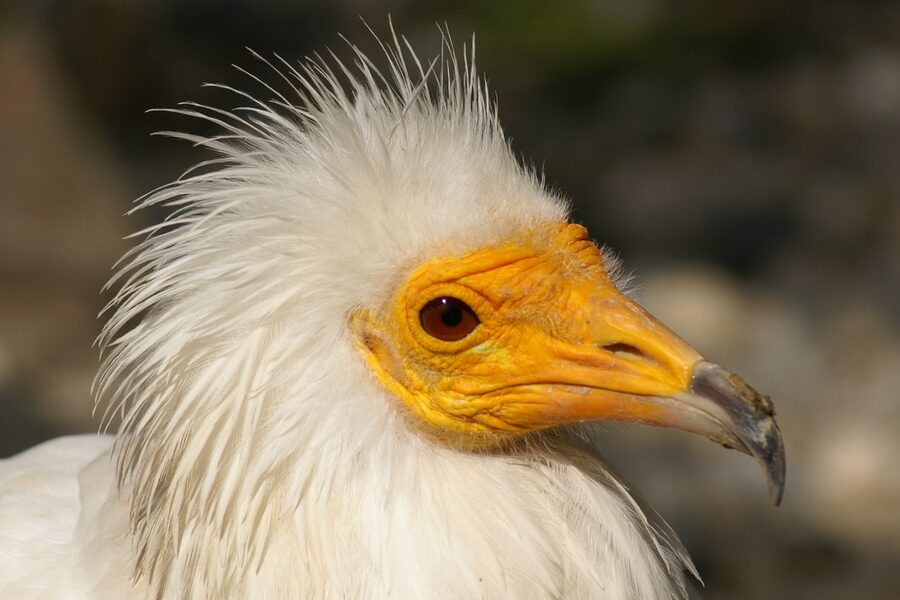
Ethiopia’s landscapes—from highland plateaus and rift valleys to seasonal wetlands and dry lowlands—host a rich mix of resident and migratory birds. Whether you’re walking a lodge trail or scanning a lakeshore, the country’s variety of habitats makes birding unusually rewarding and varied.
There are 20 Birds of Ethiopia, ranging from Abyssinian roller to White-tailed swallow; for each species the list shows Scientific name,Length (cm),Ethiopia region(s) so you can match identification details with likely locations — you’ll find below.
When is the best time to see these species in Ethiopia?
The dry months (roughly October to February) are generally easiest for birding because vegetation is thinner and water concentrates birds at predictable sites, but migrant species peak in the wetter months; plan early-morning outings and target habitat-specific sites (highlands, rift lakes, acacia scrub) for the best chance of sightings.
How can I use the table to prioritize which birds to look for?
Use the Scientific name and Ethiopia region(s) columns to confirm which species occur where, compare Length (cm) for size expectations, and focus on habitats listed for each bird; pairing that with local guides, recent eBird checklists, and site-specific timings will quickly narrow down high-probability targets.
Birds of Ethiopia
| Common name | Scientific name | Length (cm) | Ethiopia region(s) |
|---|---|---|---|
| Common ostrich | Struthio camelus | 230 | Lowlands; Afar, Omo valleys |
| Somali ostrich | Struthio molybdophanes | 210 | Southern lowlands; Ogaden, southern Ethiopia |
| Vulturine guineafowl | Acryllium vulturinum | 70 | Dry bushlands; Rift Valley fringes |
| Helmeted guineafowl | Numida meleagris | 53 | Widespread lowlands; farmland and savanna |
| Secretarybird | Sagittarius serpentarius | 120 | Open grasslands; Rift Valley high plains |
| Bateleur | Terathopius ecaudatus | 55 | Savanna and acacia plains; lowlands |
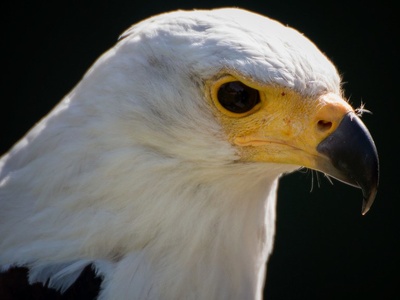
| African fish eagle | Haliaeetus vocifer | 63 | Lakes and rivers; Rift Valley lakes |
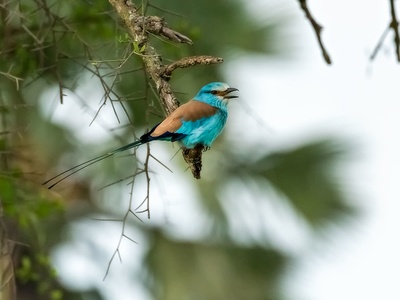
| Abyssinian roller | Coracias abyssinicus | 28 | Dry lowlands and savanna; Rift Valley |
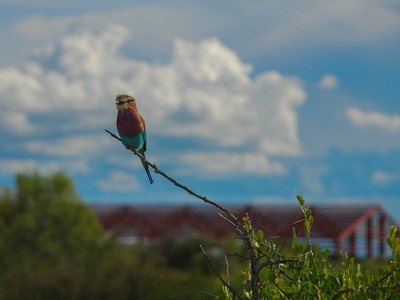
| Lilac-breasted roller | Coracias caudatus | 36 | Wooded savanna; southern lowlands |
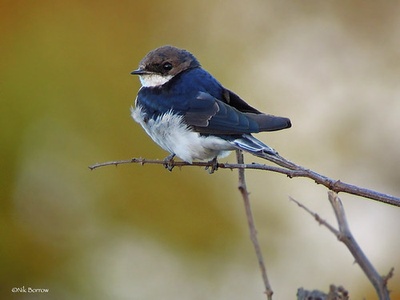
| White-tailed swallow | Hirundo megaensis | 11 | Endemic; south-central highlands, Bale |
| Ethiopian bush-crow | Zavattariornis stresemanni | 30 | Endemic; southeastern lowlands near Jinka |
| Wattled ibis | Bostrychia carunculata | 60 | Endemic; Ethiopian Highlands and plateaus |
| Thick-billed raven | Corvus crassirostris | 58 | Endemic; Ethiopian Highlands, Bale Mountains |
| Blue-winged goose | Cyanochen cyanoptera | 62 | Endemic; Ethiopian highland wetlands |
| Common bulbul | Pycnonotus barbatus | 19 | Widespread; lowlands and highlands |
| Red-billed quelea | Quelea quelea | 12 | Grasslands and croplands; widespread lowlands |
| Lesser flamingo | Phoenicopterus minor | 90 | Rift Valley alkaline lakes; north and south lakes |
| Greater flamingo | Phoenicopterus roseus | 120 | Rift Valley lakes and wetlands |
| Marabou stork | Leptoptilos crumenifer | 140 | Lowland wetlands and rubbish dumps |
| Hoopoe | Upupa epops | 25 | Widespread; open woodlands and farmland |
Images and Descriptions
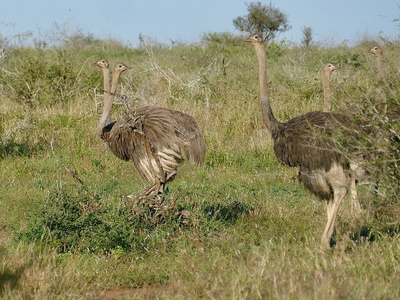
Common ostrich
Largest living bird, widespread in arid lowlands and plains of Ethiopia. Nomadic resident, often seen in dry scrub and grasslands. Notable for immense size, fast running and iconic status in rural landscapes and wildlife reserves.
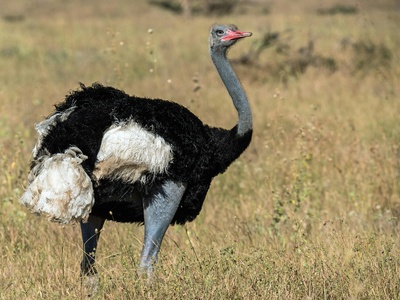
Somali ostrich
Distinct ostrich species of Ethiopia’s south and southeast. Resident of semi-arid scrub and acacia savanna, notable for blue skin on males and genetic distinctiveness from northern ostriches; an important flagship for dryland conservation.
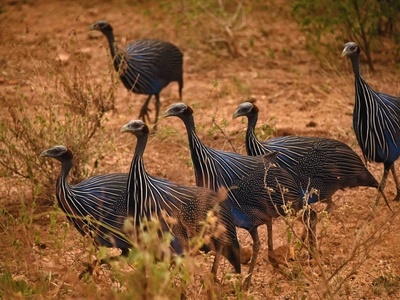
Vulturine guineafowl
Striking, long-tailed guineafowl with vivid blue and patterned plumage. Occurs in dry thornbush and scrub, often in small groups. Eye-catching and vocal, a favorite among birders in northern and eastern lowlands.
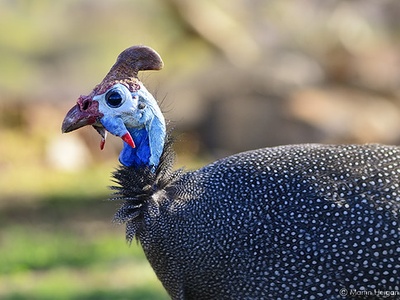
Helmeted guineafowl
Common, adaptable gamebird found near villages, farmland and open savanna. Ground-dwelling, social groups feed on seeds and insects. Familiar bird of rural Ethiopia and often seen around settlements.
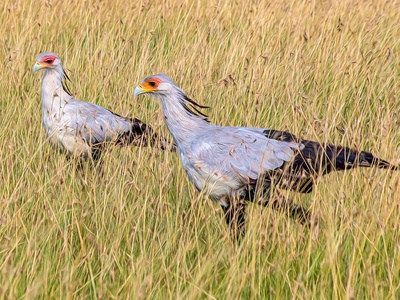
Secretarybird
Tall, long-legged raptor that hunts on foot in open country. Resident and locally common in grassland and savanna; notable for lanky silhouette, crest and terrestrial hunting of snakes and small mammals.
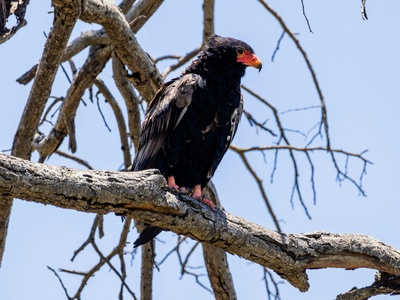
Bateleur
Short-tailed, colorful eagle with distinctive rocking flight. Widespread resident in open country and woodlands. Scavenger and predator, notable for aerial displays and frequent presence around carcasses.
African fish eagle
Iconic raptor of Ethiopia’s lakes and waterways. Resident and conspicuous, often perched near water feeding on fish. Recognizable by loud, melodious call and white head contrasting with dark body.
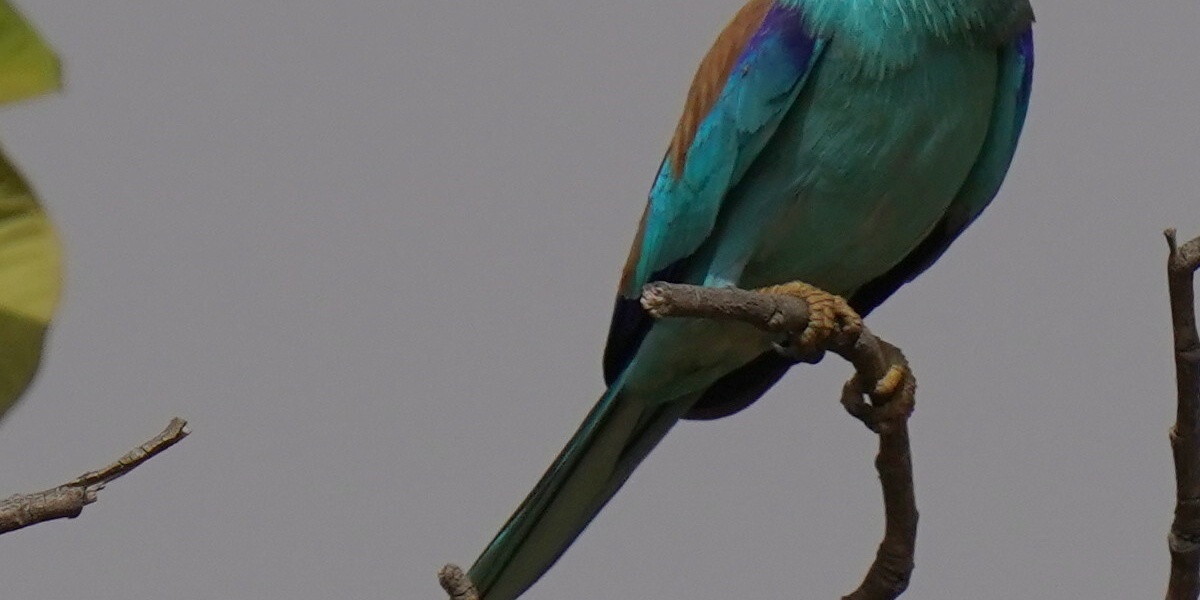
Abyssinian roller
Colorful roller common across Ethiopian lowlands, perched conspicuously on wires and trees. Resident species that hawks insects from exposed perches; notable for bright blue plumage and acrobatic aerial displays.
Lilac-breasted roller
Showy roller with lilac breast and long tail streamers. Resident to southern and drier regions, favoring scattered trees and bushland. A spectacular sight for visiting birders in appropriate habitats.
White-tailed swallow
Small swallow endemic to Ethiopia, restricted to rocky gorges and highland hollows. Local resident and habitat specialist, notable for white tail and conservation concern due to limited range and patchy distribution.
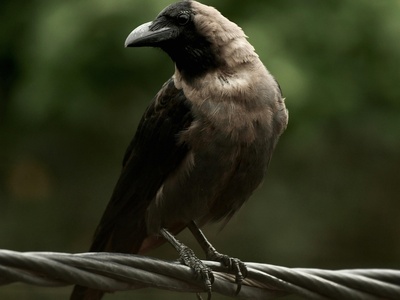
Ethiopian bush-crow
Critically range-restricted crow-like bird found in dry acacia bushland around a small area in southern Ethiopia. Social, terrestrial and unusual behaviorally; conservation icon due to tiny range and vulnerability.
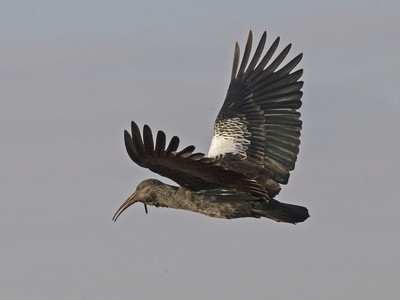
Wattled ibis
Highland specialist endemic to Ethiopian montane wetlands and pasturelands. Large, slow-flying ibis with wattles; common in highland agricultural areas and near grazing lands. Important for mountain wetland ecosystems.
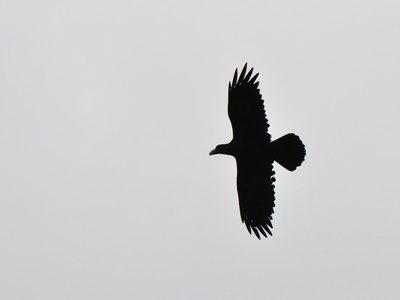
Thick-billed raven
Massive corvid endemic to highlands, with heavy bill and deep voice. Resident on rocky cliffs and moorlands, often seen with lammergeiers and raptors. A characteristic species of Afro-alpine zones.
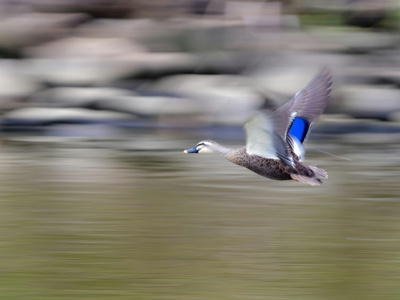
Blue-winged goose
Rare, rotund goose endemic to high-altitude wetlands and lakes. Resident and largely sedentary; notable for blue-tinged wings and reliance on fragile montane marshes, making it vulnerable to habitat change.
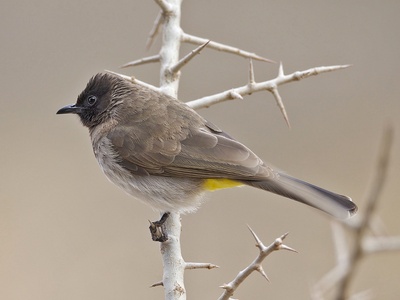
Common bulbul
Versatile, vocal songster common across Ethiopia in gardens, scrub and forests. Resident and often abundant; useful indicator of human-altered habitats and familiar to most visitors and residents.
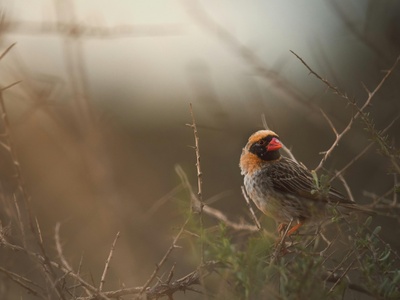
Red-billed quelea
World’s most numerous passerine, common in Ethiopia as a seasonal breeder and nomadic flocks. Feeds on grass seeds, forms dense flocks that can impact cereal crops. A spectacular, noisy presence in the dry season.
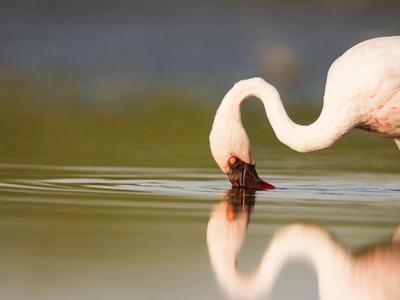
Lesser flamingo
Small pink flamingo that gathers in huge flocks on saline lakes of the Rift Valley. Regular visitor and breeder at suitable alkaline lakes, notable for dense feeding assemblages and bright coloration.
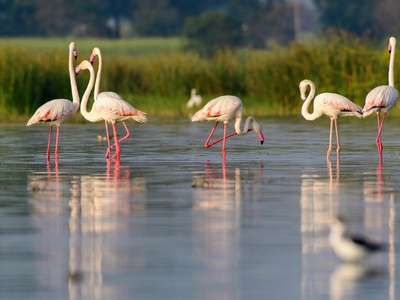
Greater flamingo
Large pink flamingo found at shallow lakes and lagoons. Regular in Ethiopian wetlands, often in mixed flocks with lesser flamingos. Elegant filter-feeder, conspicuous on breeding and feeding grounds.
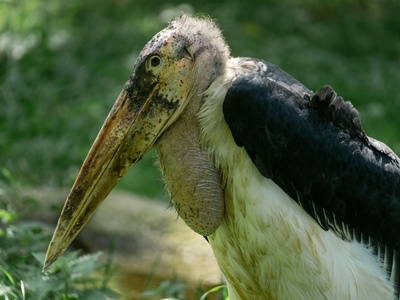
Marabou stork
Huge stork frequenting wetlands, riversides and urban refuse sites. Resident and opportunistic scavenger, notable for bare head, huge bill and association with human-modified landscapes.
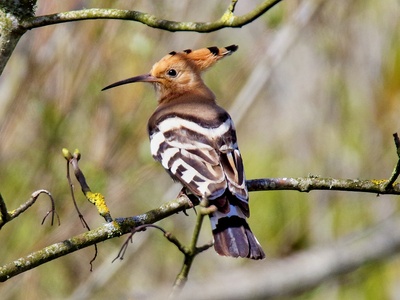
Hoopoe
Distinctive crested bird with long bill and black-and-white wings, found widely across Ethiopia. Seasonal migrant and resident populations occur; notable for undulating flight and specialized insect-probing feeding.