Turtles have existed for more than 220 million years — they’ve survived mass extinctions, yet people still believe surprising falsehoods about them.
Those persistent misconceptions matter: they shape conservation priorities, influence how people care for pet turtles, and even affect enforcement of laws designed to protect vulnerable species. Clear, evidence-backed corrections can reduce harm to animals and help direct resources where they’re needed most.
Below are seven widely held misunderstandings followed by scientific corrections and practical takeaways, with examples from sea turtles, giant tortoises, and common pet species.
Biology and Behavior: How turtles actually work
Many myths arise from seeing turtles basking or moving slowly on land and assuming that tells the whole story. In fact, anatomy, physiology, and life history vary greatly across the group Testudines.
1. Myth: Turtles can leave their shells
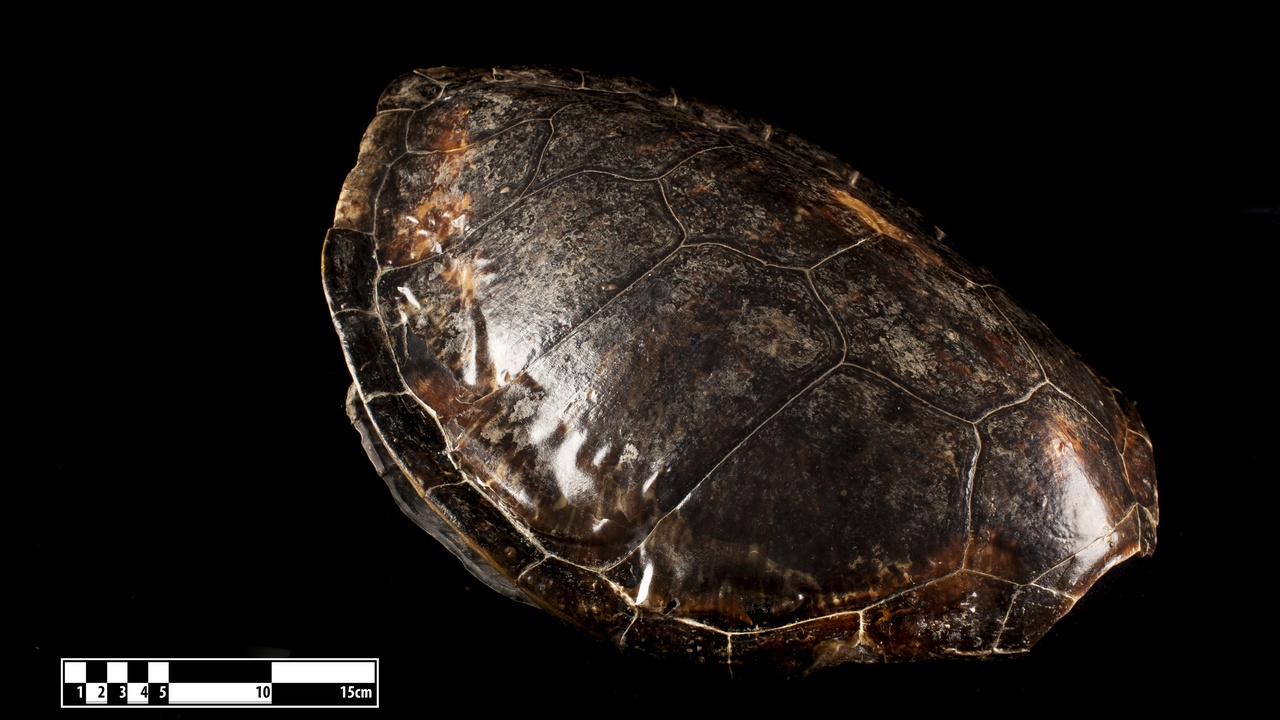
The claim that a turtle can step out of its shell is false. A turtle’s shell is part of its skeleton: the ribs and vertebrae are fused to the carapace (upper shell) and plastron (lower shell).
The shell is living tissue covered by keratin scutes, with blood supply, nerves, and the ability to grow and heal. Shell fractures are true medical emergencies; treatment follows veterinary and wildlife-rehabilitation protocols rather than amateur attempts to “fix” or remove parts.
Rehabilitators often stabilize fractures with veterinary-grade epoxy or acrylics, use antibiotics for infection risk, and provide long-term supportive care while the shell grows and remodels. Misunderstanding shell anatomy can lead well-meaning people to cause more harm than good.
2. Myth: All turtles are slow and lazy
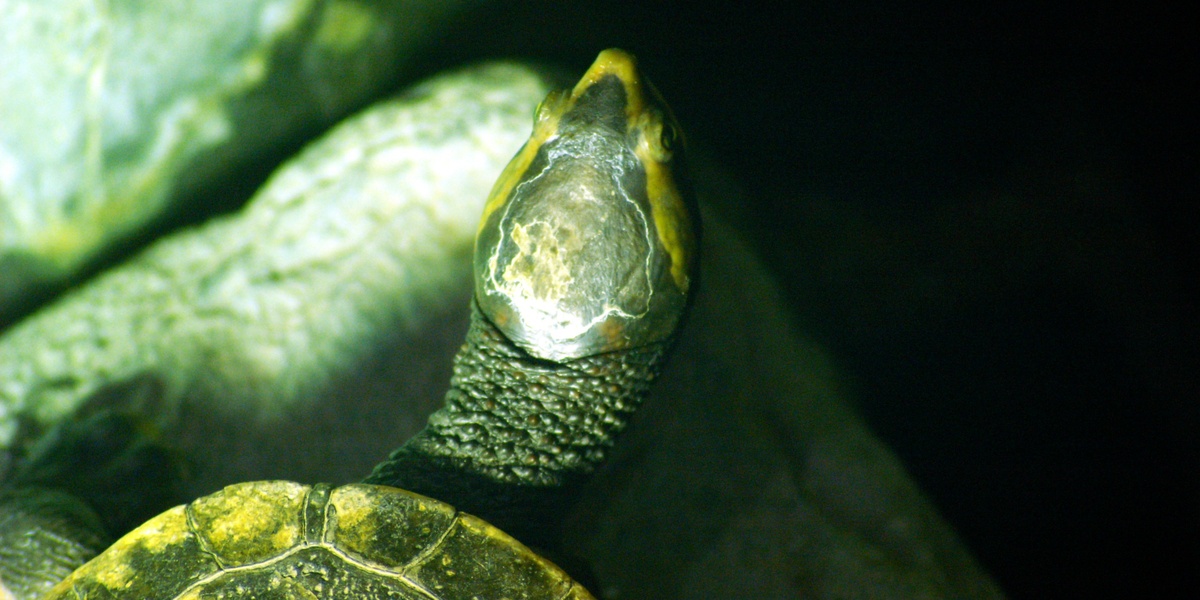
Watching a pond turtle basking in the sun doesn’t capture the full range of turtle behavior. Aquatic species can be extremely agile swimmers and long-distance travellers.
Leatherback sea turtles regularly travel more than 10,000 km a year during migrations and have been recorded diving deeper than 1,000 m. Freshwater species like musk turtles and sliders can make rapid escapes into aquatic cover, and box turtles will dart quickly under leaf litter when threatened.
That basking posture is energy-conserving and thermoregulatory, not laziness. Underestimating mobility leads to poor management of habitats and flawed assumptions about their role in food webs and predator avoidance.
3. Myth: ‘Turtle’, ‘tortoise’, and ‘terrapin’ all mean the same thing
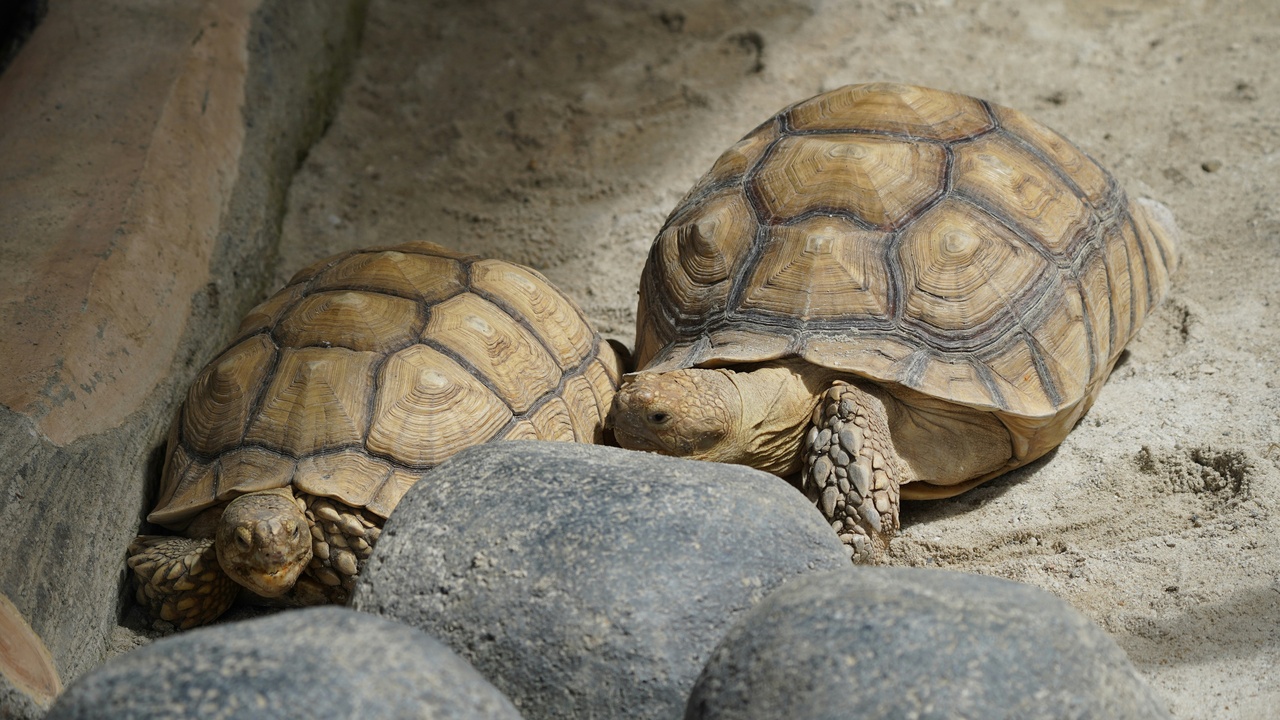
These common terms overlap but aren’t interchangeable in meaningful ways. “Tortoise” usually refers to primarily terrestrial species with columnar, elephantine legs and domed shells (for example, Galapagos tortoises like Aldabrachelys and desert tortoises in the genus Gopherus).
“Turtle” often refers to aquatic or marine species (think green sea turtle), while “terrapin” is used in some regional dialects (British English) for certain freshwater species, such as the European pond terrapin.
Those distinctions matter for husbandry, handling, and legal protections. A desert tortoise has very different dietary, space, and thermal needs than a green sea turtle, and policy designed for one will not suit the other.
Ecology and Conservation: Myths that hinder protection

These myths about turtles often reduce public urgency and misdirect conservation funding. The data show that many species face serious threats, and targeted actions can make a measurable difference.
4. Myth: Turtle populations are healthy and not at risk
That belief conflicts with global assessments. The IUCN Red List estimates that around 58% of turtle and tortoise species are threatened with extinction, and all seven species of sea turtles face conservation concerns to varying degrees.
Threats include fisheries bycatch, coastal development destroying nesting beaches, illegal trade, and pollution. For many sea turtles, hatchling-to-adult survival can be extremely low — on the order of about 1 in 1,000 for some populations.
Examples: hawksbill turtles are listed as critically endangered (IUCN), while leatherback populations are vulnerable and declining in many regions. Recognizing these realities helps focus policy and donations on high-impact interventions.
5. Myth: Turtle eggs are naturally resilient — nests can be left alone without help
People often assume nests are self-sustaining, but nests face many threats: predation by mammals and birds, beachfront development, artificial lighting that disorients hatchlings, and rising sea levels and storm surge that wash nests away.
Temperature-dependent sex determination is another concern. For many species a pivotal incubation temperature near ~29°C produces balanced sex ratios; warmer sands tend to yield more females. Unchecked temperature shifts can skew populations.
Conservation responses include protected nesting beaches and community patrols (for example, Tortuguero, Costa Rica), nest relocation protocols when nests are threatened, and reducing beachfront lighting. Active measures can substantially increase hatchling survival and long-term population viability.
Turtles and People: Myths that affect pets, trade, and culture
Interactions between people and turtles range from household pets to international trade. Misconceptions in this area have direct welfare and legal consequences.
6. Myth: Turtles make low-maintenance, short-term pets
Many turtles live decades. Red-eared sliders commonly reach 20–30 years in captivity, many tortoise species exceed 50 years, and Galapagos giant tortoises can live 100+ years (Lonesome George, the Pinta Island tortoise, famously died in 2012).
Proper care requires species-specific diets, UVB lighting, temperature gradients, ample enclosure space, and access to veterinarians experienced with reptiles. Neglect often stems from underestimating those needs.
Public-health concerns also shaped policy: a U.S. federal ban in 1975 restricted sale of turtles with shells under 4 inches to reduce Salmonella transmission to children. Prospective owners should research thoroughly and consider adopting from reputable rescues.
7. Myth: Turtle shells and parts are harmless souvenirs — ‘tortoiseshell’ is a legitimate modern product
Historically, real tortoiseshell came from hawksbill sea turtles and fueled a lucrative market for decorative items. That trade contributed to severe population declines and is now tightly regulated or banned.
Hawksbills are listed on CITES Appendix I and are considered critically endangered by the IUCN. International protections since the 1970s and national bans make modern trade in true tortoiseshell illegal in most places.
Synthetic alternatives — cellulose acetate, modern resins, and ethically produced materials — are widely available for eyewear and decorative goods. Avoiding such items helps reduce demand that could encourage illegal trade.
Summary
Correcting misunderstandings about turtle biology and behavior reduces harm and helps focus conservation where it matters. Remember that shells are living, many species are imperiled, and human choices — from beachfront lighting to what we buy — have real effects.
Whether you’re interested in beach protection, supporting global assessments, or keeping a pet, practical, evidence-based actions will do more good than repeating comforting myths.
- Recognize that a turtle’s shell is integral to its skeleton; seek professional veterinary or rehabilitator help for injuries.
- Support conservation measures — nesting-protection programs (e.g., Tortuguero) and bycatch solutions like turtle excluder devices (TEDs).
- Avoid buying tortoiseshell items and report suspicious wildlife trade; prefer synthetic alternatives and check CITES rules.
- If you want a pet, research species-specific needs, consult a reptile-experienced veterinarian, and consider adopting from reputable rescues.