Planets range from the bright points you can see with a backyard telescope to distant worlds found by space observatories; together they map a surprising diversity of sizes, compositions and orbital styles. Looking across that spread helps you understand why some worlds hold atmospheres, others are stripped bare, and which ones challenge our classification schemes.
There are 20 Examples of Planets, ranging from 55 Cancri e to Venus. The list mixes solar-system bodies and notable exoplanets, and the table gives Type,Radius (km),Orbit / distance (AU or ly) for each—details you’ll find below.
How were these 20 planets chosen?
They were selected to show a representative range of planet types and reliably measured properties: rocky and gaseous examples, short- and long-period orbits, well-studied solar-system worlds and confirmed exoplanets with published radius and distance data, drawing on mission results and astronomical catalogs.
Can I compare them by size or distance?
Yes—because Radius (km) and Orbit / distance (AU or ly) are provided, you can rank planets by physical size or orbital separation; note that exoplanet host distances may be listed in light-years while orbital separations use AU, so you may need simple conversions for direct side-by-side comparisons.
Examples of Planets
| Name | Type | Radius (km) | Orbit / distance (AU or ly) |
|---|---|---|---|
| Mercury | terrestrial | 2,440 | 0.39 |
| Venus | terrestrial | 6,052 | 0.72 |
| Earth | terrestrial | 6,371 | 1.00 |
| Mars | terrestrial | 3,390 | 1.52 |
| Jupiter | gas giant | 69,911 | 5.20 |
| Saturn | gas giant | 58,232 | 9.58 |
| Uranus | ice giant | 25,362 | 19.20 |
| Neptune | ice giant | 24,622 | 30.05 |
| Ceres | dwarf | 473 | 2.77 |
| Pluto | dwarf | 1,188 | 39.48 |
| Eris | dwarf | 1,163 | 67.78 |
| Haumea | dwarf | 816 | 43.13 |
| Makemake | dwarf | 717 | 45.79 |
| Proxima Centauri b | exoplanet | 7,008 | a=0.048 AU; Proxima Centauri (4.24 ly) |
| TRAPPIST-1e | exoplanet | 5,800 | a=0.029 AU; TRAPPIST-1 (39.6 ly) |
| TRAPPIST-1f | exoplanet | 6,690 | a=0.037 AU; TRAPPIST-1 (39.6 ly) |
| TRAPPIST-1g | exoplanet | 7,198 | a=0.045 AU; TRAPPIST-1 (39.6 ly) |
| Kepler-186f | exoplanet | 7,081 | a=0.36 AU; Kepler-186 (582 ly) |
| HD 209458 b (Osiris) | exoplanet | 96,486 | a=0.047 AU; HD 209458 (159 ly) |
| 55 Cancri e | exoplanet | 11,974 | a=0.015 AU; 55 Cancri (41 ly) |
Images and Descriptions
Mercury
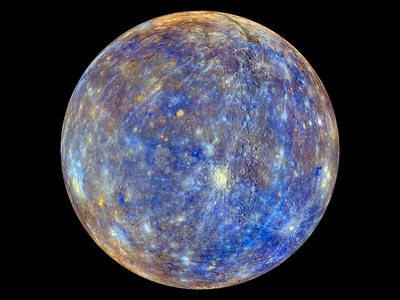
Tiny, rocky innermost planet of our Solar System, about 2,440 km radius, 0.39 AU from the Sun. Notable for extreme temperatures, a heavily cratered surface, and a large iron core that makes it unusually dense.
Venus
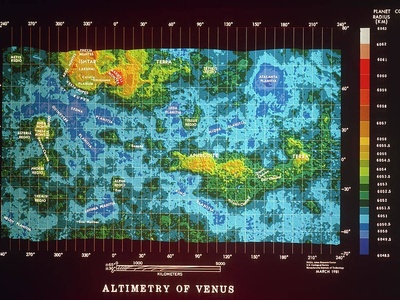
Earth-sized, thick-atmosphere world with a radius of 6,052 km at 0.72 AU. Known for runaway greenhouse heating, crushing clouds of sulfuric acid, and its bright appearance in our sky as the “morning” or “evening” star.
Earth
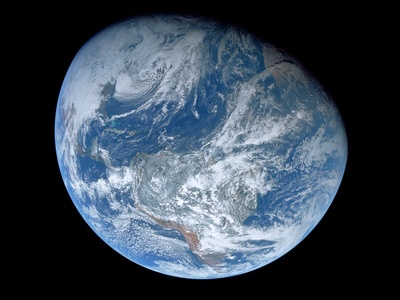
Our home planet, 6,371 km radius at 1 AU from the Sun, uniquely rich in liquid water and life. Notable for its breathable atmosphere, plate tectonics, and a single large moon that stabilizes its tilt and climate.
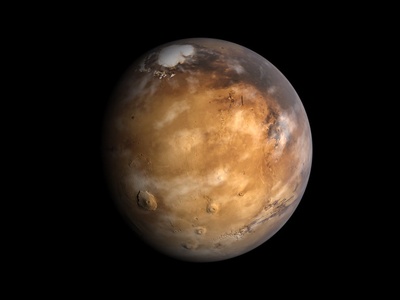
Mars
Red, rocky neighbor with a 3,390 km radius at 1.52 AU. Known for giant volcanoes, ancient river valleys, thin CO2 atmosphere, and ongoing exploration searching for signs of past water and possible past life.
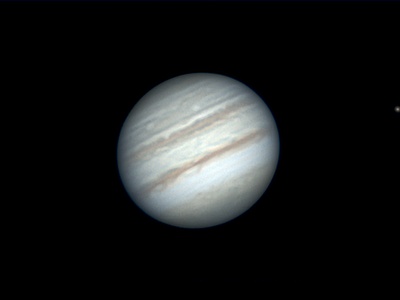
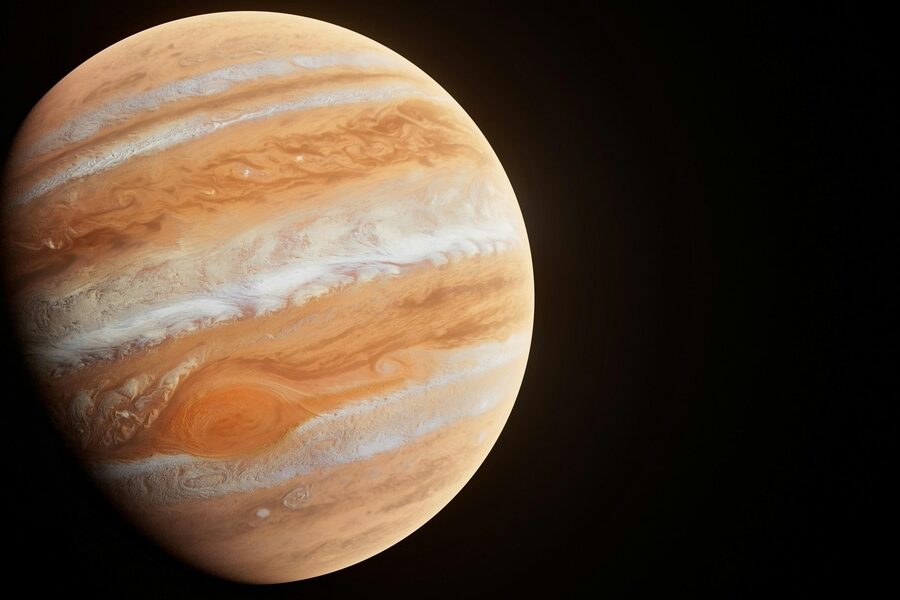
Jupiter
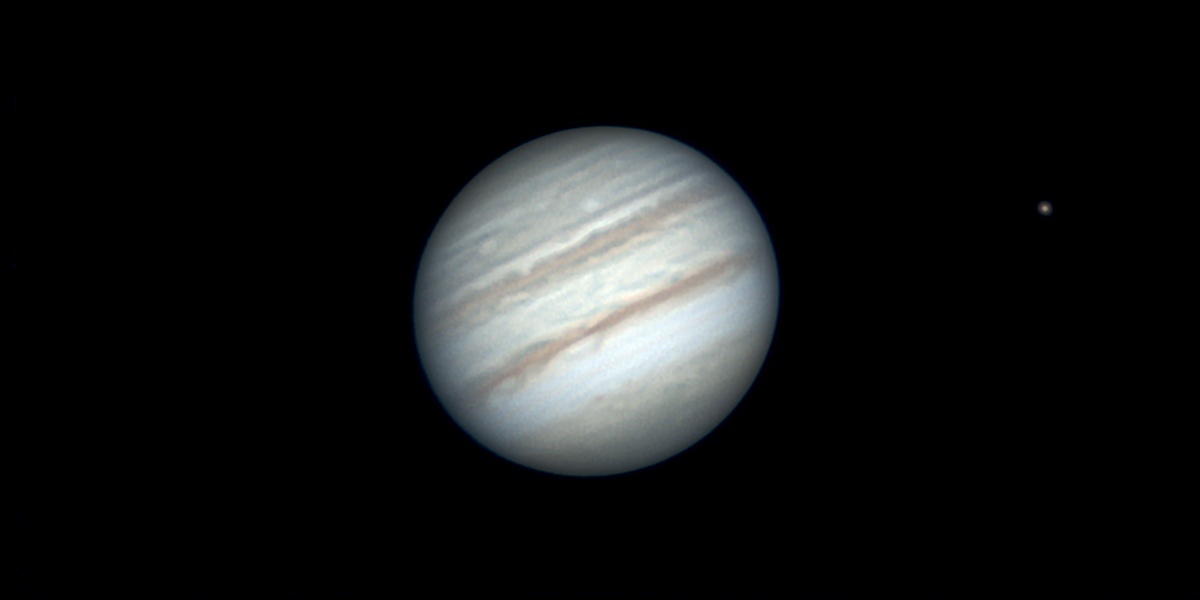
Largest planet, a gas giant with a 69,911 km radius at 5.20 AU. Famous for its Great Red Spot storm, strong magnetic field, many moons, and dominating influence on Solar System dynamics and comet trajectories.
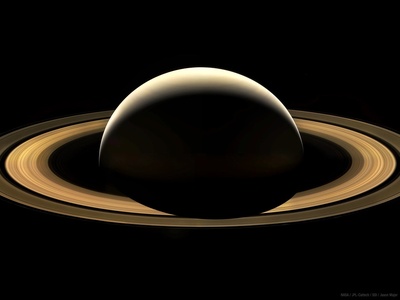
Saturn
Iconic ringed gas giant with a 58,232 km radius at 9.58 AU. Celebrated for spectacular icy rings, dozens of moons, and a low bulk density that would float in a giant cosmic bathtub.
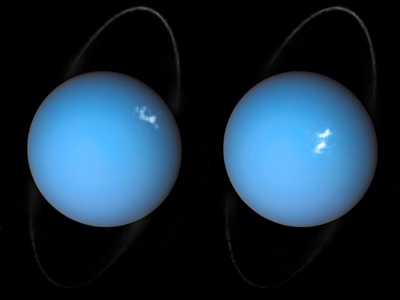
Uranus
Ice giant with a 25,362 km radius orbiting at 19.20 AU. Notable for its extreme axial tilt (rolling on its side), pale blue color from methane, and a cold, distant atmosphere rich in ices.
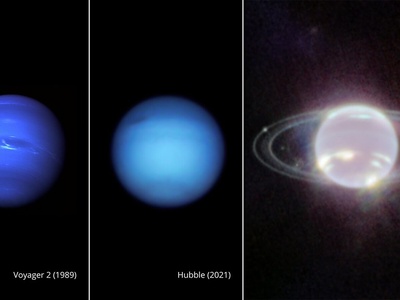
Neptune
Farthest classical planet with a 24,622 km radius at 30.05 AU. Known for strong winds, deep blue color, dynamic weather, and the discovery that it influences distant Kuiper Belt objects.
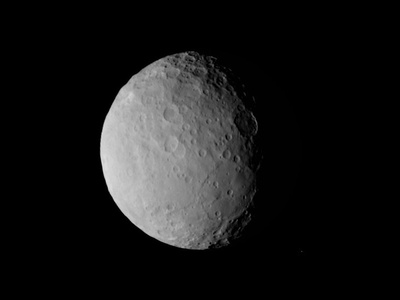
Ceres
Ceres is the largest object in the asteroid belt, a 473 km-radius dwarf planet at 2.77 AU. Notable as a water-rich world with bright surface spots and the first dwarf planet visited by a spacecraft (Dawn).
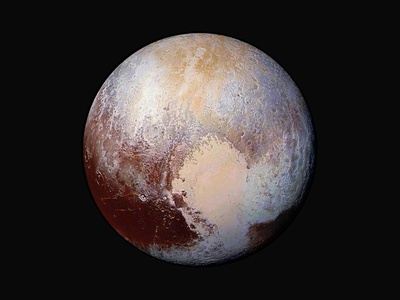
Pluto
Former ninth planet, now a 1,188 km-radius dwarf at 39.48 AU. Notable for its complex surface, thin nitrogen atmosphere, heart-shaped Tombaugh Regio, and a system of moons including Charon.

Eris
Eris is a distant, bright dwarf planet about 1,163 km radius at 67.78 AU. Its discovery helped reshape the definition of “planet”; it’s slightly more massive than Pluto and orbits far beyond Neptune.
Haumea
Elongated, fast-rotating dwarf at 43.13 AU with an approximate 816 km spherical-equivalent radius. Known for its rapid day, unusual egg-like shape, and a family of collisional fragments that share its orbit.
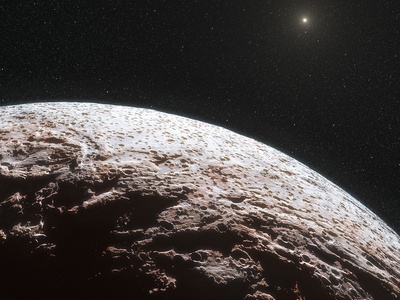
Makemake
Makemake is a distant dwarf planet about 717 km radius at 45.79 AU. Notable for its bright, methane-rich surface, tenuous atmosphere at certain seasons, and its discovery in the Kuiper Belt.
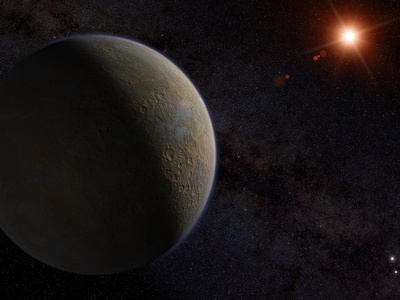
Proxima Centauri b
A roughly Earth-sized planet orbiting our nearest star at 0.048 AU. With an estimated radius near 1.1 Earth, it’s notable for being in the star’s habitable zone and just 4.24 light years away.
TRAPPIST-1e
One of several Earth-sized transiting worlds around TRAPPIST-1, about 5,800 km radius and 0.029 AU from its cool star. Notable for potential temperate conditions and being a top target for atmosphere studies.
TRAPPIST-1f
A temperate, Earth-sized planet in the TRAPPIST-1 system with a radius near 6,690 km at 0.037 AU. Its location in the system’s habitable zone makes it interesting for signs of water or atmospheres.
TRAPPIST-1g
Larger TRAPPIST-1 world with ~7,198 km radius orbiting at 0.045 AU. Notable for potentially holding volatiles or thick atmospheres, and for being part of a tightly packed, highly studied system.
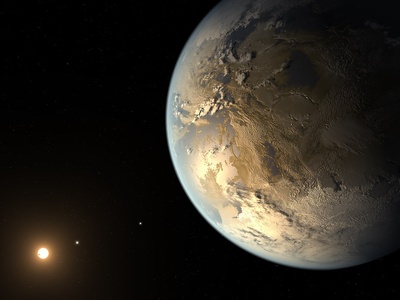
Kepler-186f
An Earth-sized exoplanet about 7,081 km radius orbiting in the habitable zone at 0.36 AU. Discovered by Kepler, it’s celebrated as one of the first potentially rocky habitable-zone planets found around another star.
HD 209458 b (Osiris)
A well-studied hot Jupiter with a radius near 96,486 km at 0.047 AU. Famous as one of the first transiting exoplanets, enabling atmospheric studies that revealed evaporating gas.
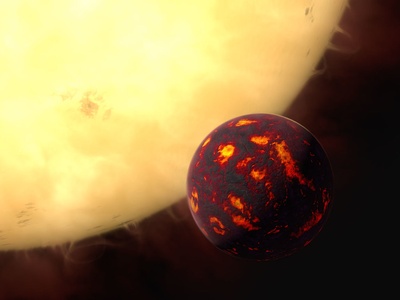
55 Cancri e
A super-Earth about 11,974 km radius orbiting very close to its star at 0.015 AU. Notable for its extreme temperatures, possible lava-covered dayside, and being bright enough for detailed characterization studies.