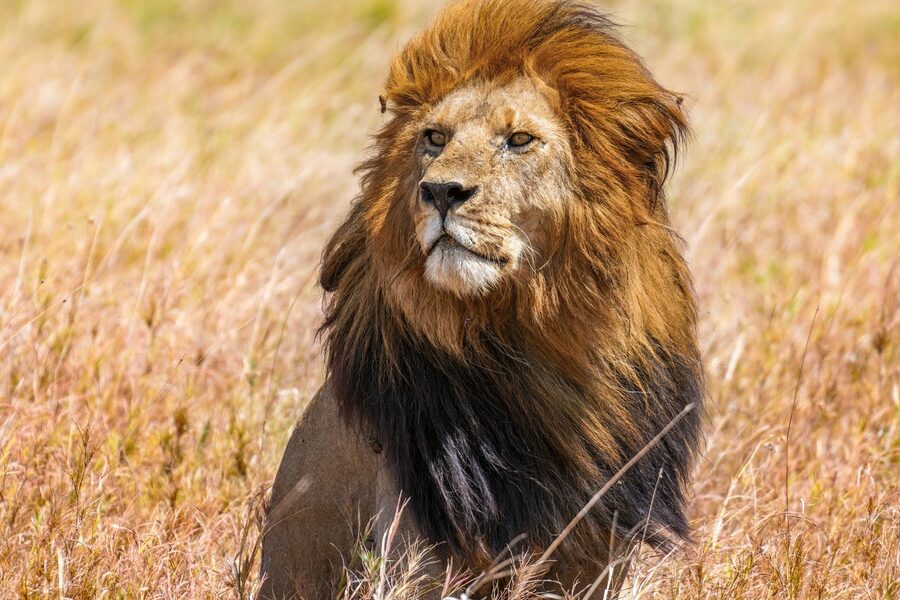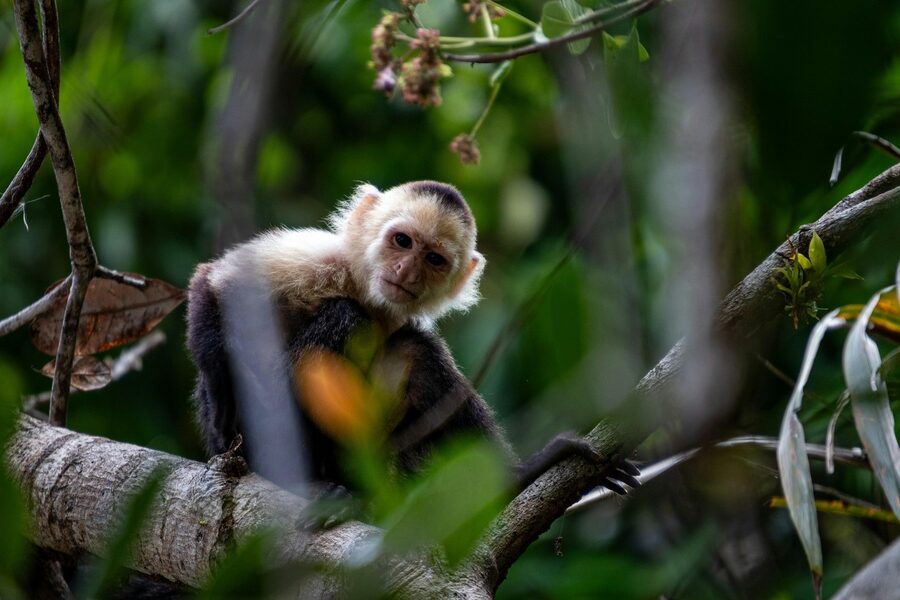
Across chilly mountains, temperate woodlands and frost‑touched grasslands, many species adopt quiet strategies to survive the lean months: retreating to burrows, slowing metabolism, or entering extended sleep. Observing these behaviors helps explain how ecosystems reboot each spring and why some animals vanish from plain sight during winter.
There are 41 Animals the Hibernate in Winter, ranging from Alpine marmot to Yellow-bellied marmot. For each species you’ll find below the data organized into columns: Scientific name, Hibernation type, Months — a quick way to compare true hibernators, facultative hibernators and short‑term torpor users before you dive into the full list you’ll find below.
How is true hibernation different from short-term torpor?
True hibernation is a prolonged state of reduced body temperature and metabolic rate lasting weeks to months, while torpor is shorter (hours to days) and often used daily for energy savings; many species use a mix depending on climate and food availability.
Can hibernating animals wake up during winter and what triggers it?
Yes — animals periodically arouse to forage, groom, change position, or maintain body systems; arousals are typically triggered by internal cycles, temperature fluctuations, or disturbances and help balance energy stores with physiological needs.
Animals the Hibernate in Winter
| Name | Scientific name | Hibernation type | Months |
|---|---|---|---|
| Groundhog | Marmota monax | True hibernation | Nov–Mar (varies with latitude) |
| Arctic ground squirrel | Urocitellus parryii | True hibernation | Sep–Apr (extreme north: longer) |
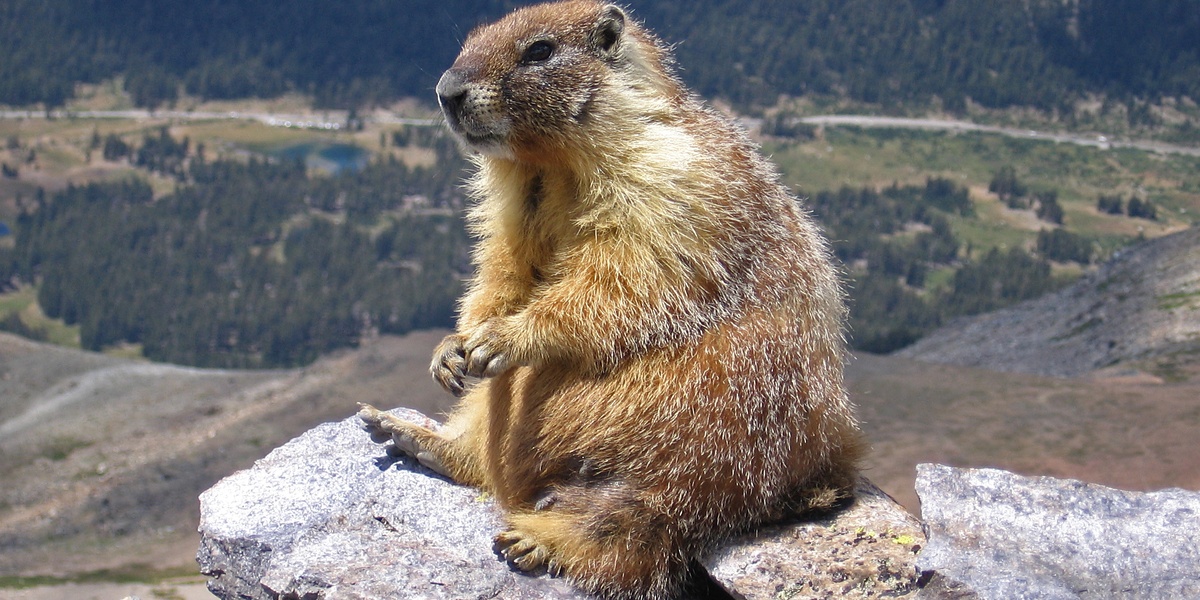
| Yellow-bellied marmot | Marmota flaviventris | True hibernation | Oct–May (depends on elevation) |
| Alpine marmot | Marmota marmota | True hibernation | Oct–Apr |
| Eastern chipmunk | Tamias striatus | True hibernation | Nov–Mar (periodic arousals) |
| Hazel dormouse | Muscardinus avellanarius | True hibernation | Oct–Apr |
| Edible dormouse | Glis glis | True hibernation | Oct–May |
| European hedgehog | Erinaceus europaeus | True hibernation | Nov–Mar (mild winters may shorten) |
| Little brown bat | Myotis lucifugus | True hibernation | Oct–Apr (hibernacula use) |
| Big brown bat | Eptesicus fuscus | True hibernation | Oct–Apr |
| Tri-colored bat | Perimyotis subflavus | True hibernation | Oct–Apr |
| Common pipistrelle | Pipistrellus pipistrellus | True hibernation | Oct–Apr |
| Brown bear | Ursus arctos | Torpor | Nov–Mar (regional variation; shallower torpor) |
| American black bear | Ursus americanus | Torpor | Nov–Mar (depends on latitude) |
| Alpine newt | Ichthyosaura alpestris | Brumation | Oct–Mar |
| Common frog | Rana temporaria | Brumation | Oct–Apr |
| Wood frog | Lithobates sylvaticus | True hibernation | Nov–Apr (freeze‑tolerant) |
| American toad | Anaxyrus americanus | Brumation | Oct–Apr |
| Common newt | Triturus vulgaris | Brumation | Oct–Mar |
| European adder | Vipera berus | Brumation | Oct–Apr (latitude dependent) |
| Garter snake | Thamnophis sirtalis | Brumation | Oct–Apr (den communally in colder areas) |
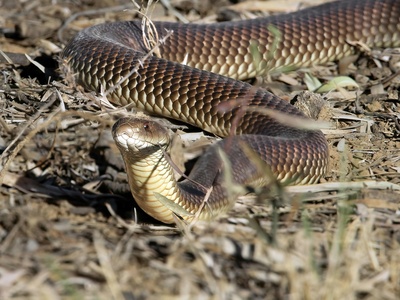
| Prairie rattlesnake | Crotalus viridis | Brumation | Oct–Apr (den in rock crevices) |
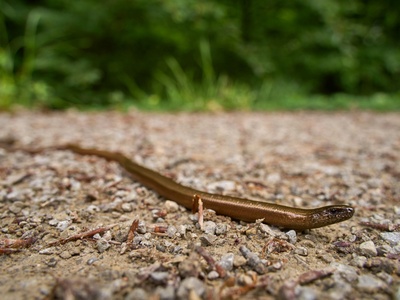
| Slow worm | Anguis fragilis | Brumation | Oct–Mar |
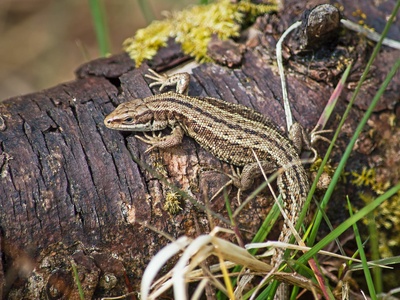
| Common lizard | Zootoca vivipara | Brumation | Oct–Mar |
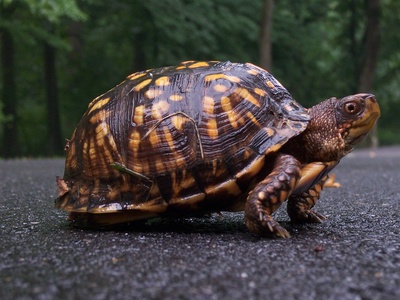
| Box turtle | Terrapene carolina | Brumation | Nov–Mar (burrowed in leaf litter or soil) |
| Painted turtle | Chrysemys picta | Brumation | Nov–Mar (underwater in mud) |
| Woodchuck | Marmota monax | True hibernation | Nov–Mar (varies regionally) |
| Siberian chipmunk | Eutamias sibiricus | True hibernation | Oct–Apr |
| California ground squirrel | Otospermophilus beecheyi | True hibernation | Nov–Mar (varies by climate) |
| Mountain pygmy‑possum | Burramys parvus | True hibernation | May–Oct (Austral winter) |
| Echidna | Tachyglossus aculeatus | True hibernation | May–Aug (Austral winter; timing varies) |
| Bombus terrestris queen | Bombus terrestris | Diapause | Nov–Mar (overwinter as mated queens) |
| Harlequin ladybird | Harmonia axyridis | Diapause | Oct–Mar (aggregates in buildings or leaf litter) |
| Gypsy moth (egg) | Lymantria dispar | Diapause | Oct–Apr (eggs overwinter on trees or structures) |
| Colorado potato beetle | Leptinotarsa decemlineata | Diapause | Oct–Apr (adults overwinter in soil) |
| Praying mantis (egg case) | Tenodera sinensis (ootheca) | Diapause | Oct–Apr (eggs overwinter in ootheca attached to vegetation) |
| Common poorwill | Phalaenoptilus nuttallii | Torpor | Nov–Mar (western North America) |
| Antarctic midge (larva) | Belgica antarctica | Diapause | Apr–Oct (Southern Hemisphere winter) |
| Common toad (Europe) | Bufo bufo | Brumation | Oct–Apr |
| Brown long‑eared bat | Plecotus auritus | True hibernation | Oct–Apr |
| Great crested newt | Triturus cristatus | Brumation | Oct–Mar |
Images and Descriptions
Groundhog
Classic North American hibernator that spends months in an insulated burrow with dramatically lowered metabolism and body temperature, waking occasionally. Timing depends on local winter severity and food stores.
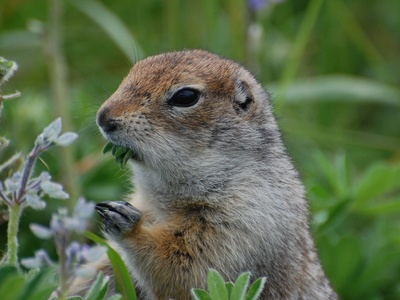
Arctic ground squirrel
One of the deepest mammal hibernators, it can supercool tissues and drop body temperature below freezing while spending many months in extended torpor in tundra burrows.
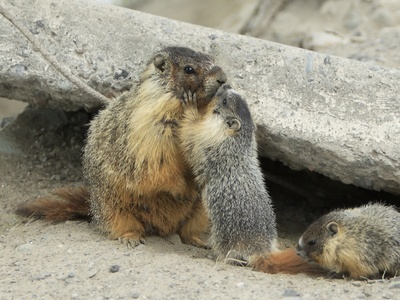
Yellow-bellied marmot
Mountain marmots enter long winter hibernation in communal burrows, lowering heart rate and body temperature for up to half the year; alpine populations hibernate longer than lowland ones.
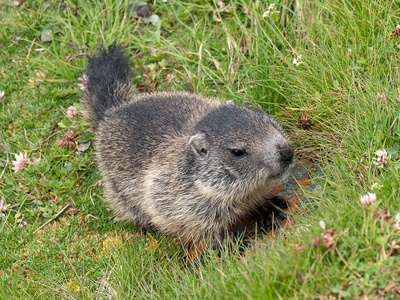
Alpine marmot
High‑altitude European species that hibernates collectively in burrows through long winters, relying on fat reserves and social insulation; emergence tracks snowmelt and alpine plant growth.
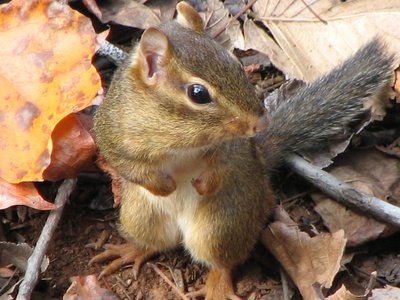
Eastern chipmunk
Small woodland rodent that undergoes prolonged hibernation but regularly arouses to eat cached food. Body temperature and metabolism drop substantially during months spent in underground nests.
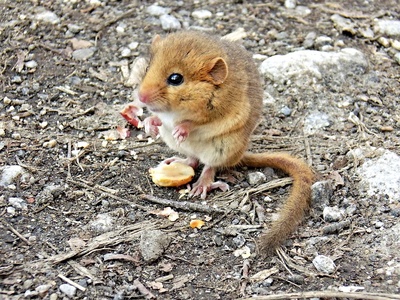
Hazel dormouse
A small European rodent that hibernates tucked in leaf nests or burrows for many months, entering deep sleep to conserve fat and avoid cold; vulnerable to habitat loss.
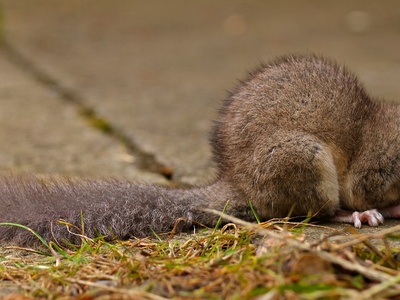
Edible dormouse
Known for very long hibernation periods in European woodlands; may hibernate up to seven months or more in tree cavities or burrows, emerging when summer food returns.
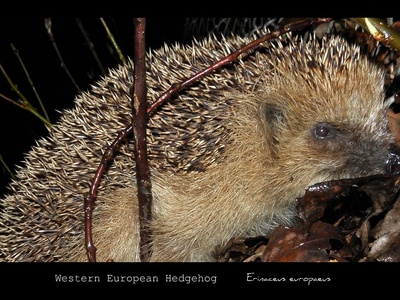
European hedgehog
Hedges down in leaf litter or compost heaps and sleep for months with slowed heart and respiration. Poor body condition can cause early arousal or failure to survive winter.
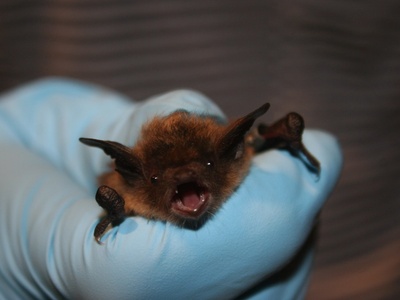
Little brown bat
Plethora of North American bats spend winter in caves, mines or buildings, lowering metabolism and body temperature for months; they periodically arouse and are sensitive to disturbance and disease.
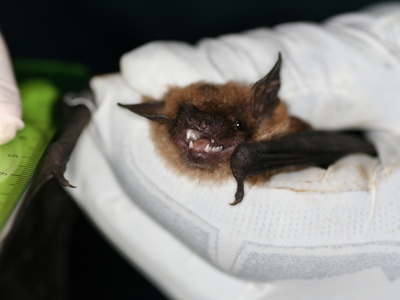
Big brown bat
Common in buildings and caves, these bats hibernate through cold months in clustered roosts with long torpor bouts, conserving fat until insect prey returns in spring.
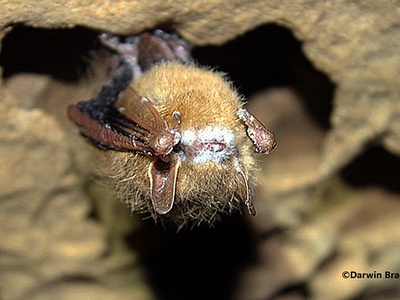
Tri-colored bat
Small insectivorous bat that hibernates in caves and mines; populations have declined in some regions due to white‑nose syndrome which disrupts long winter torpor.
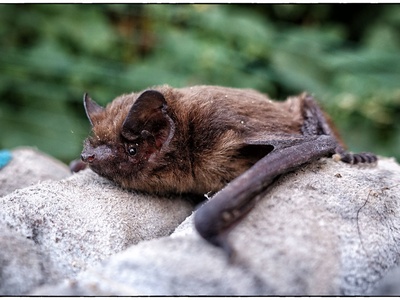
Common pipistrelle
Widespread in Europe, this small bat uses roof crevices, buildings and underground sites to overwinter in extended torpor, with periodic arousals tied to temperature and disturbances.
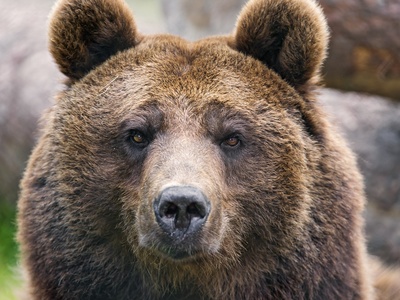
Brown bear
Large bears den for months with lowered metabolism and body temperature but retain the ability to wake, move, and reproduce; often called winter dormancy rather than true deep hibernation.
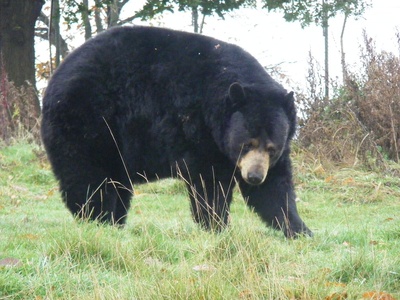
American black bear
Black bears enter prolonged denning with reduced heart rate and fasting, but maintain higher body temperatures than small hibernators and can be active during milder winters.
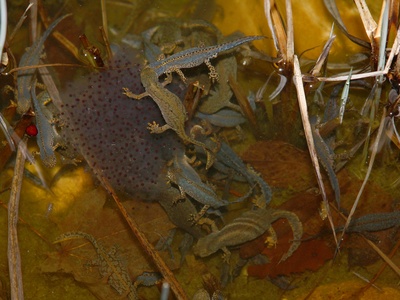
Alpine newt
This European amphibian becomes inactive in ponds or under mud during cold months, slowing metabolism and resuming activity when water temperatures rise in spring.
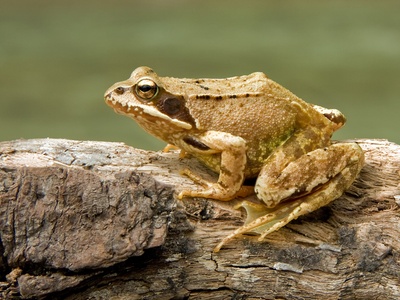
Common frog
European frogs brumate in mud, under leaf litter, or at pond bottoms; they slow breathing and metabolism but remain able to respond when temperatures moderate in spring.
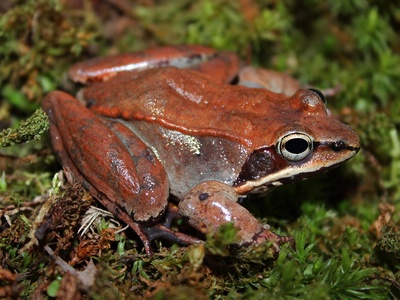
Wood frog
Remarkable North American amphibian that actually freezes solid during winter; its tissues tolerate ice formation and life resumes on thaw, a unique form of prolonged dormancy.
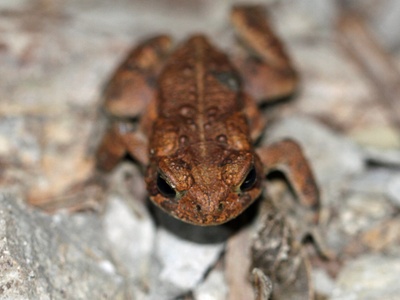
American toad
Overwinters buried below frost line or in leaf litter, reducing metabolic rate for months. Toads use soil or debris as insulation and become active with warming in spring.
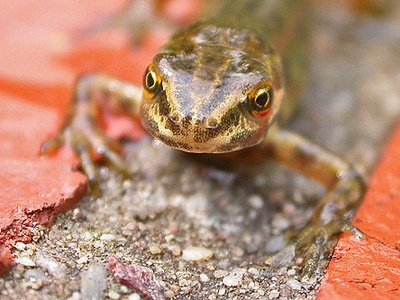
Common newt
European newts leave ponds to overwinter under logs or in soil, entering slow metabolic states for months and returning to water to breed in spring.
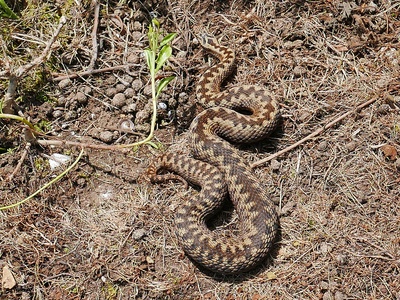
European adder
This viper uses communal hibernacula (rock crevices or mammal burrows) to brumate through cold months, emerging in spring to bask and forage.
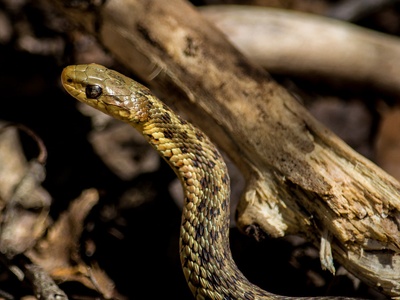
Garter snake
North American garter snakes gather in large dens to brumate, reducing metabolism and often emerging en masse when temperatures rise, a striking spring event.
Prairie rattlesnake
Rattlesnakes overwinter in communal dens, lowering activity and metabolism for months, and rely on warm spring days to become active and hunt.
Slow worm
A legless lizard in Europe that brumates under rocks or in compost heaps, significantly slowing physiology through winter and resuming feeding in spring.
Common lizard
Widespread in cooler European habitats, it brumates communally in burrows or vegetation, surviving long cold periods by reducing metabolic activity.
Box turtle
North American box turtles dig shallow burrows or hide in leaf litter to brumate, depressing metabolism and heart rate but remaining capable of brief activity on warm days.
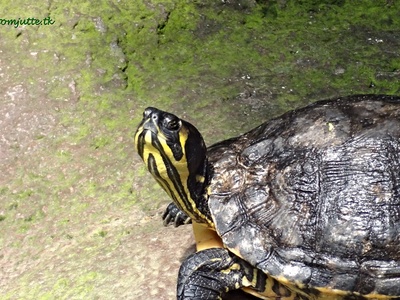
Painted turtle
These turtles overwinter submerged in pond mud with very low metabolic rates, absorbing oxygen through skin and surviving months without feeding.
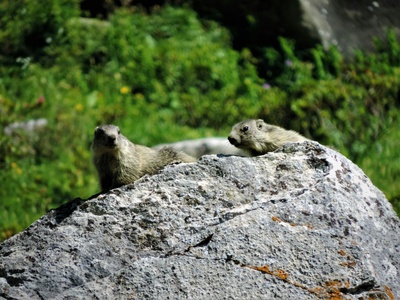
Woodchuck
Also called the groundhog, it hibernates in burrows for months, showing classic drops in body temperature and metabolism; emergence is famously linked to folklore about spring timing.
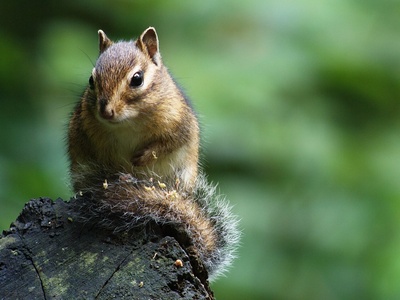
Siberian chipmunk
This Asian chipmunk hibernates in burrows for the cold months, reducing body temperature and relying on stored food to survive periodic arousals.
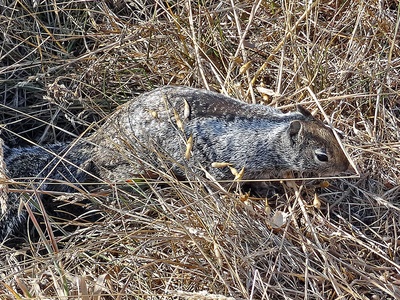
California ground squirrel
In colder parts of its range it hibernates in burrows; in milder coastal areas squirrels may remain active or use shorter torpor bouts.
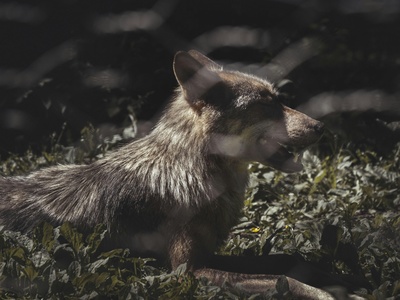
Mountain pygmy‑possum
Endangered Australian marsupial that hibernates for many months under snow, relying on fat reserves and cached food; timing corresponds to Southern Hemisphere winter.
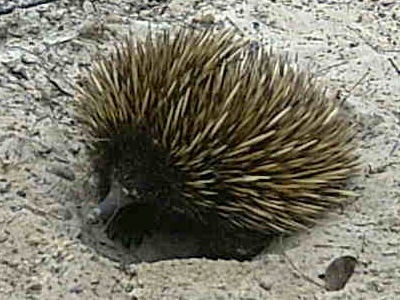
Echidna
In cooler Australian habitats echidnas enter extended hibernation/torpor in burrows, slowing metabolism for weeks to months during the Southern Hemisphere winter.
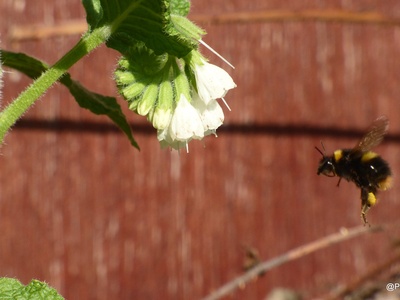
Bombus terrestris queen
Bumblebee queens undergo diapause in soil or sheltered spots after mating, surviving winter dormancy alone before emerging in spring to start new colonies.
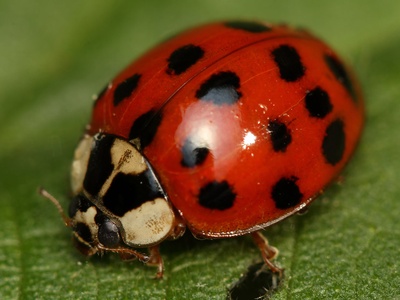
Harlequin ladybird
These ladybirds gather in large groups and enter reproductive diapause, surviving winter in sheltered sites with greatly reduced activity until spring.
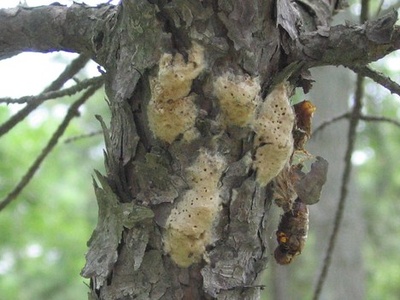
Gypsy moth (egg)
Gypsy moth eggs remain dormant through winter as a protective stage, hatching in spring when temperatures rise and food becomes available.
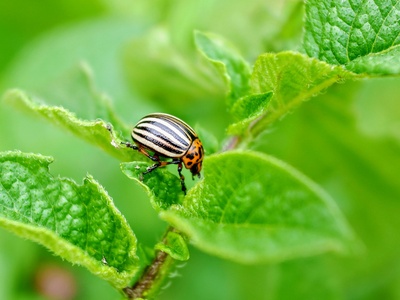
Colorado potato beetle
Adults burrow into soil and enter diapause to survive cold months, resuming feeding and reproduction when temperatures allow in spring.
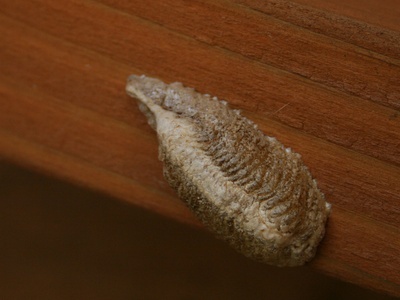
Praying mantis (egg case)
Mantid eggs in their protective ootheca remain dormant through winter, hatching when warmer conditions return in spring or early summer.
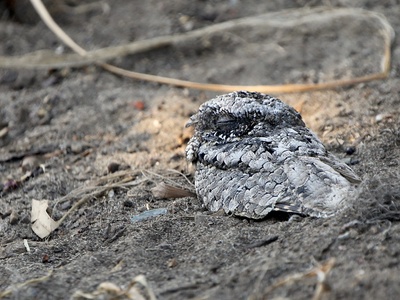
Common poorwill
A rare example of an avian species that can enter long, multi‑week torpor states during cold spells and sometimes undergoes extended dormancy that resembles hibernation.

Antarctic midge (larva)
The world’s southernmost insect larva survives Antarctic winter by entering prolonged diapause and tolerating freezing, relying on physiological antifreeze and slow metabolism.
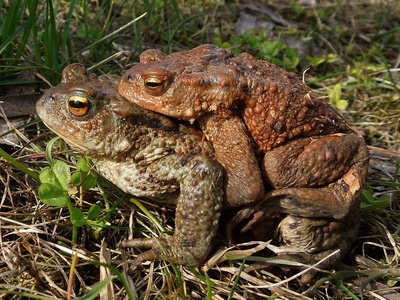
Common toad (Europe)
European toads brumate underground or in compost, slowing metabolism for months. They emerge in spring to breed, timing arrival with pond thawing and temperature increases.
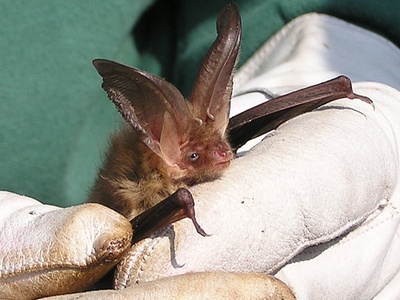
Brown long‑eared bat
European bat that hibernates in buildings and caves, often roosting singly or in small groups and vulnerable to disturbance during long winter torpor.
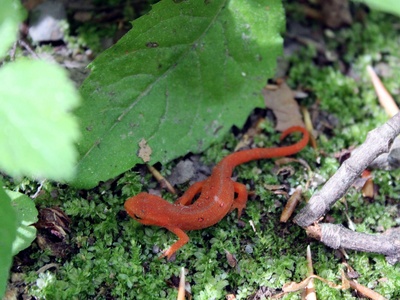
Great crested newt
Spends winter in terrestrial refuges or mud, reducing activity and metabolic rate for months, then returns to breeding ponds in spring for reproduction.