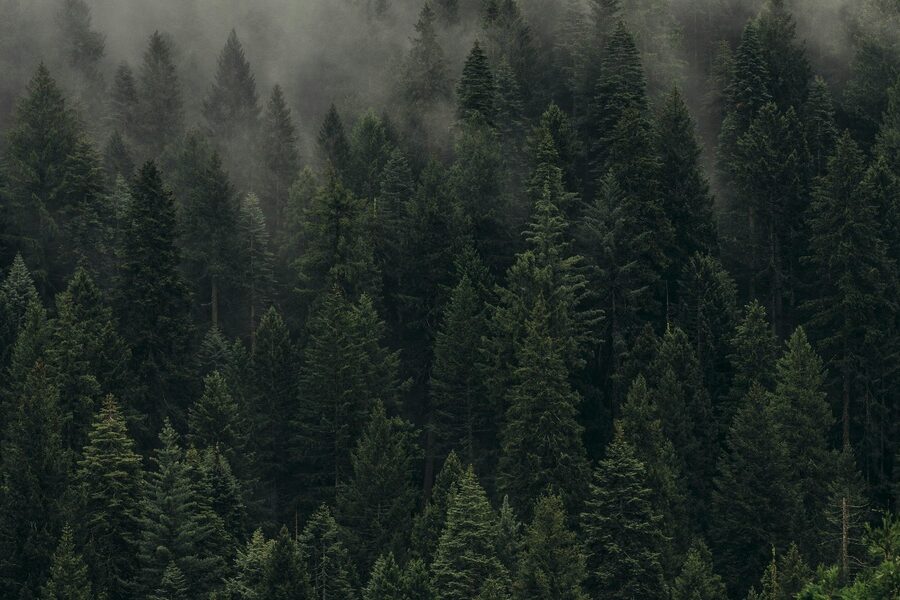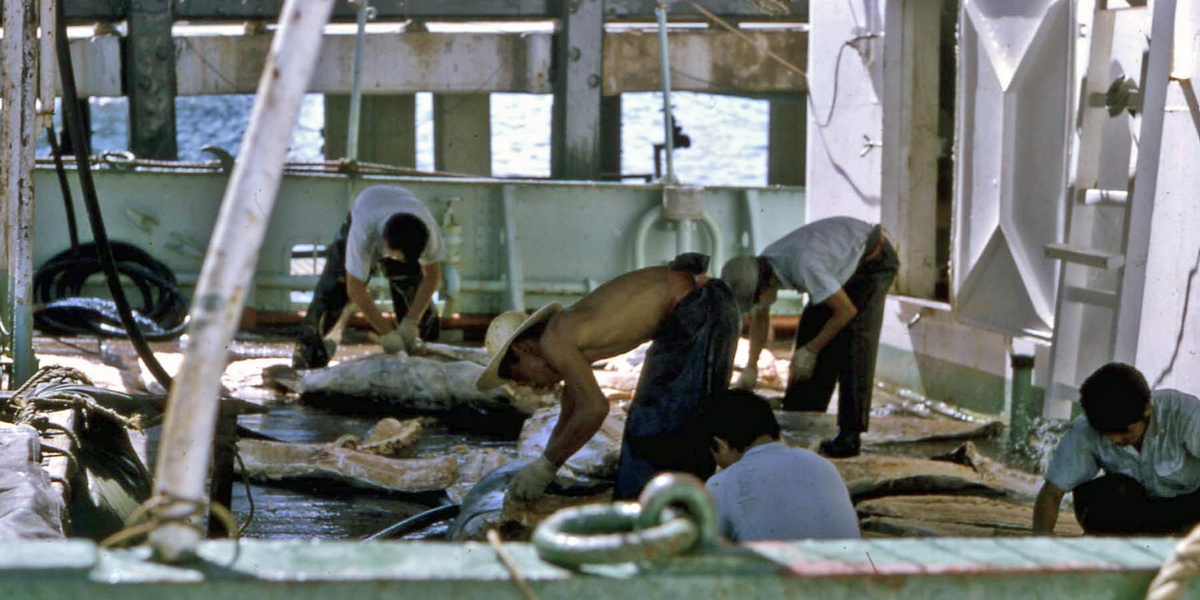
The Solomon Islands sit in the heart of the South Pacific, where island geography and tropical seas shape a resource-rich economy. From mineral deposits on rugged islands to abundant fisheries in surrounding waters, local livelihoods and export patterns reflect this varied natural base.
There are 19 Natural Resources of the Solomon Islands, ranging from Alluvial and hard-rock gold to Tuna (skipjack, yellowfin). Each entry is organized for clarity with the columns Category,Primary location(s),Typical annual production or reserves (units), so you’ll find below a concise, sortable view of what the country produces and where you’ll find it.
Which resources contribute most to the Solomon Islands’ exports and local employment?
Timber, fisheries (notably tuna and reef species), and minerals like gold have historically driven exports and jobs; timber and tuna support many coastal communities while mining provides higher-value, but often less widely distributed, employment and government revenue.
What environmental or management issues should readers be aware of regarding these resources?
Key concerns include deforestation from logging, overfishing and declining reef health, and mining-related land disturbance and water impacts; sustainable management, stronger regulation, and community engagement are critical to balance economic benefit with long-term resource health.
Natural Resources of the Solomon Islands
| Resource | Category | Primary location(s) | Typical annual production or reserves (units) |
|---|---|---|---|
| Round logs (timber) | Forestry | Guadalcanal, Isabel, Malaita, Western Province | 300,000 m3 (2020, estimate) |
| Sawn timber | Forestry | Honiara vicinity, provincial sawmills (nationwide) | 60,000 m3 (2020, estimate) |
| Tuna (skipjack, yellowfin) | Fisheries | National EEZ (central & western waters) | 70,000 t (2020, estimated national + foreign fleet catch) |
| Artisanal reef fish | Fisheries | Nearshore reefs around main islands | 25,000 t (2018, artisanal catch estimate) |
| Beche-de-mer (sea cucumber) | Fisheries | Lagoon and reef flats, Western & Malaita Provinces | 200 t (2019, dried exports) |
| Trochus shell | Fisheries | Reef slopes, Choiseul, Isabel, Western Province | 10 t (2019, dried shells) |
| Coral reef habitat | Marine | Fringing and barrier reefs around main islands | ~20,000 km2 reef area (EEZ estimate) |
| Mangrove forests | Marine | Coastal zones, large stands in Western & Isabel Provinces | 1,700 km2 (2010 est. mangrove area) |
| Exclusive Economic Zone (EEZ) area | Marine | National waters around all islands | 1,340,000 km2 (official EEZ area) |
| Copra (dried coconut) | Agriculture | Guadalcanal, Malaita, Makira-Ulawa | 40,000 t (2019, copra production) |
| Coconut oil | Agriculture | Village processors nationwide | 12,000 t (2019, crude coconut oil) |
| Cocoa | Agriculture | Guadalcanal, Makira, Isabel, Choiseul | 8,000 t (2019, green bean production) |
| Oil palm (palm oil) | Agriculture | Choiseul, Western Province, Isabel | 15,000 t (2019, crude palm oil estimate) |
| Alluvial and hard-rock gold | Mineral | Guadalcanal (Gold Ridge), Malaita, other river systems | 2,000 kg (2020, artisanal + small-scale estimate) |
| Nickel laterite | Mineral | Isabel Province, Choiseul (identified deposits) | 10,000,000 t ore (resource estimate) |
| Limestone (cement/aggregate) | Mineral | Guadalcanal, Malaita, Makira | Proven reserves ~10,000,000 t; quarrying 150,000 t/year (2020 est.) |
| Sand and gravel | Mineral | Coastal dredging near Honiara, provincial centers | 100,000 m3 (2020 estimate) |
| Freshwater resources (rivers & groundwater) | Other | Major rivers (Guadalcanal, Malaita), island aquifers | Renewable supply (national) — large but island-limited (estimate) |
| Hydropower potential | Energy | Guadalcanal highlands, Isabel, Choiseul | ~200 MW technical potential (~700 GWh/yr) (estimate) |
Images and Descriptions
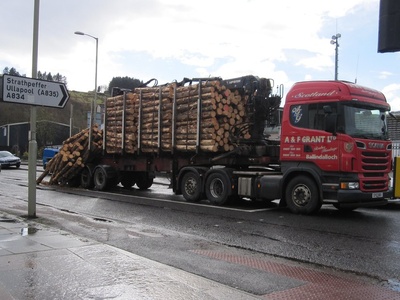
Round logs (timber)
Large-diameter tropical round logs harvested for export and domestic use. Concentrated on major islands’ lowland forests; historically a major export earner. Status: commercial logging continues with sustainability concerns and regulatory reform efforts.
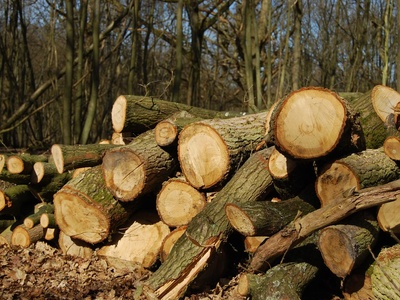
Sawn timber
Processed hardwood and softwood sawn locally for building and domestic markets. Sourced from national logging operations and smallholders. Status: ongoing supply but constrained by log volumes and forest management issues.
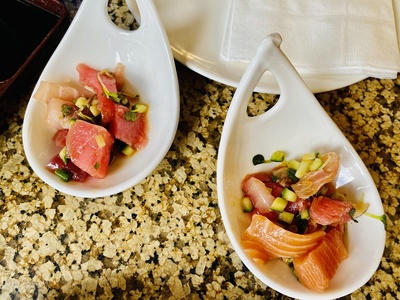
Tuna (skipjack, yellowfin)
Key commercial fishery (purse-seine and longline) in Solomon Islands’ vast EEZ. Major export commodity and foreign-licensed fleets operate widely. Status: economically vital, subject to regional management and fishery sustainability measures.
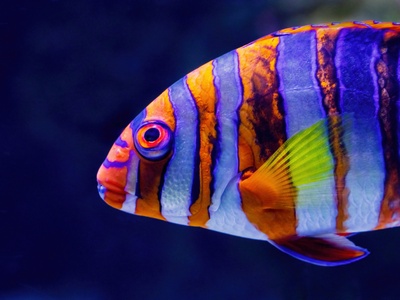
Artisanal reef fish
Subsistence and small-scale commercial reef fishing supplies local markets and tourism. Found across lagoon and fringing reefs; vital for food security. Status: localized overfishing and reef degradation in some areas.
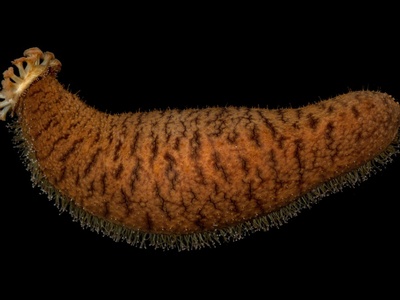
Beche-de-mer (sea cucumber)
High-value dried sea cucumber harvested from shallow reefs for Asian markets. Collected mainly by coastal communities. Status: many stocks depleted in places; strict management and seasonal closures used.
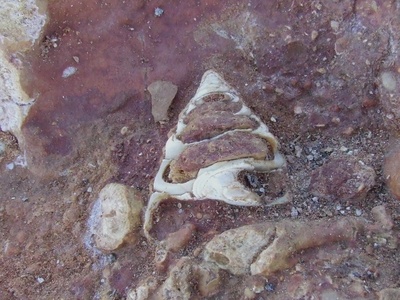
Trochus shell
Harvested gastropod shells used for buttons and crafts. Found on reef slopes and collected by coastal fishers. Status: localized stock recovery programs; pressures from overharvest in some areas.
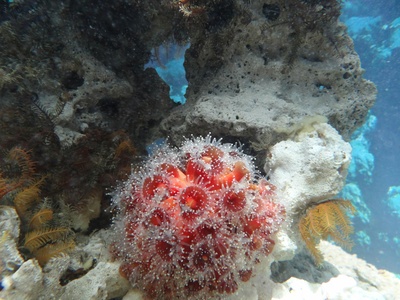
Coral reef habitat
Extensive coral reef systems provide fisheries, coastal protection and tourism opportunities. Distributed around most islands and atolls. Status: generally healthy but threatened by bleaching, crown-of-thorns outbreaks and local impacts.
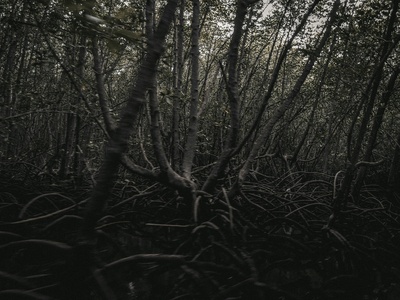
Mangrove forests
Mangrove ecosystems supply timber, nursery habitat for fish, carbon storage and shoreline protection. Widespread along sheltered coasts and river mouths. Status: many stands intact but facing clearing and conversion pressures.

Exclusive Economic Zone (EEZ) area
Vast marine jurisdiction providing fisheries, seabed resources and conservation areas. Basis for national licensing and economic activity. Status: strategic economic asset managed through regional agreements.
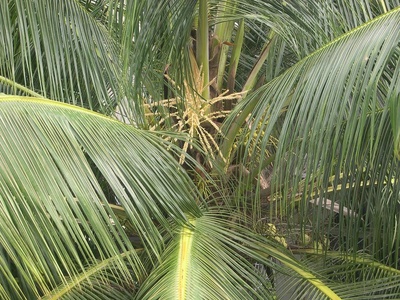
Copra (dried coconut)
Primary agricultural export from smallholder coconuts; processed into copra and coconut oil. Widespread plantation and village-level production. Status: steady smallholder industry, challenged by market prices and processing capacity.
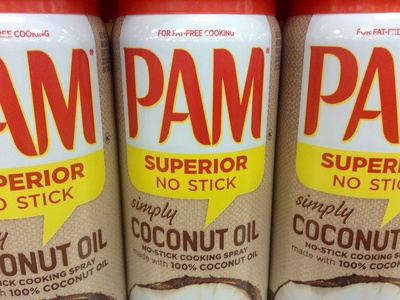
Coconut oil
Refined or crude oil from copra used domestically and exported. Income source for rural households. Status: growing interest in value-added production; supply tied to copra yields and market demand.
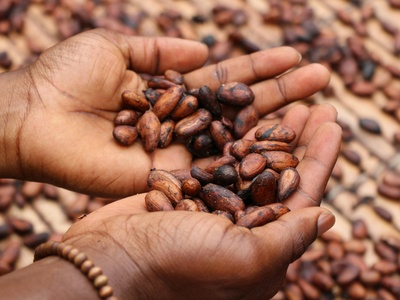
Cocoa
Smallholder cocoa cultivation for export-quality beans; supports rural livelihoods. Most production is artisanal and regionally concentrated. Status: susceptible to pests and pricing volatility; some revitalization programs active.
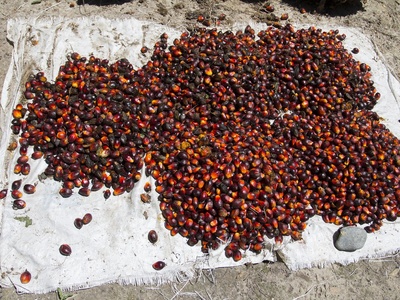
Oil palm (palm oil)
Commercial and smallholder oil-palm plantations producing crude palm oil for domestic use and export. Status: expanding but controversial due to land-use change and environmental impacts.
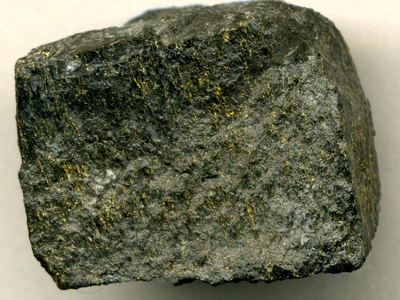
Alluvial and hard-rock gold
Gold occurs in alluvial deposits and the Gold Ridge hard-rock deposit; source of mining revenue and artisanal livelihoods. Status: mixed—commercial projects intermittent, artisanal mining widespread with environmental concerns.
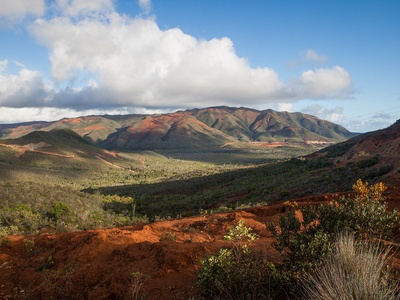
Nickel laterite
Nickel laterite deposits occur on some islands and have attracted exploration interest. Potential for laterite mining and processing. Status: largely underexplored; development constrained by infrastructure and environmental considerations.
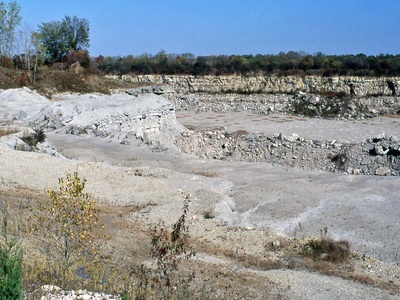
Limestone (cement/aggregate)
Limestone quarried for construction aggregate and cement raw material. Important for local building supply. Status: actively quarried; extraction regulated at local level though environmental impacts occur.

Sand and gravel
Coastal and riverine sand used for construction and reclamation. Easily accessible near urban centers. Status: local shortages and concerns about shoreline erosion from extraction in some areas.
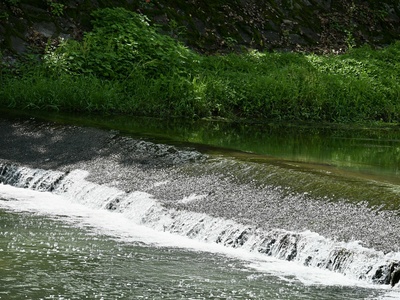
Freshwater resources (rivers & groundwater)
Surface rivers and groundwater provide drinking water, irrigation and small hydropower potential. Availability varies by island and season. Status: generally abundant in high-rainfall areas; vulnerable to contamination and seasonal shortages.
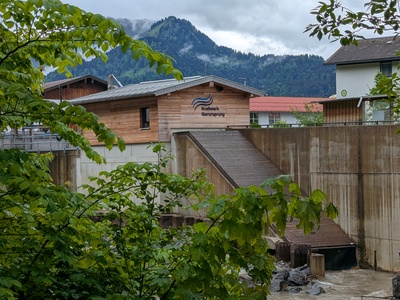
Hydropower potential
Many steep island rivers offer small-to-medium hydropower opportunities for rural electrification. Status: limited development to date; potential for sustainable renewable energy projects with environmental safeguards.