When you’re scanning nutrition labels at the grocery store or deciding what to cook tonight, knowing which foods are higher in saturated fat makes meal planning clearer and quicker. Understanding common sources helps you balance flavor, convenience, and health without guesswork.
There are 20 Examples of Saturated Fats, ranging from Bacon to Whole milk. The list shows typical servings and the main fatty acids for each entry, with data organized as Saturated fat (g per serving),Serving size,Main saturated fatty acids — you’ll find below.
How should I use the table to pick lower-saturated-fat options?
Look at the “Saturated fat (g per serving)” column first, then check “Serving size” to make sure portions are comparable; smaller portions can make a high-fat food appear better on paper. Use the “Main saturated fatty acids” column to spot items dominated by longer-chain fats, which behave differently metabolically, and favor leaner cuts, lower-fat dairy, or plant-based substitutions when you want to reduce intake.
Do different saturated fats affect health the same way?
Not exactly—individual saturated fatty acids (listed under “Main saturated fatty acids”) have varying effects on cholesterol and inflammation, and whole-food context matters: processed meats and full‑fat dairy carry different risks than coconut or chocolate in moderate amounts. Focus on overall dietary patterns (more vegetables, whole grains, and unsaturated fats) rather than eliminating single foods.
Examples of Saturated Fats
| Food | Saturated fat (g per serving) | Serving size | Main saturated fatty acids |
|---|---|---|---|
| Butter | 7.17 | 1 tbsp (14 g) | Palmitic C16:0; Myristic C14:0; Stearic C18:0; Lauric C12:0 |
| Ghee | 8.00 | 1 tbsp (14 g) | Palmitic C16:0; Myristic C14:0; Stearic C18:0; Lauric C12:0 |
| Coconut oil | 12.00 | 1 tbsp (14 g) | Lauric C12:0; Myristic C14:0; Capric C10:0; Caprylic C8:0; Palmitic C16:0 |
| Palm oil | 7.00 | 1 tbsp (14 g) | Palmitic C16:0; Stearic C18:0; Myristic C14:0 |
| Palm kernel oil | 11.00 | 1 tbsp (14 g) | Lauric C12:0; Myristic C14:0; Capric C10:0; Palmitic C16:0 |
| Lard | 5.00 | 1 tbsp (12.8 g) | Palmitic C16:0; Stearic C18:0; Myristic C14:0 |
| Beef tallow | 5.20 | 1 tbsp (12.8 g) | Palmitic C16:0; Stearic C18:0; Myristic C14:0 |
| Duck fat | 4.50 | 1 tbsp (12.8 g) | Palmitic C16:0; Stearic C18:0; Myristic C14:0 |
| Cheddar cheese | 6.00 | 1 oz (28 g) | Palmitic C16:0; Myristic C14:0; Stearic C18:0 |
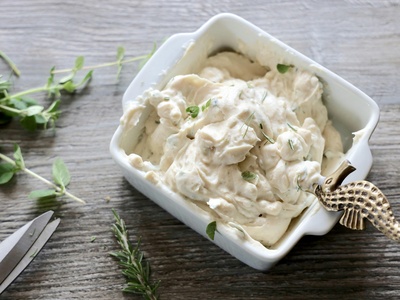
| Cream cheese | 5.60 | 1 oz (28 g) | Palmitic C16:0; Myristic C14:0; Stearic C18:0 |
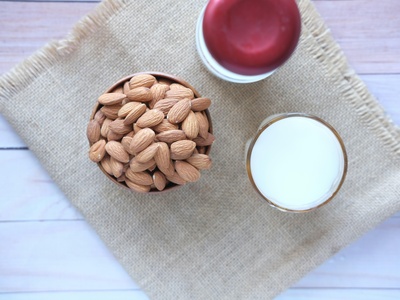
| Whole milk | 4.60 | 1 cup (244 g) | Palmitic C16:0; Myristic C14:0; Stearic C18:0; Butyric C4:0 |
| Heavy cream | 3.50 | 1 tbsp (15 g) | Palmitic C16:0; Myristic C14:0; Stearic C18:0; Butyric C4:0 |
| Ice cream | 4.50 | 1/2 cup (66 g) | Palmitic C16:0; Myristic C14:0; Stearic C18:0; Butyric C4:0 |
| Bacon | 3.30 | 2 slices (16 g) | Palmitic C16:0; Stearic C18:0; Myristic C14:0 |
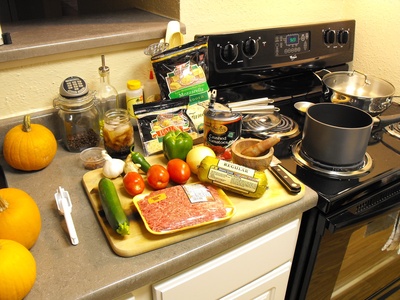
| Ground beef (80/20) | 9.00 | 3 oz cooked (85 g) | Palmitic C16:0; Stearic C18:0; Myristic C14:0 |
| Pork sausage | 6.00 | 1 link (57 g) | Palmitic C16:0; Stearic C18:0; Myristic C14:0 |
| Chicken thigh with skin | 4.00 | 1 thigh cooked (~100 g) | Palmitic C16:0; Stearic C18:0; Myristic C14:0 |
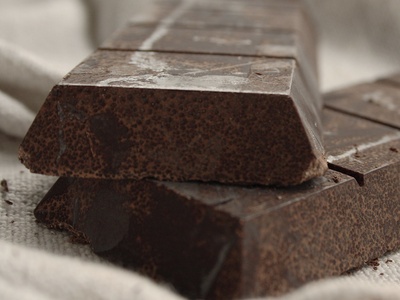
| Dark chocolate (70% cacao) | 6.00 | 1 oz (28 g) | Stearic C18:0; Palmitic C16:0; Myristic C14:0 |
| Canned coconut milk | 21.00 | 100 g | Lauric C12:0; Myristic C14:0; Palmitic C16:0; Capric C10:0 |
| Egg (whole large) | 1.56 | 1 large (50 g) | Palmitic C16:0; Stearic C18:0; Myristic C14:0 |
Images and Descriptions
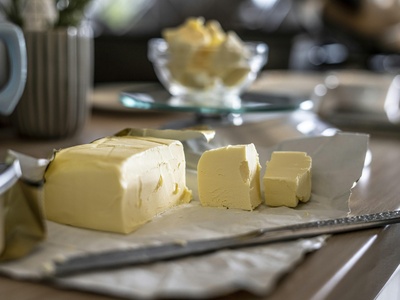
Butter
Common table spread and cooking fat made from cream; notable for concentrated saturated fat per tablespoon. Often used in baking and frying; moderation advised as high saturated intake can raise LDL cholesterol and affect heart health.
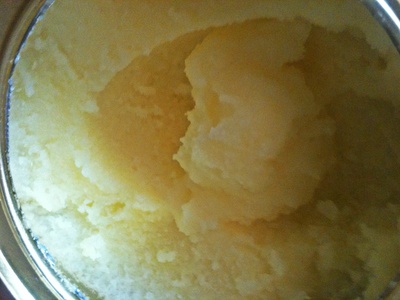
Ghee
Clarified butter used in Indian and South Asian cooking; richer in saturated fat than regular butter. Lactose-free but calorie-dense; consume sparingly if managing cholesterol or cardiovascular risk.
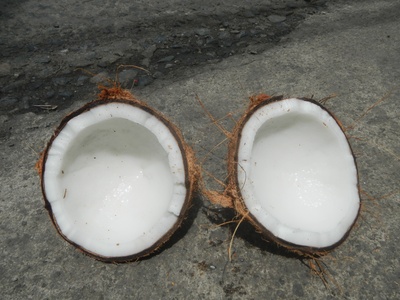
Coconut oil
Popular plant oil for baking and frying with very high medium-chain saturated fats, especially lauric acid. Trendy for keto diets but can raise LDL cholesterol, so use in moderation.

Palm oil
Widely used in processed foods and commercial frying; fairly high in palmitic saturated fat. Sustainable sourcing concerns aside, it contributes significant saturated fat to packaged foods.

Palm kernel oil
Derived from the palm seed, common in confectionery and non-dairy creams. Higher in shorter saturated chains (lauric), making it very saturated compared with palm oil.

Lard
Rendered pork fat used in traditional cooking and baking; offers moderate saturated fat and flavorful cooking fat. Less saturated than tropical oils but still relevant for heart-health conscious diets.

Beef tallow
Rendered beef fat used for frying and roasting historically and in some high-heat cooking. Rich in palmitic and stearic acids; often used sparingly due to saturated fat content.
Duck fat
Used in gourmet cooking for roasting and sautéing, prized for flavor and crisping. Contains notable saturated fat but also monounsaturated fats; enjoy occasionally if watching cholesterol.
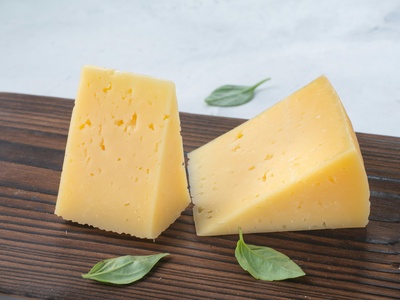
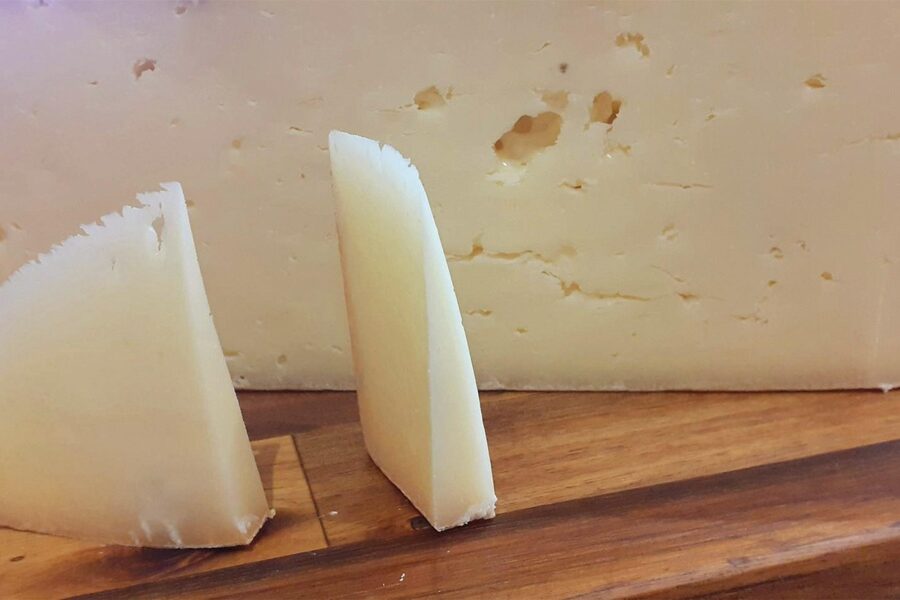
Cheddar cheese
Common hard cheese served on sandwiches and snacks; concentrated dairy source of saturated fat per ounce. Provides protein and calcium but can raise LDL when eaten in excess.
Cream cheese
Soft spread used on bagels and in desserts; notable for creamy texture and moderate saturated fat content. Best used in moderation as part of balanced diet for heart health.
Whole milk
Everyday beverage and ingredient in cooking; whole milk contains measurable saturated fat and short-chain fatty acids like butyric acid. Lower-fat options reduce saturated intake for heart-conscious diets.

Heavy cream
Used in sauces, desserts, and coffee; dense dairy fat with notable saturated content per tablespoon. Adds richness but increases saturated fat quickly in recipes.

Ice cream
Popular frozen dessert made from cream and sugar; significant saturated fat per serving. Tasty treat—consume in moderation if limiting saturated fat for heart health goals.

Bacon
Cured pork slices commonly eaten at breakfast and in sandwiches; provides both saturated fat and sodium. Flavorful but should be limited when managing cholesterol or cardiovascular risk.
Ground beef (80/20)
Common hamburger meat with 80% lean/20% fat ratio; high saturated fat per cooked serving. Choosing leaner cuts or draining fat reduces saturated intake.

Pork sausage
Processed ground pork product used for breakfasts and grilling; notable for substantial saturated fat and sodium. Moderate consumption recommended for heart-healthy eating patterns.

Chicken thigh with skin
Dark poultry meat commonly eaten roasted or fried with skin on; skin raises saturated fat content. Removing skin or choosing white meat lowers saturated intake.
Dark chocolate (70% cacao)
Cocoa butter-rich treat found in candy and baking; contains stearic and palmitic acids. Dark chocolate has heart-beneficial flavonoids but also delivers saturated fat and calories.
Canned coconut milk
Full-fat coconut milk used in curries and soups; very high in saturated medium-chain fats per 100 g. Flavorful dairy alternative but increases saturated intake substantially.

Egg (whole large)
Ubiquitous breakfast and baking ingredient; whole eggs contain modest saturated fat mainly in the yolk. Nutrient-dense but those managing cholesterol may monitor whole-egg intake.