Ruminants like cows can spend up to 8 hours a day chewing cud, while apex predators such as lions may spend only a few hours actively hunting each week — picture a wide herd grazing under an open sky and, not far off, a lone cat moving in near-silence among the grasses. That contrast hints at deeper biological trade-offs.
Understanding how plant-eaters and meat-eaters differ matters for food webs, farming, disease control, and conserving wild places. Energy moves up food chains at roughly a 10% efficiency between levels, so diet shapes population size, behavior, and human management choices.
This piece breaks down ten clear differences between herbivores and carnivores — from teeth and guts to senses, ecology, and our policies — with concrete examples you can use in conservation, husbandry, or pet care.
Anatomy and Digestive Physiology
Diet dictates body plan. Animals that eat leaves and stems are built to harvest and break down tough, fibrous material. Predators are built to seize, kill, and rapidly digest protein-rich tissues. Those different tasks show up in mouthparts, gut length, stomach design, and the microbes that do much of the chemical work.
1. Teeth and Jaw Structure
Herbivores have broad, flat molars and premolars for grinding. Their jaws typically allow lateral motion to grind plant fibers. Think of a cow’s molars wearing flat with use.
Carnivores show the opposite pattern: elongated canines for gripping and puncturing, plus sharply shearing carnassial teeth — the upper fourth premolar and lower first molar — that slice meat like scissors. A lion’s canine may reach around 8–10 cm in length in adults.
Those dental differences affect behavior and interpretation of fossils. Continuous-growing incisors in rabbits (Oryctolagus cuniculus) illustrate an adaptation to constant wear from gnawing.
2. Gut Length and Complexity
Plant material is low in energy and hard to digest, so many herbivores have long, complex guts. Gut length can be several times body length, and retention times are long to extract nutrients.
By contrast, carnivores have shorter intestines and faster passage times that suit rapid protein digestion and limit bacterial growth on meat. A horse uses a large cecum and colon for hindgut fermentation, while a lion’s small intestine is relatively short and direct.
Those differences matter for feed formulation. Ruminants and hindgut fermenters need bulky, slow-digesting rations; predators require nutrient-dense meals at lower volumes.
3. Stomach Specialization: Ruminants vs Predators
Some herbivores are ruminants with a four-chambered stomach: rumen, reticulum, omasum, and abomasum. The rumen alone in adult cattle can hold roughly 100–200 liters and hosts dense microbial communities that ferment cellulose into short-chain fatty acids.
Most carnivores have a single-chambered, highly acidic stomach optimized for protein breakdown. Stomach pH in obligate carnivores like domestic cats tends to be very low, helping to kill pathogens in raw meat and speed digestion.
Stomach design influences drug absorption, toxin sensitivity, and management decisions in agriculture and veterinary care.
4. Microbiome and Enzymatic Capabilities
Herbivores depend heavily on microbial fermentation to access energy locked in cellulose. Rumen bacteria such as Ruminococcus and Fibrobacter break down fiber and produce volatile fatty acids that supply most of the host’s energy.
Carnivores rely more on host enzymes like proteases and lipases. Their gut microbiomes are adapted to high-protein, high-fat diets and have fewer cellulose-degrading microbes. A shift in diet produces rapid changes in these communities.
That reliance on microbes explains why antibiotics, probiotics, and sudden diet changes can have large effects in livestock and pets.
Behavior, Senses, and Energy Use
Diet shapes how animals spend their time, what senses they emphasize, and how they balance energy budgets. Plant-eaters often graze or browse for long stretches. Predators typically hunt in short, intense bouts and rely on stealth, speed, or teamwork.
5. Feeding Behavior and Foraging Strategies
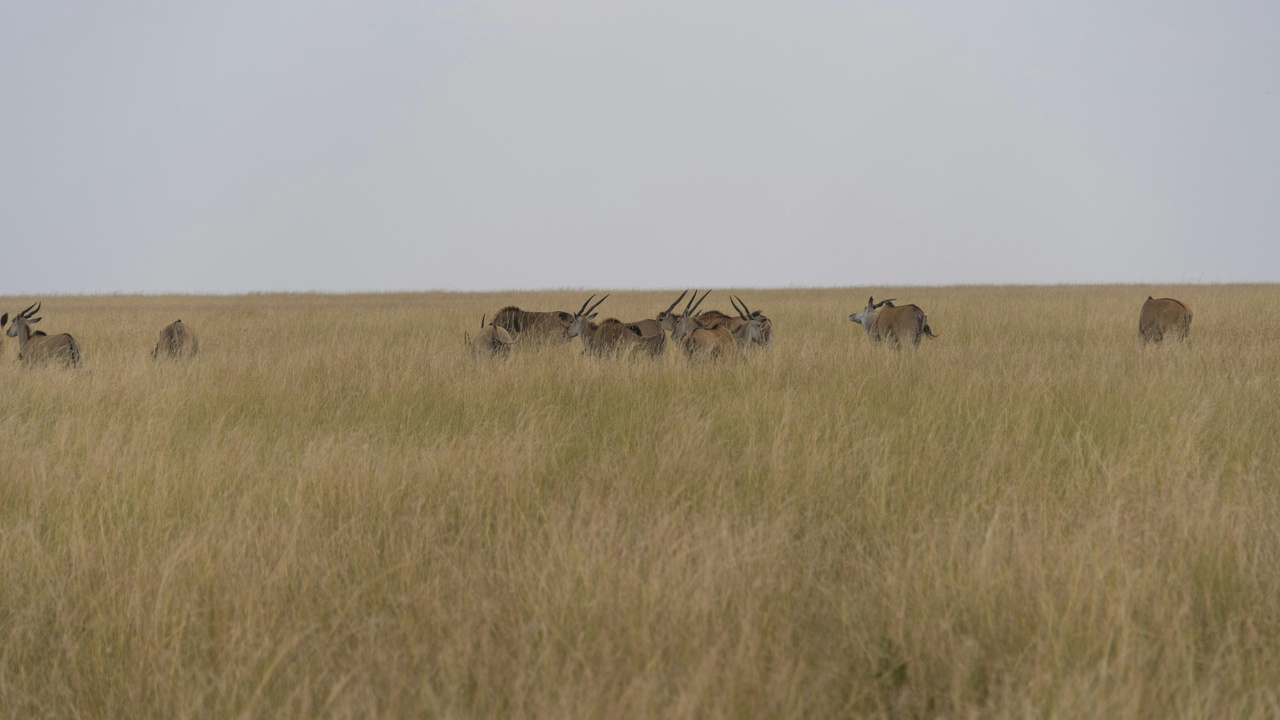
Grazing ungulates can spend 8–12 hours a day feeding. Constant intake offsets low energy density in plants. Many form large groups that reduce individual predation risk and improve pasture use.
Carnivores often hunt intermittently. A wolf pack may spend hours tracking and coordinating a single kill, then eat rapidly and rest for long periods. Hunting strategies range from ambush (tigers) to cursorial pursuit (wolves).
Those time budgets influence pasture management, predator control, and welfare routines for captive animals.
6. Sensory and Predatory Adaptations
Sensory anatomy mirrors diet. Many prey species have laterally placed eyes and a wide field of view — deer can detect movement across roughly 300–310 degrees — which helps spot threats.
Predators typically have forward-facing eyes for depth perception, acute hearing, and powerful olfactory systems. Wolves, for instance, use scent to track prey over kilometers, while raptors combine exceptional visual acuity with pinpoint strikes.
These differences inform wildlife monitoring. Camera traps aimed at trails catch predators well; wide-open field cameras work better for grazing herds.
7. Metabolic Rate and Energy Requirements
Meat packs more calories per gram than most plant material. Carnivores therefore eat smaller amounts of energy-dense food, but their hunting lifestyle can demand bursts of high metabolic output.
Herbivores consume greater bulk to meet energy needs. Feed conversion ratios illustrate the difference: cattle and sheep convert plant biomass into meat or milk with varying efficiency, while carnivores in captivity require carefully balanced, nutrient-dense rations.
That contrast affects carrying capacity. A landscape supports many more primary consumers than top predators because of the 10% energy rule between trophic levels.
Ecological Roles, Evolution, and Human Interactions

Where an animal sits in the food web affects ecosystem structure, evolutionary pressures, and the ways humans use or manage species. Plant-eaters often shape vegetation and nutrient cycles. Predators control prey and can trigger cascading changes in habitat.
8. Nutritional Needs and Food Quality
Herbivores require diets balanced for fiber, energy, and specific minerals. Some plant compounds are toxic and animals use behavioral or physiological strategies to limit intake. Ruminants also need rumen-accessible protein and trace minerals to maintain microbial function.
Carnivores require high-quality protein and specific amino acids. Domestic cats are obligate carnivores and need taurine in their diet. Feeding them a plant-heavy diet without supplementation leads to deficiencies.
These needs guide pet-food formulation, livestock supplementation on poor pastures, and feeding plans used in wildlife rehabilitation.
9. Trophic Level and Energy Transfer
The differences between herbivores and carnivores show clearly in trophic position. Herbivores are primary consumers; predators sit higher and receive only about 10% of the energy available to the level below.
That 10% rule explains why biomass of herbivores usually exceeds that of carnivores and why top predators exist at low densities. It also underlies fisheries collapse when too many predators or high-trophic species are removed.
Real-world examples include the Yellowstone case, where wolf reintroduction reduced elk browsing and allowed willow and aspen recovery, altering riverbanks and biodiversity.
10. Human Uses, Conservation, and Disease Dynamics
Humans have domesticated many herbivores — cattle, sheep, goats, and horses among them — to supply milk, meat, fiber, and labor. Fewer large carnivores have been domesticated because of behavioral traits and danger.
Carnivores often come into conflict with people when they take livestock. Programs that combine better fencing, guardian animals, and compensation can reduce killings of predators like wolves.
On disease, herbivores can be reservoirs for zoonoses that pass to humans and other animals through close contact or contaminated meat. Carnivores also transmit diseases — rabies is a classic example involving wild and domestic carnivores — and they can serve as sentinels of ecosystem health.
Summary
Key takeaways condense how anatomy, behavior, and ecology diverge between plant‑ and meat‑eaters and why that matters for people managing animals and wildlands.
- Herbivores have grinding teeth, long guts, and microbial fermentation; carnivores have shearing teeth, short guts, and acidic stomachs.
- Feeding strategy drives time budgets: grazers spend many hours eating, predators hunt in energy‑intensive bouts.
- Energy flows up the food web at ~10% efficiency per level, so primary consumer biomass usually outstrips that of predators (see Yellowstone wolves as an example).
- Human use differs: herbivores dominate agriculture through domestication; carnivores pose unique conservation and conflict challenges.
- Practical steps: adjust grazing management, support evidence-based predator coexistence, and consult vets or wildlife experts when changing diets.