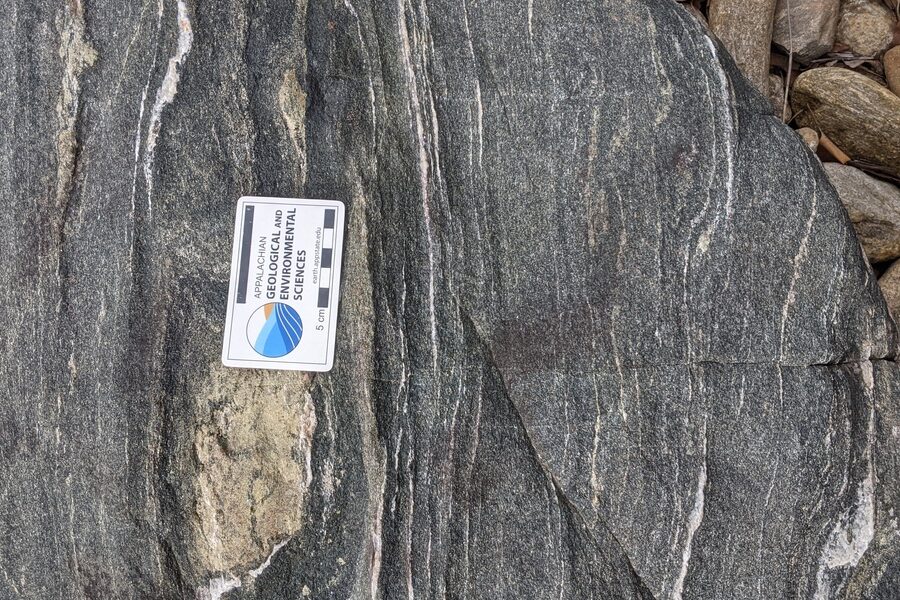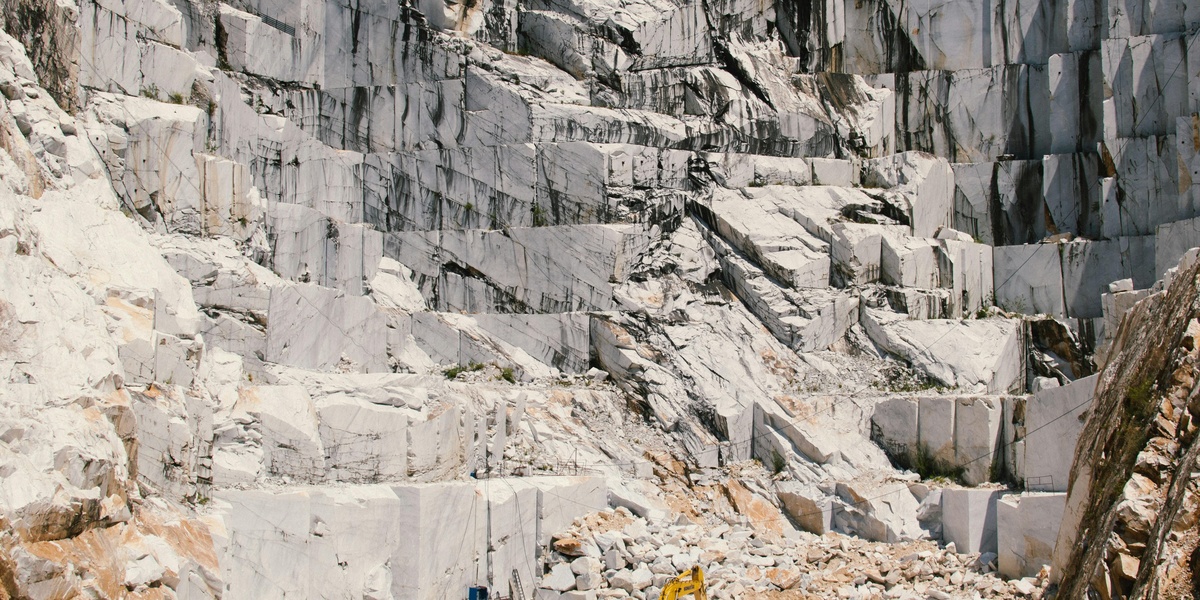
From mountain outcrops and old coal seams to urban quarries and workshop benches, these rocks turn up in both natural landscapes and everyday uses. Paying attention to texture and origin helps you spot stones that lack obvious layers but still tell a clear geologic story.
There are 13 Non-foliated Metamorphic Rocks, ranging from Anthracite to Soapstone (Steatite). For each entry you’ll see Primary protolith, Formation setting, and Common locations and uses laid out so you can compare origins, environments, and practical applications — you’ll find below.
How do non-foliated metamorphic rocks form?
Non-foliated rocks typically form where pressure is fairly uniform or where recrystallization from heat dominates over directional stress, such as in contact metamorphism or hydrothermal zones. Common protoliths include limestone (making marble), sandstone (making quartzite), and coal (making anthracite), and the resulting textures are massive or sugary rather than layered.
What practical differences should I expect between Anthracite and Soapstone in the field?
Anthracite is a hard, shiny, carbon-rich rock that burns cleanly and resists weathering, while soapstone (steatite) is soft, soapy to the touch, heat-resistant, and easy to carve; uses differ accordingly—fuel and filtration versus countertops, sinks, and carving.
Non-Foliated Metamorphic Rocks
| Name | Primary protolith | Formation setting | Common locations and uses |
|---|---|---|---|
| Marble | Limestone or dolostone | Regional or contact metamorphism | Worldwide; sculpture, building, monuments |
| Quartzite | Quartz-rich sandstone | Regional metamorphism and burial | Mountain belts; decorative stone, aggregate |
| Hornfels | Shale, siltstone, limestone protoliths | Contact metamorphism near intrusions | Contact aureoles worldwide; building stone, flagstone |
| Skarn | Limestone or dolomite | Metasomatism near intrusions | Ore-bearing contact zones; mineral exploration, occasional dimension stone |
| Soapstone (Steatite) | Ultramafic rocks or Mg-rich sediments | Hydrothermal and low-grade metamorphism | Countertops, carvings, hearth linings; widespread |
| Anthracite | Bituminous coal (from peat) | Regional burial metamorphism | Coal basins; high-grade fuel, metallurgical use |
| Eclogite | Basalt or gabbro | High-pressure subduction-zone metamorphism | Exhumed subduction complexes; scientific study |
| Granulite | Various igneous and sedimentary protoliths | High-temperature, deep-crust metamorphism | Continental shields; studies of deep crust |
| Metaconglomerate | Conglomerate | Burial and metamorphism of coarse clastic deposits | Orogenic belts; field marker, sometimes decorative |
| Metachert | Chert or siliceous sediment | Low- to high-grade metamorphism of siliceous sediments | Marine sedimentary sequences; petrographic studies, micro-tools historically |
| Jadeitite | Mafic protoliths (altered oceanic crust) | High-pressure subduction-related metamorphism | Ophiolite belts and jade deposits; jewelry, carving |
| Calc-silicate rock | Impure limestone or dolostone | Contact metamorphism and metasomatism near intrusions | Contact aureoles; skarn ore indicators, sometimes crushed stone |
| Buchite | Local country rock partially fused by intrusion heat | Extreme contact or pyrometamorphism near intrusions or vents | Volcanic vents and contact zones; research specimens, rare decorative pieces |
Images and Descriptions
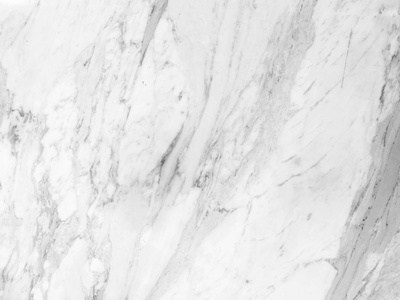
Marble
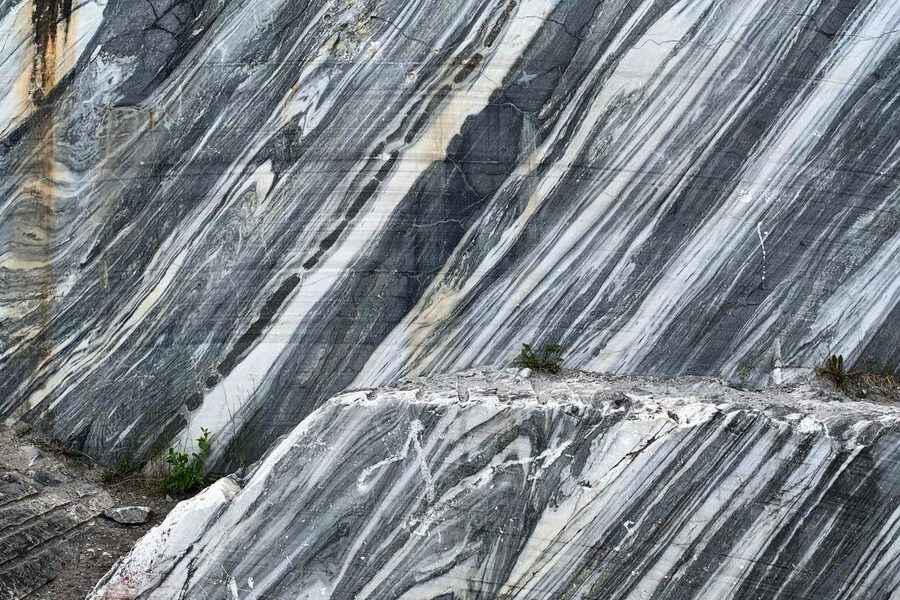
Metamorphosed limestone or dolomite with interlocking calcite or dolomite crystals, often white or colored by impurities. Look for crystalline texture, reacts with acid, used in sculpture and building. Forms by regional or contact metamorphism of carbonate sediments; prized for polish.

Quartzite
Hard, glassy rock from sandstone recrystallized into interlocking quartz; usually light-colored but can be streaked or colored by impurities. Scratch-resistant, used as decorative stone and aggregate. Key ID: very hard, quartz grains welded together, breaks across grains.
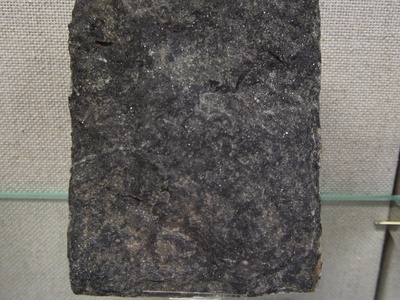
Hornfels
Hornfels is a fine-grained, non-foliated contact-metamorphic rock formed by baking near intrusions. Often dark, hard and dense with a splintery fracture; mineralogy varies with protolith. Look for sharp contact with country rock and absence of alignment or foliation.
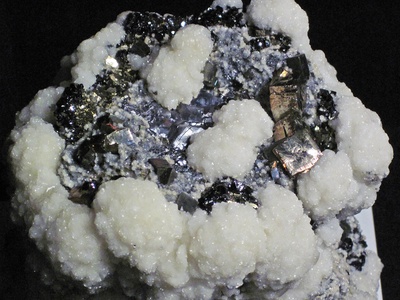
Skarn
Skarn forms by metasomatic alteration where carbonate rocks meet igneous intrusions, producing calc-silicate assemblages like garnet and wollastonite. Typically coarse-grained and non-foliated; common near ore deposits and used as indicator for mineralization and sometimes as dimension stone.
Soapstone (Steatite)
Soapstone (steatite) is composed largely of talc and is soft, soapy to the touch. Forms by metamorphism of ultramafic rocks or magnesium-rich sediments. Common for countertops, carvings, and hearth linings; look for greasy feel and soapy cleavage.
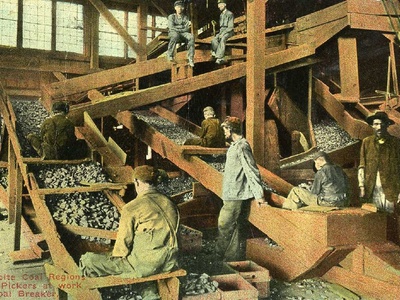
Anthracite
Anthracite is a high-rank metamorphosed coal with high carbon content, glossy luster and conchoidal fracture. Forms under intense burial and regional metamorphism. Used as a high-grade fuel and in metallurgy; identify by hard, jet-black, shiny appearance and high burn temperature.
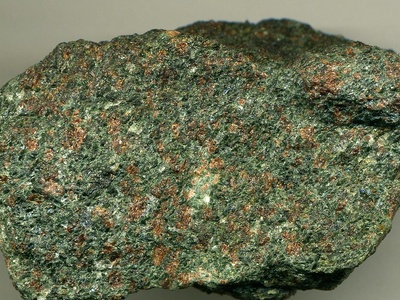
Eclogite
Eclogite is a dense, high-pressure rock of garnet plus omphacite, formed by subduction-zone metamorphism of basaltic protoliths. Usually fine- to medium-grained, green-red contrast is diagnostic. Found in exhumed subduction complexes and studied for mantle processes.
Granulite
Granulite denotes high-temperature, high-grade metamorphic rocks with granulose textures, typically non-foliated and composed of pyroxene, feldspar and garnet. Forms in deep crustal metamorphism; common in continental shields and used to study crustal evolution.
Metaconglomerate
Metaconglomerate is metamorphosed conglomerate where pebbles are preserved or flattened in a non-foliated matrix. Forms under burial and metamorphism of coarse clastic rocks. Occurs in orogenic belts; notable for preserved clasts and use as a field marker of deformation.
Metachert
Metachert is chert or siliceous sediment recrystallized under metamorphism into dense, microcrystalline quartz. Typically very hard and conchoidal, often gray or banded. Found in sheared terranes and deep-sea sedimentary sequences; useful for petrographic and provenance studies.
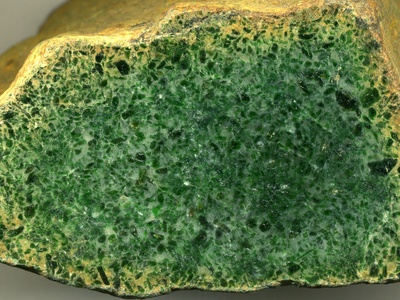
Jadeitite
Jadeitite (jade) is an ultramafic-derived, compact rock of nearly pure jadeite formed by high-pressure metamorphism. Opaque, tough, and usually green; prized for jewelry and carvings. Identification relies on hardness, toughness and characteristic microstructure.
Calc-silicate rock
Calc-silicate rocks form by metamorphism and metasomatism of impure limestones, producing minerals like diopside, wollastonite and garnet. Usually coarse-grained and non-foliated, they signal contact metamorphism near intrusions and are important indicators for skarn ore systems.
Buchite
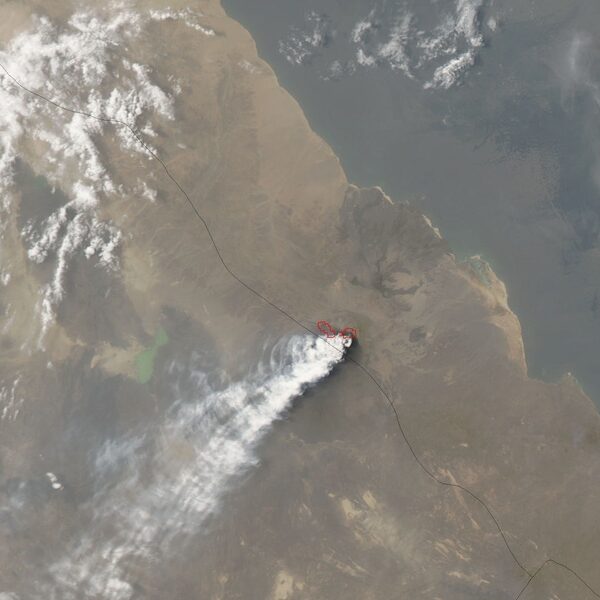
Buchite is a glassy, fused rock produced by extreme contact or pyrometamorphism, often at volcanic vents or baking by intrusions. Typically non-foliated and brittle with banded glass and relict clasts; interesting for studying high-temperature alteration and natural glass formation.