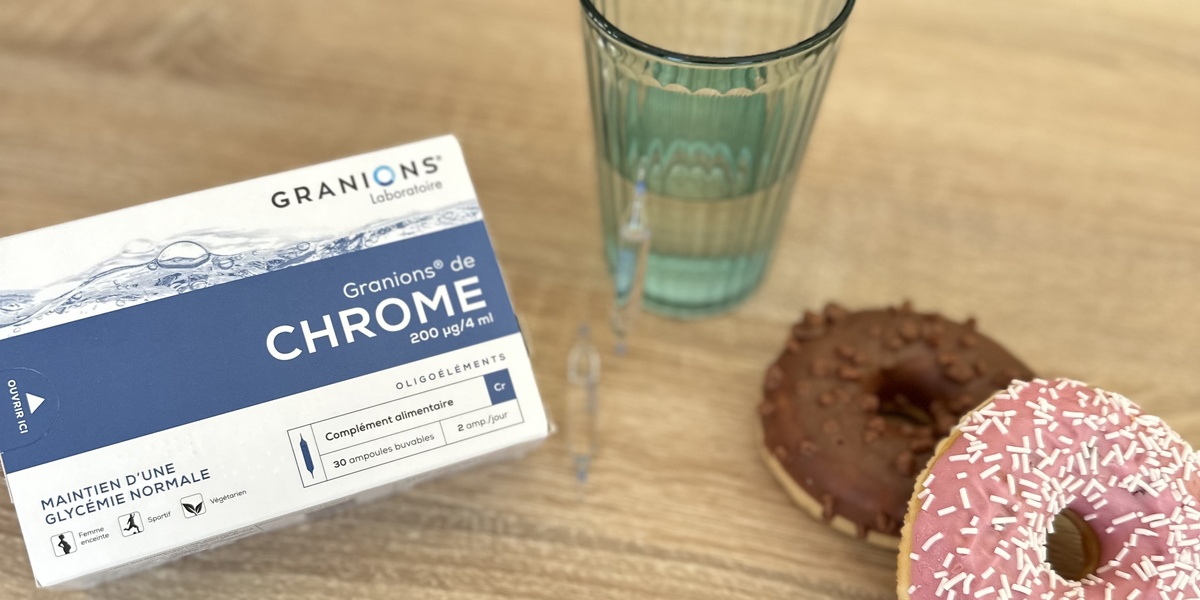
In 1797 the French chemist Louis Nicolas Vauquelin isolated a bright, colorful oxide and named the new element chromium — from the Greek for color — after studying mineral samples brought from Siberia. Nearly 230 years later, chromium touches daily life in ways people rarely consider: it’s central to durable metals in buildings and cars, it’s a trace nutrient that affects insulin action, and it shapes jobs and trade in mining regions.
Many readers know chrome as shiny trim or as an ingredient on supplement labels, but the story is more complex: trivalent chromium (Cr(III)) has nutritional roles at intakes around 25–35 µg/day for adults, while hexavalent chromium (Cr(VI)) is toxic and regulated. Below I explain eight concrete, evidence-backed advantages grouped into industrial & technological, health & nutritional, and environmental & economic benefits so you can see where chromium matters and why form and dose make all the difference.
Industrial and Technological Benefits

Chromium’s chemistry — especially its ability to form a stable oxide and to alloy with iron — underpins modern materials and manufacturing. The metal improves corrosion resistance, hardens steels for tools and machinery, and provides a bright, durable surface finish that’s both decorative and functional.
1. Corrosion resistance in stainless steel
Chromium dramatically improves corrosion resistance when alloyed with iron by forming a thin, passive chromium-oxide film that prevents rusting. Typical stainless steels contain roughly 10–30% chromium; common grades like 304 have about 18% Cr, while 316 usually adds molybdenum for extra chloride resistance. That passive layer extends the service life of items from kitchen sinks and cutlery to surgical instruments and architectural facades.
2. Hardening and wear resistance in alloys and tools
Adding chromium to steels increases hardness, tensile strength, and resistance to abrasion by promoting hard chromium carbides during heat treatment. High-speed tool steels and chrome-molybdenum (Cr‑Mo) alloys are standard in cutting tools, drill bits, and transmission components. The result: longer-lived drill bits and machinery parts that tolerate higher stresses and temperatures in automotive and aerospace applications.
3. Durable and decorative surface finishing (chrome plating)
Chrome plating delivers a bright, reflective finish that resists scratches and corrosion, so manufacturers use it on automotive bumpers, motorcycle parts, faucets, and plumbing fixtures. Beyond looks, plating can improve hardness and reduce wear on moving parts. Because hexavalent chromium plating has health and environmental risks, many plants have shifted toward trivalent chromium processes or engineered alternatives to meet tighter regulations.
Health and Nutritional Benefits
Small amounts of trivalent chromium are considered important for human metabolism, mainly through effects on insulin signaling and macronutrient processing. It’s crucial to distinguish Cr(III), the form used in nutrition and supplements, from Cr(VI), which the IARC classifies as carcinogenic.
The following points summarize where nutritional chromium shows benefits and where evidence remains mixed; for guidance on dietary intake consult the NIH Office of Dietary Supplements.
4. Supports healthy blood sugar regulation
Chromium(III) appears to enhance insulin action and glucose metabolism in some individuals, particularly those with insulin resistance. Adequate intake values are roughly 25 µg/day for adult women and 35 µg/day for adult men, and clinical trials have tested chromium picolinate supplements commonly in the 200–1,000 µg/day range. Results are mixed: some studies report small improvements in fasting glucose or HbA1c, while others find no meaningful change, so supplements are not a substitute for medical care.
5. May support weight management and body composition
Certain trials and meta-analyses report modest reductions in body fat and slight increases in lean mass with chromium supplementation, but effect sizes tend to be small and inconsistent. Benefits vary by population, baseline diet, and dose; they’re most often reported over several months of supplementation. Use these findings as one piece of the puzzle—diet and exercise remain primary drivers of body composition.
6. Plays a role in macronutrient metabolism and appetite regulation
Chromium influences carbohydrate, lipid, and protein metabolism through insulin-mediated nutrient uptake and cellular signaling seen in mechanistic and animal studies. Maintaining adequate chromium status—via whole grains, lean meats, broccoli, and other chromium-containing foods—supports balanced nutrient processing, which is especially relevant in populations with limited diets.
Environmental and Economic Benefits
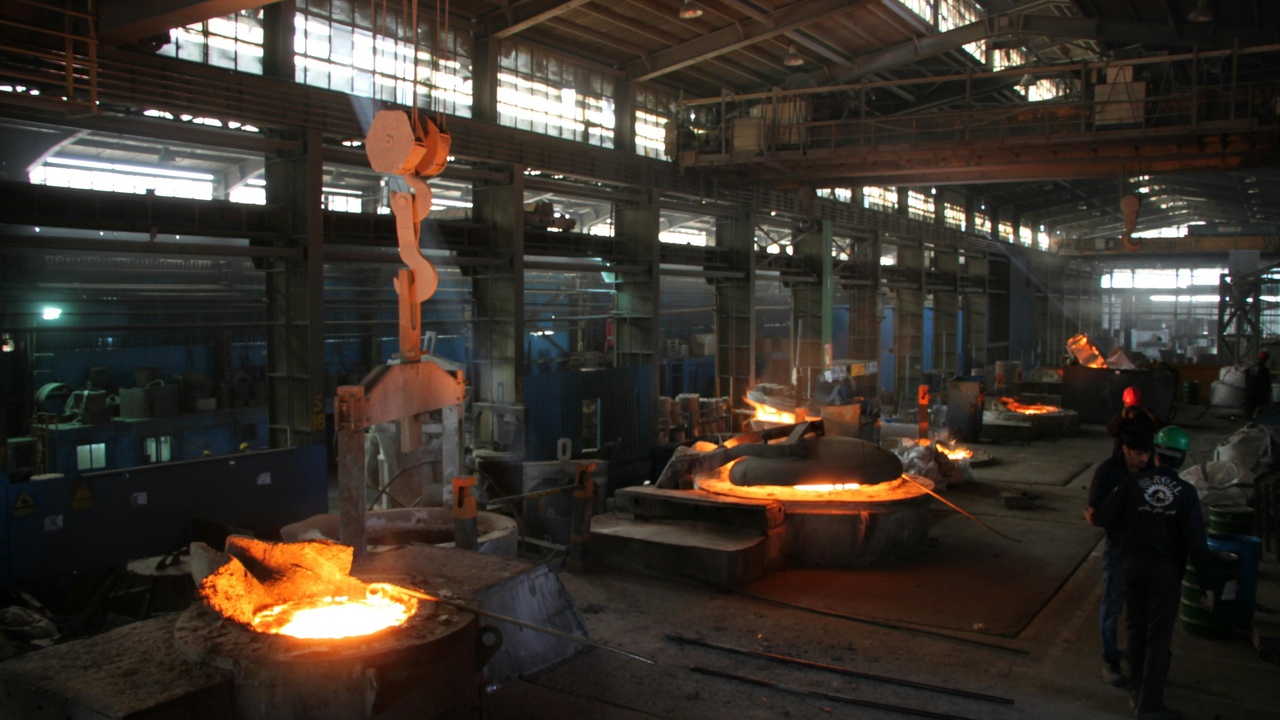
The chrome value chain supports regional employment, international trade, and recycling systems that reduce demand for virgin ore. Mining and ferrochrome smelting are big employers in producing countries, while stainless steel’s recyclability helps lower embodied energy and raw-material extraction across industries.
7. Fuels jobs, exports, and regional economies
Chromite mining and ferrochrome production anchor economies in several regions; for example, South Africa is a major global producer and exporter of chromite and ferrochrome, supporting mining, smelting, transportation, and manufacturing jobs. The chrome value chain contributes to local employment and export revenues, with downstream industries—stainless steel mills, fabricators, and recyclers—adding indirect economic activity.
8. Supports recycling and a circular materials economy
Stainless steel is among the most recycled alloys, with end-of-life recovery rates frequently exceeding 60%, which reduces demand for new chromite ore and lowers the overall environmental footprint of steel products. Recycled stainless steel is commonly used in appliances, construction materials, and industrial equipment, enabling manufacturers to meet circular-economy goals and cut landfill waste.
Summary
Chromium’s advantages span durable materials, modest nutritional roles, and sizable economic impacts, but benefits depend entirely on chemical form and context. Cr(III) supports metabolic processes at trace levels, while Cr(VI) requires strict controls to protect workers and the environment. Below are the key takeaways to remember when weighing chromium’s role in products or personal health choices.
- Durability and corrosion resistance: Chromium’s oxide layer and alloying (10–30% Cr in stainless steels; ~18% in 304) dramatically extend the life of cookware, architectural panels, and medical tools.
- Improved mechanical performance: Chromium in tool steels and Cr‑Mo alloys boosts hardness and wear resistance for cutting tools, drill bits, and critical automotive parts.
- Nutritional but modest metabolic effects: Trivalent chromium (Cr(III)) at dietary levels (~25–35 µg/day) can support insulin action and show small benefits for glucose control and body composition in some studies; clinical evidence is mixed.
- Economic and environmental payoffs: Chromite mining and ferrochrome production sustain regional jobs and exports, while high stainless-steel recycling rates (often >60%) cut demand for virgin ore and support circular-material strategies.