From lab benches to water treatment plants and everyday products, chlorine chemistry touches many parts of modern life. A compact, well-organized list makes it easier to spot important differences and safety concerns at a glance.
There are 65 Chlorine Compounds, ranging from 1,1,1-Trichloroethane to Zinc chloride. For each entry you’ll find below the Formula, Common uses, and Main hazard so you can compare properties and risks quickly — you’ll find below.
How can I quickly identify which compounds need special handling?
Look at the Main hazard column first for labels like corrosive, toxic, or flammable, then check the Formula to see if it’s a volatile organochlorine or a stable ionic salt. Use that to prioritize controls: ventilation for volatile solvents, sealed containers for reactive chemicals, and PPE per the substance’s safety data sheet.
Are similarly named chlorine compounds likely to have the same hazards?
Not necessarily — small structural changes can change volatility, toxicity, and reactivity. For example, 1,1,1-trichloroethane (a volatile solvent) poses different risks than zinc chloride (an ionic, corrosive salt), so always verify the Formula and Main hazard before handling.
Chlorine Compounds
| Name | Formula | Common uses | Main hazard |
|---|---|---|---|
| Chlorine | Cl2(g) | Water treatment, disinfection, chemical manufacturing | Toxic, corrosive gas causing respiratory damage |
| Hydrochloric acid | HCl(aq) | pH control, metal pickling, chemical production | Corrosive; causes burns, inhalation hazard |
| Sodium chloride | NaCl(s) | Food seasoning, de-icing, chemical feedstock | Irritant at high intake; environmental salinization |
| Potassium chloride | KCl(s) | Fertilizer, medical electrolyte, salt substitute | Hyperkalemia risk in excess; corrosive when molten |
| Calcium chloride | CaCl2(s) | De-icing, drying agent, concrete accelerator | Irritant, corrosive; causes skin/eye burns |
| Magnesium chloride | MgCl2(s) | De-icing, brine, magnesium production | Irritant; can contribute to corrosion |
| Ammonium chloride | NH4Cl(s) | Fertilizer, soldering flux, electrolyte | Irritant; ingestion causes nausea, acidosis |
| Silver chloride | AgCl(s) | Photography, analytical reagent, antimicrobial coatings | Photosensitive; low solubility, can be toxic in high doses |
| Iron(III) chloride | FeCl3(s) | Water treatment coagulant, etchant | Corrosive; causes burns; toxic to aquatic life |
| Iron(II) chloride | FeCl2(s) | Steel treatment, chemical synthesis | Corrosive; can catalyze rust; toxic in large doses |
| Copper(II) chloride | CuCl2(s) | Catalyst, wood preservative, pigment | Toxic to aquatic life; corrosive |
| Zinc chloride | ZnCl2(s) | Flux, wood treatment, chemical synthesis | Corrosive; harmful if ingested |
| Lead(II) chloride | PbCl2(s) | Ceramics, historical lab reagent | Toxic lead compound; neurotoxic |
| Sodium hypochlorite | NaOCl(aq) | Household bleach, disinfection | Corrosive; respiratory irritation; forms byproducts |
| Calcium hypochlorite | Ca(ClO)2(s) | Pool sanitation, bleaching agent | Oxidizer; fire hazard; respiratory irritant |
| Hypochlorous acid | HOCl(aq) | Disinfection, immune system oxidant | Irritant; unstable in concentrated form |
| Chlorine dioxide | ClO2(g) | Water treatment, bleaching, disinfection | Oxidizer; can explode at high concentrations |
| Sodium chlorite | NaClO2(s) | Bleach precursor, water treatment | Oxidizer; harmful if ingested |
| Sodium chlorate | NaClO3(s) | Herbicide precursor, oxygen generator | Oxidizer; fire and explosion hazard |
| Sodium perchlorate | NaClO4(s) | Rocket propellant oxidizer precursor, lab reagent | Powerful oxidizer; explosive potential |
| Perchloric acid | HClO4(aq) | Analytical chemistry, rocket propellants | Highly corrosive; explosive when hot/concentrated |
| Thionyl chloride | SOCl2(l) | Converts alcohols/carboxylic acids to chlorides | Corrosive; releases toxic SO2 and HCl gases |
| Phosgene | COCl2(g) | Industrial intermediate for plastics (historical weapon) | Extremely toxic lung-damaging gas |
| Sulfuryl chloride | SO2Cl2(l) | Chlorination reagent in organic synthesis | Releases HCl; corrosive; toxic fumes |
| Phosphorus trichloride | PCl3(l) | Intermediate for organophosphorus compounds | Corrosive; reacts with water releasing HCl |
| Phosphorus pentachloride | PCl5(s) | Chlorinating agent for synthesis | Corrosive; releases HCl gas on hydrolysis |
| Carbon tetrachloride | CCl4(l) | Solvent, historical fire extinguisher | Hepatotoxic; probable carcinogen; ozone-depleting |
| Chloroform | CHCl3(l) | Solvent; historical anesthetic | Hepatotoxic; possible carcinogen; respiratory depressant |
| Dichloromethane | CH2Cl2(l) | Paint stripper, solvent, degreasing | Respiratory depressant; metabolized to carbon monoxide |
| 1,1,1-Trichloroethane | C2H3Cl3(l) | Solvent, metal degreasing (historical) | CNS depressant; ozone-depleting |
| Trichloroethylene | C2HCl3(l) | Metal degreasing, solvent | Carcinogenic risk; neurotoxic; groundwater pollutant |
| Tetrachloroethylene | C2Cl4(l) | Dry cleaning, degreasing solvent | Possible carcinogen; soil and groundwater contaminant |
| Vinyl chloride | C2H3Cl(g) | Precursor to PVC manufacture | Carcinogenic gas causing liver angiosarcoma |
| Methyl chloride | CH3Cl(g) | Silicone production, methylating agent | Flammable; anesthetic at high concentrations |
| Acetyl chloride | CH3COCl(l) | Acylating agent in organic synthesis | Corrosive; reacts violently with water releasing HCl |
| Cyanogen chloride | CNCl(g) | Chemical intermediate; studied as a chemical weapon | Highly toxic; respiratory and cardiac poisoning |
| Nitrosyl chloride | NOCl(g) | Nitration/chlorination reagent in labs | Toxic and corrosive gas; irritant |
| Chloral hydrate | C2H3Cl3O2(s,liquid) | Sedative historically; chemical reagent | Sedative; toxic in overdose |
| Pentachlorophenol | C6Cl5OH(s) | Wood preservative, biocide (phased out) | Persistent, toxic; probable carcinogen |
| 2,4-Dichlorophenoxyacetic acid (2,4-D) | C8H6Cl2O3(s) | Herbicide for broadleaf weeds | Toxic to aquatic life; exposure concerns |
| DDT | C14H9Cl5(s) | Historic insecticide (banned widely) | Persistent; bioaccumulative; toxic to wildlife |
| Lindane | C6H6Cl6(s) | Insecticide; lice treatment (restricted) | Neurotoxic; persistent and bioaccumulative |
| Chlordane | C10H6Cl8(s) | Former agricultural insecticide | Persistent organic pollutant; toxic to wildlife |
| Aldrin | C12H8Cl6(s) | Pesticide (historical) | Highly toxic and persistent; bioaccumulative |
| Dieldrin | C12H8Cl6(s) | Former insecticide | Persistent; neurotoxic; bioaccumulative |
| Heptachlor | C10H5Cl7(s) | Termiticide and insecticide (historical) | Persistent, bioaccumulative; carcinogenic concerns |
| Mirex | C10Cl12(s) | Flame retardant and insecticide (historical) | Extremely persistent; bioaccumulative and toxic |
| Polychlorinated biphenyls (PCBs) | C12H10−nCln (congeners) | Insulating oils, hydraulic fluids (historical) | Persistent, bioaccumulative, toxic |
| Polyvinyl chloride (PVC) | (C2H3Cl)n | Pipes, siding, cables, packaging | Burning releases HCl and dioxins |
| Polyvinylidene chloride (PVDC) | (C2H2Cl2)n | Food packaging barrier films | Releases HCl on burning; disposal concerns |
| Sodium dichloroisocyanurate | C3Cl2N3NaO3(s) | Pool sanitizer tablets, surface disinfectant | Oxidizer; releases chlorine; irritant |
| Chlorobenzene | C6H5Cl(l) | Solvent, chemical intermediate | Irritant; flammable; environmental contaminant |
| 2,4,5-Trichlorophenoxyacetic acid (2,4,5-T) | C8H5Cl3O3(s) | Herbicide (historical) | Contaminated with dioxin; toxic and banned |
| 1,1,2,2-Tetrachloroethane | C2H2Cl4(l) | Solvent, degreasing (historical) | Toxic and probable carcinogen; environmental contaminant |
| 1,2-Dichloroethane (ethylene dichloride) | C2H4Cl2(l) | Feedstock for vinyl chloride, solvent | Carcinogenic; groundwater contaminant |
| Vinylidene chloride | C2H2Cl2(l) | Precursor to PVDC polymerization | Flammable; toxic; carcinogenic concerns |
| Chlorine trifluoride | ClF3(l) | Fluorination agent, nuclear fuel processing | Extremely reactive; ignites many materials; toxic |
| Chloroacetic acid | C2H3ClO2(s) | Chemical intermediate, herbicide precursor | Corrosive; toxic; skin burns |
| Dichloroacetic acid | C2H2Cl2O2(s) | Chemical intermediate; research compound | Toxic; environmental contaminant |
| Trichloroacetic acid | C2HCl3O2(s) | Chemical peels, lab reagent | Corrosive; toxic at high doses |
| 2-Chloroethanol | C2H5ClO(l) | Chemical intermediate, solvent | Highly toxic and corrosive; mutagenic concerns |
| Trimethylsilyl chloride | (CH3)3SiCl(l) | Silylation reagent in organic synthesis | Corrosive; moisture sensitive; releases HCl |
| Benzyl chloride | C6H5CH2Cl(l) | Benzylation intermediate in synthesis | Irritant; lachrymator; possible carcinogen |
| N-Chlorosuccinimide | C4H4ClNO2(s) | Selective organic chlorination reagent | Oxidizer; irritant; corrosive |
| 2,3,7,8-Tetrachlorodibenzo-p-dioxin (TCDD) | C12H4Cl4O2(s) | Industrial contaminant, toxicant | Extremely toxic; carcinogenic; persistent |
Images and Descriptions

Chlorine
Elemental diatomic gas used to bleach textiles, disinfect water, and make many chlorinated chemicals. Strong oxidizer with a sharp odor; corrosive and toxic by inhalation. Historically employed as a chemical warfare agent in WWI.
Hydrochloric acid
Strong mineral acid made by dissolving HCl gas in water. Used for pH control, pickling steel, and producing chlorides. Fuming concentrated solutions are highly corrosive and irritating to skin and lungs.
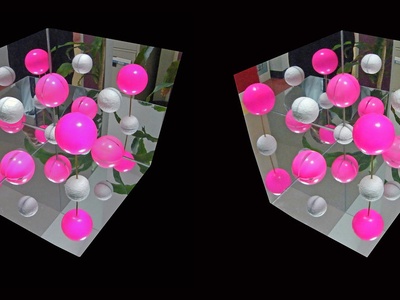
Sodium chloride
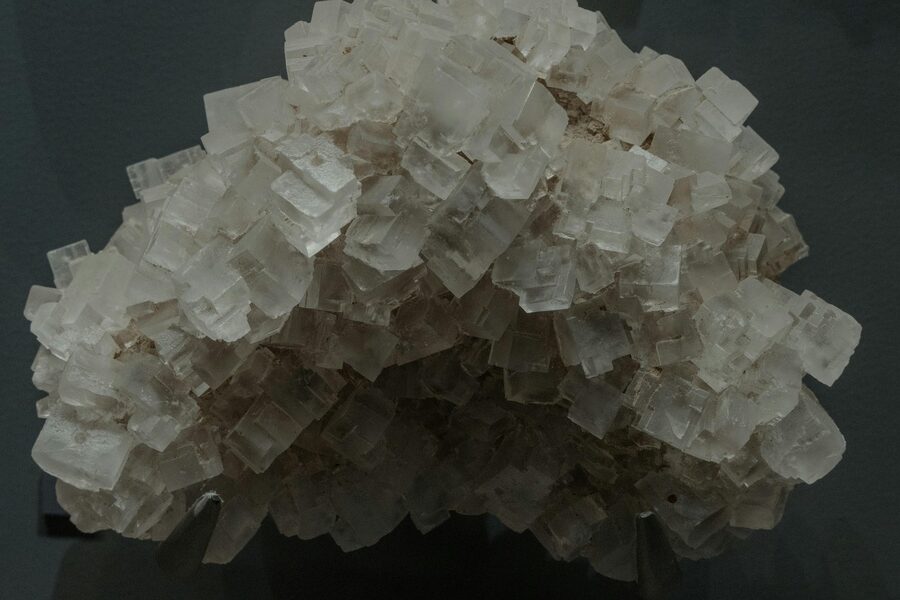
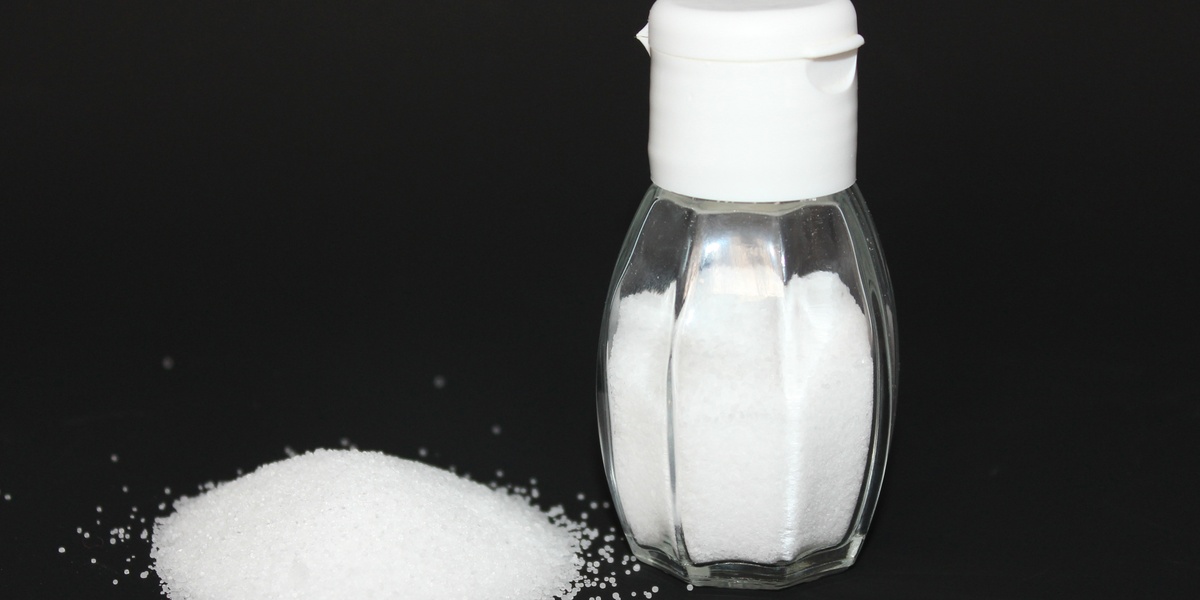
Common table salt for cooking, road de-icing, and chlorine/alkali production. Naturally abundant as halite and sea salt, essential as an electrolyte but harmful to ecosystems and health in excess.
Potassium chloride
Key potassium fertilizer and medical electrolyte supplement. Found in potash deposits; used as a salt substitute. Excess intake can cause dangerous heart effects.
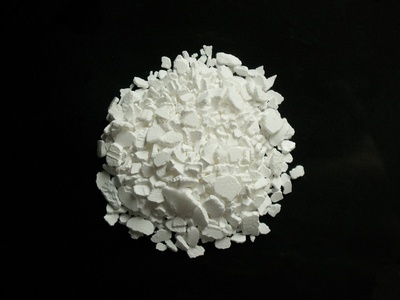
Calcium chloride
Hygroscopic salt used for road de-icing, dust control, refrigeration brines, and accelerating concrete setting. Releases heat when dissolved; corrosive to metals and irritating to skin.
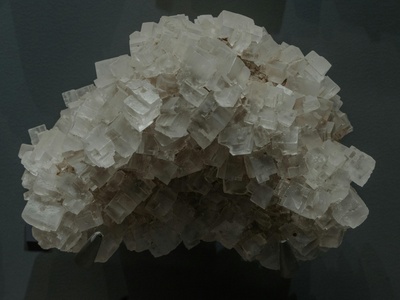
Magnesium chloride
Hygroscopic salt obtained from seawater or brines. Used for dust suppression, de-icing, and magnesium production; can corrode some metals and is mildly irritating.
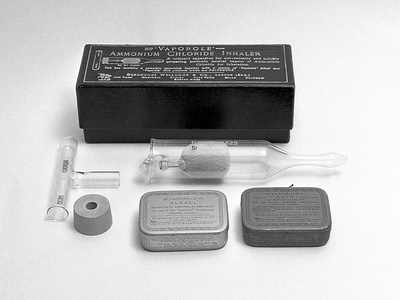
Ammonium chloride
White crystalline salt used in fertilizers, metalworking fluxes, and some batteries. Formed from ammonia and hydrochloric acid; mildly acidic and water-soluble.
Silver chloride
White, photosensitive salt used historically in photography and chloride detection. Sparingly soluble in water and used in some antimicrobial and electrode materials; contains toxic silver.
Iron(III) chloride
Brown hygroscopic salt used as a coagulant in water treatment and as an etchant for printed circuit boards. Reacts exothermically with water and is corrosive to skin and metal.
Iron(II) chloride
Greenish salt used as a reducing agent and in water treatment. Readily oxidizes to iron(III) chloride; moisture sensitive and corrosive.
Copper(II) chloride
Blue-green salt used in catalysts, pigments, and historically in wood preservation. Water-soluble and toxic to aquatic organisms at low concentrations.
Zinc chloride
Highly hygroscopic salt used as a solder flux, wood preservative, and reagent in organic chemistry. Fuming forms are strongly corrosive and irritating.
Lead(II) chloride
Sparingly soluble white salt once used in glazes and lab work. Contains toxic lead, posing neurological and developmental hazards and environmental persistence.
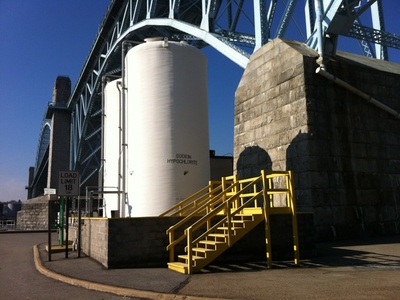
Sodium hypochlorite
Active ingredient in many household bleaches and disinfectants. Produced from chlorine and caustic soda; effective sanitizer but can form chlorinated organic byproducts.
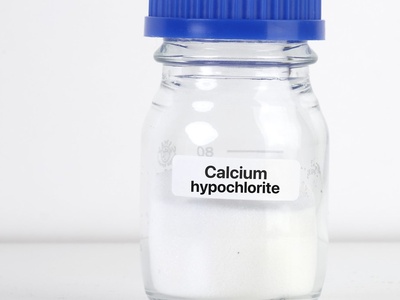
Calcium hypochlorite
Solid oxidizing bleach used for swimming pools and bleaching. Releases chlorine when acidified; reactive with organics and can cause fires or explosions if mismanaged.
Hypochlorous acid
Weak acid formed by dissolving chlorine in water and produced by white blood cells. Effective disinfectant with rapid antimicrobial activity but unstable and decomposes over time.
Chlorine dioxide
Yellow-green gas used to disinfect drinking water and bleach pulp. Effective at low concentrations; strong oxidizer that may explosively decompose when concentrated.
Sodium chlorite
Used to generate chlorine dioxide and in bleaching processes. Strong oxidizer that can produce toxic chlorine dioxide if misused; irritating and harmful when ingested.
Sodium chlorate
Industrial chemical used to produce chlorine dioxide and herbicides. Strong oxidizer that can form explosive mixtures with organic materials; historically used as a herbicide.
Sodium perchlorate
Perchlorate salt used in pyrotechnics and as an oxidizer in propellants. Highly soluble, persistent environmental contaminant associated with thyroid disruption.
Perchloric acid
Very strong oxidizing acid used in synthesis and analysis. Concentrated forms are dangerously reactive and can form explosive perchlorate salts.
Thionyl chloride
Widely used reagent to convert alcohols and acids to alkyl and acyl chlorides. Reacts violently with water, emitting toxic sulfur dioxide and hydrochloric acid.
Phosgene
Colorless gas once used as a chemical warfare agent; now a commodity intermediate for polycarbonates and isocyanates. Highly toxic by inhalation and can cause delayed pulmonary edema.
Sulfuryl chloride
Liquid reagent used to introduce chlorine into organic molecules. Can release chlorine and hydrochloric acid and poses corrosive and toxic risks.
Phosphorus trichloride
Reactive liquid used to produce pesticides, flame retardants, and other phosphorus chlorides. Hydrolyzes readily to phosphorous acid and hydrochloric acid.
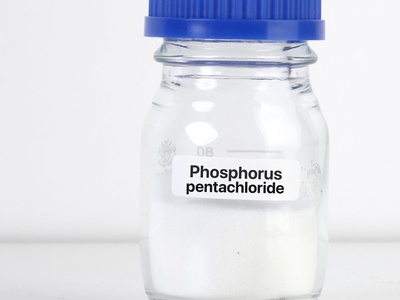
Phosphorus pentachloride
Solid chlorinating reagent used to make acyl chlorides and other chlorinated derivatives. Moisture-sensitive and decomposes to produce HCl.
Carbon tetrachloride
Chlorinated solvent formerly used for cleaning and fire suppression. Nonflammable but toxic to the liver and linked to ozone depletion; now heavily restricted.
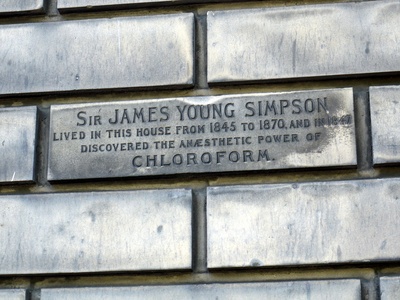
Chloroform
Trichloromethane used as a solvent and once as an anesthetic. Volatile with a sweet odor; can cause liver and central nervous system damage.
Dichloromethane
Methylene chloride used industrially and in consumer products. Volatile and can be absorbed through skin; metabolized to carbon monoxide increasing toxicity risks.
1,1,1-Trichloroethane
Methyl chloroform was widely used as a solvent and degreaser. Phased out under the Montreal Protocol for ozone depletion and causes central nervous system depression at high exposures.
Trichloroethylene
Common industrial solvent for degreasing and dry cleaning. Volatile and persistent in groundwater; linked to cancer and neurological effects and subject to regulation.
Tetrachloroethylene
Perc used extensively in dry cleaning and metal cleaning. Stable and volatile, it contaminates soil and groundwater and is regulated in many countries.
Vinyl chloride
Flammable gas used to make polyvinyl chloride (PVC). Exposure is linked to rare liver cancers and serious health effects; tightly regulated in workplaces.
Methyl chloride
Chloromethane used industrially to produce silicones and other chemicals. Also emitted naturally by plants and seas; flammable and toxic at elevated exposures.
Acetyl chloride
Common reagent for introducing acetyl groups in organic chemistry. Moisture-sensitive, releasing hydrochloric acid and posing corrosive hazards.
Cyanogen chloride
Volatile, highly poisonous compound used in synthesis and formerly as a blood agent. Rapidly acting by inhalation and skin contact; lethal at low concentrations.
Nitrosyl chloride
Reactive nitrosyl halide used as a nitrating and chlorinating agent. Red-brown gas that decomposes to NO and Cl2; corrosive and toxic.
Chloral hydrate
Hydrated trichloroacetaldehyde used historically as a sedative and as a reagent. Now largely obsolete in medicine due to safer alternatives; toxic in overdose.
Pentachlorophenol
Chlorinated phenol used as a pesticide and wood preservative. Highly persistent and bioaccumulative, associated with health risks and banned or restricted in many countries.
2,4-Dichlorophenoxyacetic acid (2,4-D)
Widely used systemic herbicide for agriculture and lawns. Selective against broadleaf weeds; one of the oldest commercial herbicides with ongoing regulatory attention.
DDT
Dichlorodiphenyltrichloroethane was once a lifesaving insecticide against malaria. Extremely persistent and biomagnifying, it caused ecological harm and was widely banned from agricultural use.
Lindane
Gamma-hexachlorocyclohexane used as a pesticide and previously as a pharmaceutical treatment for lice. Persistent in environment and restricted due to toxicity.
Chlordane
Chlorinated hydrocarbon pesticide used for termite control and crops. Highly persistent, bioaccumulative, and banned or restricted in many countries.
Aldrin
Organochlorine insecticide that transforms to dieldrin in organisms. Banned due to persistence, ecological toxicity, and human health risks.
Dieldrin
Chlorinated insecticide with high environmental persistence and toxicity, leading to global restrictions and bans.
Heptachlor
Organochlorine pesticide used for soil and structural pest control. Highly persistent and converted to toxic metabolites; widely regulated or banned.
Mirex
Highly chlorinated compound used as insecticide and flame retardant. Extremely persistent in the environment and banned due to ecological and health hazards.
Polychlorinated biphenyls (PCBs)
Family of chlorinated biphenyl congeners used in electrical equipment. Resistant to degradation, they bioaccumulate and cause neurological and endocrine effects; now subject to global bans.

Polyvinyl chloride (PVC)
Versatile thermoplastic polymer made from vinyl chloride monomer. Widely used in construction and consumer goods; durable but creates hazardous emissions when burned and disposal concerns exist.
Polyvinylidene chloride (PVDC)
Chlorinated polymer used for high-barrier food wrapping (Saran). Excellent barrier properties but environmental disposal and recycling raise concerns.
Sodium dichloroisocyanurate
Stable chlorinated isocyanurate used in tablet disinfectants for pools and surfaces. Releases chlorine slowly when dissolved; irritating if mishandled.
Chlorobenzene
Aromatic solvent used as a precursor to pesticides and dyes. Moderately toxic and persistent under some conditions; exposure control is recommended.
2,4,5-Trichlorophenoxyacetic acid (2,4,5-T)
Herbicide notable for contaminated production yielding TCDD dioxin; widely phased out and linked to serious health and environmental effects.
1,1,2,2-Tetrachloroethane
Chlorinated solvent used historically in degreasing and formulations. Persistent and toxic, largely replaced by safer alternatives.
1,2-Dichloroethane (ethylene dichloride)
Major industrial precursor to vinyl chloride monomer production. Volatile and toxic; commonly found as an environmental contaminant at contaminated sites.
Vinylidene chloride
Monomer used to make polyvinylidene chloride films used in packaging. Volatile and subject to health and environmental regulations.
Chlorine trifluoride
Powerful interhalogen oxidizer used in specialized fluorination and industrial processes. Reacts violently with organics and metals; storage and handling are highly hazardous.
Chloroacetic acid
Strong alkylating acid used to make detergents, herbicides, and pharmaceuticals. Highly corrosive and hazardous on contact or ingestion.
Dichloroacetic acid
Chlorinated acetic acid derivative used in synthesis and studied experimentally. Not widely used commercially but notable in toxicology and research contexts.
Trichloroacetic acid
Strong acid used in dermatology for chemical peels and in laboratory protein precipitation. Highly chlorinated and corrosive; handle with care.
2-Chloroethanol
Also called ethylene chlorohydrin, formerly used to make ethylene oxide. Used as an intermediate but highly toxic and irritating; exposure hazards limit use.
Trimethylsilyl chloride
Common silylating reagent that protects hydroxyl groups in organic synthesis. Reacts with water to produce hydrochloric acid and is moisture-sensitive.
Benzyl chloride
Reactive alkylating agent used to introduce benzyl groups in organic chemistry. Causes severe irritation and requires careful handling.
N-Chlorosuccinimide
Stable solid reagent used in laboratories for selective chlorination of activated positions in organic molecules; safer than using chlorine gas directly.
2,3,7,8-Tetrachlorodibenzo-p-dioxin (TCDD)
One of the most toxic dioxin congeners formed as a byproduct of chlorinated chemical processes and combustion. Causes severe health effects and extreme environmental persistence.