About 541 million years ago, during the Cambrian explosion, a burst of evolutionary innovation produced many of the major animal body plans we still see today — from early vertebrates to a stunning diversity of invertebrate lineages.
Why care? Those divergent designs — think octopus versus salmon — determine how species move, reproduce, compete, and support human systems like agriculture, fisheries, and medicine. Although all animals share a common ancestry, the differences between invertebrates and vertebrates — from skeletons and nervous systems to reproduction and ecological roles — shape how they live, how ecosystems function, and how humans interact with them.
Structural and anatomical differences
1. Presence of backbone and type of skeletal support
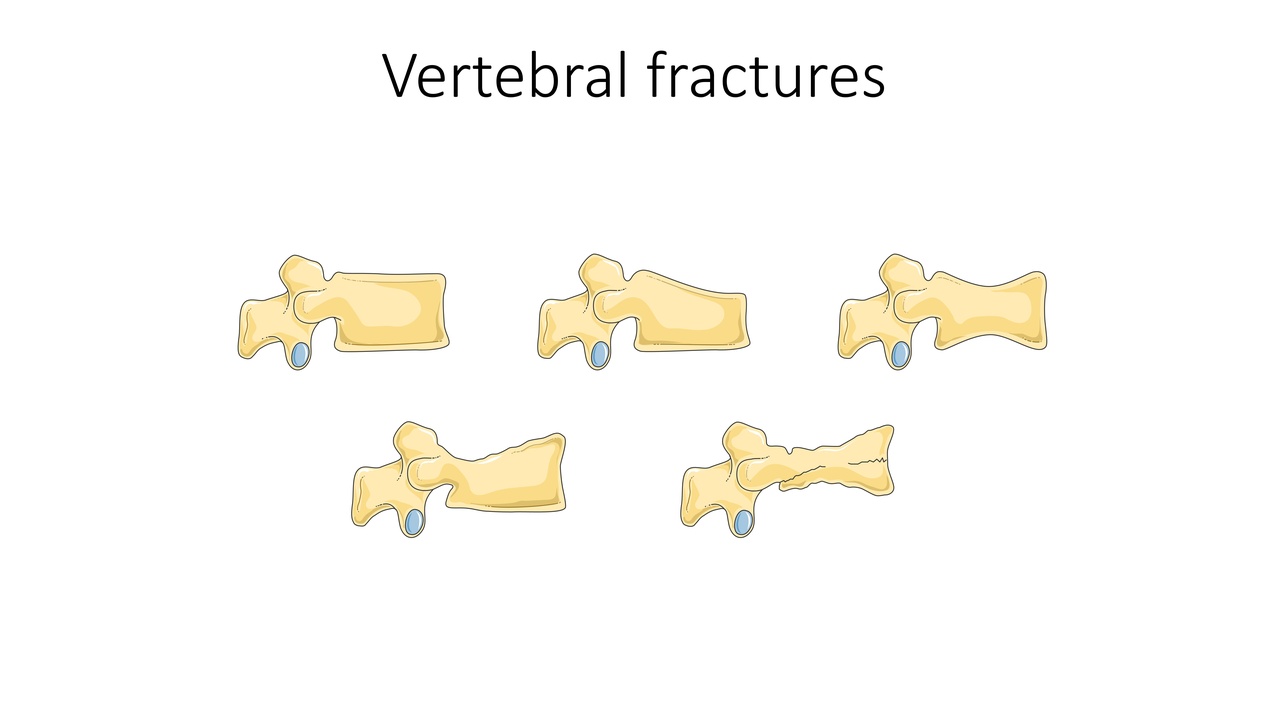
Vertebrates are defined by an internal endoskeleton that includes a vertebral column; this internal support lets many vertebrates grow large and repair bone over time. By contrast, invertebrates lack a backbone and rely on a mix of strategies: rigid exoskeletons (arthropods), shells (many mollusks), muscular hydrostats (squid arms), or simply body fluids under pressure (cnidarian and annelid coeloms).
The numbers make the point: there are roughly 66,000 described vertebrate species versus more than 1.3 million described invertebrate species, meaning invertebrates account for about 97% of described animal diversity. An internal skeleton supports indeterminate or very large growth — blue whales and elephants are good examples — while an exoskeleton gives excellent protection and muscle attachment for small, agile animals such as beetles and crabs but forces molting, which constrains size and makes growth episodic.
Real-world consequence: endoskeletons enabled the evolution of large terrestrial vertebrates that shape landscapes, whereas exoskeletons enable small animals to dominate niches that require armor, wings, or jointed limbs.
2. Symmetry, segmentation, and appendages
Both groups display bilateral symmetry commonly, but invertebrates show a wider range of body plans including radial symmetry (jellyfish), repeated segmentation (earthworms, arthropods), and even asymmetry in some sponges. Vertebrates typically have bilateral symmetry centered on a segmented vertebral column and paired appendages (fins, limbs).
Segmentation in many invertebrates is a foundation for specialization. Arthropods, for example, combine body segments with jointed appendages to produce legs, antennae, and mouthparts that can be adapted for walking, sensing, or feeding. Consider beetles: Coleoptera includes roughly 400,000 described species, a reminder that specialized limb designs help drive diversity.
In short, vertebrates follow a more constrained body plan that supports large size and complex internal organs, while invertebrates experiment with modular, varied morphologies that underlie their huge species richness.
Nervous-system and sensory differences
3. Centralization: brains, ganglia, and neural organization
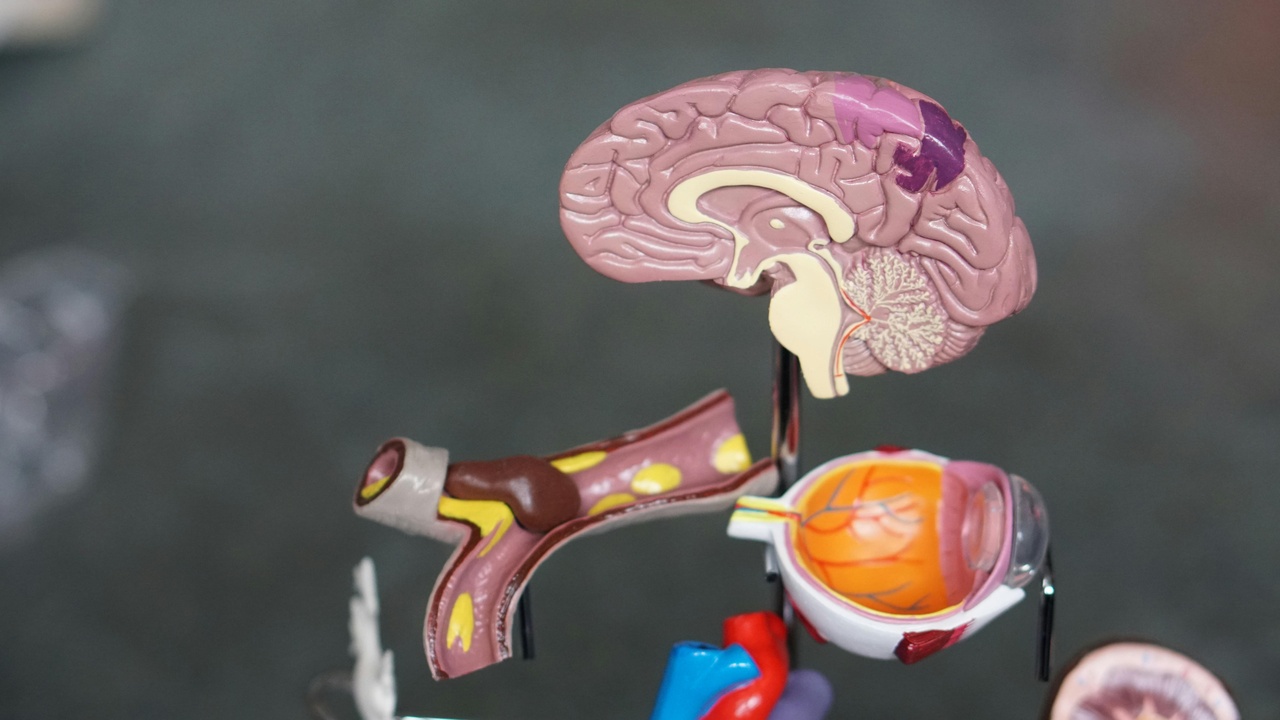
Vertebrates typically have a centralized nervous system made up of a brain and spinal cord. That layout supports large-scale integration and complex behaviors; humans, for example, have about 86 billion neurons. Many invertebrates, by contrast, organize nerves into distributed ganglia or differently arranged brains but can still accomplish impressive cognition: the common octopus has on the order of 500 million neurons and shows problem solving, tool use, and individual learning.
These different architectures illustrate a broader biological theme: similar behavioral complexity can arise from very different neural designs. That fact has practical implications: engineers study decentralized control in insects and octopuses for robotics, while neuroscientists use invertebrate models to probe fundamental mechanisms of learning and memory.
Examples: octopus problem-solving and flexible motor control, honeybee navigation and the waggle dance, and specialized reflex circuits in many arthropods.
4. Sensory systems and special senses
Sensory adaptations reflect ecological niches. Vertebrates have organs such as complex camera-type eyes, inner ears for balance, and, in some fish, lateral-line systems to detect water movement. Sharks add electroreception to find buried prey.
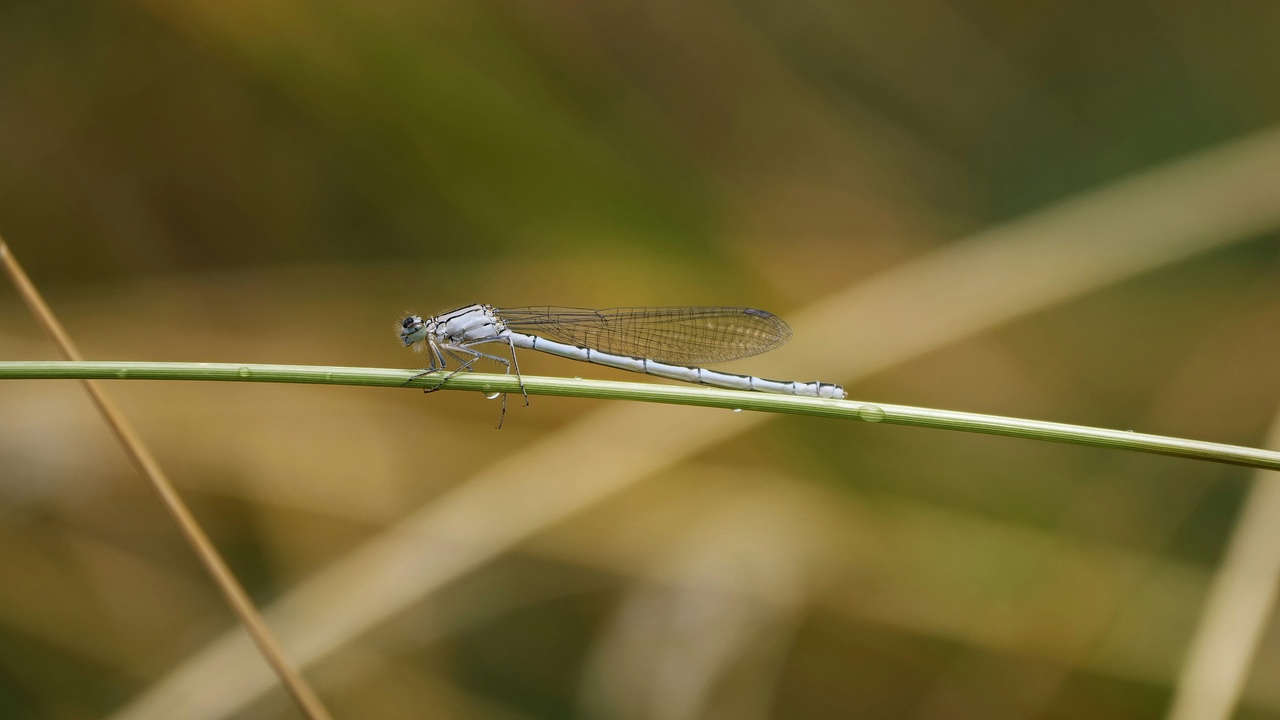
Invertebrates offer striking specializations: insect compound eyes (dragonflies) give wide fields of view and fast motion detection, antennae provide exquisite chemoreception, and moths can detect single pheromone molecules at astonishing sensitivity levels. Humans have already borrowed from these designs — compound-eye optics inspire multi-lens cameras, and insect olfactory biology informs chemical sensors.
These sensory differences not only influence behavior but also how species interact in ecosystems, how we monitor pests, and how we design bioinspired technology.
Reproduction and development
5. Fertilization, parental care, and life-history strategies
Both vertebrates and invertebrates use internal and external fertilization, but the patterns differ and shape life histories. Many fishes and amphibians spawn externally; many insects lay large numbers of eggs with minimal parental care; birds and mammals often invest heavily in fewer young. Salmon, for example, undertake mass migrations to spawn, a life-history trait critical to fisheries and conservation.
Reproductive strategies range from r-selected (many offspring, limited care) to K-selected (few offspring, high investment). In practice, many invertebrates lean r-selected — some insects lay hundreds to thousands of eggs — while many vertebrates fall toward K-selection, although exceptions exist (e.g., broadcast-spawning corals and some fish).
Applications: aquaculture and fisheries management must account for spawning behavior and parental care, while pest control often exploits high reproductive rates to target population bottlenecks.
6. Developmental modes: metamorphosis, larvae, and growth patterns
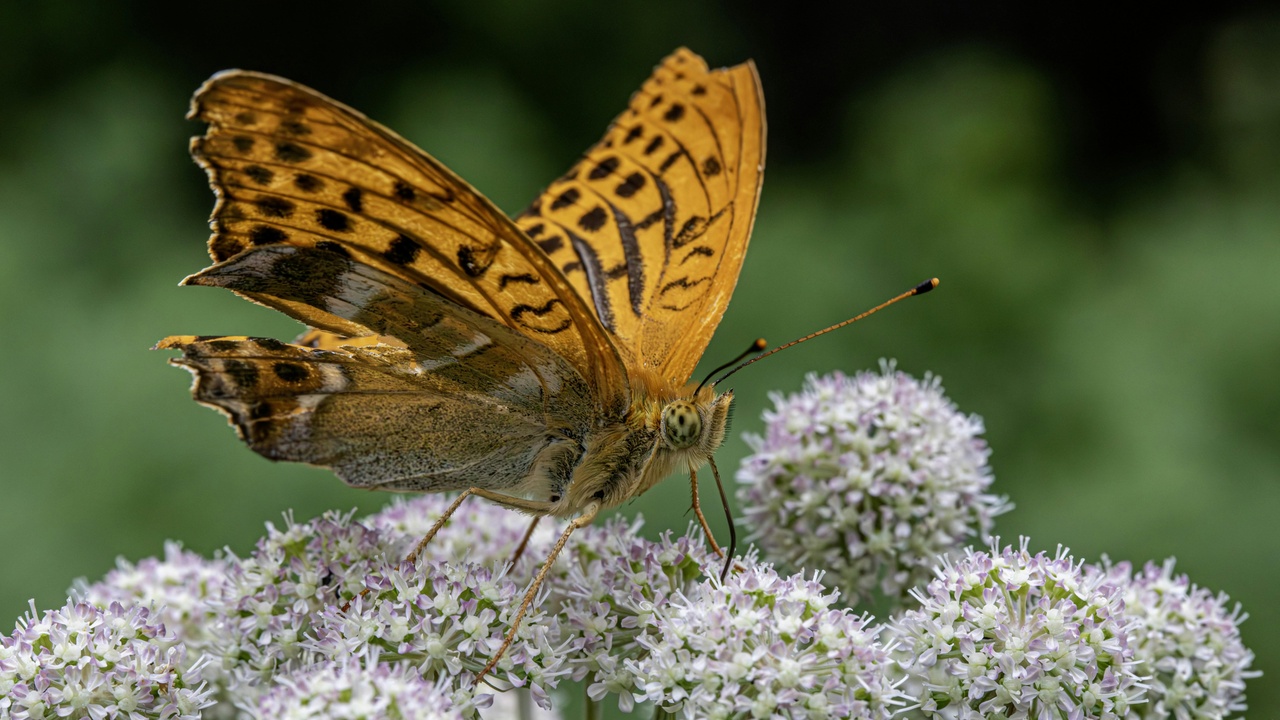
Developmental modes vary widely. Many invertebrates show indirect development with distinct larval stages and metamorphosis; holometabolous insects (beetles, flies, butterflies) undergo complete metamorphosis from larva to pupa to adult. Among vertebrates, amphibians are the classic example of dramatic metamorphosis (tadpole to frog).
Metamorphosis has important ecological consequences: life stages often occupy different niches, reducing competition between young and adults and complicating management. For instance, agricultural pest control may be most effective when targeting the larval stage rather than the adult.
Fact: holometabolous groups contain many of the most speciose insect clades and help explain why insects dominate terrestrial animal diversity.
Diversity, ecological roles, and human relevance
7. Ecosystem services and ecological importance
Invertebrates underpin many foundational ecosystem functions: pollination, decomposition, nutrient cycling, and soil engineering. Roughly 75% of global crop types benefit from animal pollination to some degree, with bees (Apis mellifera and many wild species) as key players. Earthworms improve soil structure and nutrient availability for plants.
Vertebrates often occupy higher trophic roles and act as ecosystem engineers or indicators of ecosystem health. Apex predators like wolves can trigger trophic cascades that reshape landscapes, while many fish species support food webs and human livelihoods through fisheries.
Losses among invertebrates or vertebrates can cascade through ecosystems; authoritative sources such as IUCN and FAO track declines and provide data for conservation planning.
8. Economic, medical, and scientific relevance to people
Both groups matter enormously to human economies and science. Invertebrates supply products like honey and silk and are central to pollination services that underpin agriculture. Vertebrates are primary food suppliers through capture fisheries and livestock, providing protein for hundreds of millions globally.
Scientific models span both realms: invertebrates such as Drosophila melanogaster and Caenorhabditis elegans (whose genome was sequenced in 1998) have driven genetics and development research, while vertebrate models like the zebrafish (Danio rerio) illuminate vertebrate embryology and disease. Pharmacology also benefits from biodiversity: cone snail toxins have led to pain-management drug leads.
For numbers and policy, institutions like FAO, NOAA, NIH, and museums such as the Smithsonian are good starting points when seeking authoritative data on fisheries, model organisms, and ecosystem services.
Summary
- Skeletons matter: vertebrates’ internal endoskeletons enable large body size and internal organ complexity, while invertebrates’ exoskeletons and hydrostatic systems favor protection, agility, and modular forms; remember that roughly 97% of described animal species are invertebrates.
- Nervous and sensory systems show alternative solutions: centralized brains in vertebrates versus distributed ganglia or differently organized brains in many invertebrates, yet both can produce sophisticated behavior (humans ~86 billion neurons; octopus ~500 million).
- Reproduction and development shape life histories: many invertebrates use high-offspring, low-care strategies and metamorphosis, while many vertebrates invest more in fewer young — patterns that affect conservation, aquaculture, and pest control.
- Both groups are essential to people and ecosystems: pollinators support ~75% of crop types, fisheries feed hundreds of millions, and model organisms from Drosophila to zebrafish drive biomedical advances.
- Curious what you can do next? Support local pollinator habitats, learn more at a natural-history museum, or follow IUCN and FAO reports to stay informed about biodiversity and conservation.