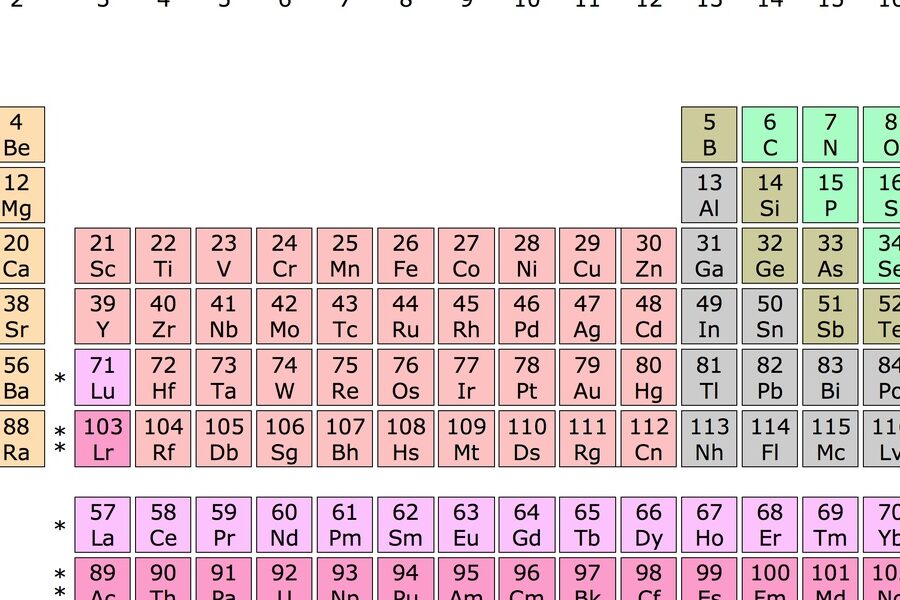
In 1798 Louis-Nicolas Vauquelin isolated beryllium, and since then this lightweight metal (atomic number 4) has had outsized importance in aerospace and nuclear technology because of how it reacts with other elements. The metal melts at about 1,287°C, forms unusually covalent compounds for an alkaline-earth element, and carries a serious inhalation toxicity that shapes how engineers and chemists handle it. You should care because controlled reactions with beryllium make products like the James Webb Space Telescope’s beryllium mirrors, specialized X‑ray windows, and components in some nuclear systems possible—while uncontrolled reactions or dust release create major health risks. Below is a practical look at the seven elements beryllium reacts with, describing the chemistry, typical conditions (room temperature vs. high heat), products formed, real-world uses, and safety implications.
Halogens: Fluorine and Chlorine
Halogens are the most electronegative nonmetals and readily combine with many metals. Beryllium’s small ionic radius and relatively high ionization energy make its halides unusually covalent in character, so the general formula BeX2 masks a range of structures—from network solids to volatile molecular species.
Practically, beryllium halides are made at elevated temperatures or with activated halogen reagents; fluorine is the most aggressive, chlorine less so. The resulting salts have distinctive properties—BeF2 forms a silica‑like network, while BeCl2 tends to polymerize in the solid but exists as discrete molecules in the vapor. Industrial uses span from specialty glass and fluxes to Lewis‑acid chemistry, and the reactions themselves require strict containment because halogen gases and soluble beryllium salts are hazardous.
1. Fluorine (F) — Vigorous fluorination producing BeF2
Fluorine reacts vigorously with beryllium to yield beryllium fluoride: Be + F2 → BeF2. The fluorination is exothermic and can proceed at relatively low temperatures compared with other halogens, so processes use diluted F2 or specialized reactors.
BeF2 adopts a tetrahedral network structure similar to silica and melts at roughly 800–900°C (approximate, depending on phase and impurities). It dissolves to give fluoride species and appears in some specialty optical glasses and flux mixtures used for crystal growth. Industrial fluorination demands inert atmospheres, scrubbers, and tight personnel controls because elemental fluorine is corrosive and both fluorides and beryllium dust are toxic when inhaled.
2. Chlorine (Cl) — Forming BeCl2 with covalent character
Chlorine will react with heated beryllium metal to form beryllium chloride: Be + Cl2 → BeCl2. Direct chlorination generally requires elevated temperature or activated chlorine gas to proceed at a practical rate.
BeCl2 is much more covalent than a typical ionic chloride; in the solid state it tends to form polymeric chains, while in the gas phase it exists as monomeric or dimeric molecules. Historically it’s been used as a Lewis acid in certain organic and organometallic preparations. Care is required because hydrolysis of BeCl2 in moist air yields acidic products (and HCl vapors), and soluble beryllium salts are inhalation hazards.
Oxygen and Sulfur: Oxide and Sulfide Chemistry
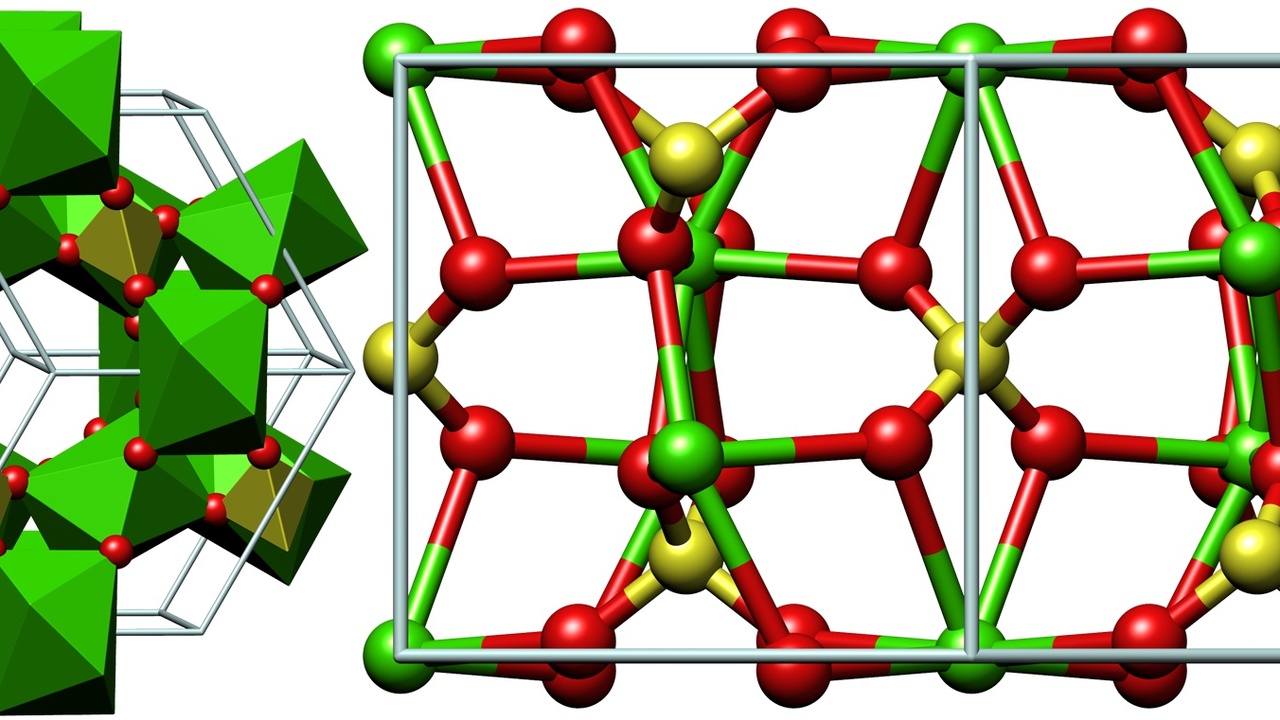
Beryllium reacts with oxygen and other chalcogens to produce stable, often refractory compounds. In air at room temperature beryllium forms a thin, adherent BeO layer that passivates the surface; at higher temperatures the oxide grows to bulk BeO with markedly different behavior. Sulfide chemistry requires higher energy input and produces compounds with distinct electronic and optical characteristics.
BeO stands out for its very high melting point and thermal conductivity, which makes it valuable in heat‑management and high‑temperature electrical insulation. By contrast, BeS forms under sulfurizing conditions and can alter corrosion and conductivity in ways that are often undesirable in service. Both oxides and sulfides require strict dust controls due to the toxicity of beryllium compounds.
3. Oxygen (O) — Oxidation and formation of BeO
On exposure to air beryllium quickly develops a thin, adherent layer of beryllium oxide that passivates the metal surface and slows further corrosion. At elevated temperatures the oxide layer thickens and bulk BeO forms.
BeO has a very high melting point (about 2,570°C), good thermal conductivity, and excellent electrical insulation, which is why BeO ceramics appear in heat‑dissipating substrates and high‑temperature insulators. Note that BeO powder is a serious inhalation hazard, so machining or processing ceramics requires sealed systems and respiratory protection.
4. Sulfur (S) — Formation of beryllium sulfide under heat
Beryllium reacts with sulfur at elevated temperatures to form beryllium sulfide (BeS), typically by direct combination or by treating beryllium compounds with H2S under heat. The basic stoichiometry is Be + S → BeS (formed at high temperature).
BeS has optical and electronic properties distinct from BeO and can be prepared intentionally in research settings. In industrial contexts, sulfur contamination at high temperatures may produce unwanted sulfides that change corrosion behavior or electrical performance, so processes that could introduce sulfur are tightly controlled.
Light Nonmetals and Carbon: Nitride, Hydride, and Carbide Formation
Beryllium also reacts with light nonmetals—nitrogen and hydrogen—and with carbon under energetic conditions to form nitrides, release hydrogen via steam or acid attack, and yield carbides. Most of these transformations require elevated temperatures or reactive environments rather than occurring at ambient conditions.
The resulting Be3N2, the hydrogen‑evolution behavior, and Be2C carbide each play roles in refractory materials science, chemical synthesis, and metallurgical considerations. As always, producing or handling powders and reaction products demands strict controls because of beryllium’s toxicity.
5. Nitrogen (N) — Formation of beryllium nitride (Be3N2) at high temperature
Beryllium will combine with nitrogen when heated to produce beryllium nitride according to 3 Be + N2 → Be3N2. Synthesis typically takes place at several hundred degrees Celsius or higher in a nitrogen atmosphere.
Be3N2 is a refractory ceramic studied for high‑temperature applications and as a precursor for other beryllium‑containing materials. Laboratory production is usually confined to controlled atmospheres and closed systems to avoid airborne particles; nitrides often require similar safety precautions to oxides.
6. Hydrogen (H) — Reaction with steam and acids to release H2
Metallic beryllium is relatively unreactive with cold water, but it reacts with steam at high temperature producing BeO and hydrogen: Be + H2O (steam) → BeO + H2. Beryllium also dissolves in mineral acids to give soluble beryllium salts and liberate H2 gas.
Hydrogen evolution in high‑temperature oxidation or during acid dissolution is a flammability and process safety concern. Any operation that could produce H2 must include ventilation, gas monitoring, and controls, while containment is needed to prevent release of beryllium‑bearing aerosols.
7. Carbon (C) — High-temperature carbide formation (Be2C)
Under high‑temperature conditions in the presence of carbon, beryllium can form a carbide commonly represented as Be2C. Synthesis methods include direct combination or carbothermal reduction of oxide precursors.
Be2C is hard and refractory, and its formation during metallurgy or heat treatment can alter mechanical properties and performance. Preventing unwanted carbide formation means controlling carbon sources and furnace atmospheres, and any processing that generates dust or fumes must be engineered to minimize worker exposure.
Summary
- Elements beryllium reacts with include fluorine, chlorine, oxygen, sulfur, nitrogen, hydrogen, and carbon (F, Cl, O, S, N, H, C).
- Typical conditions vary: halides often need activated halogen or heat (fluorination can be vigorous), oxides form readily and passivate at room temperature but grow at high temperature, and nitrides/carbides require elevated temperatures.
- Industrial significance is high: BeO ceramics for heat sinks and insulators, BeF2 in specialized glass and optics, and beryllium metal used in aerospace (for example, JWST mirrors) and select nuclear applications.
- Safety is paramount: beryllium metal and compounds are toxic by inhalation. Minimize dust, fumes, and aerosols; use enclosed processes, appropriate respirators, and local exhaust. Consult authoritative workplace standards such as OSHA and CDC for exposure limits and handling guidance.
- When working with beryllium chemistry, design processes to control atmosphere, temperature, and potential contaminant sources (halogens, sulfur, carbon), and treat effluent gases and powders with robust containment and scrubbing.