Peru’s varied landscapes—from Andean highlands to coastal basins—make it one of the world’s richest sources of mineral resources, supporting towns, exports and regional industry. Mining is woven into local economies and ecosystems, so a clear, simple list helps track what’s produced where and at what scale.
There are 20 Minerals in Peru, ranging from Antimony to Zinc (Antimony,Zinc). For each mineral you’ll find below Category,Production (2023, t),Major mines / regions so you can quickly see type, 2023 output in tonnes, and the primary producing areas — use this to compare scale and regional importance as you scroll through the list you’ll find below.
Which minerals drive Peru’s mining revenue the most?
Copper, gold and silver account for the largest share of export value and fiscal revenue, with zinc and lead also important; copper is dominant by volume and value. Look at the Category and Major mines / regions columns to see which deposits (southern highlands, central Andes, coastal belts) host the biggest operations and therefore the biggest economic impact.
How should I interpret the “Production (2023, t)” numbers?
Treat the 2023 production figures as a rough scale of output—tonnes are useful for volume comparison but not for value parity (a tonne of copper is worth far more than a tonne of iron). Combine Production (2023, t) with Category and Major mines / regions to judge economic significance, and remember that recovery rates and ore grades affect real value.
Minerals in Peru
| Name | Category | Production (2023, t) | Major mines / regions |
|---|---|---|---|
| Copper | base metal | 2,600,000 | Antamina, Cerro Verde, Las Bambas, Toquepala |
| Gold | precious metal | 150 | Yanacocha, Lagunas Norte, La Zanja, Cerro Corona |
| Silver | precious metal | 3,200 | Cerro de Pasco, Uchucchacua, Antamina |
| Zinc | base metal | 1,300,000 | Antamina, Cerro Lindo, Antapaccay |
| Lead | base metal | 420,000 | Cerro de Pasco, Morococha, Antamina |
| Tin | base metal | 33,000 | San Rafael; Puno and Ancash districts |
| Molybdenum | base metal | 6,000 | Cerro Verde, Toquepala, Antamina |
| Iron ore | base metal | 40,000,000 | Marcona mine, Ica region |
| Phosphate rock | fertilizer | 4,000,000 | Bayóvar, Sechura desert, Piura region |
| Salt (halite) | industrial mineral | 2,000,000 | Sechura and coastal saltworks (Piura, Ica) |
| Gypsum | industrial mineral | 500,000 | Arequipa, Ica coastal deposits |
| Limestone | industrial mineral | 3,000,000 | Lima, Ancash, Piura regions |
| Kaolin | industrial mineral | 50,000 | Piura, Lima regions |
| Diatomite | industrial mineral | 20,000 | Arequipa and coastal basins |
| Bentonite | industrial mineral | 40,000 | Ica, Arequipa regions |
| Manganese | base metal | 10,000 | Loreto and Amazonian regions |
| Antimony | base metal | — | Huancabamba and northern districts |
| Fluorite | industrial mineral | 5,000 | Huancavelica and southern districts |
| Emerald | gem | — | Cajamarca and La Libertad regions |
| Opal | gem | — | Cajamarca, Huancavelica |
Images and Descriptions
Copper
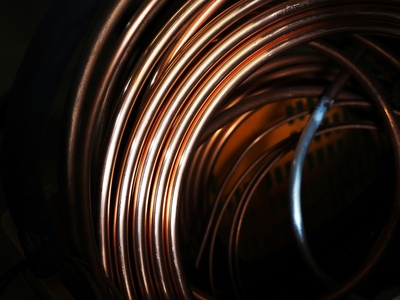
Peru is a top global copper producer; copper drives exports and mining investment. Used in electrical wire, infrastructure, and electronics. Major porphyry deposits supply concentrate to global markets; key mines include Antamina, Cerro Verde and Las Bambas in southern and central Peru.
Gold
Gold is a major export and monetary metal in Peru, produced by large mines and artisanal miners. Used in jewelry, electronics and reserves. Peru’s high-altitude deposits produce dore and concentrate, with environmental and small-scale mining issues shaping policy.

Silver
Peru is the world’s top silver producer, with both primary silver mines and byproduct from base metal operations. Silver is used in jewelry, industrial applications and electronics; Peruvian silver supports mining towns and significant export revenues.
Zinc
Zinc is Peru’s leading base metal by volume, produced as concentrates from polymetallic skarn and VMS deposits. Used for galvanizing, alloys and chemicals. Zinc mining supports smelters and export markets, with Antamina among major producers.
Lead
Lead is recovered mainly as a byproduct of polymetallic mining in Peru. It’s critical for batteries, radiation shielding and alloys. Production comes from historic mining districts, with environmental management important due to lead’s health impacts.
Tin
Tin is mined from cassiterite-bearing veins and alluvial deposits, used for solder, alloys and plating. Peru is a medium-sized tin producer, with both modern and artisanal operations concentrated in Andean regions supplying international markets.
Molybdenum
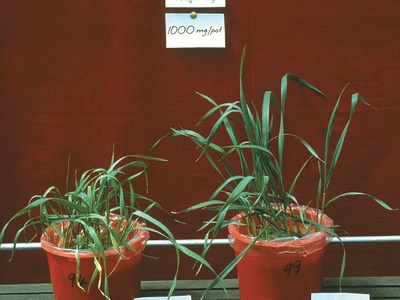
Molybdenum is produced largely as a byproduct of copper porphyry mines in Peru. Used in steel alloys, petrochemical catalysts and lubricants. Peru’s moly supports alloy and industrial applications though production is modest compared to copper.
Iron ore
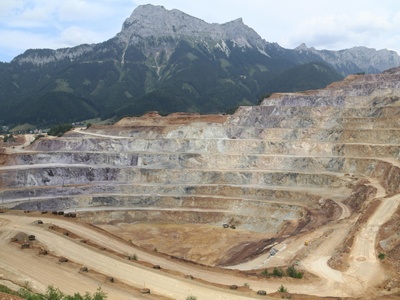
Iron ore from Marcona and coastal deposits supplies domestic steelmaking and exports. Peru’s iron production is significant regionally, feeding local industry and export markets, though it trails Latin America’s largest producers in volume.
Phosphate rock
Phosphate rock from Bayóvar is Peru’s main fertilizer feedstock export, used for phosphate fertilizers and industrial chemicals. Large open-pit operations supply concentrates for domestic use and international fertilizer markets, important for agricultural supply chains.
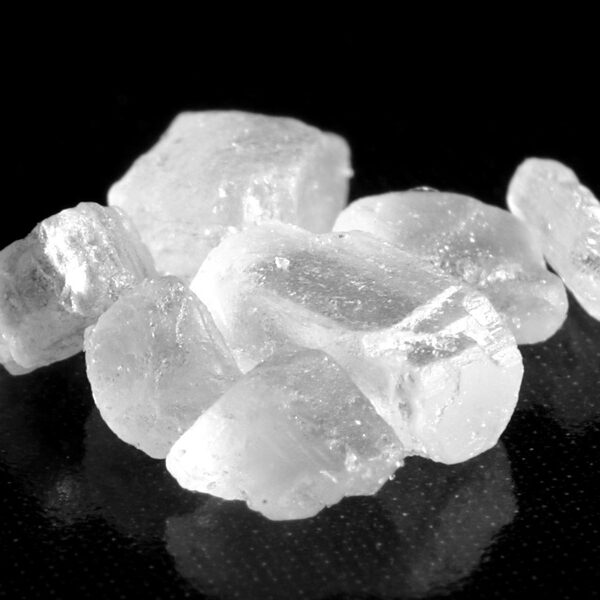
Salt (halite)
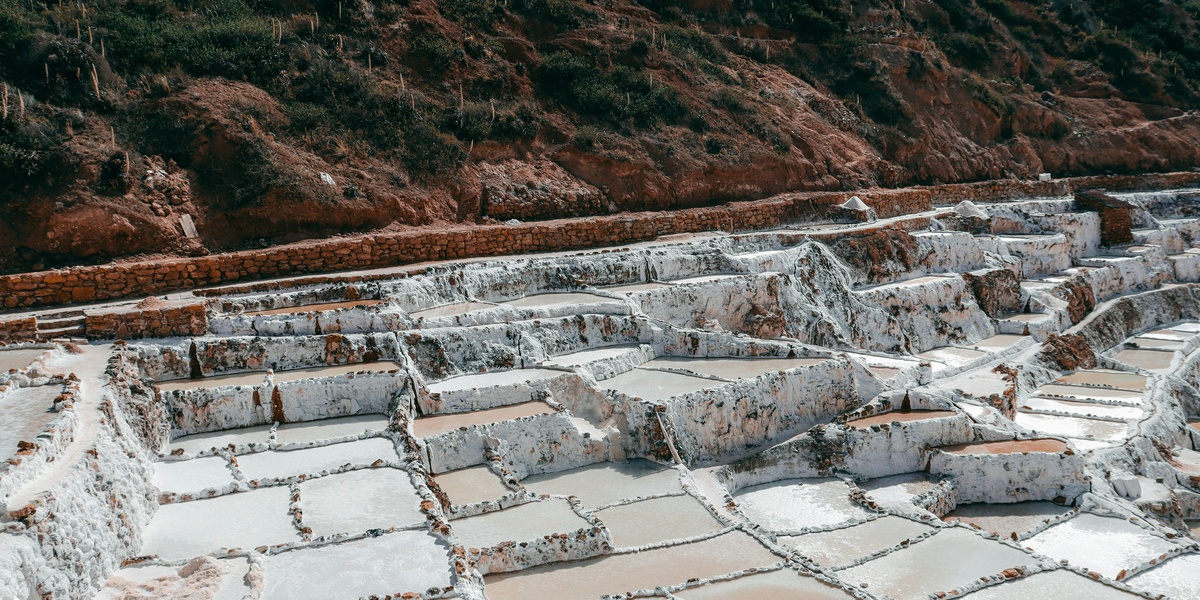
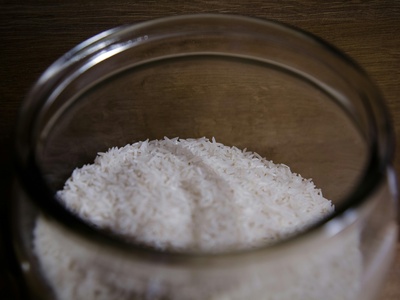
Natural sea and rock salt are produced along Peru’s coast and salt pans. Salt is essential for food, chemical industries and road de-icing, with production concentrated in Piura and Ica regions from evaporation and mineral deposits.
Gypsum
Gypsum is used in cement, plaster and construction materials. Peru mines gypsum from near-surface deposits to supply local construction and cement plants, supporting the booming infrastructure and housing sectors. It is economically important regionally.
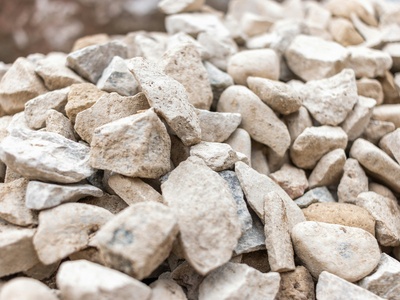
Limestone
Limestone is quarried for cement, lime and construction aggregates. Peru’s cement industry relies on regional limestone deposits, supporting domestic construction, infrastructure projects and export of some industrial lime products across the country.
Kaolin
Kaolin (white clay) is used in ceramics, paper coating and plastics. Peru supplies domestic ceramics and paper industries and small exports; deposits are mined in northern coastal and central districts.
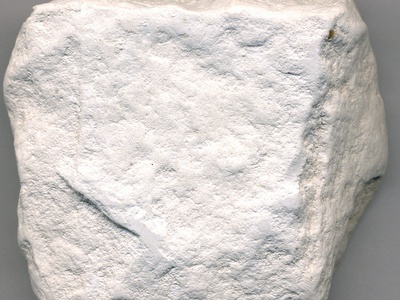
Diatomite
Diatomite (diatomaceous earth) is used for filtration, insulation and as an industrial absorbent. Peru’s deposits serve local mining, water treatment and agricultural industries, with small-scale extraction near coastal basins and processing facilities.
Bentonite
Bentonite clay is valued for drilling mud, foundry binders and absorbents. Peru mines bentonite for oilfield, industrial and agricultural uses, with deposits in southern coastal regions supplying local and export markets.
Manganese
Manganese is recovered from small deposits and alluvial sources; used in steelmaking and batteries. Peru’s manganese output is modest but supports local alloy production and acts as byproduct in polymetallic mining districts.
Antimony
Antimony (stibnite) occurs in Peru’s polymetallic veins and historically supplied flame retardants, batteries and alloys. Contemporary production is limited; deposits attract exploration for potential industrial supply if markets and infrastructure improve.
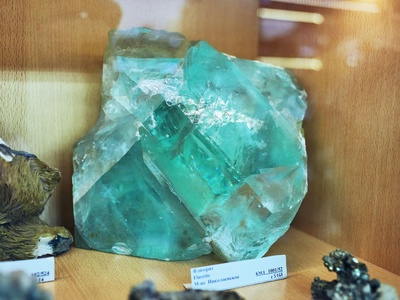
Fluorite
Fluorite (fluorspar) is used in metallurgical fluxes, chemicals and hydrofluoric acid production. Peru produces small volumes from vein deposits, supplying local industry and niche export markets while exploration targets larger resources.
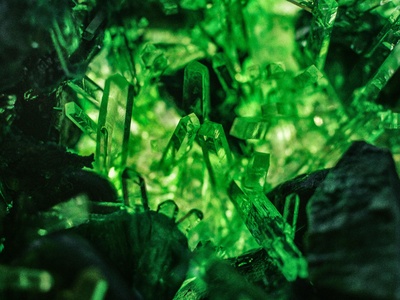
Emerald
Emeralds are found in northern Peru; gem-quality stones are mined from hydrothermal veins. Peru produces small amounts for the jewelry market and artisanal miners, attracting collectors and small-scale export trade.
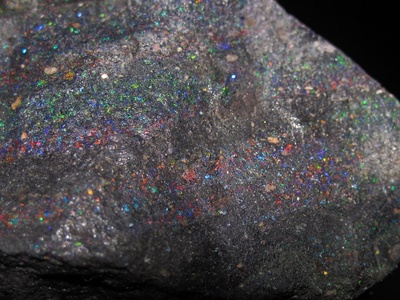
Opal
Peruvian opal, including fire and common opal, is mined in small quantities for gemstones and lapidary crafts. Opal mining supports local artisans and tourist markets, with unique color varieties prized by collectors.