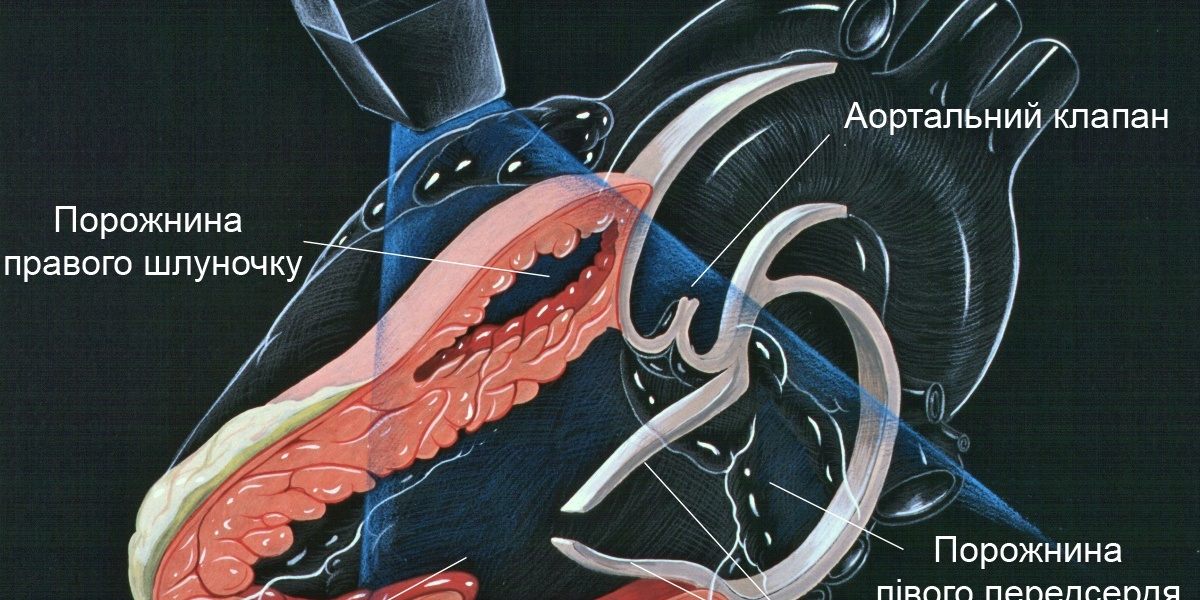
In 1628 William Harvey published “De Motu Cordis,” the first clear description of blood circulation — a discovery that reshaped medicine and set the stage for centuries of heart research.
But the heart is more than a pump. It’s a resilient, complex organ with quirks and capacities that matter for individual health, technology and public policy. Most people know it pumps blood, yet few appreciate the mechanics, the lifetime workload or how medical devices and simple habits change outcomes.
Here are ten compelling things to know: interesting, actionable facts about the heart that range from anatomy to care. An average heart beats roughly 3 billion times in a lifetime. Next up: the basics of how the organ works.
Anatomy and Function
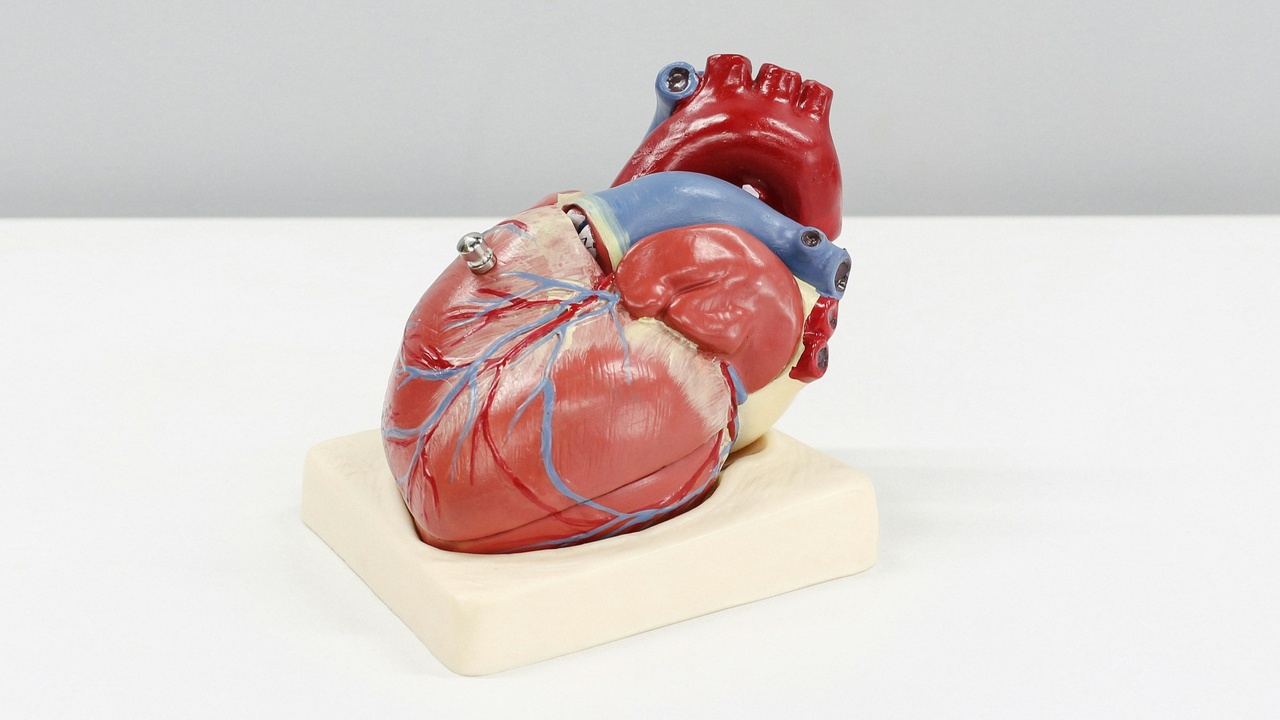
1. The heart is about the size of your fist — and it weighs 250–350 grams in adults
An adult heart typically weighs between about 250 and 350 grams and fits roughly within a clenched fist. Average male hearts are nearer the upper end (around 300 g) while average female hearts often measure closer to 250 g.
Heart size scales with body size and conditioning: endurance athletes often develop mildly larger, stronger hearts without disease. That “fist” comparison also explains where chest compressions are placed during CPR — over the lower half of the sternum, directly above the heart.
2. It beats roughly 60–100 times per minute at rest and about 3 billion times in an average lifetime
A typical resting heart rate in adults is 60–100 beats per minute. Infants and young children can run 120–160 bpm, while well-trained athletes often rest in the 40s or 50s.
Simple math shows how the lifetime total adds up: at 70 bpm, the heart makes about 100,800 beats per day and roughly 36.8 million per year — roughly 3 billion by age 80. Heart rate matters because many medications and fitness programs aim to lower or control it for safety and longevity.
3. The heart has four chambers and four main valves that direct blood flow
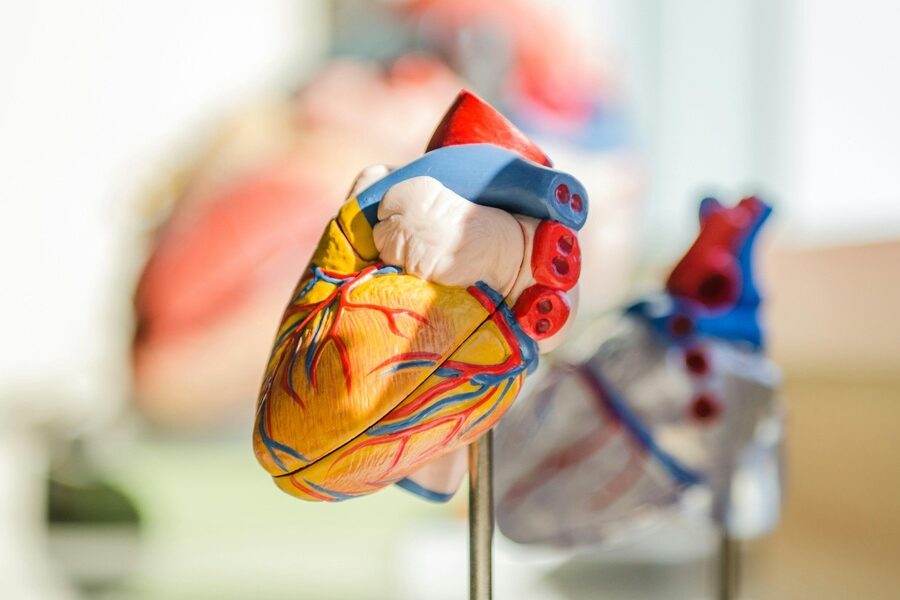
The heart contains two atria (upper chambers) and two ventricles (lower chambers). Blood flows from the body into the right atrium, to the right ventricle, then to the lungs; oxygenated blood returns to the left atrium, moves to the left ventricle, and is pumped to the body.
Four main valves — tricuspid, pulmonary, mitral and aortic — ensure one-way flow. Valve disease, like mitral regurgitation or aortic stenosis, can cause fatigue, shortness of breath and heart failure but is often treatable with repair, surgical replacement or transcatheter valve intervention.
4. An electrical system, led by the sinoatrial node, keeps the heart beating in rhythm
The sinoatrial (SA) node is the heart’s natural pacemaker, usually generating impulses at 60–100 per minute. Those signals travel to the atrioventricular (AV) node and along the His-Purkinje network to coordinate atrial and ventricular contraction.
That wiring explains arrhythmias: when signals are too fast, too slow or chaotic, the pump becomes inefficient. Atrial fibrillation is a common example; treatments range from medications to catheter ablation or implanted devices to restore safe rhythms.
Health, Disease, and Demographics
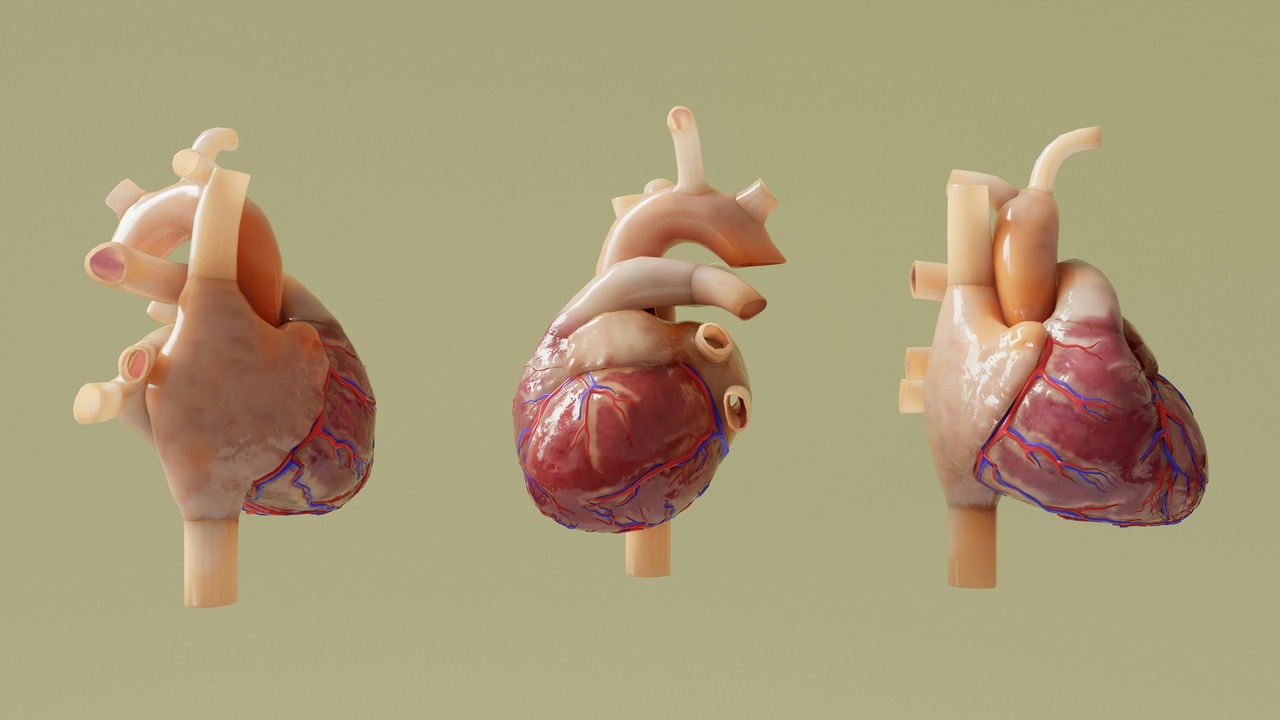
5. Heart disease is the world’s leading cause of death — responsible for millions of deaths each year
Ischemic heart disease ranks as the leading global killer. The World Health Organization estimates around 9 million deaths from ischemic heart disease in 2019, illustrating the enormous scale of the problem.
Population aging, urbanization and changing diets and activity levels contribute to this burden. High-income regions have seen declines in mortality thanks to prevention and treatment, while many low- and middle-income countries still face high early mortality.
6. Many major risk factors are modifiable — diet, activity, smoking, and blood pressure
Lifestyle choices strongly influence heart risk. Key, modifiable factors include tobacco use, high blood pressure, elevated cholesterol, unhealthy diet and physical inactivity.
Public guidelines recommend about 150 minutes of moderate activity per week and dietary patterns like the Mediterranean or DASH diets. Concrete steps — quitting smoking, choosing whole foods over processed ones, monitoring blood pressure — can substantially reduce risk.
7. Symptoms and outcomes can differ between men and women — women may have atypical heart attack signs
Women often experience heart attack symptoms that aren’t the classic crushing chest pain. Shortness of breath, nausea, jaw or back pain and unexplained fatigue are common atypical presentations.
Diabetics and older adults can have “silent” heart attacks with minimal discomfort. Because atypical signs lead to delayed diagnosis in some groups, early evaluation and a low threshold for seeking care can save time and lives.
Care, Technology, and Everyday Impacts
8. Pacemakers, ICDs, and stents are common lifesaving cardiac technologies
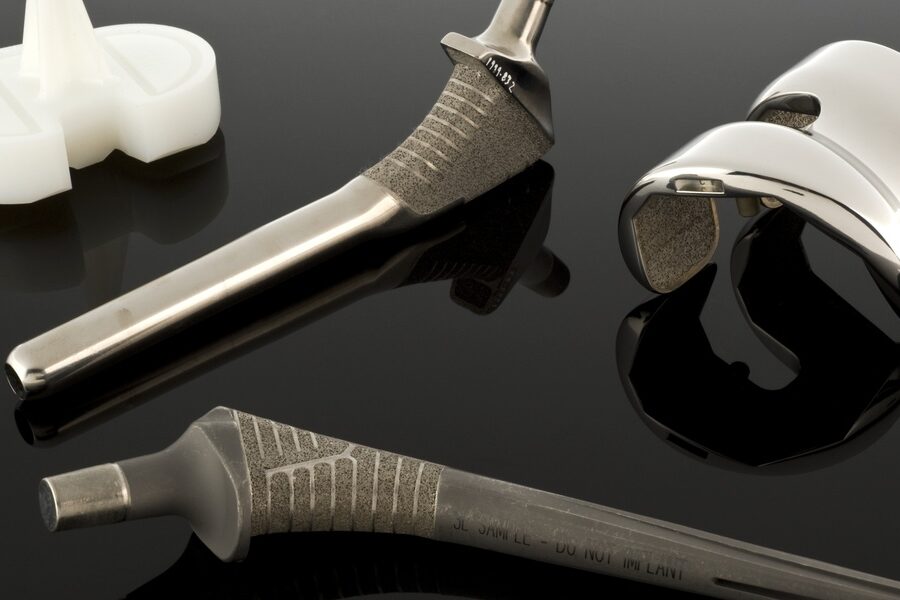
Implanted devices and percutaneous interventions have transformed outcomes. Roughly one million pacemakers are implanted worldwide each year (approximate), and many more stents are placed to reopen blocked coronary arteries.
Pacemakers prevent dangerously slow rhythms; implantable cardioverter-defibrillators (ICDs) detect and stop life-threatening fast rhythms. Percutaneous coronary intervention — placing a stent during a heart attack — reduces damage and improves survival.
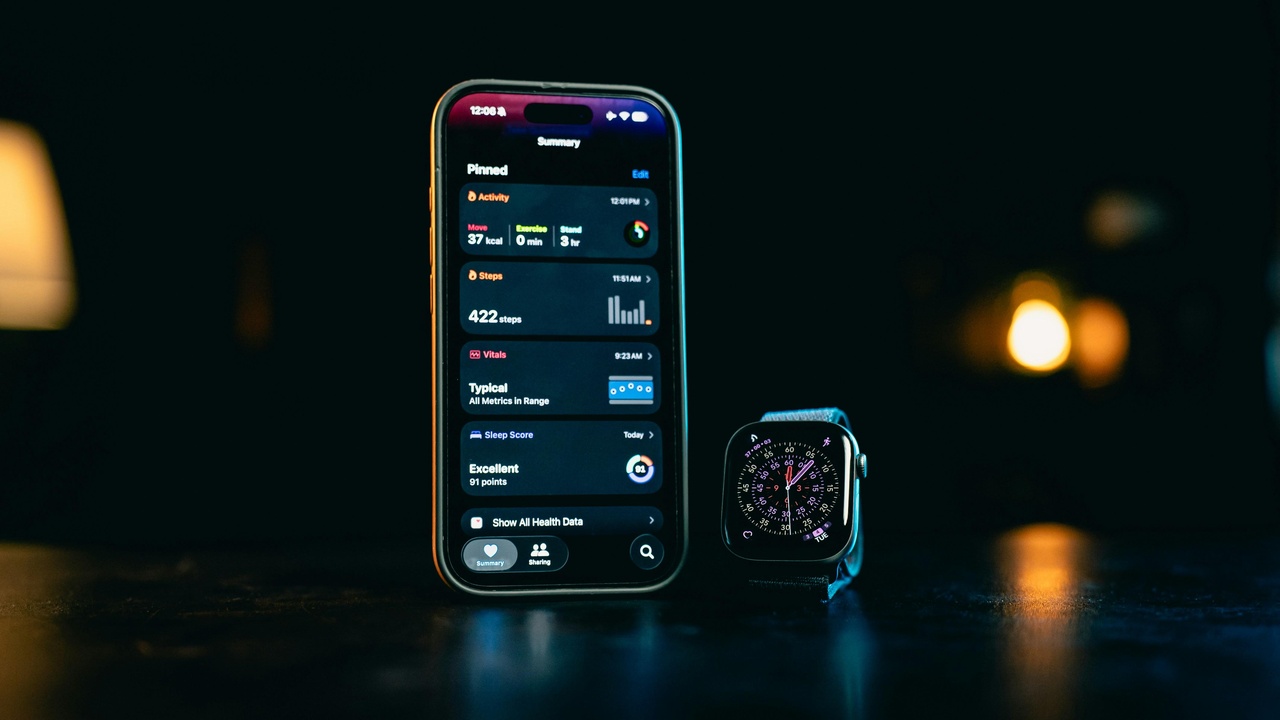
9. Consumer wearables (like smartwatches) can spot arrhythmias early
Wearables increasingly detect irregular heart rhythms and prompt clinical follow-up. Devices such as the Apple Watch (ECG feature introduced in 2018) and some Fitbit models alert users to possible atrial fibrillation or prolonged high heart rate.
These tools help screen large populations, but they have limits: false positives occur and clinical confirmation with ECG and physician assessment is required before treatment. If a wearable flags an irregular rhythm, contact a clinician for evaluation and testing.
10. Everyday choices — diet, exercise, and blood-pressure control — matter as much as medical tech
Lifestyle changes rival many medical interventions for preventing heart disease. Regular exercise (for example, a brisk 30-minute walk five days a week) and dietary shifts (swap processed meats for legumes, favor whole grains and vegetables) lower risk measurably.
Monitoring and controlling blood pressure and cholesterol, quitting smoking and limiting sodium intake are practical steps. Studies suggest that adherence to healthy lifestyle patterns can cut cardiovascular risk by a large percentage compared with unhealthy habits.
Summary
- Understanding these facts about the heart helps you see how anatomy, rhythm and lifetime workload connect to health.
- Simple actions—check your resting heart rate and blood pressure, aim for 150 minutes of activity weekly, and choose Mediterranean- or DASH-style meals—have big preventive effects.
- Modern devices and procedures (pacemakers, ICDs, stents) save lives, while wearables can help detect problems early; always confirm alerts with a clinician.
- Know atypical symptoms, especially in women, older adults and people with diabetes, and seek prompt evaluation for unusual shortness of breath, nausea or jaw/back pain.
- Adopt one small habit this week—an extra 10-minute walk, a weekly blood-pressure check or swapping a processed snack for a fruit—to start improving heart health now.