In 1797 the French chemist Louis-Nicolas Vauquelin isolated a new colorful oxide and named the element chromium — its pigments and corrosion resistance changed industry.
Chromium (atomic number 24) is chemically versatile: its multiple oxidation states (notably +3 and +6) and a high melting point (≈1907°C) let it form a wide range of compounds from stable oxides to hard covalent ceramics in one neat element.
Below are ten elements chromium commonly reacts with, grouped by chemistry; each entry explains the basic reaction, why it matters in real products or processes, and concrete examples. On to the first group: reactive nonmetals.
Reactive Nonmetals: Oxygen, Sulfur, Nitrogen
Chromium readily forms oxides, sulfides and nitrides; which phase appears depends largely on oxidation state and processing atmosphere. Chromium(III) and chromium(VI) chemistry diverge radically: Cr2O3 (chromia) is a protective, stable oxide, while CrO3 and related Cr(VI) compounds are strong oxidizers with health and regulatory concerns noted by agencies such as IARC and EPA and measurement standards from NIST.
That chemical flexibility underpins many industrial uses: a thin Cr2O3 scale gives stainless steels their corrosion resistance, sulfide and nitride phases show up in high-temperature ceramics and coatings, and oxides produce durable pigments. Note: stainless-steel passivation requires roughly 10.5% chromium in the alloy to maintain a continuous protective layer.
These are among the elements chromium reacts with; the three subsections below look at oxygen, sulfur and nitrogen in turn.
1. Oxygen (O)
Chromium reacts with oxygen to yield a range of oxides — from protective Cr2O3 to strongly oxidizing CrO3 — depending on oxidation state and conditions. Chromia (Cr2O3) adheres to iron-chromium alloys and forms the passive film that prevents rusting in stainless steels; achieving that continuous film normally requires at least ~10.5% Cr in the alloy.
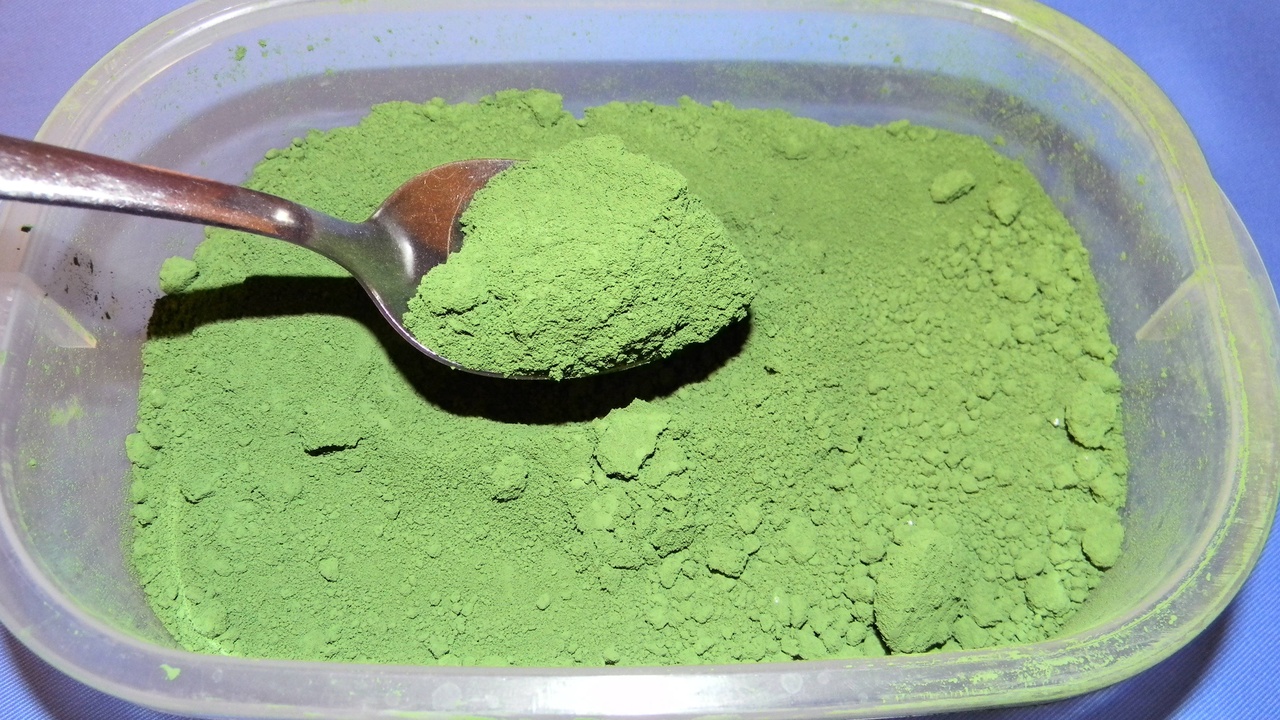
CrO3 and other hexavalent forms are used in industrial oxidations and historically in cleaning and electroplating, but they’re hazardous (carcinogenic classifications and strict disposal rules exist). Cr2O3, by contrast, is the basis for stable green pigments and refractory coatings used on high-temperature parts and in catalytic supports.
2. Sulfur (S)
Under reducing or sulfur-rich, high-temperature conditions chromium combines with sulfur to form sulfides such as Cr2S3 and related phases. These sulfides appear in some mineral contexts and can form during high-temperature processing or sulfidation in industrial furnaces.
In materials, sulfide phases influence wear and fracture behavior: they can lower friction in some composites but also promote embrittlement if present where a ductile matrix is required. Sulfur chemistry also matters in chromite ore processing, where sulfide by-products need careful environmental handling to avoid acid-generating wastes.
3. Nitrogen (N)
Chromium forms hard, wear-resistant nitrides, with chromium nitride (CrN) among the most common. Nitrides are typically deposited by techniques such as physical vapor deposition (PVD) or plasma nitriding at elevated energies and temperatures to produce dense, adherent films.
PVD CrN coatings on cutting tools and engine components boost surface hardness by several gigapascals over uncoated steels and reduce friction and wear, extending tool life in machining and improving component durability in engines and hydraulic systems.
Halogens: Fluorine and Chlorine
Chromium reacts with halogens to form halides that are useful in synthesis, surface chemistry and as precursors for other chromium materials. Fluoride and chloride chemistries differ in bond character and thermal behavior: chromium fluorides are often more ionic and thermally robust, while chlorides form common coordination compounds used in labs and industry.
Halides serve as starting materials for making catalysts, thin films and specialty salts, but many require careful handling since some are corrosive, hygroscopic or reactive with moisture.
4. Fluorine (F)
Chromium reacts with fluorine to form fluorides such as chromium(III) fluoride (CrF3) and higher fluorinated species in specialized chemistries. These fluorides tend to be thermally stable and have substantial ionic character, giving them high bond energies compared with many chlorides.
CrF3 is used as a precursor in some ceramic syntheses and in fluoride-based electrolyte chemistry. Handling elemental fluorine or aggressive fluorinating agents requires strict safety controls because fluorine is extremely reactive and toxic.
5. Chlorine (Cl)
Chromium forms several chlorides — notably CrCl2 and CrCl3 — that function as common, soluble chromium(III) sources for synthesis. CrCl3 is a staple reagent in coordination chemistry and organometallic routes and is convenient when a water-compatible chromium source is needed.
Historically, chloride-based baths appeared in metal finishing and plating processes; today chlorides remain important intermediates for making pigments, catalysts and other chromium salts, though many processes now avoid older, hazardous chromium(VI) chemistries.
Carbides, Phosphides and Borides: Carbon, Phosphorus, Boron
Chromium forms very hard, often covalent compounds with small nonmetals and metalloids — carbides, phosphides and borides — prized for hardness, wear resistance and high-temperature stability. These phases usually require high-temperature synthesis, carburizing, thermal spraying or chemical vapor deposition to make dense, adherent layers.
Carbides, phosphides and borides are central to cutting-tool coatings, turbine protection and wear-resistant components where toughness and thermal resilience matter.
6. Carbon (C)
Chromium carbides such as Cr3C2 are produced by carburizing, thermal spray or sintering and are widely used to boost wear resistance. Cr3C2-based composite coatings (often combined with NiCr binders) are common in thermal-spray systems for turbines and gas-path components.
These coatings raise surface hardness substantially versus uncoated steels and maintain abrasion resistance at high temperatures, which translates into longer service life for aerospace parts, power-generation hardware and cutting-edge industrial liners.
7. Phosphorus (P)
Chromium phosphides (for example, CrP) form under direct high-temperature combination or solid-state synthesis and are investigated for their electronic and magnetic properties. Some phosphide phases show interesting transport behavior and ordered magnetic states that researchers measure for niche applications.
Applications are mainly in specialty electronics, magnetic materials research and cases where particular band-structure or magnetic ordering is desired rather than broad industrial use.
8. Boron (B)
Chromium borides such as CrB and CrB2 are exceptionally hard and stable at elevated temperatures. Produced by high-temperature reactions or by specialized deposition, borides often outperform other hard phases on Vickers or microhardness scales in severe-abrasion contexts.
They find use in tooling substrates, wear-resistant coatings and environments where extreme abrasion or thermal cycling would destroy softer materials.
Metals and Chalcogens: Iron and Selenium
Chromium alloys with other metals (most importantly iron) to alter mechanical and corrosion behavior, and it reacts with chalcogens such as selenium to form selenides that researchers study for electronic and magnetic effects. Alloying is probably chromium’s most commercially visible role, while chalcogen chemistry yields niche but interesting materials.
Below are two key partners: iron, which defines stainless steels and corrosion-resistant alloys, and selenium, which appears in research on magnetic and semiconducting chromium chalcogenides.
9. Iron (Fe)
Chromium alloys with iron to produce stainless steels and other corrosion-resistant materials. The industry standard for stainless steels calls for about 10.5% chromium or more to form the continuous Cr2O3 passive layer that prevents rust and pitting.
Common stainless grades illustrate the point: 304 contains roughly 18% chromium and 316 about 16–18% chromium alongside other alloying elements. Those alloys show up in cookware, architectural cladding, surgical instruments and industrial piping where corrosion resistance and hygiene are essential.
10. Selenium (Se)
Chromium selenides (for example, CrSe phases) are synthesized and studied for their electronic, optical and magnetic behaviors. Chalcogenide chemistry shifts band structures and can produce semiconducting or magnetically ordered phases that are useful in thin-film and spintronic research.
Researchers have characterized CrSe thin films and bulk phases for magnetic ordering temperatures and transport properties; these are mostly of scientific interest today but could inform niche device or sensor concepts in future materials engineering.
Summary
- Chromium forms a broad palette of compounds—from protective Cr2O3 oxides that enable stainless steel to hard carbides, borides and nitrides used in coatings and tools.
- Material design hinges on oxidation state and processing: Cr(III) compounds tend to be benign and durable, while Cr(VI) species are hazardous (regulatory attention from IARC and EPA) and need controlled handling.
- Alloying with iron (≈10.5% Cr minimum) creates the passive layer that makes stainless steel so widely useful in cookware, architecture and medical devices.
- Hard ceramic phases—carbides (Cr3C2), borides (CrB/CrB2) and nitrides (CrN)—extend component life in turbines, cutting tools and extreme-wear applications.
- A handy list of elements chromium reacts with helps guide material choices and safety practices; consult safety data sheets and regulatory guidance when working with chromium(VI) or reactive halogen/fluorine chemistries.