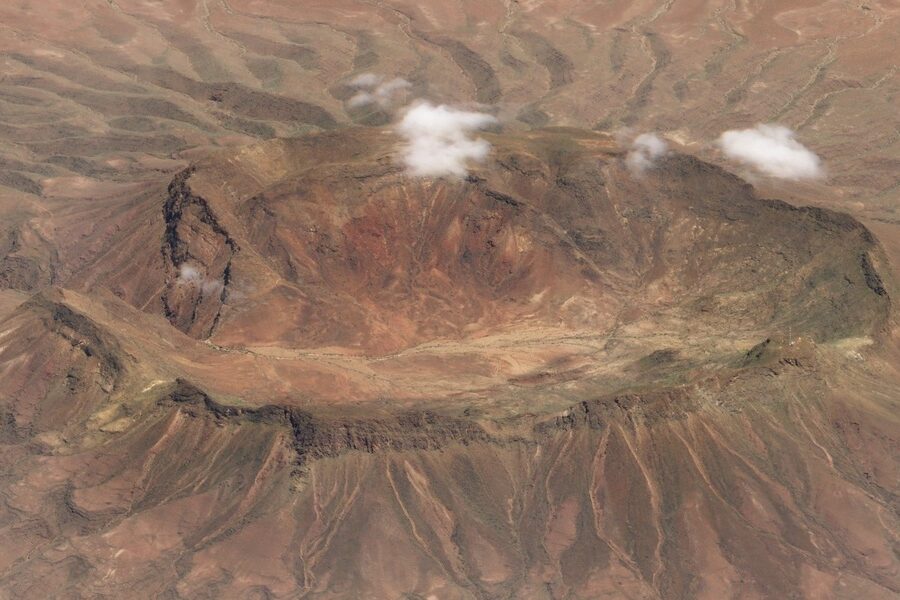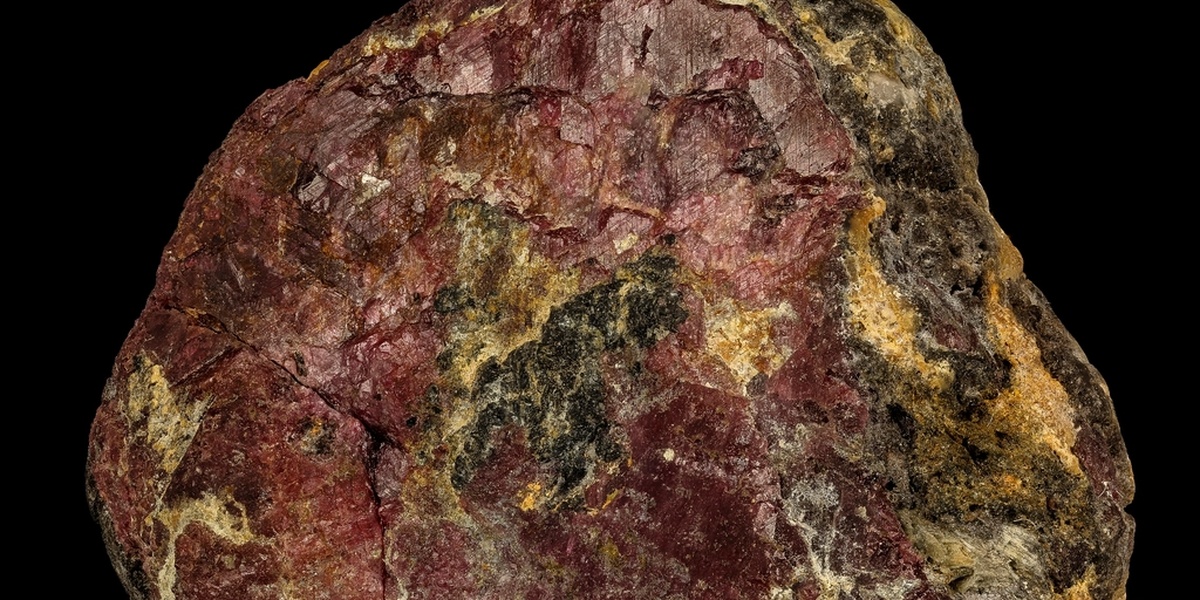
The Comoros are a small volcanic archipelago in the Mozambique Channel with a patchwork of soils and rock types that reflect their island-building history. Local communities have long used natural materials for pottery, construction and traditional industries, while formal geological work has focused on identifying potential resources across the islands.
There are 9 Minerals in the Comoros, ranging from Clay minerals,Sulfur. The list is presented with Category,Occurrence (island/area),Economic status, which you’ll find below.
Are any of these minerals commercially mined in the Comoros?
Commercial-scale mining is limited; most occurrences are small, locally used deposits such as clay and occasional sulfur seeps, with few large operations. Economic status entries indicate whether a mineral is merely reported, exploited at artisanal scale, or has commercial potential, so check those notes for which ones might be developed.
How reliable is the mineral data for a small island nation like the Comoros?
Data quality varies—some entries come from modern surveys, others from older reports or field observations—so treat records as indicative rather than exhaustive; for critical decisions, consult recent geological studies or national agencies listed in the occurrence and economic status fields.
Minerals in the Comoros
| Name | Category | Occurrence (island/area) | Economic status |
|---|---|---|---|
| Sea salt | Evaporite (halite) coastal salt pans | Coasts of Grande Comore, Anjouan, Mohéli | Artisanal |
| Sand | Industrial sand and beach sand | Beaches and coastal zones of all islands | Artisanal |
| Clay minerals | Clay minerals (kaolinite/illite-rich weathering products) | Coastal plains and river valleys on main islands | Artisanal |
| Olivine | Silicate mineral (forsteritic olivine) | Basaltic flows on Grande Comore and other islands | Known occurrence |
| Clinopyroxene (Augite) | Pyroxene group silicate mineral | Common in basalts of Grande Comore and Anjouan | Known occurrence |
| Plagioclase | Feldspar group mineral (plagioclase) | Widespread in volcanic rocks on all main islands | Known occurrence |
| Magnetite | Iron oxide mineral | Accessory in volcanic rocks and beach/river sands | Known occurrence |
| Ilmenite | Titanium-iron oxide mineral | Accessory in basalts; present in some beach heavy-mineral sands | Known occurrence |
| Sulfur | Native element (volcanogenic sulfur) | Fumaroles and gas vents on Karthala, Grande Comore | Known occurrence |
Images and Descriptions
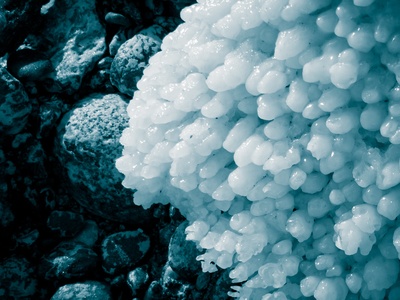
Sea salt
Sea water is evaporated in coastal pans to produce halite (sea salt) used locally for food, preservation and small-scale trade; traditional salt-making supports coastal livelihoods, seasonal harvesting, and modest income though production remains artisanal with limited commercial reach.
Sand
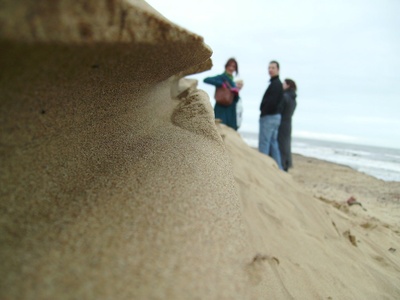
Fine to coarse sands quarried from beaches, dunes and river mouths are used widely for local construction, road repair and concrete aggregate; ubiquitous and low-value, sand supply is vital for housing but faces environmental concerns from unmanaged extraction.

Clay minerals
Locally derived clays (often kaolinite- and illite-rich weathering products) are collected for pottery, brickmaking and artisanal ceramics; formed from altered volcanic rocks, these clays sustain traditional crafts and small industries but are not exploited at industrial scales.
Olivine
Green olivine crystals appear as phenocrysts in many Comorian basalts; they are prized by collectors and studied by geologists because they record mantle chemistry and eruption conditions that built the islands. Not commercially mined but notable in volcanic petrology.
Clinopyroxene (Augite)
Dark clinopyroxene (commonly augite) is abundant in Comorian basalts as prismatic phenocrysts and groundmass minerals; important to petrologists for interpreting magma evolution and eruption histories, but it has no direct commercial use on the islands.
Plagioclase
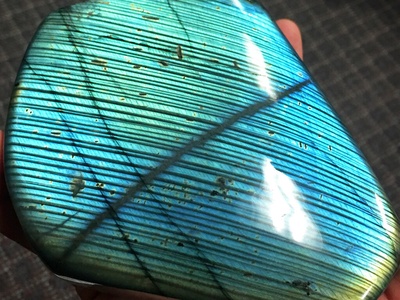
Plagioclase feldspar forms much of the crystalline framework in Comorian volcanic rocks; its zoned crystals provide clues to cooling rates and magmatic processes. Widely present across islands but not exploited economically; of interest mainly to researchers and collectors.
Magnetite
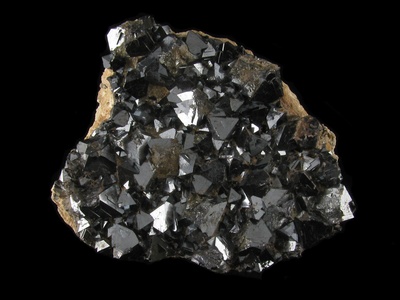
Black, strongly magnetic magnetite occurs as an accessory oxide in volcanic rocks and as concentrated grains in beach and river sands; useful for tracing erosion and provenance studies. Small-scale occurrences are known but there is no active commercial magnetite mining.
Ilmenite
Ilmenite grains (FeTiO3) occur as accessory phases in basalts and can be concentrated in beach heavy-mineral assemblages; recorded in local geological studies. Not commercially developed in the Comoros, but interesting as a potential titanium-bearing heavy-mineral resource.
Sulfur
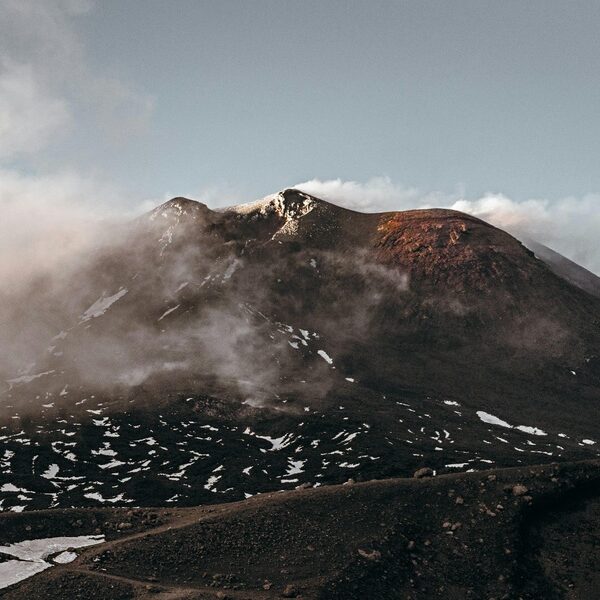
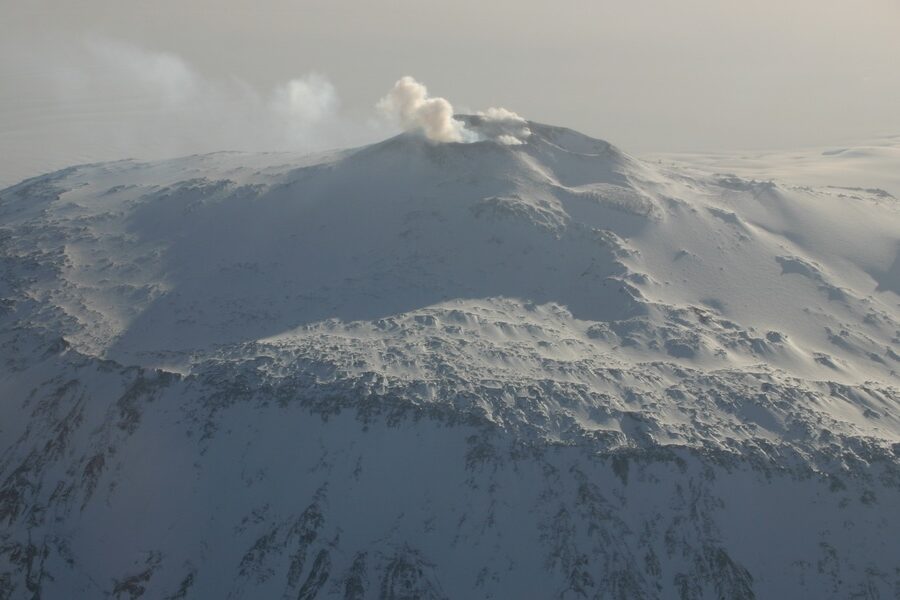
Native sulfur deposits form locally around fumaroles and gas vents on active volcanoes such as Karthala on Grande Comore; bright yellow sulfur is a visible sign of volcanic degassing. Occurrences are of scientific rather than commercial interest today.