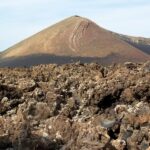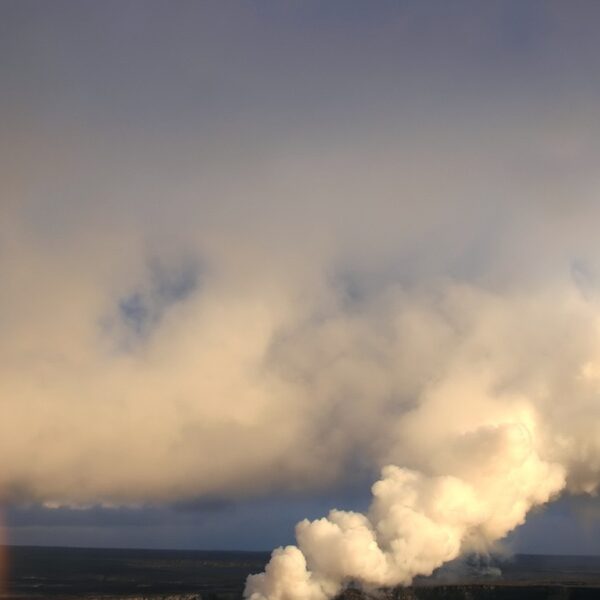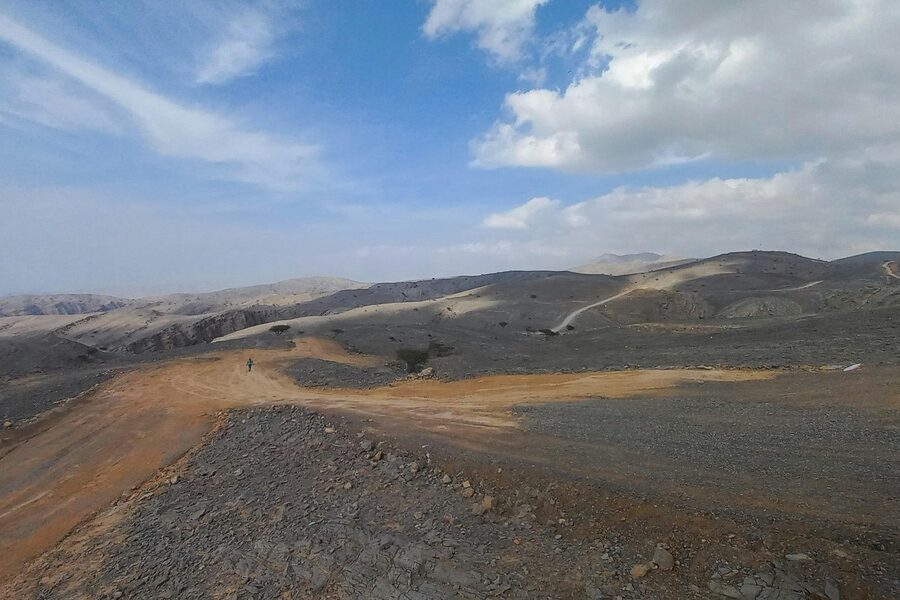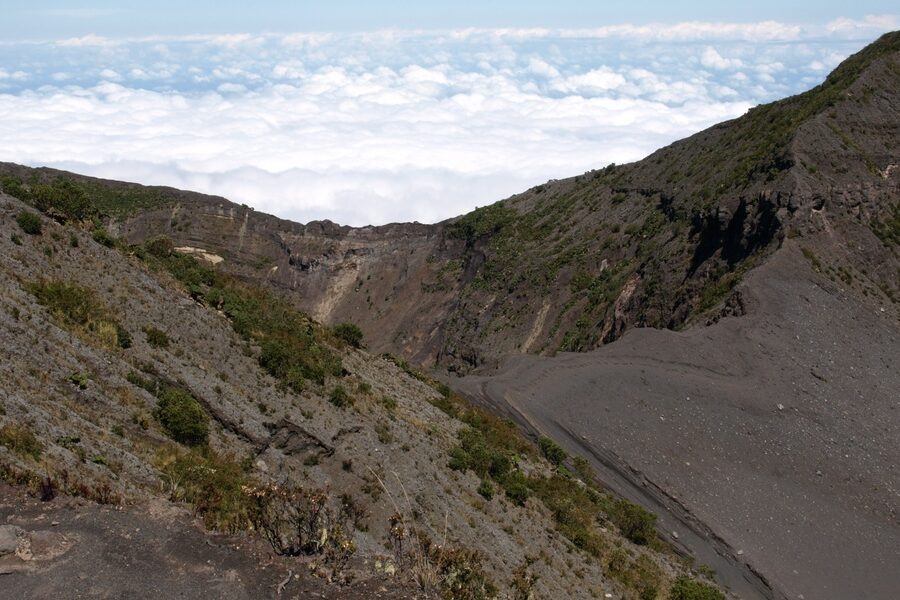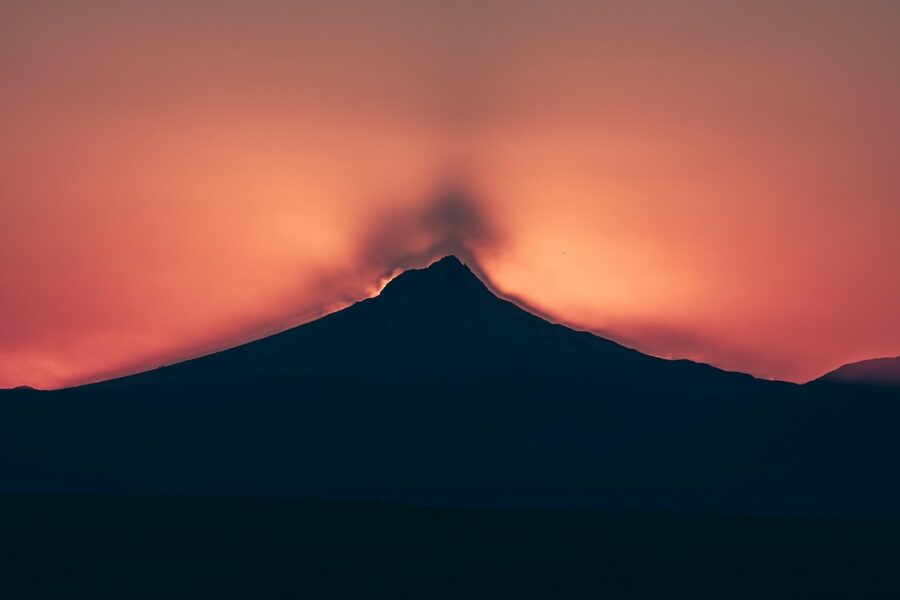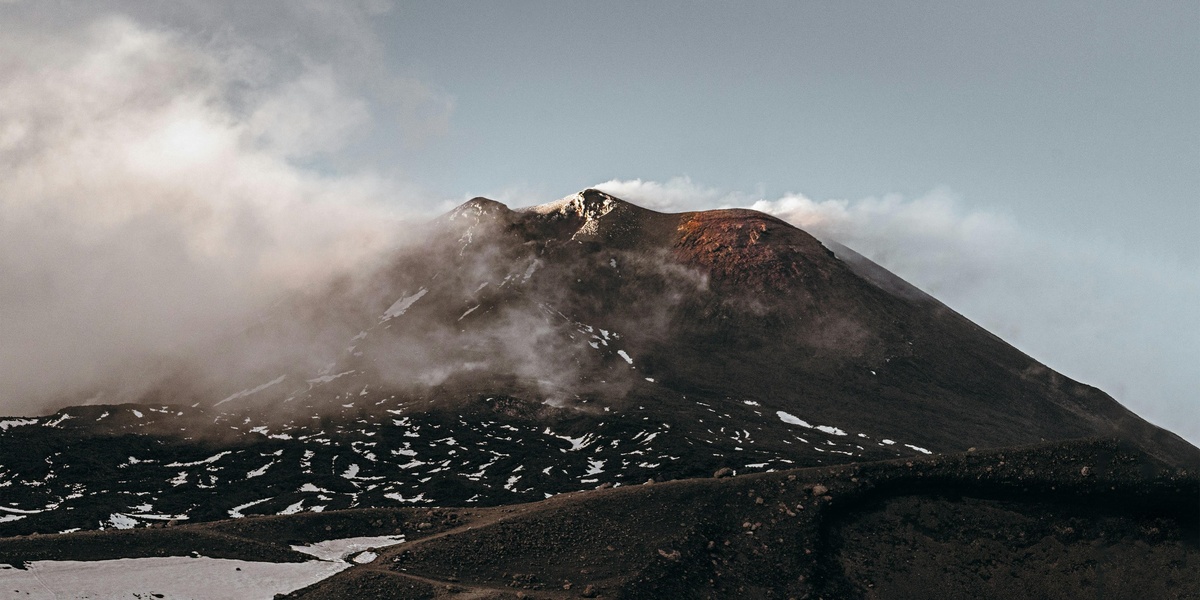
Italy’s terrain is threaded with volcanic peaks, from the Aeolian islands off Sicily to volcanic fields near Rome. These sites have shaped local culture, coastlines and hazards, and many are still monitored for activity and seismic unrest.
There are 36 Volcanoes in Italy, ranging from Alicudi to Vulsino (Montefiascone area). For each entry, the data are organized by Region,Status,Last eruption (year) so you can compare location, activity level and the most recent known event — details you’ll find below.
Which of these volcanoes are currently considered active?
Several Italian systems are classified as active or potentially active — most notably Etna, Stromboli, Vesuvius, Vulcano and the Campi Flegrei area — but “active” can mean frequent eruptions or ongoing unrest. Check the Status column in the list for each volcano’s official classification and follow local monitoring agencies for real-time updates.
How should I interpret the “Last eruption (year)” field?
“Last eruption (year)” records the most recent confirmed eruptive event; for some volcanoes that date is historical (centuries) and for others prehistoric. Use that column alongside Status to judge current risk and consult recent studies or observatory reports for the latest activity.
Volcanoes in Italy
| Name | Region | Status | Last eruption (year) |
|---|---|---|---|
| Etna | Sicily — near Catania | Active (Holocene) | 2023 |
| Stromboli | Aeolian Islands — Stromboli (Province of Messina) | Active (Holocene) | 2023 |
| Vulcano | Aeolian Islands — Vulcano (Province of Messina) | Active (Holocene) | 1890 |
| Vulcanello | Aeolian Islands — Vulcano (Province of Messina) | Dormant | prehistoric |
| Lipari | Aeolian Islands — Lipari (Province of Messina) | Dormant | Unknown |
| Salina (Monte Fossa delle Felci) | Aeolian Islands — Salina (Province of Messina) | Dormant | Unknown |
| Panarea | Aeolian Islands — Panarea (Province of Messina) | Dormant | Unknown |
| Alicudi | Aeolian Islands — Alicudi (Province of Messina) | Dormant | Unknown |
| Filicudi | Aeolian Islands — Filicudi (Province of Messina) | Dormant | Unknown |
| Strombolicchio | Aeolian Islands — near Stromboli (Province of Messina) | Extinct | prehistoric |
| Ustica | Sicily — Ustica Island (Province of Palermo) | Dormant | Unknown |
| Pantelleria | Pantelleria Island — Sicily (Province of Trapani) | Active (Holocene) | Unknown |
| Vesuvius | Campania — near Naples (Province of Naples) | Active (Holocene) | 1944 |
| Monte Somma | Campania — near Naples (Province of Naples) | Dormant | prehistoric |
| Campi Flegrei (Phlegraean Fields) | Campania — west of Naples (Province of Naples) | Active (Holocene) | 1538 |
| Monte Nuovo | Campania — near Pozzuoli (Province of Naples) | Active (Holocene) | 1538 |
| Solfatara (Pozzuoli) | Campania — Pozzuoli (Province of Naples) | Dormant | Unknown |
| Ischia (Mount Epomeo) | Campania — Ischia Island (Province of Naples) | Active (Holocene) | 1302 |
| Procida | Campania — Procida Island (Province of Naples) | Dormant | Unknown |
| Ponza | Lazio — Ponza Island (Province of Latina) | Extinct | prehistoric |
| Monti Sabatini | Lazio — near Rome (Province of Rome/Viterbo) | Extinct | prehistoric |
| Colli Albani (Alban Hills) | Lazio — southeast of Rome (Province of Rome) | Dormant | prehistoric |
| Monti Cimini | Lazio — near Viterbo (Province of Viterbo) | Extinct | prehistoric |
| Vulsini (Bolsena volcanic district) | Lazio/Tuscany — Lake Bolsena area (Province of Viterbo/Orvieto) | Extinct | prehistoric |
| Vico (Lake Vico) | Lazio — near Lake Vico (Province of Viterbo) | Extinct | prehistoric |
| Colli Euganei | Veneto — near Padua (Province of Padua) | Extinct | prehistoric |
| Monte Amiata | Tuscany — near Grosseto/Siena (Province of Grosseto/Siena) | Extinct | prehistoric |
| Monte Arci | Sardinia — near Oristano (Province of Oristano) | Extinct | prehistoric |
| Monte Vulture | Basilicata — near Melfi (Province of Potenza) | Extinct | prehistoric |
| Roccamonfina | Campania — near Sessa Aurunca (Province of Caserta) | Extinct | prehistoric |
| Ponza (Palmarola/other islets) | Lazio — Pontine Islands group (Province of Latina) | Extinct | prehistoric |
| Uliveto/Terme (Ischia thermal areas) | Campania — Ischia Island (Province of Naples) | Dormant | Unknown |
| Lipari (Pizzo del Corvo / Monte Chirica) | Aeolian Islands — Lipari (Province of Messina) | Dormant | Unknown |
| Filicudi (Fossa Felci/Capo Graziano sites) | Aeolian Islands — Filicudi (Province of Messina) | Dormant | Unknown |
| Salina (Capo Faro area) | Aeolian Islands — Salina (Province of Messina) | Dormant | Unknown |
| Vulsino (Montefiascone area) | Lazio — near Montefiascone (Province of Viterbo) | Extinct | prehistoric |
Images and Descriptions
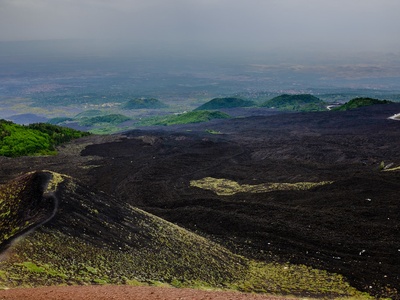
Etna
Europe’s tallest active volcano at about 3,329 m, on Sicily’s east coast. Frequent Strombolian and effusive eruptions make it a major hazard and popular tourist site with cable cars and guided hikes; lava flows and ash affect nearby towns and airports.
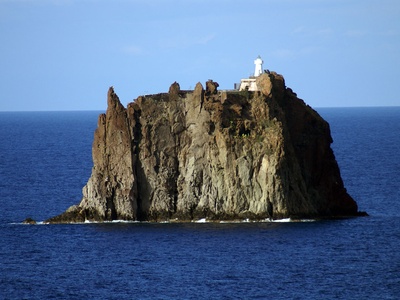
Stromboli
Small island volcano famous for persistent “Strombolian” explosions from its summit craters. Rising to 924 m, it offers nightly glowing eruptions visible from boats. Regular activity makes it a unique, accessible natural spectacle—but dangerous near vents.
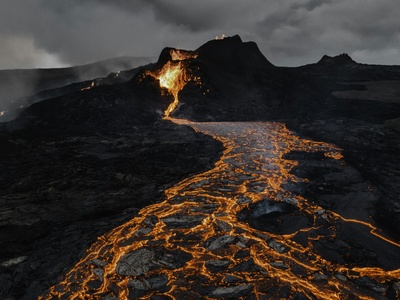
Vulcano
Island stratovolcano with the Gran Cratere and fumarolic fields; last major eruptive phase ended in 1890. Known for strong fumaroles, mud baths and sulfur deposits. Popular for day trips; gas hazards require caution around fumaroles.
Vulcanello
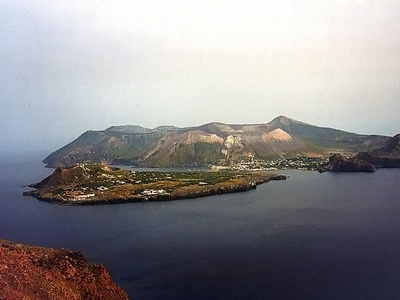
Small peninsula and volcanic cone on Vulcano island formed in the Holocene. Easy to visit on foot with panoramic views of Gran Cratere; fumarolic activity nearby signals geothermal heat despite long dormancy.
Lipari
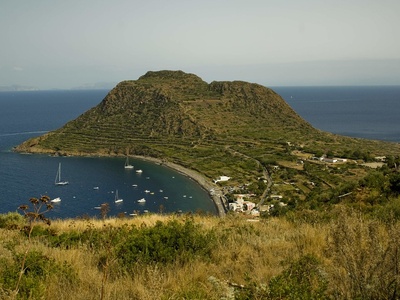
Largest Aeolian island with pumice and obsidian deposits from repeated eruptions. Town of Lipari sits on ancient lava flows; archaeological sites, thermal springs and accessible hikes reveal long volcanic history though the island shows only weak fumarolic activity.
Salina (Monte Fossa delle Felci)
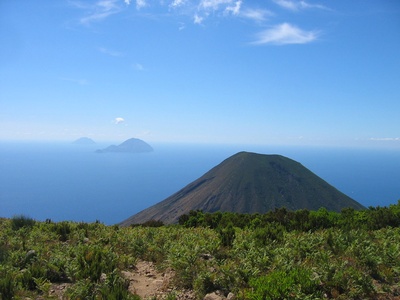
Twin-peaked island with Monte Fossa delle Felci (962 m). Vegetated slopes, vineyards and sea cliffs hide its volcanic origins. No historic eruptions; quiet island life and scenic hikes make it a popular getaway.
Panarea
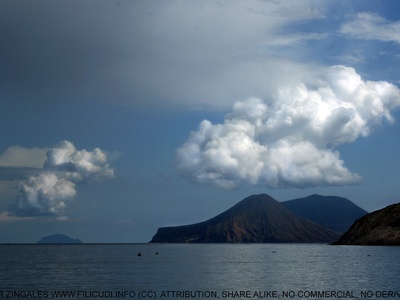
Tiny, picturesque island with submerged fumaroles and ancient volcanic cones. No confirmed historic eruptions but notable hydrothermal activity offshore and shallow seabed vents; chic tourism and boat trips to nearby thermal spots are common.

Alicudi
Westernmost Aeolian island, rugged and sparsely populated, formed by volcanic eruptions. No historic activity; steep trails and ancient lava flows attract hikers seeking remote volcanic landscapes and sea views.
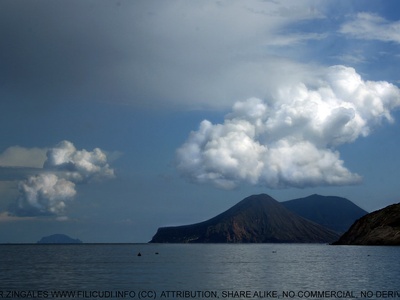
Filicudi
Volcanic island with cliffs, lava stacks and submarine vents. Quiet since prehistoric times, it offers underwater volcanism, archaeological sites and dramatic coastline; accessible by ferry from Lipari and Stromboli.
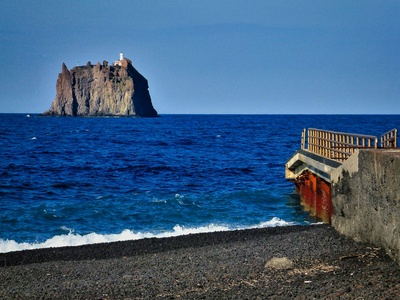
Strombolicchio
A dramatic volcanic sea stack northeast of Stromboli, the eroded plug of an ancient volcano. Inaccessible reserve prized by birdwatchers and divers; extinct, noteworthy as a remnant of Aeolian volcanic evolution.
Ustica
Small island north of Sicily made of volcanic rocks and tuff cones. Last activity prehistoric. Famous for clear waters, marine reserve diving and rugged volcanic coastlines; ferries connect it to Palermo.
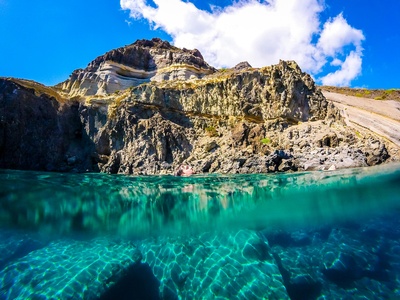
Pantelleria
Isolated island between Sicily and Tunisia with calderas, obsidian and hot springs. Holocene eruptions produced the large Montagna Grande. Thermal baths and distinctive dammusi houses draw visitors; seismic unrest can occur without eruption.
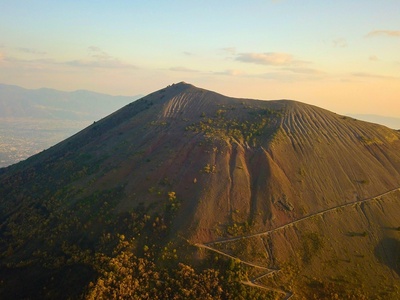
Vesuvius
Somma–Vesuvius complex dominates the Bay of Naples at about 1,281 m. Last erupted in 1944; famed for AD 79 destruction of Pompeii and Herculaneum. Extremely dangerous due to dense nearby population; well-studied and monitored with visitor trails.
Monte Somma
Rim remnant of the older Somma caldera that encircles Vesuvius. Rugged ridge offers scenic views over Vesuvius and Naples; part of the Somma–Vesuvius complex with limited independent activity in recent history.
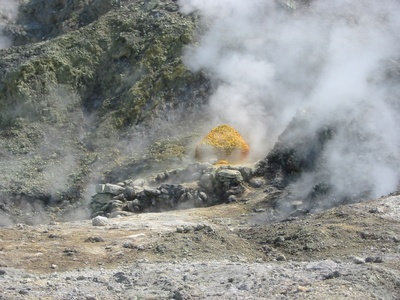
Campi Flegrei (Phlegraean Fields)
Large caldera system with numerous craters, solfatara fields and bradyseism. The 1538 Monte Nuovo eruption is the last big event. High geothermal activity and uplift episodes pose significant regional hazard; many historic sites are within the caldera.
Monte Nuovo
Small volcanic hill created in a single eruption in 1538 within the Campi Flegrei. Easily visited near Pozzuoli and a modern reminder of rapid volcanic construction; its young age highlights regional volcanic hazard.
Solfatara (Pozzuoli)
A famous fumarolic crater within Campi Flegrei, long used for thermal baths and sulfur extraction. Active hydrothermal gases and steaming vents make it geologically interesting and a tourist attraction—gas hazards require caution.
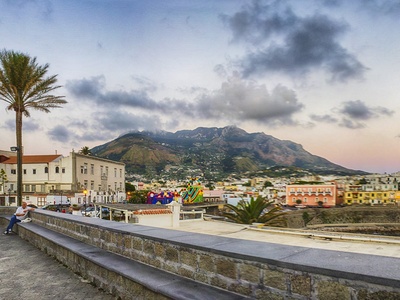
Ischia (Mount Epomeo)
Volcanic island with Mount Epomeo rising about 787 m. Thermal springs and past eruptions shaped its landscape; weak seismicity and hydrothermal activity continue, and the island is monitored for unrest.
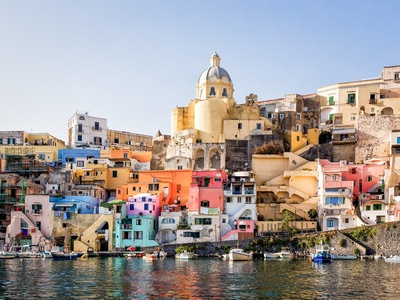
Procida
Small island formed from volcanic activity related to the Phlegraean system. No recent eruptions; colorful port towns, rocky coasts and thermal springs reflect its volcanic past and easy ferry access from Naples.
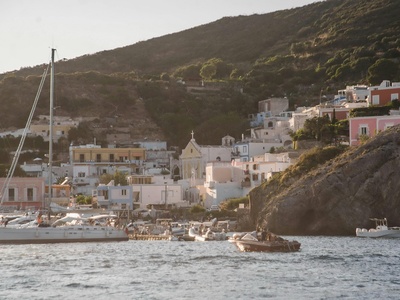
Ponza
Main island of the Pontine archipelago, built from volcanic rocks with steep cliffs and sea arches. Extinct for millennia, Ponza is a summer destination with boat tours that reveal ancient lava formations and grottoes.
Monti Sabatini
Volcanic complex northwest of Rome including Lake Bracciano. Last eruptions in the late Pleistocene to early Holocene; extinct for human history. Scenic lakes, medieval towns and volcanic stone used in Roman construction are notable features.
Colli Albani (Alban Hills)
Large volcanic complex (caldera) south-east of Rome with lakes and tuff deposits. Last eruptions were prehistoric but the area shows ground deformation and fumarolic activity; popular for wine, villas and Roman-era sites.
Monti Cimini
Tuff-ring volcanic range with wooded slopes and medieval towns like Viterbo. Formed by eruptions that created fertile soils and lakes; no historical eruptions, now known for chestnut woods and thermal resorts.
Vulsini (Bolsena volcanic district)
A large volcanic district that produced Lake Bolsena caldera and tuff landscapes. Extinct in human history, its caldera lake and archaeological sites are reminders of powerful ancient eruptions.
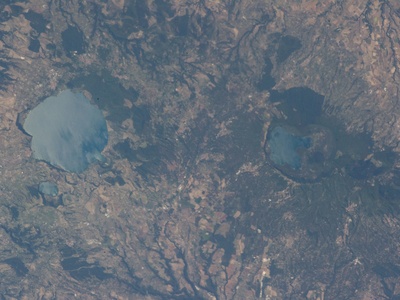
Vico (Lake Vico)
A circular volcanic complex forming Lake Vico with fertile slopes and chestnut forests. No historic eruptions; popular for hiking and quiet lakeside villages, illustrating central Italy’s volcanic past.
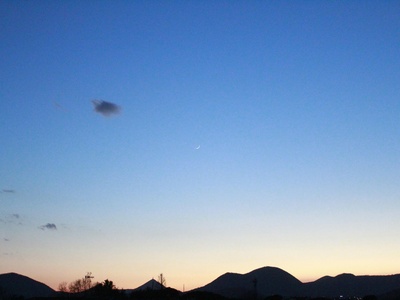
Colli Euganei
Cluster of volcanic hills south of Padua formed in the Eocene–Miocene. Extinct for millions of years, they host vineyards, thermal springs and panoramic trails overlooking the Venetian plain.
Monte Amiata
Large silicic stratovolcanic complex reaching about 1,738 m. Extinct since the Pleistocene; now a forested highland with ski areas, chestnut woods and thermal sites—an important geological landmark in southern Tuscany.
Monte Arci
An isolated volcanic massif in western Sardinia known for obsidian deposits used since prehistory. Extinct for a very long time, it offers hiking, archaeological sites and unique volcanic lithology on a mostly non-volcanic island.
Monte Vulture
Stratovolcano rising about 1,326 m in northern Basilicata. Extinct since the Pleistocene, its crater lakes and fertile slopes support vineyards; notable as the only major volcanic peak in the region.
Roccamonfina
Large eroded volcanic complex northwest of Naples with wooded slopes and tuff cliffs. Extinct in the Holocene, the massif hosts archaeological sites and offers panoramic views over Campania.
Ponza (Palmarola/other islets)
The Pontine archipelago’s islands, including Palmarola and Zannone, are volcanic in origin with eroded cones and sea cliffs. Extinct for millennia; popular for boat tours showcasing volcanic rock and sea caves.
Uliveto/Terme (Ischia thermal areas)
Named thermal and fumarolic zones on Ischia such as Nitrodi Baths, reflecting the island’s volcanic heat. Not individual eruptive centers but significant geothermal features drawing tourists to hot springs and spa traditions.
Lipari (Pizzo del Corvo / Monte Chirica)
Specific cones and domes on Lipari island (e.g., Monte Chirica) showing layered pumice and obsidian deposits. Quiet since prehistoric times, these named features are key stops for geology-minded visitors exploring Lipari’s volcanic terrain.
Filicudi (Fossa Felci/Capo Graziano sites)
Named volcanic vents and domes on Filicudi preserve lava flows and archaeological sites. No historic eruptions, but accessible trails and coastal viewpoints reveal the island’s volcanic construction and marine terraces.
Salina (Capo Faro area)
Named headlands and volcanic ridges like Capo Faro exhibit Salina’s dual volcanic summits. Quiet since prehistoric times, known for capers, wine and hiking trails between volcanic slopes and sea cliffs.
Vulsino (Montefiascone area)
Part of the Vulsini volcanic complex around Lake Bolsena, including named ridges near Montefiascone. Extinct in human history; famed for tuff quarries, medieval towns and panoramic views over the caldera lake.