Across clinics, schools and travel hubs, viral illnesses shape how communities prepare, seek care and stay safe. Knowing which conditions are viral helps with prevention, testing and understanding why some infections spread faster than others.
There are 31 Examples of Diseases Caused by Viruses, ranging from COVID-19 to Zika virus disease. Entries are listed with Causative virus,Transmission,Common symptoms, and you’ll find below concise notes on each to help you scan risks and signs quickly.
How can I tell whether an illness is caused by a virus or bacteria?
Often the symptoms overlap, but clues include sudden onset (many viruses), pattern of spread (household clusters), and lack of improvement with antibiotics; definitive distinction usually requires testing (PCR, antigen, or cultures). If symptoms are severe, persistent, or you’re in a high-risk group, seek medical evaluation for proper diagnosis and treatment.
What practical steps reduce the risk of catching or spreading viral diseases?
Common measures work for many viruses: vaccination where available, regular handwashing, staying home when sick, masking in crowded or high-risk settings, and targeted actions like mosquito control for Zika. Combining these strategies cuts transmission and protects vulnerable people.
Examples of Diseases Caused by Viruses
| Disease | Causative virus | Transmission | Common symptoms |
|---|---|---|---|
| COVID-19 | SARS-CoV-2 | Respiratory droplets, aerosols, close contact | Fever, cough, loss of smell, fatigue, shortness of breath |
| Influenza (Flu) | Influenza A and B viruses | Respiratory droplets, close contact, fomites | Fever, cough, body aches, sore throat, fatigue |
| Common cold | Rhinoviruses, coronaviruses, adenoviruses (multiple viruses) | Respiratory droplets, contact with contaminated surfaces | Runny nose, sneezing, sore throat, cough, congestion |
| Measles | Measles virus (Paramyxovirus) | Airborne droplets, very contagious | High fever, cough, runny nose, red eyes, rash |
| Mumps | Mumps virus (Paramyxovirus) | Respiratory droplets, direct contact | Fever, swollen salivary glands, headache, muscle aches |
| Rubella | Rubella virus (Togavirus) | Respiratory droplets, vertical transmission to fetus | Low-grade fever, rash, swollen lymph nodes, joint pain |
| Chickenpox | Varicella-zoster virus (VZV) | Respiratory droplets and contact with vesicle fluid | Fever, itchy vesicular rash, fatigue |
| Shingles | Reactivation of Varicella-zoster virus (VZV) | Not airborne; direct contact with rash while infectious | Painful localized rash, burning, tingling, possible nerve pain |
| Herpes (HSV) | Herpes simplex virus types 1 and 2 (HSV-1, HSV-2) | Oral and sexual contact, direct mucocutaneous contact | Painful blisters or ulcers on mouth or genitals, tingling |
| HIV/AIDS | Human immunodeficiency virus (HIV-1, HIV-2) | Sex, blood, perinatal transmission, shared needles | Acute fever, fatigue, weight loss, opportunistic infections in AIDS |
| Hepatitis A | Hepatitis A virus (HAV) | Fecal-oral via contaminated food, water, person-to-person | Jaundice, fever, fatigue, abdominal pain, dark urine |
| Hepatitis B | Hepatitis B virus (HBV) | Blood, sexual contact, perinatal transmission | Jaundice, abdominal pain, dark urine, chronic liver disease |
| Hepatitis C | Hepatitis C virus (HCV) | Blood-borne transmission, shared needles, transfusions | Often asymptomatic, fatigue, jaundice, chronic liver disease |
| Rotavirus gastroenteritis | Rotaviruses | Fecal-oral, contaminated surfaces, close contact | Severe watery diarrhea, vomiting, fever, dehydration in infants |
| Norovirus gastroenteritis | Noroviruses | Fecal-oral, contaminated food, surfaces, close contact | Vomiting, watery diarrhea, stomach cramps, nausea |
| Rabies | Rabies virus (Lyssavirus) | Bite or saliva exposure from infected animals | Fever, agitation, hydrophobia, paralysis, coma |
| Polio (Poliomyelitis) | Poliovirus | Fecal-oral and, less commonly, respiratory droplets | Fever, headache, paralysis, muscle weakness, sometimes asymptomatic |
| HPV-related disease | Human papillomaviruses (HPV types 6,11,16,18 and others) | Sexual contact, skin-to-skin genital contact | Genital warts, abnormal cervical screening, cancers years later |
| Dengue fever | Dengue virus (four serotypes) | Aedes mosquito bite (vector-borne) | High fever, severe muscle/joint pain, rash, bleeding risk |
| Zika virus disease | Zika virus (Flavivirus) | Aedes mosquitoes, sexual contact, transplacental | Mild fever, rash, conjunctivitis, joint pain; birth defects if pregnant |
| Yellow fever | Yellow fever virus (Flavivirus) | Aedes and Haemagogus mosquitoes (vector-borne) | Fever, jaundice, hemorrhage, organ failure in severe cases |
| West Nile virus infection | West Nile virus (Flavivirus) | Culex mosquito bites (vector-borne); rarely transfusion | Most asymptomatic; fever, headache, weakness, neuroinvasive disease |
| Ebola virus disease | Ebola virus (Filoviridae) | Direct contact with infected body fluids, contaminated surfaces | Fever, severe weakness, vomiting, diarrhea, bleeding, multi-organ failure |
| Marburg virus disease | Marburg virus (Filoviridae) | Contact with infected bodily fluids, bats reservoir | High fever, bleeding, vomiting, multi-organ dysfunction |
| Respiratory syncytial virus infection (RSV) | Respiratory syncytial virus (RSV) | Respiratory droplets, close contact, contaminated surfaces | Cough, wheeze, difficulty breathing, fever especially in infants |
| Hand, foot, and mouth disease | Coxsackievirus A16 and Enterovirus A71 | Fecal-oral, respiratory droplets, contact with lesions | Fever, mouth sores, vesicular rash on hands and feet |
| Viral meningitis (enteroviral) | Enteroviruses (coxsackie, echoviruses), others | Fecal-oral, respiratory droplets, direct contact | Fever, headache, stiff neck, photophobia |
| Herpes simplex encephalitis | Herpes simplex virus type 1 (HSV-1) | Reactivation of latent virus, occasional direct spread | Fever, headache, altered consciousness, focal neurologic signs |
| Cytomegalovirus infection (CMV) | Cytomegalovirus (CMV) | Body fluids, saliva, sexual contact, perinatal, organ transplant | Often asymptomatic; fever, fatigue, congenital disease in infants |
| Infectious mononucleosis (Mono) | Epstein-Barr virus (EBV) | Saliva (kissing), close personal contact | Fever, sore throat, swollen lymph nodes, fatigue, splenomegaly |
| Smallpox | Variola virus | Respiratory droplets, direct contact with lesions | High fever, characteristic pustular rash, scarring |
Images and Descriptions
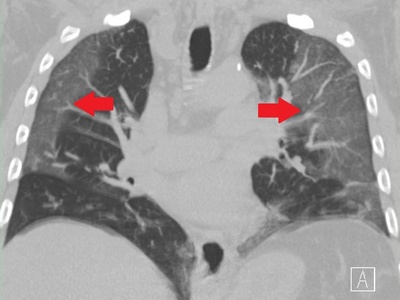
COVID-19
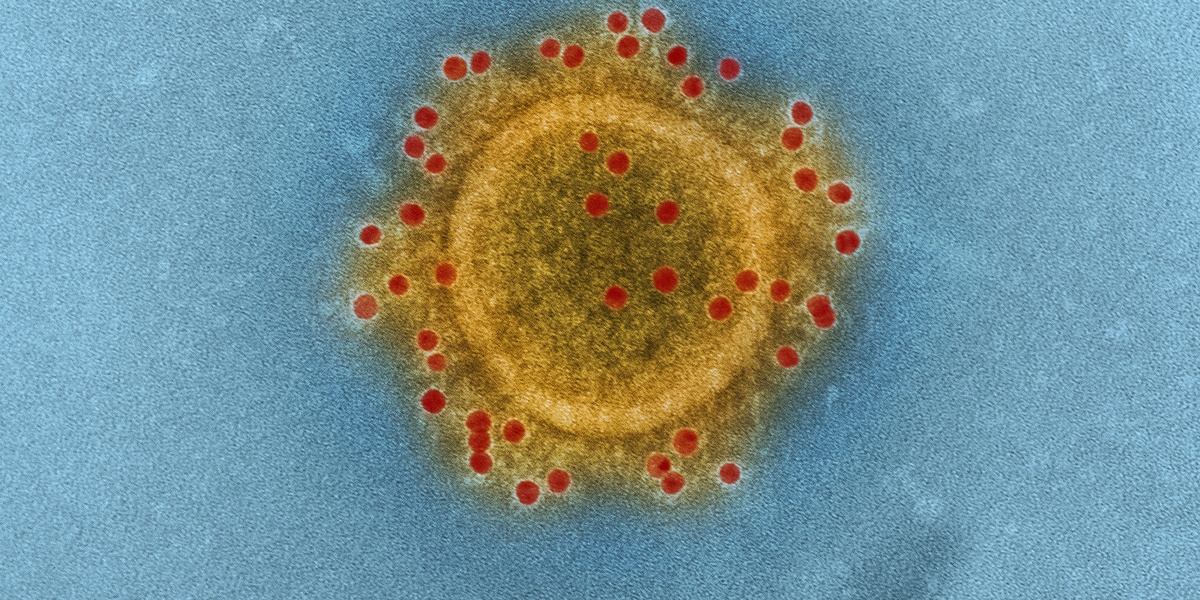
COVID-19 is caused by SARS-CoV-2, commonly producing fever, cough, fatigue and loss of smell; severe cases cause pneumonia and long-term symptoms. Global since 2019; spreads by respiratory routes. Vaccines and masks reduce risk; treatments and antivirals available for high-risk patients.
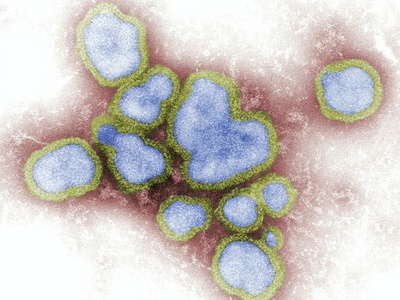
Influenza (Flu)
Seasonal influenza, caused by influenza A and B, leads to fever, cough, muscle aches and sometimes severe respiratory illness. Worldwide seasonal outbreaks cause hospitalizations and deaths yearly. Vaccines are updated annually; antivirals can shorten illness if given early and help reduce severe outcomes.

Common cold
The common cold is a mild upper respiratory illness caused by many viruses, notably rhinoviruses. Symptoms include runny nose, sneezing, sore throat and cough. It’s globally common, mostly self-limited. Hand hygiene and avoiding close contact help prevent spread; no universal vaccine exists.
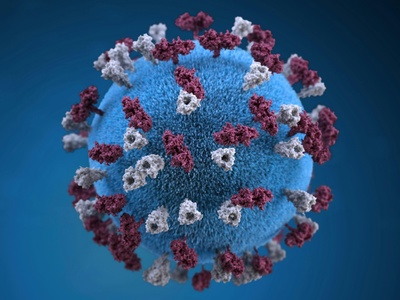
Measles
Measles causes high fever, cough, conjunctivitis and a characteristic rash; severe complications include pneumonia and encephalitis. Highly contagious and common historically worldwide. Effective MMR vaccine prevents measles; vaccination campaigns have drastically reduced cases where used.
Mumps
Mumps causes fever and painful swelling of the salivary (parotid) glands and can rarely cause meningitis or orchitis. Spread by respiratory droplets. MMR vaccine prevents mumps and has greatly reduced incidence where immunization is routine.
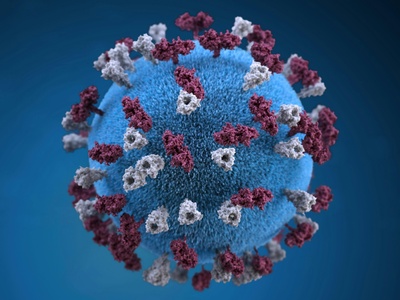
Rubella
Rubella is a mild rash illness in children but causes congenital rubella syndrome if infection occurs during pregnancy, leading to severe birth defects. Spread by respiratory droplets. MMR vaccination prevents rubella and is key for protecting pregnant women and fetuses.
Chickenpox
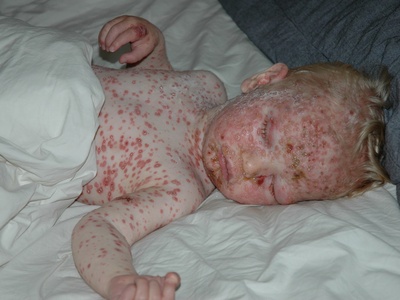
Chickenpox is a common childhood disease caused by varicella-zoster virus, with fever and a widespread itchy blistering rash. It’s usually mild but can be severe in adults or immunocompromised people. A vaccine prevents most cases and reduces complications.
Shingles
Shingles is reactivation of childhood varicella-zoster virus causing a painful, localized blistering rash and often nerve pain. Older adults and immunocompromised people are at higher risk. Vaccines reduce occurrence and severity; early antiviral treatment limits complications.
Herpes (HSV)
Herpes simplex causes recurrent painful oral or genital blisters and ulcers. HSV-1 most often affects the mouth; HSV-2 the genitals. Transmission occurs through close contact. No cure exists, but antiviral medications reduce severity and transmission risk.
HIV/AIDS
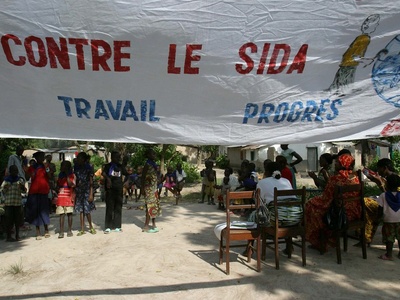
HIV infects immune cells and can progress to AIDS, marked by severe immune failure and opportunistic infections. Global pandemic spread by sex, blood and perinatal routes. Antiretroviral therapy controls virus and prevents progression; no vaccine yet, prevention reduces transmission.
Hepatitis A
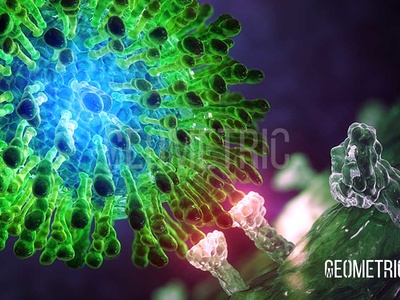
Hepatitis A causes acute liver inflammation with jaundice, fever and fatigue. It spreads through contaminated food, water or close contact. Usually self-limited, but can be severe in adults. Safe and effective vaccines prevent infection and are recommended in many regions.
Hepatitis B
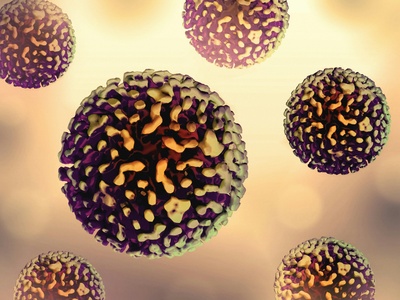
Hepatitis B can cause acute and chronic liver disease including cirrhosis and liver cancer; symptoms include jaundice and abdominal pain. Spread through blood and sexual contact. Effective vaccine prevents infection; antiviral treatments manage chronic infection.
Hepatitis C
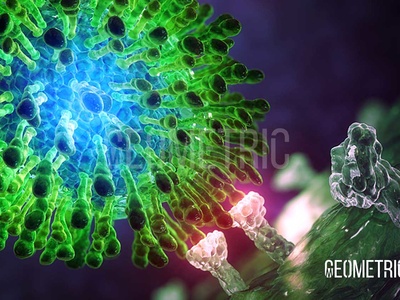
Hepatitis C often causes chronic liver infection, sometimes progressing to cirrhosis and cancer; many people are initially asymptomatic. Transmitted mainly by blood exposure. No vaccine exists, but highly effective antiviral cures are available for most patients.
Rotavirus gastroenteritis
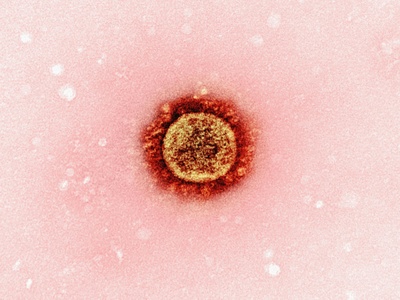
Rotavirus causes severe diarrheal illness in young children with vomiting, watery diarrhea and dehydration. It’s common worldwide and a leading cause of pediatric hospitalization. Vaccines given in infancy have dramatically reduced severe cases and deaths.
Norovirus gastroenteritis
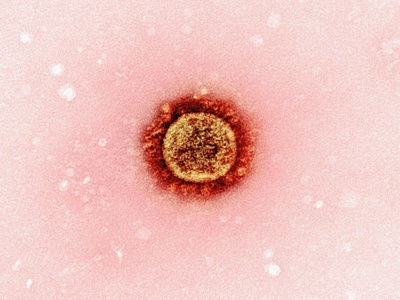
Norovirus causes sudden-onset vomiting and diarrhea that spreads rapidly in crowded settings and through contaminated food or surfaces. Illness is usually short but highly contagious. No vaccine widely available; hand hygiene and surface cleaning help prevent outbreaks.
Rabies
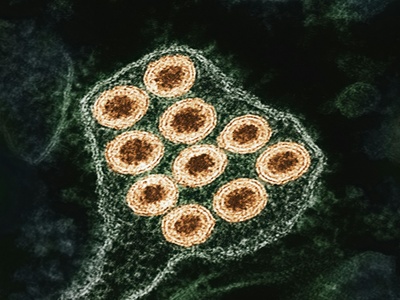
Rabies is a nearly always fatal viral encephalitis transmitted by bites from infected animals. Early symptoms include fever and agitation, progressing to severe neurologic signs. Effective pre- and post-exposure vaccines and immediate wound care prevent disease if given promptly.
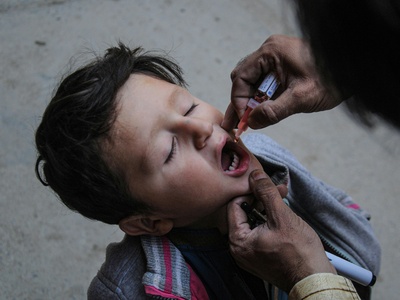
Polio (Poliomyelitis)
Polio can cause paralysis and sometimes permanent disability due to spinal cord infection. Spread mainly via fecal-oral route. Widespread vaccination has nearly eradicated polio globally; inactivated and oral vaccines are highly effective prevention tools.
HPV-related disease
HPV infections cause genital warts and are the primary cause of cervical and other anogenital and head-and-neck cancers. Most infections are transient. Vaccines prevent the highest-risk types and reduce cancer risk; screening detects precancerous changes.
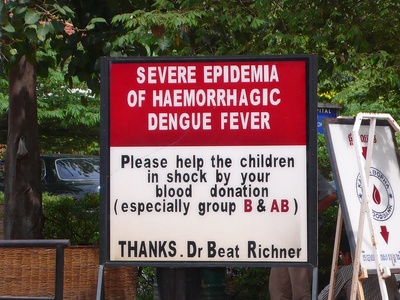
Dengue fever
Dengue causes high fever, severe joint and muscle pain and sometimes hemorrhagic complications. Transmitted by Aedes mosquitoes in tropical and subtropical areas. Vaccination exists but is limited to certain populations and prior infection status; mosquito control and bite prevention reduce risk.
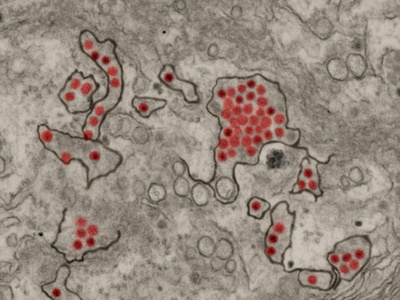
Zika virus disease
Zika infection usually causes mild fever, rash and conjunctivitis but can cause severe fetal brain defects when pregnant. Spread by Aedes mosquitoes and sexual contact. No widely available vaccine; mosquito control and avoiding exposure are key for prevention, especially in pregnancy.
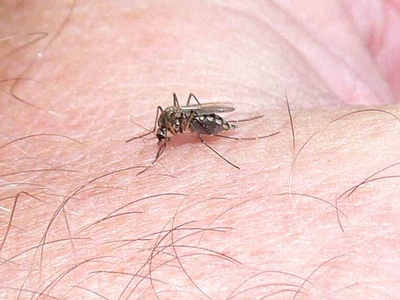
Yellow fever
Yellow fever ranges from mild fever to severe disease with jaundice and bleeding. Transmitted by mosquitoes in parts of Africa and South America. A safe, single-dose vaccine provides long-lasting protection and is required for travel to some countries.
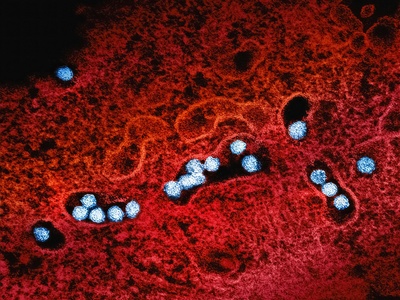
West Nile virus infection
West Nile virus often causes no symptoms, but can produce fever, fatigue and in rare cases neurologic disease like meningitis or encephalitis. Transmitted by Culex mosquitoes in many regions. No human vaccine widely available; mosquito control and net use reduce risk.
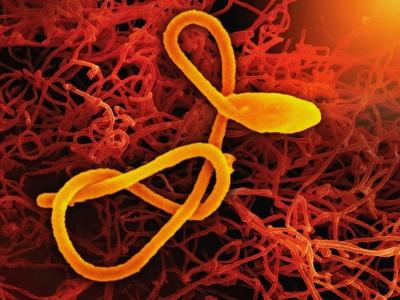
Ebola virus disease
Ebola causes severe hemorrhagic fever with high mortality and spreads by direct contact with bodily fluids. Outbreaks occur in parts of Africa. Licensed vaccines and therapeutics are available for outbreak control; strict infection control and contact tracing are essential.
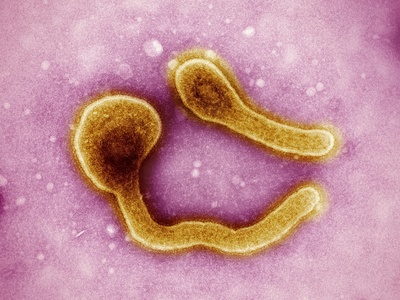
Marburg virus disease
Marburg virus disease produces severe hemorrhagic fever similar to Ebola, with fever, bleeding and high fatality rates. It’s zoonotic with fruit bats as reservoirs and spreads via body fluids. No widely licensed vaccine; outbreak control relies on infection control and surveillance.
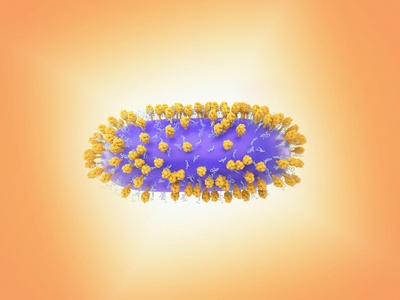
Respiratory syncytial virus infection (RSV)
RSV causes bronchiolitis and pneumonia in infants and severe respiratory illness in older adults. It spreads by droplets and contact. New vaccines and monoclonal antibody options protect older adults and infants; supportive care manages most cases.
Hand, foot, and mouth disease
Hand, foot and mouth disease is a common pediatric illness causing fever, painful mouth sores and blisters on hands and feet. Caused by enteroviruses and spread by fecal-oral and droplet routes. Mostly mild; good hygiene limits transmission.
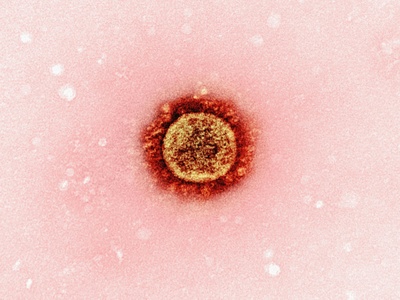
Viral meningitis (enteroviral)
Viral meningitis causes inflammation of the meninges, typically producing fever, headache and neck stiffness. Enteroviruses are common causes. It’s usually less severe than bacterial meningitis and often resolves without specific antiviral therapy; good hygiene helps prevent spread.
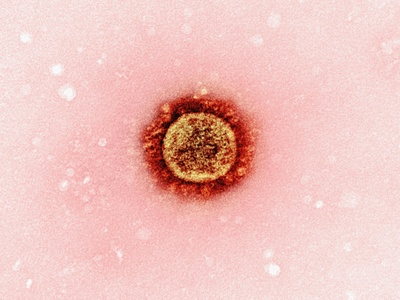
Herpes simplex encephalitis
Herpes simplex encephalitis is a severe brain infection caused typically by HSV-1 reactivation, producing fever, seizures, altered consciousness and focal neurologic deficits. It’s rare but serious; prompt antiviral treatment (acyclovir) greatly improves outcomes.
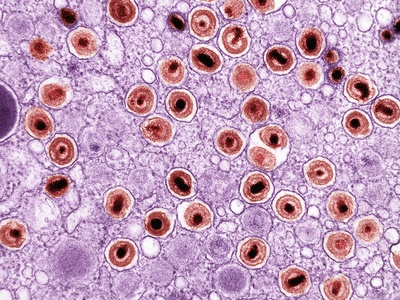
Cytomegalovirus infection (CMV)
CMV commonly causes mild or asymptomatic infections but can cause severe disease in newborns and immunocompromised people, including organ transplant recipients. Transmission is via body fluids and perinatal routes. No general vaccine yet; prevention focuses on hygiene and donor screening.
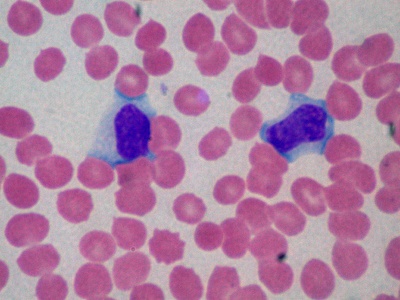
Infectious mononucleosis (Mono)
Infectious mononucleosis from EBV causes prolonged fatigue, fever, sore throat and swollen lymph nodes, most commonly in adolescents and young adults. Spread by saliva. No vaccine; management is supportive and includes rest and avoiding contact sports during splenomegaly.
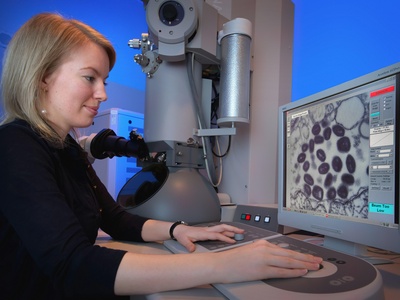
Smallpox
Smallpox was a severe, often fatal disease characterized by high fever and a distinctive pustular rash. Eradicated globally in 1980 after mass vaccination campaigns. Routine vaccination stopped, but vaccines exist and are stockpiled for outbreak response.