Global life expectancy rose from roughly 31 years in 1900 to about 72 years by 2020, reshaping what “old age” means for millions worldwide.
How we talk about growing older matters. Misconceptions influence health care decisions, workplace policies, public funding, and family choices. They shape whether communities invest in prevention, how clinicians set expectations, and whether employers retrain rather than replace experienced staff.
By 2050, the UN expects one in six people will be 65 or older, so these beliefs have wide social consequences. Below are eight common myths about old age, organized into three categories—physical health, cognitive and learning, and social roles and identity—with evidence and practical takeaways you can use right away.
Physical Health and Functional Ability Myths
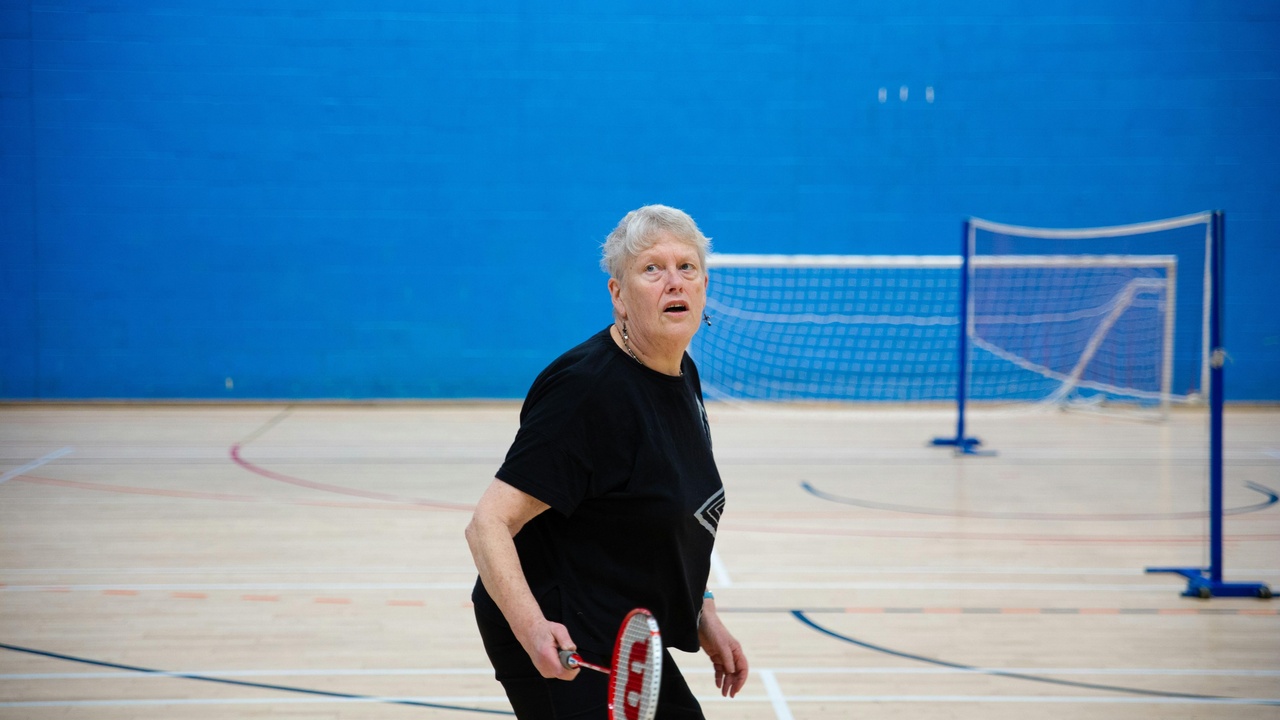
Physical health in later life is shaped by lifetime behaviors, medical care, and the environment—not fate. Many limitations are preventable or manageable through rehabilitation, community programs, and design changes that support independence. The next two subsections look at frailty and exercise benefits.
1. Myth: Older adults are inevitably frail and dependent
Some older people do become frail, but many remain independent well into their 80s and 90s. Frailty is a medical syndrome with specific criteria, distinct from normal age-related change.
Evidence from several high-income countries shows disability prevalence among older adults has fallen in recent decades, reflecting better chronic-disease care, safer workplaces, and more active lifestyles. Longitudinal studies also show that timely rehabilitation and preventive care can maintain function for years.
The myth of inevitable dependence can prompt premature institutionalization, reduce investment in home-based supports, and lower expectations from family or clinicians. Instead, home modification programs, targeted physical therapy after injury (for example, home-based rehab after hip surgery), and community supports can restore or preserve independence.
Look to real-world examples such as Blue Zones—regions like Sardinia and Okinawa—where many residents remain active past 90, and public programs that fund home adaptations and in-home therapy. Authoritative sources like the CDC and WHO provide guidance on preventing disability and promoting functional ability.
2. Myth: It’s too late to benefit from exercise in old age
Exercise helps people at any age. Resistance training increases muscle strength and mass even in later life, and aerobic activity lowers cardiovascular risk. Studies of older adults show meaningful gains in strength, balance, and fitness after structured programs.
Practical, safe choices include progressive resistance training, balance work, brisk walking, and mind-body practices such as tai chi, which trials have linked to fewer falls. Community programs like SilverSneakers make classes accessible, and clinicians can prescribe activity just like a medication.
Start small: ten minutes of gentle strength or balance work daily, then build up. With medical clearance when needed, progressive training and simple community supports make exercise both safe and effective for maintaining independence.
Cognitive Health and Lifelong Learning Myths
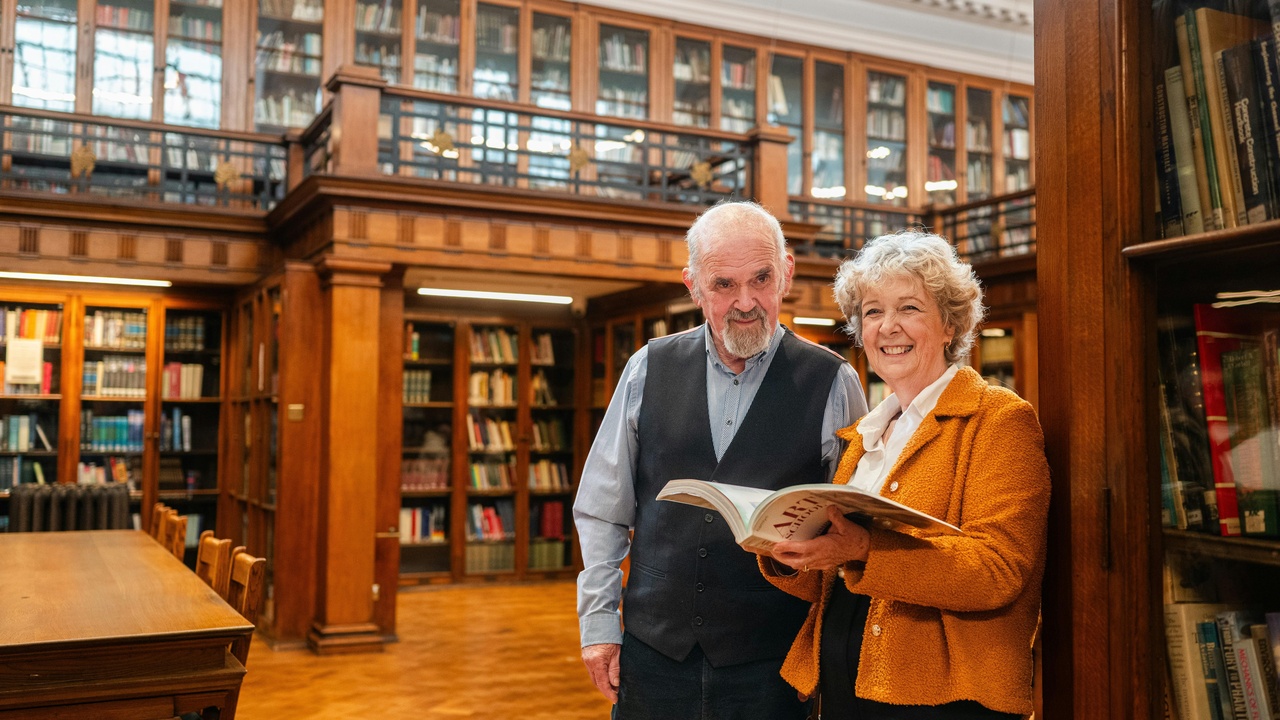
Cognitive aging is complex. Some abilities slow down, while vocabulary and accumulated knowledge often stay steady or improve. Neuroplasticity continues across the lifespan, and dementia is a disease, not an inevitable result of getting older. The two subsections below address dementia and learning new skills.
3. Myth: Cognitive decline and dementia are normal parts of aging
Some slowing of processing speed is common, but dementia—significant loss of memory and daily-function ability—is a pathological condition. In 2020, WHO estimated about 55 million people were living with dementia globally.
Risk rises with age, but it is not universal. Major reviews, such as the Lancet Commission, identify modifiable risk factors including education, hypertension control, hearing care, smoking cessation, and social engagement. Addressing these factors across life can reduce risk.
Early assessment and diagnosis matter because they open pathways to care, risk reduction, and support for families. Primary care and memory clinics can guide treatment, advanced care planning, and community services that improve quality of life.
4. Myth: Older people can’t learn new technology or skills
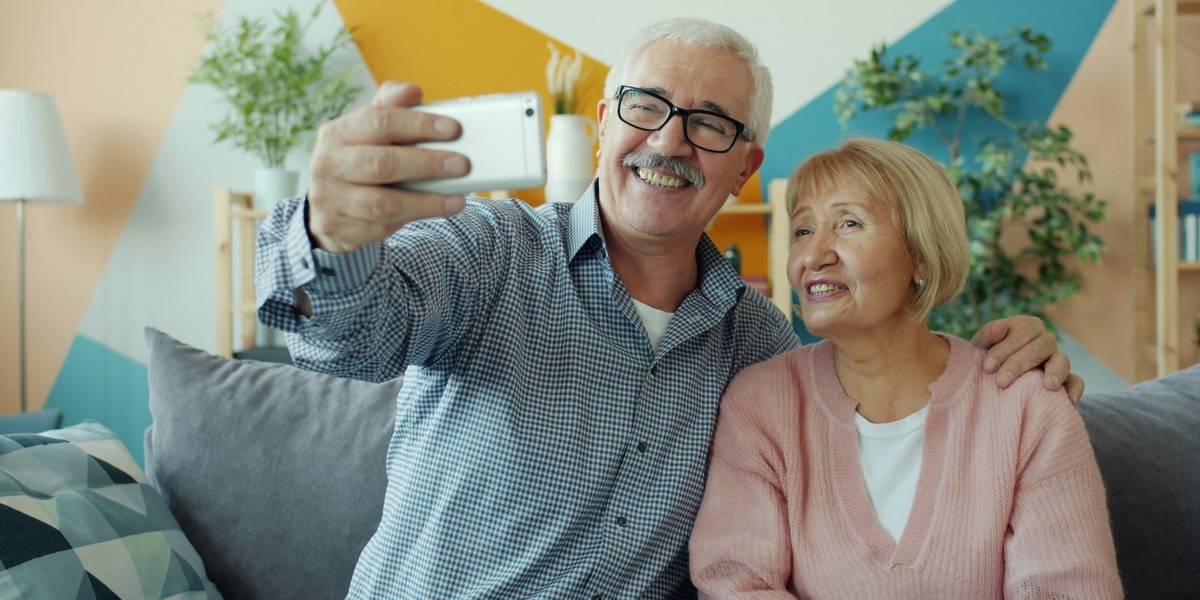
Adults retain the capacity to learn. Digital adoption has risen steadily among older cohorts, and tailored instruction speeds skill acquisition. Programs such as OATS and library-led digital literacy classes show older learners mastering tablets, video calls, and online services.
Design matters: tablets like GrandPad and features such as large text, voice assistants, and simplified interfaces make technology more accessible. Practical learning strategies include short lessons, hands-on practice, peer tutoring, and clear step-by-step guides.
Clinicians, community centers, and employers can support tech learning through small-group classes and one-on-one coaching. The result: improved access to health information, social contact, and lifelong learning opportunities.
Social Roles, Work, and Identity Myths
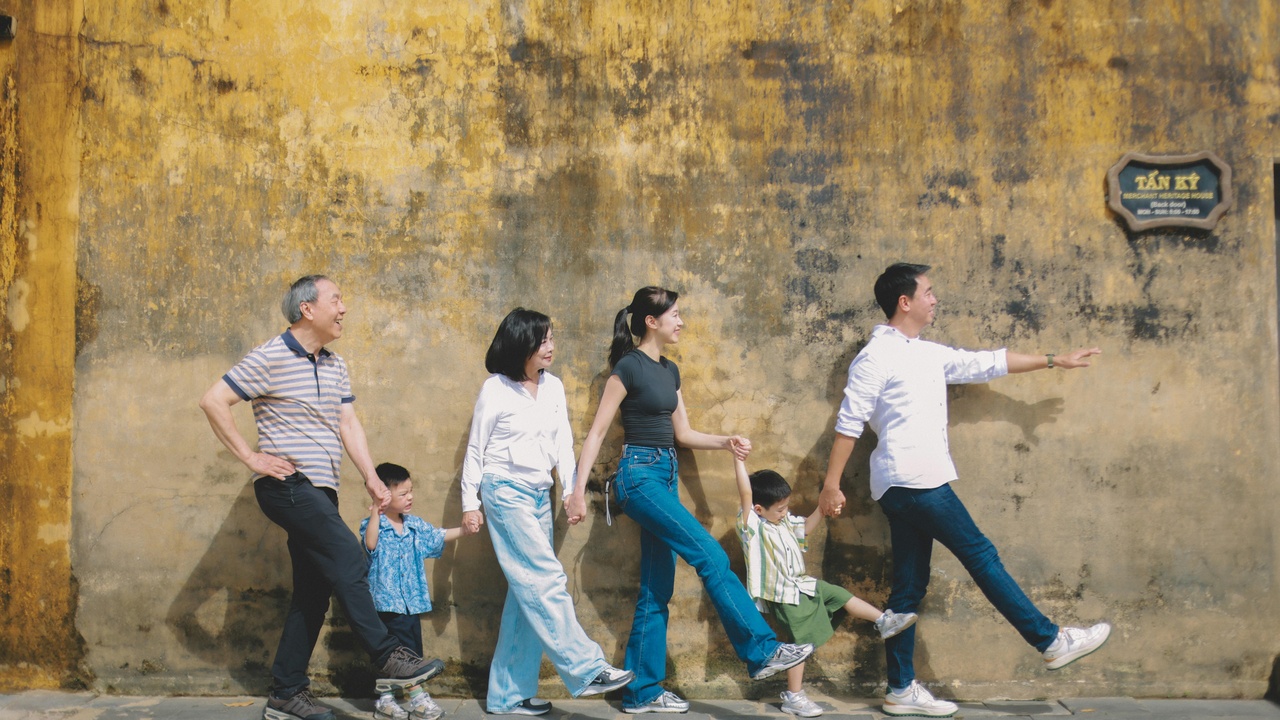
Social roles and identity in later life are diverse and shaped by culture, economy, and policy. Ageist myths here can cause discrimination and missed opportunities. These next sections cover work, social connection, emotional well-being, and the wide variety of aging experiences.
5. Myth: Older workers are less productive or adaptable
This stereotype ignores evidence that older workers often bring experience, institutional knowledge, and reliability that boost team performance. Productivity depends on job design, training, and workplace culture more than chronological age.
Across many countries, labor force participation for older age groups has risen, and employers that adopt age-diverse teams report benefits such as mentoring, lower turnover, and better problem solving. AARP and other groups promote employer pledges and practices that retain experienced staff.
Practical employer policies include flexible schedules, phased retirement, ergonomic adjustments, and retraining programs that keep skills current. Pairing older and younger workers in mentorship roles leverages strengths across generations.
6. Myth: Older people are socially isolated and lonely by default
Loneliness affects some older adults, but it is not universal. Rates vary by country, health, and living situation. Protective factors include family ties, community programs, volunteering, and accessible transport.
Programs such as Meals on Wheels, intergenerational community activities, and local senior centers reduce isolation. Technology—when taught and accessible—can also maintain connections through video calls and social apps.
Policy and community investment make a difference. Local outreach, volunteer visitor schemes, and transportation support can shift the odds away from isolation and toward sustained social engagement.
7. Myth: Older adults are universally unhappy or depressed
Aging does not automatically mean unhappiness. Research often finds a U-shaped pattern of well-being with a midlife dip and stable or rising life satisfaction in later years. Major depression rates among older adults are frequently lower than among younger groups, though some face higher risk due to loss, illness, or poverty.
Protective factors include social ties, purposeful activity, and physical health. Resources such as geriatric mental health services, community counseling, and programs that create purpose—volunteering, mentoring, civic engagement—help maintain well-being.
Supporting mental health means screening when needed, improving access to care, and encouraging activities that build connection and meaning.
8. Myth: All older adults are the same — aging is homogeneous
There is nothing uniform about aging. Outcomes vary by socioeconomic status, race and ethnicity, gender, geography, and lifetime exposures. The UN projects that by 2050 one in six people will be 65 or older, but experiences among those older adults will be highly uneven.
Treating older people as a single group leads to one-size-fits-all programs that miss many needs. For example, Blue Zone communities show how lifestyle and environment support longevity, while under-resourced urban neighborhoods may yield higher chronic disease and shorter healthy lifespans.
Policies must be targeted and culturally competent—gender-responsive elder services, income supports for older women, and community-specific health outreach are some examples that address intersectional needs.
Summary
- Many assumptions about aging are wrong: exercise helps at any age, dementia is not inevitable, and frailty is not universal.
- Practical interventions work—physical activity programs, rehab, digital literacy classes, and targeted social services preserve independence and improve quality of life.
- Ageism in the workplace and services wastes talent; inclusive policies and retraining let older workers contribute their experience.
- Aging is diverse: socioeconomic and cultural context shape outcomes, so one-size-fits-all responses fail many older adults.
- Learn one new fact about aging and share it with family or colleagues, and contact a local community center to ask about senior programs in your area.