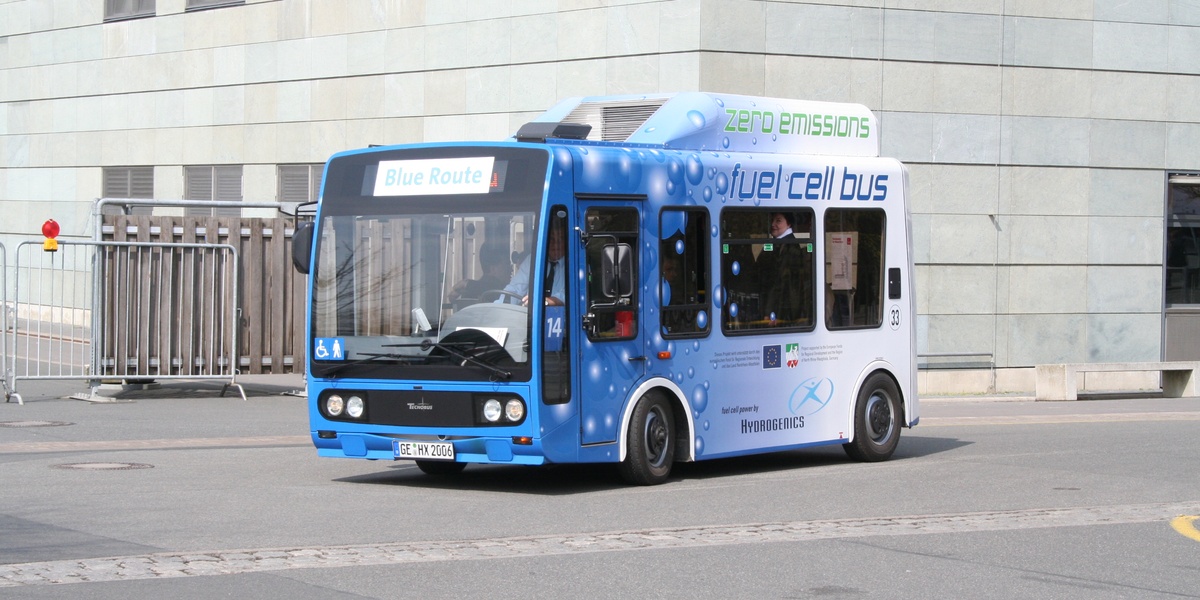
A 2008 prototype hydrogen car and a 2012 electric vehicle crossed the headlines side‑by‑side: both promised zero tailpipe emissions, but they embodied very different engineering choices. For consumers, fleet managers, policymakers and engineers the distinction matters because the choice affects range, uptime, cost, and how energy gets into the vehicle.
A fuel cell converts hydrogen into electricity through an electrochemical reaction; a battery stores electrical energy chemically and releases it as needed. Below you’ll find eight numbered differences organized into four groups: fundamentals, performance, practical lifecycle/refueling, and economics/environment.
Read on and you’ll leave better equipped to pick the technology that fits a given duty cycle, whether you run a ride‑hail fleet, manage long‑haul trucks, or set policy for charging and fueling networks.
Fundamental operational differences
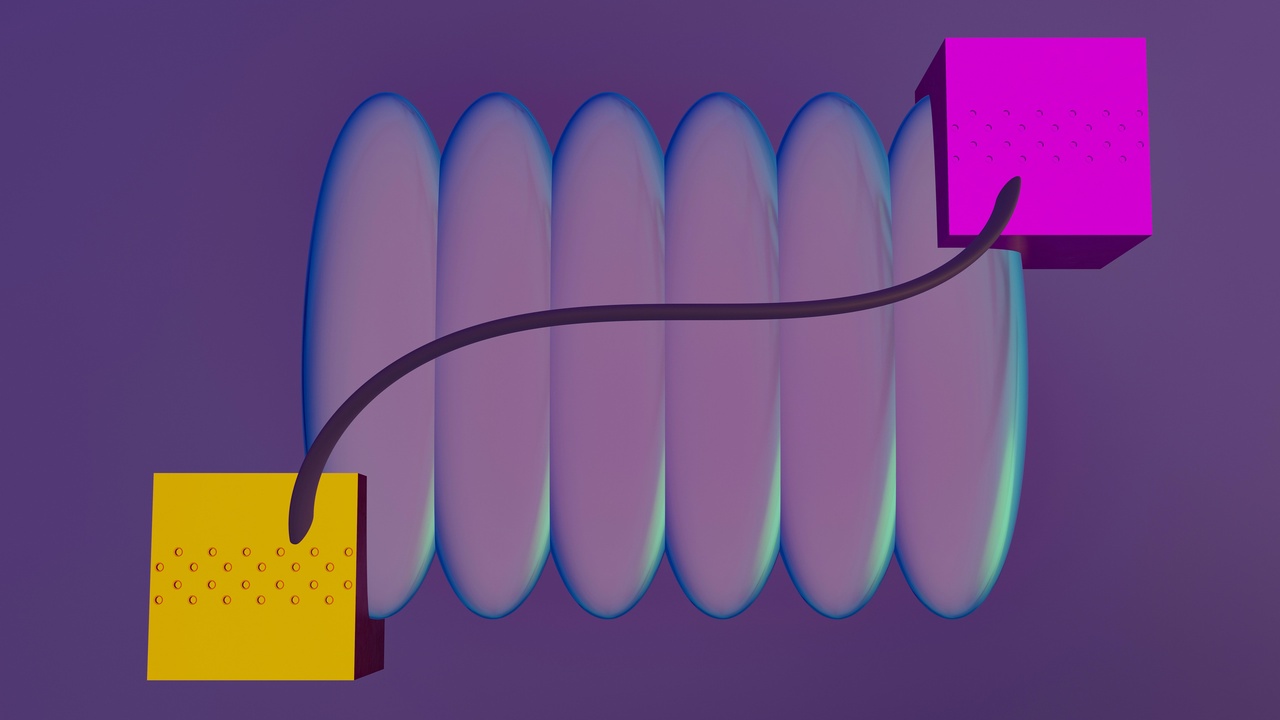
This section compares how the two systems create electricity and where their energy lives. One converts a flow of fuel into power; the other keeps energy stored inside a closed electrochemical cell.
1. Chemical process versus stored electrochemistry
Fuel cells produce electricity when hydrogen and oxygen react across an electrolyte, while batteries store and release electrons through internal redox reactions. A common fuel‑cell type for vehicles is the proton‑exchange membrane fuel cell (PEMFC) with an anode, cathode and polymer membrane that conducts protons.
By contrast, a typical lithium‑ion pouch cell has a graphite anode, a lithium metal‑oxide cathode and a liquid electrolyte that shuttles ions during charge and discharge.
Gravimetric energy illustrates a key implication: hydrogen contains about 33 kWh per kilogram, whereas typical lithium‑ion cells are on the order of 0.25 kWh/kg (250 Wh/kg) at the cell level. That gap matters for weight‑sensitive uses such as aviation and heavy trucks.
Industry examples make it concrete: Ballard Power Systems and Toyota have deep fuel‑cell programs, while Panasonic and Tesla are leading battery cell development.
2. Continuous fuel supply vs onboard energy storage
Think of a fuel cell as a small on‑board power plant: it keeps producing electricity as long as hydrogen and air are supplied. Batteries are closed stores that must be recharged when their state of charge is depleted.
That difference shows up in lifetime metrics. Fuel‑cell stacks are often rated in operating hours, with automotive targets around 5,000–8,000 hours. Battery life is commonly measured in cycles; many lithium‑ion chemistries reach 1,000–2,000 useful cycles depending on depth of discharge and thermal control.
Operationally that affects logistics: fleets using fuel‑cell forklifts can run multiple shifts with quick hydrogen swaps, while battery fleets plan charging windows or battery swap programs to manage downtime.
Performance and energy characteristics

Performance differences show up in energy per kilogram, energy per liter, power delivery and the fraction of input energy recovered at the wheels. Those metrics determine range, payload, and how much grid capacity a vehicle fleet will draw.
3. Energy density — weight and volume tradeoffs
Hydrogen’s gravimetric energy (~33 kWh/kg) is far higher than lithium‑ion cells (~250 Wh/kg). But hydrogen at ambient pressure is a gas, so practical vehicles store it compressed (commonly 350–700 bar) or cryogenically, which adds tanks, valves and insulation—and therefore weight and volume.
That means hydrogen shines where vehicle weight is the limiting factor: long‑haul trucks, coaches, and emerging aircraft concepts. For passenger cars, batteries often win because the pack fits neatly into chassis cavities and offers higher volumetric energy density.
Examples: Toyota Mirai and Hyundai NEXO use 700‑bar tanks and PEM fuel cells for long range, while Tesla Model 3/Y use large lithium‑ion packs integrated into the vehicle floor for compact packaging.
4. Efficiency: round‑trip and system‑level
Round‑trip efficiency measures how much electricity put in returns as usable power. Battery electric vehicles typically show 70–90% round‑trip efficiency from grid to wheels, depending on charging and drivetrain losses.
The hydrogen pathway—electrolysis to produce H2, compression or liquefaction for storage, and conversion back to electricity in a fuel cell—often yields 30–50% end‑to‑end efficiency, though the fuel cell itself converts hydrogen to electricity at roughly 40–60% efficiency.
Because batteries keep more of the original input energy, they tend to have lower operating energy costs where direct electrification is possible. Fuel cells make sense where direct wiring or long dwell charging isn’t practical.
Use, speed, durability and lifecycle
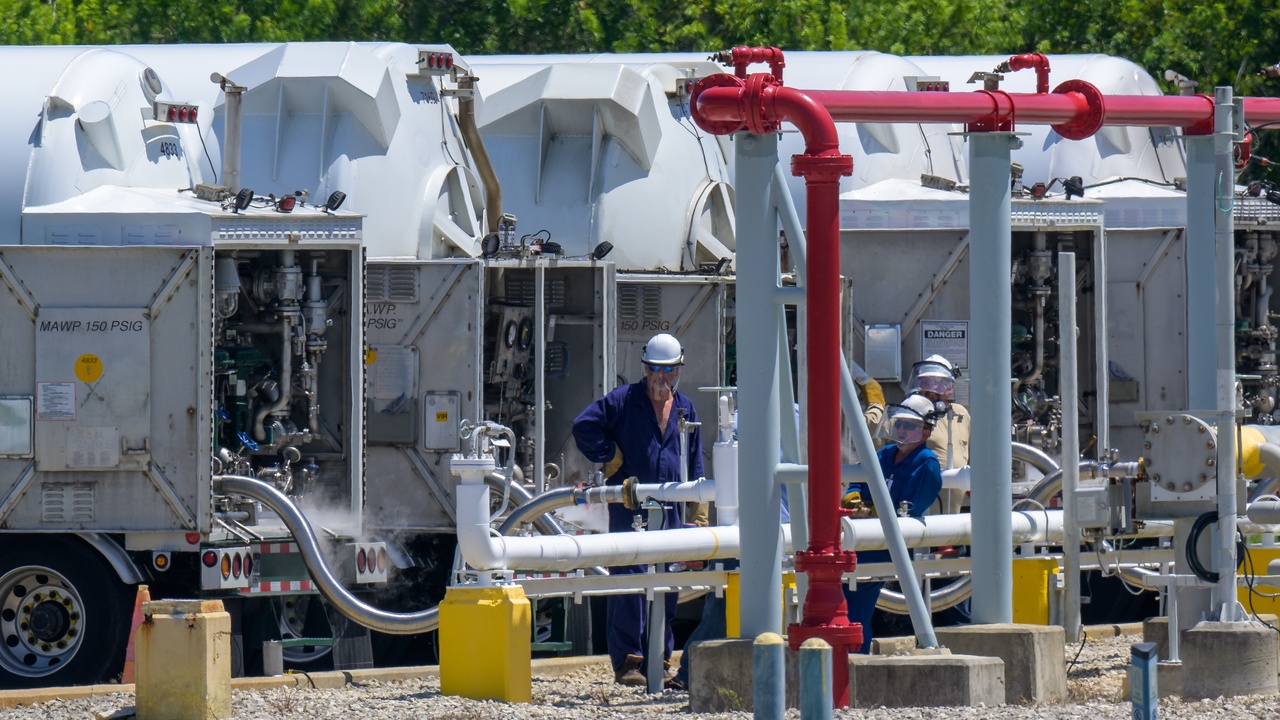
Here we look at how fast vehicles return to service, how components age, and what maintenance looks like over years of use. These factors drive total cost of ownership for commercial operators in particular.
5. Refueling or recharging speed and convenience
Refueling a hydrogen vehicle typically takes about 3–5 minutes—very close to a gasoline stop. Battery charging spans a wider range: DC fast chargers can bring a pack to ~80% in roughly 20–45 minutes depending on power and pack chemistry, while level‑2 AC charging overnight often takes 6–12 hours.
However, hydrogen stations are still relatively rare and concentrated in select markets, while charging infrastructure is growing rapidly though not uniformly. That availability affects route planning for long‑haul trucks and high‑uptime services like deliveries and taxis.
6. Lifetime, degradation, and maintenance
Battery lifetime is measured in cycles and capacity fade; many modern lithium‑ion chemistries deliver 1,000–2,000 usable cycles before capacity drops meaningfully. Temperature control and depth of discharge strongly influence that number.
Fuel‑cell stacks age with operating hours and load cycles. Automotive targets are often in the 5,000–8,000 hour range, and degradation sources include catalyst sintering and membrane chemical attack. Fuel‑cell systems also include balance‑of‑plant (compressors, humidifiers) that need upkeep.
Practically, batteries may need a pack replacement later in life, while fuel‑cell vehicles can have stack overhauls. Warranties, resale value and maintenance routines differ accordingly for fleet accounting.
Economics, infrastructure, and environmental trade‑offs

Cost drivers include capital for production and fueling or charging networks, materials and supply chains, and end‑of‑life handling. Environmental outcomes hinge on how electricity and hydrogen are produced.
7. Infrastructure and upfront costs
Deploying hydrogen production, storage and refueling networks requires substantial upfront investment. Small‑to‑mid capacity hydrogen stations commonly cost in the roughly $1–3 million range, depending on dispensing capacity and onsite production.
Battery costs, by contrast, have fallen dramatically. Pack prices dropped from over $1,000/kWh in 2010 to about $130–$150/kWh in 2020, and industry averages approached roughly $100/kWh by 2023. That decline has made many passenger BEVs price‑competitive without subsidies.
Grid impacts also matter: clusters of fast chargers can require distribution upgrades or local energy storage to manage peak demand, while hydrogen hubs demand production capacity, pipelines or trucked delivery and land for stations.
8. Emissions, resource use, and end‑of‑life handling
Lifecycle emissions depend on production pathways. Grey hydrogen from steam methane reforming produces significant CO2, blue hydrogen pairs SMR with carbon management, and green hydrogen comes from electrolysis powered by renewable electricity and has the lowest lifecycle emissions.
Batteries carry upstream impacts from mining lithium, nickel and cobalt, though recycling and lower‑carbon supply chains are improving recovery rates. Fuel‑cell stacks use platinum‑group metals that are recoverable and increasingly reclaimed.
Decisions about total emissions and resource stress should weigh local electricity carbon intensity, available recycling infrastructure, and whether hydrogen comes from renewable electrolysis or fossil feedstocks.
Summary
- Hydrogen’s gravimetric energy (about 33 kWh/kg) gives a weight advantage useful for long‑range, heavy or aviation use, while batteries score higher on volumetric packing and end‑to‑end efficiency.
- The practical differences between hydrogen fuel cells and batteries show up in refueling and charging behavior: hydrogen refuels in minutes but needs station networks, batteries recharge more slowly but benefit from a rapidly expanding charging ecosystem.
- Total cost of ownership pivots on infrastructure and duty cycle: falling battery pack costs have favored passenger BEVs, while hydrogen requires capital‑intensive hubs but can deliver higher uptime for some commercial fleets.
- Environmental outcomes hinge on production: green hydrogen and renewable electricity reduce lifecycle emissions, and battery recycling plus cleaner mining can lower upstream impacts.
- Practical recommendation: match technology to use case—use batteries for efficient, urban and passenger applications with predictable charging, and consider fuel cells where weight, rapid refueling, or long daily ranges make hydrogen’s profile advantageous.