Across clinics, labs and reference shelves, having a compact, searchable list of antimicrobial agents saves time and reduces guesswork. This post pulls together commonly referenced drugs so you can scan their roles and relationships at a glance.
There are 66 Antimicrobials, ranging from Acyclovir to Zidovudine. For each entry you’ll find below how the drug is organized by Class, Mechanism, Common use to make comparison easy and practical—you’ll find below.
How can I use this list to compare treatments quickly?
Use the Class to group similar agents, the Mechanism to understand what each drug targets, and the Common use to match likely indications; scanning those three columns lets you narrow options rapidly, but always double-check dosing, contraindications and local resistance patterns before applying to patient care.
Is this list enough for prescribing or clinical decisions?
No—the list is a concise reference for identification and comparison, not a replacement for clinical guidelines; use it alongside up-to-date formularies, treatment protocols and advice from pharmacists or specialists when making prescribing decisions.
Antimicrobials
| Name | Class | Mechanism | Common use |
|---|---|---|---|
| Penicillin | Antibacterial | Inhibits cell wall synthesis by blocking peptidoglycan cross-linking | Treats streptococcal, syphilis infections, veterinary uses |
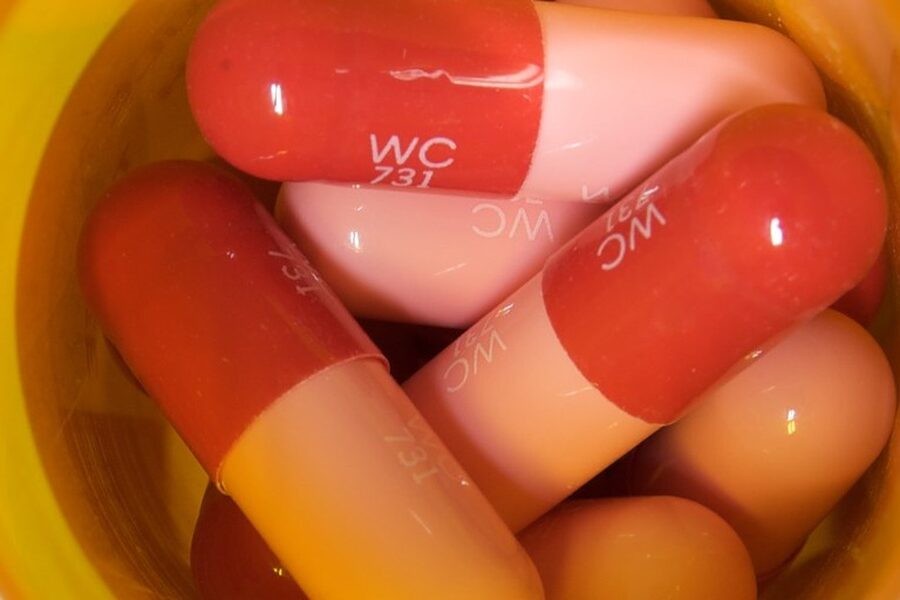
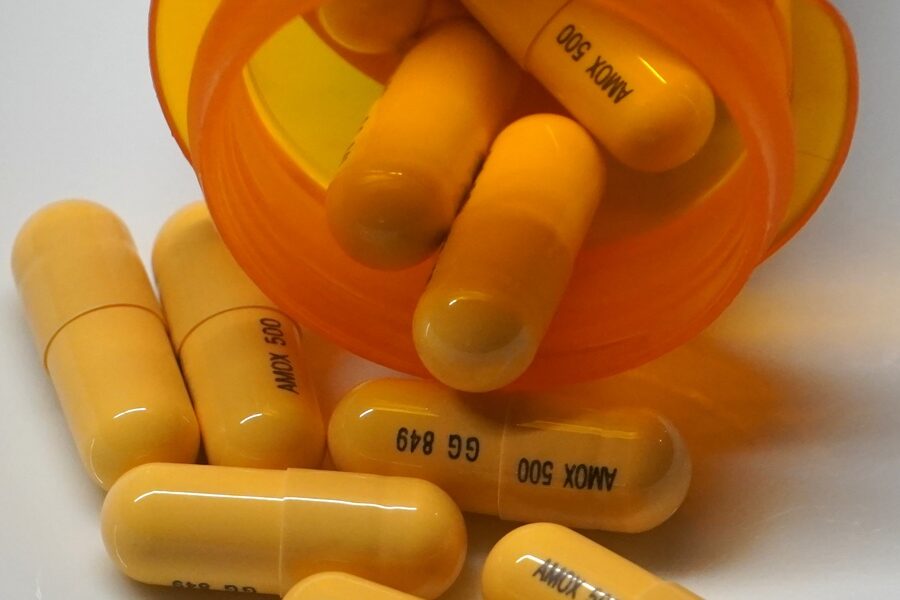
| Amoxicillin | Antibacterial | Blocks cell wall synthesis by inhibiting peptidoglycan assembly | Oral treatment for ear, throat, respiratory infections |
| Cephalexin | Antibacterial | Inhibits bacterial cell wall synthesis (first-generation cephalosporin) | Skin, soft tissue, urinary tract infections |
| Ceftriaxone | Antibacterial | Inhibits peptidoglycan cross-linking in bacterial cell walls | Severe infections, meningitis, gonorrhea, hospitalized patients |
| Vancomycin | Antibacterial | Blocks cell wall precursor incorporation, preventing cell wall synthesis | Serious Gram-positive infections, MRSA, C. difficile (oral) |
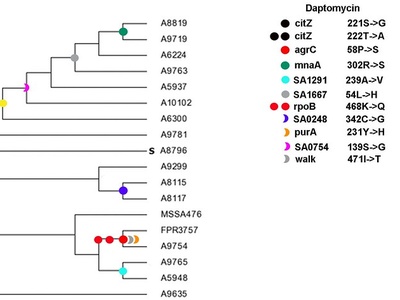
| Daptomycin | Antibacterial | Disrupts bacterial cell membrane potential causing rapid death | Complicated skin infections, resistant Gram-positive bacteremia |
| Gentamicin | Antibacterial | Binds ribosomal subunit, inhibiting bacterial protein synthesis | Serious Gram-negative infections, synergistic with beta-lactams |
| Ciprofloxacin | Antibacterial | Inhibits DNA gyrase/topoisomerase, blocking DNA replication | UTIs, some gastrointestinal and respiratory infections |
| Levofloxacin | Antibacterial | Blocks topoisomerase II/IV, preventing DNA replication | Respiratory infections, sinusitis, community pneumonia |
| Doxycycline | Antibacterial | Inhibits protein synthesis at the ribosome (30S) | Acne, tick-borne diseases, respiratory infections |
| Azithromycin | Antibacterial | Blocks bacterial protein synthesis at 50S ribosomal subunit | Respiratory infections, STIs, atypical pneumonia |
| Erythromycin | Antibacterial | Binds 50S ribosomal subunit, inhibiting protein synthesis | Alternative for penicillin-allergic patients, atypical infections |
| Clindamycin | Antibacterial | Inhibits 50S ribosomal subunit; stops protein synthesis | Skin infections, anaerobic infections, dental infections |
| Metronidazole | Antibacterial | Causes DNA strand breakage in anaerobes and protozoa | Anaerobic infections, C. difficile, protozoal infections |
| Trimethoprim-sulfamethoxazole | Antibacterial | Sequential blockade of folate synthesis pathway | UTIs, Pneumocystis pneumonia prevention and treatment |
| Nitrofurantoin | Antibacterial | Damages bacterial DNA after enzymatic activation | Uncomplicated urinary tract infections only |
| Rifampin | Antibacterial | Inhibits bacterial RNA polymerase, blocking transcription | Tuberculosis, staphylococcal prosthetic infections (combination) |
| Isoniazid | Antibacterial | Inhibits mycolic acid synthesis in mycobacterial cell walls | Latent and active tuberculosis treatment and prophylaxis |
| Colistin (Polymyxin E) | Antibacterial | Disrupts Gram-negative outer membrane integrity, causing cell death | Last-resort for multidrug-resistant Gram-negative infections |
| Chloramphenicol | Antibacterial | Inhibits 50S ribosomal peptidyl transferase, blocking protein synthesis | Severe infections when alternatives contraindicated |
| Linezolid | Antibacterial | Prevents formation of functional 70S ribosome, stopping protein synthesis | MRSA, VRE infections, skin and pneumonia cases |
| Fidaxomicin | Antibacterial | Inhibits bacterial RNA polymerase, reducing toxin-producing Clostridioides growth | Oral therapy for C. difficile infection |
| Mupirocin | Antibacterial | Inhibits isoleucyl-tRNA synthetase, blocking protein synthesis | Topical treatment for impetigo and nasal MRSA decolonization |
| Bacitracin | Antibacterial | Interferes with cell wall peptidoglycan transport | Topical wound ointments and eye drops |
| Chlorhexidine | Antiseptic | Disrupts microbial cell membranes and precipitates cell contents | Handwash, surgical prep, oral rinses, catheter care |
| Acyclovir | Antiviral | Inhibits viral DNA polymerase after activation | Herpes simplex and varicella treatment and suppression |
| Valacyclovir | Antiviral | Prodrug of acyclovir; inhibits viral DNA polymerase | Oral therapy for herpes infections, suppression |
| Oseltamivir | Antiviral | Inhibits influenza neuraminidase, blocking virus release | Treatment and prophylaxis of influenza A and B |
| Zanamivir | Antiviral | Neuraminidase inhibitor prevents influenza virion release | Inhaled therapy for influenza A and B |
| Remdesivir | Antiviral | Inhibits viral RNA-dependent RNA polymerase, halting replication | Hospitalized COVID-19 patients with oxygen needs |
| Tenofovir | Antiviral | Nucleotide analogue inhibiting viral reverse transcriptase | HIV therapy, hepatitis B treatment/prophylaxis |
| Lamivudine | Antiviral | Inhibits reverse transcriptase by chain termination | HIV and hepatitis B therapy as part of combination regimens |
| Zidovudine | Antiviral | Nucleoside analogue inhibiting reverse transcriptase | HIV treatment and perinatal transmission prevention |
| Sofosbuvir | Antiviral | Inhibits HCV RNA polymerase, blocking viral replication | Curative therapy for chronic hepatitis C in combos |
| Ritonavir | Antiviral | Protease inhibitor; also inhibits CYP enzymes to boost other drugs | Used to boost other HIV protease inhibitors |
| Fluconazole | Antifungal | Inhibits ergosterol synthesis by blocking fungal CYP51 enzyme | Vaginal yeast, systemic candida infections, prophylaxis |
| Itraconazole | Antifungal | Blocks ergosterol synthesis, disrupting fungal membranes | Systemic and dermatophyte infections like onychomycosis |
| Voriconazole | Antifungal | Inhibits ergosterol synthesis via fungal CYP51 | Invasive aspergillosis and severe fungal infections |
| Ketoconazole | Antifungal | Inhibits ergosterol synthesis in fungal cell membranes | Topical treatment for dandruff, seborrheic dermatitis |
| Amphotericin B | Antifungal | Binds ergosterol creating membrane pores causing cell leakage | Severe systemic fungal infections and cryptococcal meningitis |
| Nystatin | Antifungal | Binds ergosterol in fungal membranes causing leakage | Topical and oral candidiasis treatment (mucosal, skin) |
| Terbinafine | Antifungal | Inhibits squalene epoxidase, disrupting ergosterol synthesis | Dermatophyte infections like ringworm and onychomycosis |
| Caspofungin | Antifungal | Inhibits fungal cell wall synthesis by blocking glucan synthesis | Invasive candidiasis and aspergillosis salvage therapy |
| Clotrimazole | Antifungal | Inhibits ergosterol synthesis affecting membrane integrity | Topical treatment for skin and vaginal yeast infections |
| Griseofulvin | Antifungal | Disrupts mitotic spindle, inhibiting fungal cell division | Oral treatment for dermatophyte infections of hair and skin |
| Ivermectin | Antiparasitic | Paralyses parasites by activating glutamate-gated chloride channels | Onchocerciasis, strongyloidiasis, scabies, veterinary uses |
| Albendazole | Antiparasitic | Inhibits microtubule formation in parasites via beta-tubulin binding | Treats helminth infections, hydatid disease, cysticercosis |
| Mebendazole | Antiparasitic | Prevents microtubule polymerization in worms, impairing glucose uptake | Commonly treats pinworm, roundworm and hookworm infections |
| Praziquantel | Antiparasitic | Increases parasite membrane permeability to calcium causing paralysis | Schistosomiasis and tapeworm infections treatment |
| Artemisinin (Artemether) | Antiparasitic | Generates free radicals in parasite, damaging proteins and membranes | Severe malaria treatment in combination therapies |
| Chloroquine | Antiparasitic | Inhibits heme detoxification in Plasmodium parasites | Malaria treatment and some autoimmune diseases historically |
| Tinidazole | Antiparasitic | Disrupts DNA in anaerobic protozoa and bacteria | Giardiasis, trichomoniasis, anaerobic infections |
| Nitazoxanide | Antiparasitic | Interferes with pyruvate-ferredoxin oxidoreductase enzyme metabolism | Protozoal and some helminth infections; investigational antiviral uses |
| Povidone-iodine | Antiseptic | Releases free iodine that disrupts proteins and membranes | Surgical antisepsis, wound cleaning, skin prep |
| Ethanol | Disinfectant | Denatures proteins and dissolves lipid membranes | Hand sanitizers, surface disinfectants, antiseptic prep |
| Isopropyl alcohol | Disinfectant | Denatures proteins and disrupts membranes | Skin antisepsis, surface cleaning, medical wipes |
| Hydrogen peroxide | Antiseptic | Generates reactive oxygen species that damage cells | Wound cleaning, surface disinfection, dental rinses |
| Sodium hypochlorite (Bleach) | Disinfectant | Oxidizes cellular components, destroying microbes and spores | Household disinfectant, surface sterilization in healthcare |
| Benzalkonium chloride | Disinfectant | Disrupts cell membranes as a quaternary ammonium compound | Surface disinfectants, wipes, some hand sanitizers |
| Phenol (Carbolic acid) | Disinfectant | Denatures proteins and disrupts cell membranes | Historical surface disinfectant, limited modern clinical uses |
| Glutaraldehyde | Disinfectant | Cross-links proteins, inactivating microbes and spores | High-level disinfection of medical instruments and equipment |
| Peracetic acid | Disinfectant | Powerful oxidizer that destroys proteins and membranes | Medical instrument sterilization, food industry sanitation |
| Silver sulfadiazine | Antiseptic | Releases silver ions and sulfadiazine inhibits folate synthesis | Topical treatment for burns to prevent infection |
| Iodine tincture | Antiseptic | Free iodine denatures proteins and oxidizes cell components | Skin antisepsis for minor wounds and pre-procedure prep |
| Triclosan | Antiseptic | Inhibits bacterial fatty acid synthesis enzyme (FabI) | Was used in consumer soaps and toothpaste, now restricted |
| Benzoyl peroxide | Antiseptic | Releases oxygen radicals to kill bacteria and reduce oil | Topical acne treatment, antimicrobial cleansing formulations |
Images and Descriptions

Penicillin
Classic beta-lactam antibiotic derived from mold, effective against many Gram-positive bacteria; resistance via beta-lactamase is common, allergic reactions occur in some patients and require caution.
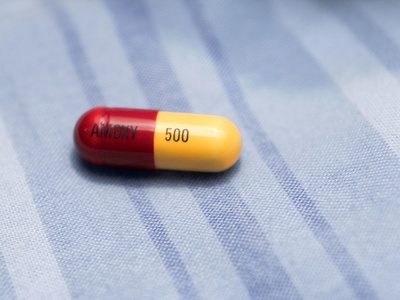
Amoxicillin
A broad-spectrum penicillin frequently used in primary care; well absorbed orally and combined with clavulanate to overcome beta-lactamase producing bacteria; watch for allergic reactions and altered gut flora.

Cephalexin
Oral cephalosporin effective against many Gram-positive bacteria and some Gram-negatives; commonly used for skin and UTI infections; cross-reactivity with penicillin allergies is possible but uncommon.
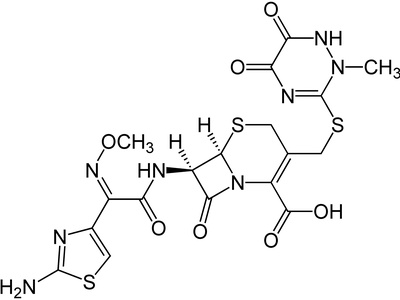
Ceftriaxone
Long-acting third-generation cephalosporin given IV/IM; good CNS penetration and broad Gram-negative coverage; resistant strains exist and dosing adjustments may be needed in neonates.
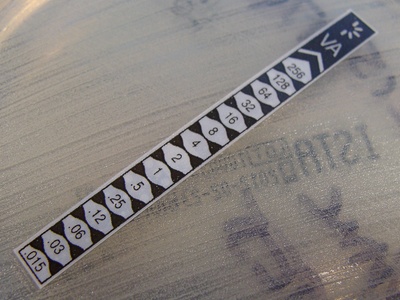
Vancomycin
Glycopeptide antibiotic reserved for resistant Gram-positive bacteria; nephrotoxicity and ototoxicity risks; emerging resistance (VRE) is a major clinical concern.
Daptomycin
Cyclic lipopeptide active against MRSA and VRE in bloodstream infections; inactivated by surfactant so not used for pneumonia; monitor muscle enzymes for toxicity.
Gentamicin
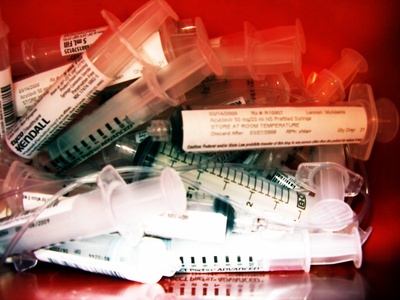
Aminoglycoside antibiotic used IV for severe infections; effective against many Gram-negatives but nephrotoxic and ototoxic; resistance via modifying enzymes can occur.
Ciprofloxacin
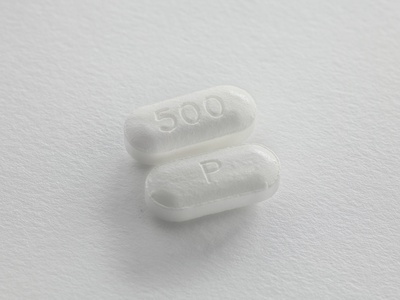
Fluoroquinolone with broad Gram-negative activity and good oral bioavailability; tendonitis and QT prolongation are notable side effects; resistance rising worldwide.
Levofloxacin
Respiratory fluoroquinolone effective against typical and atypical pathogens; similar safety concerns as other fluoroquinolones and increasing resistance in some regions.
Doxycycline
Tetracycline antibiotic with wide uses including malaria prophylaxis and acne; photosensitivity and teeth staining in children are precautions; some bacterial resistance is present.
Azithromycin
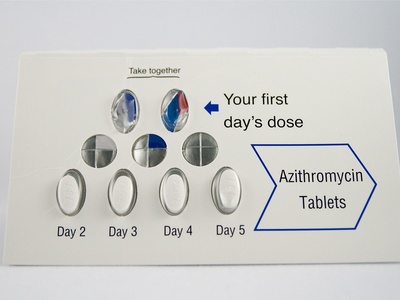
Macrolide antibiotic with long tissue half-life and convenient dosing; GI upset common; resistance via methylation/modification of ribosomal target can limit effectiveness.
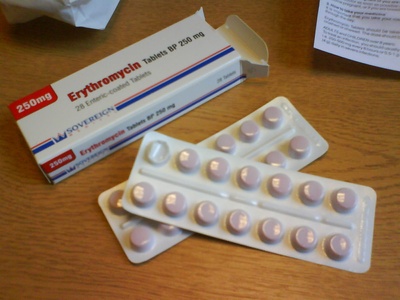
Erythromycin
Older macrolide antibiotic used in certain infections and prokinetic applications; more GI side effects than newer macrolides; interactions via CYP inhibition occur.
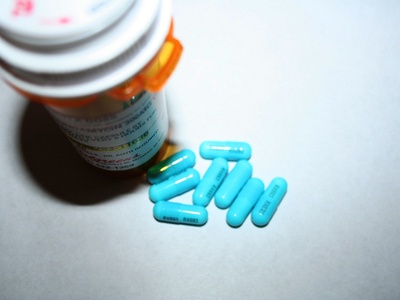
Clindamycin
Lincosamide often used for anaerobes and some staphylococcal infections; risk of Clostridioides difficile colitis is a key precaution.
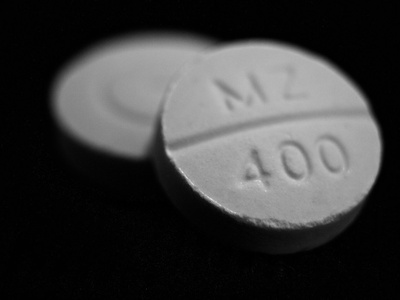
Metronidazole
Nitroimidazole effective against anaerobic bacteria and parasites; disulfiram-like reaction with alcohol and mutagenic concerns in high doses; resistance uncommon but reported.
Trimethoprim-sulfamethoxazole
Combination antibiotic (co-trimoxazole) inhibiting folate synthesis; widely used outpatient, active against many pathogens; allergy and interactions, plus rising resistance in some bacteria.
Nitrofurantoin
Urinary-specific antibiotic concentrated in urine; effective for many cystitis-causing bacteria; not for pyelonephritis or severe renal impairment; occasional pulmonary or hepatic toxicity.

Rifampin
Potent antitubercular and anti-staphylococcal antibiotic; strong inducer of liver enzymes causing many drug interactions and orange discoloration of body fluids.
Isoniazid
Primary anti-tuberculosis drug; requires monitoring for hepatotoxicity and peripheral neuropathy (pyridoxine used prophylactically); resistance emerges with mono-therapy.
Colistin (Polymyxin E)
Polymyxin antibiotic revived for resistant infections; nephrotoxic and neurotoxic risks limit use; resistance mechanisms are concerning in some regions.
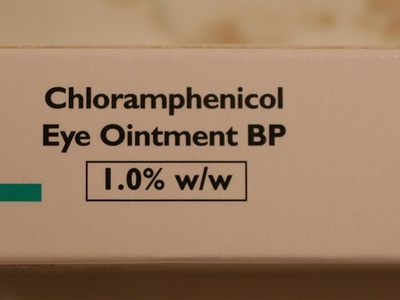
Chloramphenicol
Broad-spectrum antibiotic with rare but serious bone marrow suppression risk (aplastic anemia); largely replaced by safer drugs except in specific settings.
Linezolid
Oxazolidinone effective against resistant Gram-positives; risk of bone marrow suppression and serotonin interactions; resistance possible via ribosomal mutations.
Fidaxomicin
Narrow-spectrum macrolide-like antibiotic targeting C. difficile with lower relapse rates versus vancomycin; expensive but spares much normal gut flora.
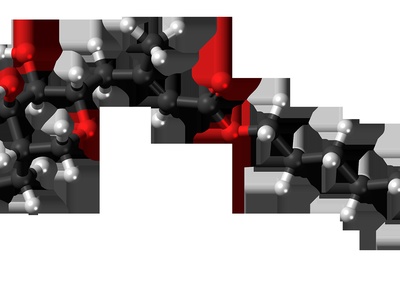
Mupirocin
Topical antibiotic applied to skin and nares; effective for MRSA carriage and localized infections; resistance can develop with widespread use.
Bacitracin
Polypeptide topical antibiotic effective against Gram-positive skin flora; used in over-the-counter ointments; systemic toxicity precludes internal use.
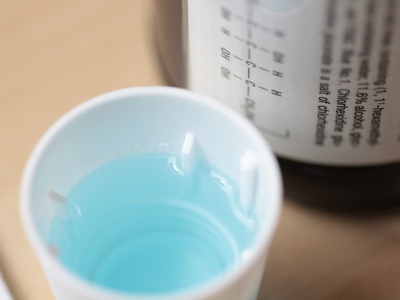
Chlorhexidine
Broad-spectrum antiseptic with persistent activity; used in healthcare and dentistry; can cause skin irritation or rare allergy; less effective against spores.
Acyclovir
Nucleoside analogue active against HSV and VZV; well tolerated and reduces viral replication; resistance occurs in immunocompromised hosts via thymidine kinase mutations.
Valacyclovir
Converted to acyclovir with improved oral absorption; convenient dosing for HSV and VZV; similar resistance considerations as acyclovir.
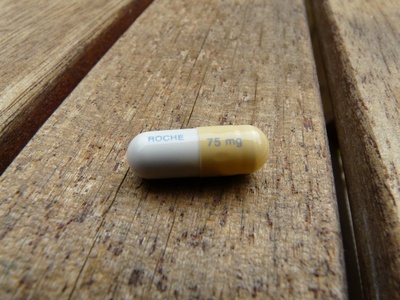
Oseltamivir
Oral neuraminidase inhibitor that shortens influenza duration if started early; resistance and variable effectiveness noted in some seasons.
Zanamivir
Inhaled antiviral alternative for influenza; not suitable for patients with severe airway disease; reduces symptom duration if given early in infection.
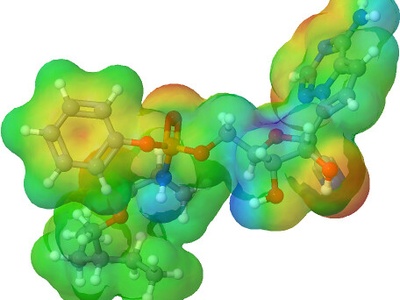
Remdesivir
Broad-spectrum antiviral initially developed for RNA viruses; modest benefit in hospitalized COVID-19 when used early; IV administration and liver function monitoring required.
Tenofovir
Key antiretroviral used in HIV and HBV; generally well tolerated though bone and renal monitoring may be needed in some patients.
Lamivudine
Well-tolerated nucleoside analogue used in combination antiretroviral therapy; resistance can develop if used alone for HBV.
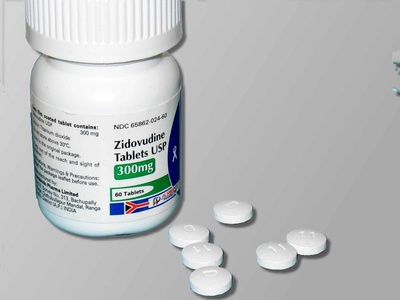
Zidovudine
Early HIV drug used to reduce vertical transmission; bone marrow suppression and anemia possible; mostly used as part of combination regimens now.
Sofosbuvir
Direct-acting antiviral with high cure rates for hepatitis C when combined with other agents; transformed HCV treatment with short, well-tolerated courses.
Ritonavir
Originally an HIV protease inhibitor; now commonly used at low dose to increase levels of co-administered antivirals via CYP inhibition; notable drug interactions.
Fluconazole
Triazole antifungal with good oral bioavailability and CNS penetration; drug interactions via CYP450 and emerging resistance in some Candida species.
Itraconazole
Triazole effective for certain systemic and nail infections; variable absorption and multiple drug interactions; liver function monitoring advisable.
Voriconazole
Broad-spectrum triazole with excellent activity against Aspergillus; visual disturbances and liver toxicity are notable side effects; therapeutic drug monitoring sometimes used.
Ketoconazole
Older azole antifungal used topically for skin conditions; systemic use limited by hepatotoxicity and drug interactions; largely replaced by safer agents.
Amphotericin B
Polyene antifungal with broad activity for life-threatening infections; infusion reactions, nephrotoxicity, and electrolyte disturbances limit use; lipid formulations reduce toxicity.
Nystatin
Polyene antifungal for mucocutaneous Candida infections; not absorbed orally so safe for localized oral or GI use; ineffective for systemic infections.
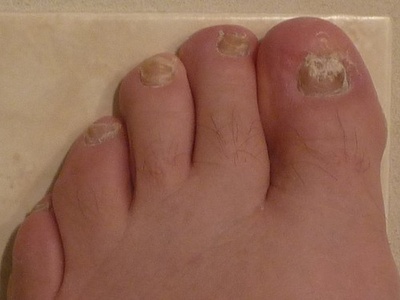
Terbinafine
Oral and topical allylamine effective for nail and skin fungal infections; liver enzyme monitoring for systemic use; long courses often required for nails.
Caspofungin
Echinocandin IV antifungal effective against Candida and some Aspergillus species; well tolerated with few drug interactions; not active against Cryptococcus.
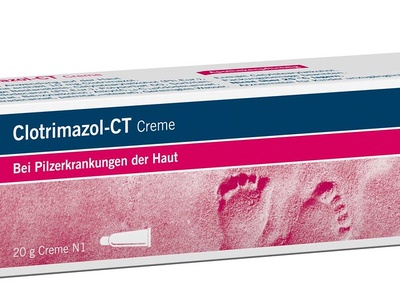
Clotrimazole
Common over-the-counter azole for dermatophytes and Candida; easy-to-use topical formulation with minimal systemic absorption and interactions.
Griseofulvin
Older systemic antifungal used for scalp and skin ringworm; requires long treatment durations and is enzyme-inducing with drug interactions.
Ivermectin
Broad-spectrum antiparasitic effective against many nematodes and ectoparasites; widely used in mass drug administration campaigns; caution in certain coinfections and drug interactions.
Albendazole
Broad-spectrum benzimidazole antihelmintic used in humans and animals; requires meals for better absorption and monitoring for liver effects in prolonged use.
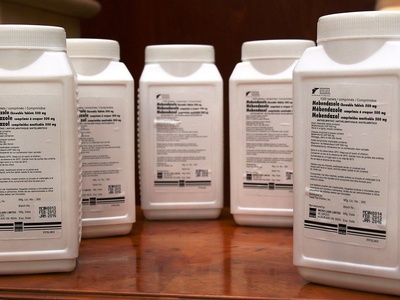
Mebendazole
Safe, effective antihelmintic used globally for soil-transmitted helminths; minimal systemic absorption and few side effects in single-dose regimens.
Praziquantel
Primary therapy for trematode and cestode infections; single-dose therapy effective for many cases; caution in early pregnancy and heavy infection due to inflammatory reactions.
Artemisinin (Artemether)
Key antimalarial derived from herb Artemisia annua; highly effective in combination regimens to prevent resistance; short half-life and evolving resistance patterns in some regions.
Chloroquine
Long-used antimalarial with widespread historical use; resistance common in Plasmodium falciparum in many regions; still used for sensitive species and certain inflammatory conditions.
Tinidazole
Related to metronidazole with longer half-life and similar spectrum; effective for several protozoal infections and anaerobes; alcohol interaction warning applies.
Nitazoxanide
Broad-spectrum antiparasitic/antiprotozoal with activity against Giardia and Cryptosporidium; well tolerated and used in pediatric infections.
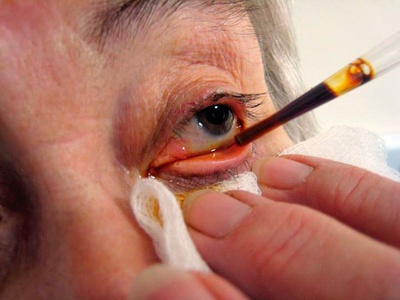
Povidone-iodine
Broad-spectrum antiseptic effective against bacteria, viruses, fungi; rapid action and widely used in healthcare, but may irritate skin and stain.
Ethanol
Alcohol antiseptic widely used in healthcare and household products; fast-acting against many microbes but ineffective against spores; flammable and evaporates quickly.
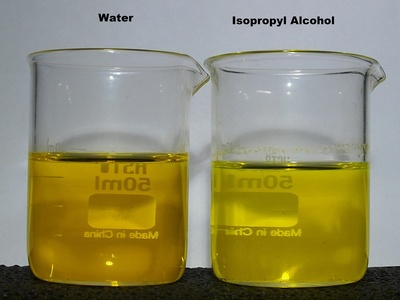
Isopropyl alcohol
Effective antiseptic with similar properties to ethanol; commonly used in household and clinical settings; flammability and skin drying are considerations.
Hydrogen peroxide
Oxidizing agent with bubbling action useful for wound cleansing and some disinfection; less effective as persistent antiseptic and can impede wound healing in some cases.
Sodium hypochlorite (Bleach)
Powerful broad-spectrum disinfectant effective against bacteria, viruses and spores at proper dilution; corrosive and irritating, so used with care and ventilation.
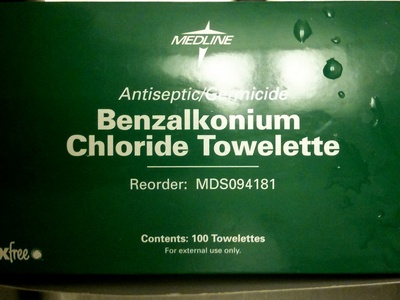
Benzalkonium chloride
Common disinfectant effective against many bacteria and enveloped viruses; less effective against spores and some non-enveloped viruses; can accumulate on surfaces.
Phenol (Carbolic acid)
Early disinfectant still used in some industrial and specialized formulations; corrosive and toxic, safer alternatives preferred in many settings.
Glutaraldehyde
High-level disinfectant for heat-sensitive instruments; effective against bacteria, viruses and spores; toxic fumes require proper ventilation and handling.
Peracetic acid
Fast-acting broad-spectrum disinfectant effective against spores and biofilms; corrosive and irritating but breaks down to harmless byproducts.
Silver sulfadiazine
Topical antimicrobial combining silver with sulfonamide activity; used on burns for broad coverage; watch for sulfa allergy and potential argyria with prolonged use.
Iodine tincture
Alcohol-based iodine solution with rapid antimicrobial action; effective but may sting and stain; allergy to iodine is rare but possible.

Triclosan
Broad-spectrum antibacterial agent formerly common in consumer products; limited use now due to regulatory restrictions and concerns about resistance and environmental effects.
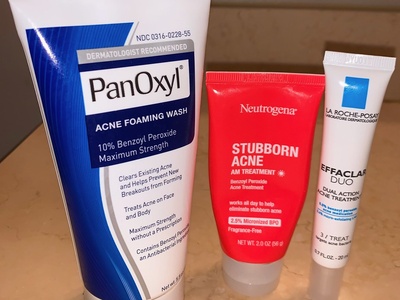
Benzoyl peroxide
Common over-the-counter acne therapy with antibacterial and keratolytic effects; can bleach hair and fabrics and cause skin irritation in sensitive individuals.