From coastal cleanups to research labs, interest in materials that break down after use keeps growing. Whether you’re comparing packaging options or studying soil amendments, knowing which polymers degrade under which conditions helps make smarter choices.
There are 16 Examples of Biodegradable Polymers, ranging from Alginate to Thermoplastic starch (TPS). For each entry you’ll find below data organized by Polymer class, Degradation environment, Typical uses so you can quickly compare where and how each material performs; you’ll find below.
How long does it take for biodegradable polymers to break down in real environments?
Degradation time varies widely: some materials like certain starch blends break down in industrial compost in weeks, while others such as polylactic acid (PLA) may require industrial composting conditions and take months. Environmental factors—temperature, moisture, microbial activity, and pH—are the main drivers, so lab ratings are only a guideline for real-world behavior.
Can biodegradable polymers replace conventional plastics for everyday products?
They can in many applications (packaging, disposable cutlery, agricultural films), but trade-offs exist: performance, cost, and end-of-life infrastructure (composting vs recycling) matter. Choose materials based on the intended use, required durability, and available disposal systems to ensure the environmental benefits.
Examples of Biodegradable Polymers
| Name | Polymer class | Degradation environment | Typical uses |
|---|---|---|---|
| Polylactic acid (PLA) | Aliphatic polyester | Industrial composting (fast); slow in home compost, soil; poor marine degradation | Packaging, disposable cutlery, 3D-printing filament, fibers |
| PHA (polyhydroxyalkanoates) (PHB/PHBV family) | Microbial polyesters (PHA family) | Soil, industrial & home compost, marine, enzymatic | Packaging, films, medical implants, agricultural films |
| Poly(ε-caprolactone) (PCL) | Aliphatic polyester | Soil, industrial & home compost, enzymatic; moderate marine degradation | Medical devices, blends, 3D-printing, coatings |
| Poly(butylene adipate-co-terephthalate) (PBAT) | Aliphatic–aromatic copolyester | Industrial composting, soil; some home composting evidence | Compostable bags, films, mulch, flexible packaging |
| Poly(butylene succinate) (PBS) | Aliphatic polyester | Industrial composting, soil; some home compost degradation reported | Packaging, mulch films, fibers, disposable items |
| Poly(butylene succinate-co-adipate) (PBSA) | Aliphatic copolyester | Industrial & home compost, soil, enzymatic | Films, bags, agricultural film, blends |
| Polyglycolic acid (PGA) | Aliphatic polyester (polyester of glycolic acid) | Enzymatic/hydrolytic degradation (physiological), compost/soil over time | Sutures, medical implants, scaffolds |
| Poly(lactic-co-glycolic acid) (PLGA) | Aliphatic polyester copolymer | Enzymatic/hydrolytic (physiological); eventual compost/soil biodegradation | Drug delivery, resorbable implants, tissue scaffolds |
| Thermoplastic starch (TPS) | Starch-based thermoplastic | Soil, home & industrial compost, enzymatic | Loose-fill packaging, compostable bags, fillers, films |
| Regenerated cellulose (viscose, rayon) | Cellulosic polymer (regenerated cellulose) | Soil, marine, industrial & home compost, enzymatic | Textiles, films, fibers, packaging films |
| Chitosan | Aminopolysaccharide (chitin derivative) | Soil, marine, enzymatic (lysozyme/chitinase) | Coatings, wound dressings, agriculture, films |
| Alginate | Anionic polysaccharide (seaweed-derived) | Marine, soil, compost, enzymatic | Food gels, wound dressings, encapsulation, hydrogels |
| Polyanhydrides | Aliphatic/anionic hydrolytically degradable polymers | Enzymatic/hydrolytic (physiological); degrade in aqueous environments | Drug delivery, biodegradable implants, controlled release |
| Poly(trimethylene carbonate) (PTMC) | Aliphatic polycarbonate | Enzymatic and hydrolytic degradation (physiological), soil/compost over time | Medical implants, elastomers, coatings |
| Poly(propylene carbonate) (PPC) | Aliphatic carbonate (CO2-based) | Industrial composting and soil (moderate rates); enzymatic pathways reported | Thin films, coatings, CO2-derived plastics |
| Poly(ethylene succinate) (PES) | Aliphatic polyester | Industrial & home compost, soil, enzymatic | Packaging, fibers, engineering biodegradable parts |
Images and Descriptions

Polylactic acid (PLA)
PLA is a biobased polyester from fermented sugars (lactic acid). It hydrolyzes under high-temperature industrial composting within months, is much slower in home compost or marine settings, and is widely used for compostable packaging and single-use items.
PHA (polyhydroxyalkanoates) (PHB/PHBV family)
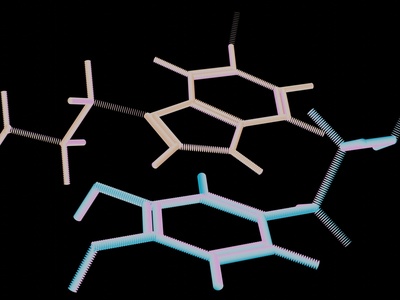
PHAs are microbially produced polyesters (PHB, PHBV, PHBH etc.) that biodegrade across soil, compost and marine environments via microbial enzymes. They are fully biodegradable and biocompatible, used from packaging to medical devices, but cost and property variability limit uptake.
Poly(ε-caprolactone) (PCL)
PCL is a soft, semicrystalline aliphatic polyester that hydrolyzes and is enzyme-degraded at ambient temperatures. It’s often used in biomedical applications and blended with PLA to improve flexibility and compostability.
Poly(butylene adipate-co-terephthalate) (PBAT)
PBAT is a flexible copolyester combining aliphatic segments (biodegradable) and aromatic units for performance. Microorganisms can mineralize it under composting and soil conditions, making it common in compostable film applications.
Poly(butylene succinate) (PBS)
PBS is a fully aliphatic polyester that biodegrades via hydrolysis and microbial attack in compost and soil. It offers mechanical properties similar to some polyolefins and is used for biodegradable packaging and agricultural films.
Poly(butylene succinate-co-adipate) (PBSA)
PBSA is a copolymer of succinate and adipate units with faster biodegradation than some homopolymers. It degrades in compost and soil by hydrolysis and microbial activity and is used for compostable films and blends.
Polyglycolic acid (PGA)
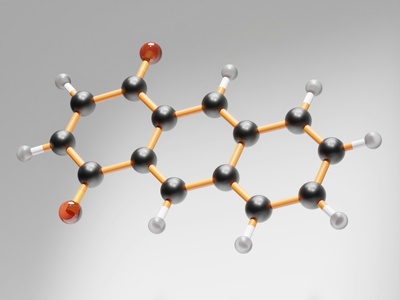
PGA is a highly crystalline polyester that hydrolyzes rapidly, especially under moist and enzymatic conditions. Widely used in resorbable sutures and medical devices, it also degrades in soil/compost environments by hydrolysis and microbial action.
Poly(lactic-co-glycolic acid) (PLGA)
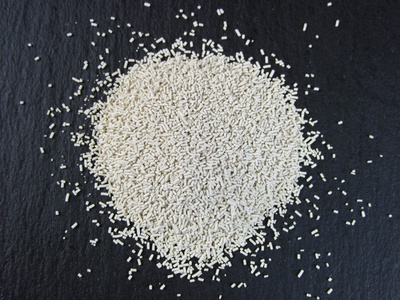
PLGA is a copolymer of lactic and glycolic acids designed for controlled hydrolytic degradation in biological environments. It’s extensively used in medicine and will ultimately biodegrade in compost and soil by hydrolysis and microbial metabolism.
Thermoplastic starch (TPS)
TPS is processed plant starch plasticized into a thermoplastic material that is readily biodegraded by microbes and enzymes in soil and compost. It’s inexpensive and commonly used in disposable packaging and compostable products.
Regenerated cellulose (viscose, rayon)
Regenerated cellulose is produced from wood pulp and retains the natural polysaccharide backbone that microbes break down. It biodegrades in soil, marine and compost environments and is used for textiles, cellophane-like films and absorbent products.
Chitosan
Chitosan is derived from deacetylated chitin (shellfish waste). It’s biodegradable by chitinases and other enzymes in soil and marine environments, used for antimicrobial coatings, biodegradable films and biomedical dressings.
Alginate
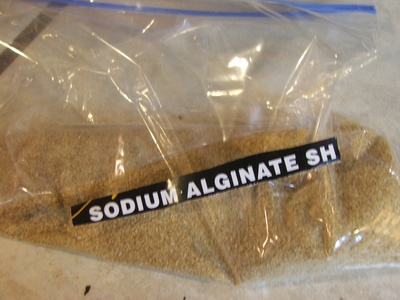
Alginate is a seaweed-derived polysaccharide that biodegrades by enzymatic and microbial action in marine and terrestrial settings. It’s widely used for food, biomedical hydrogels, wound care and encapsulation due to biocompatibility and gel-forming ability.
Polyanhydrides
Polyanhydrides hydrolyze at the anhydride linkage by surface erosion, yielding small acids metabolized by organisms. They are established in medical drug-delivery systems and degrade under realistic aqueous and enzymatic conditions.
Poly(trimethylene carbonate) (PTMC)
PTMC is a soft, flexible aliphatic polycarbonate that biodegrades slowly by surface erosion and enzymatic attack. Its biocompatibility and rubbery properties make it useful for resorbable medical devices and flexible biodegradable materials.
Poly(propylene carbonate) (PPC)
PPC is synthesized from CO2 and propylene oxide and undergoes microbial and hydrolytic degradation in compost and soil at measurable rates. It’s used in films and coatings as a partial biobased, degradable alternative.
Poly(ethylene succinate) (PES)
PES is an aliphatic polyester prepared from succinic acid and ethylene glycol that biodegrades under composting and soil conditions by hydrolysis and microbial action. It’s researched for biodegradable packaging and engineering applications where compostability is desired.