In clinics and everyday life, autoimmune conditions show up in many ways — from localized skin changes to systemic inflammation — and they can affect people of all ages. Understanding the range of disorders helps with earlier recognition and better conversations with your healthcare team.
There are 20 Examples of Autoimmune Diseases, ranging from Alopecia areata to Vitiligo. For each entry you’ll find below a concise row showing Affected system, Prevalence (per 100,000), and Common symptoms so you can quickly compare how these conditions differ and overlap.
How are autoimmune diseases typically diagnosed?
Diagnosis usually combines a patient’s history and physical exam with targeted tests: blood work for autoantibodies, inflammatory markers, imaging when organs are involved, and sometimes tissue biopsy. A pattern of symptoms plus supportive test results guides clinicians rather than a single definitive test for most conditions.
Can lifestyle changes make a meaningful difference in managing autoimmune conditions?
Yes — while lifestyle changes rarely cure autoimmune diseases, adjustments like balanced nutrition, regular moderate exercise, stress management, adequate sleep, and avoiding known triggers can reduce flares and improve quality of life; these should be used alongside medical treatments and tailored with your clinician.
Examples of Autoimmune Diseases
| Name | Affected system | Prevalence (per 100,000) | Common symptoms |
|---|---|---|---|
| Rheumatoid arthritis | Joints | 500 | Joint pain, swelling, morning stiffness, fatigue |
| Systemic lupus erythematosus | Multiple systems | 50 | Fatigue, joint pain, rash, fever, organ involvement (kidney, brain) |
| Type 1 diabetes | Pancreas/endocrine | 500 | Excess thirst, urination, weight loss, fatigue, blurred vision |
| Multiple sclerosis | Nervous system (CNS) | 150 | Vision changes, numbness, weakness, spasticity, balance problems |
| Hashimoto’s thyroiditis | Thyroid | 1,000 | Fatigue, weight gain, cold intolerance, dry skin, constipation |
| Graves’ disease | Thyroid | 200 | Weight loss, heat intolerance, palpitations, tremor, eye changes |
| Psoriasis | Skin | 2,000 | Red scaly plaques, itching, nail changes |
| Psoriatic arthritis | Joints/skin | 150 | Joint pain, stiffness, swollen digits, skin plaques |
| Crohn’s disease | Gastrointestinal | 200 | Abdominal pain, diarrhea, weight loss, bleeding |
| Ulcerative colitis | Gastrointestinal | 200 | Bloody diarrhea, abdominal pain, urgency, tenesmus |
| Myasthenia gravis | Neuromuscular junction | 20 | Muscle weakness, drooping eyelids, double vision, fatigue |
| Guillain‑Barré syndrome | Peripheral nervous system | 2 | Rapidly progressive weakness, tingling, areflexia, respiratory difficulty |
| Sjögren’s syndrome | Exocrine glands | 100 | Dry eyes, dry mouth, fatigue, dental cavities |
| Systemic sclerosis (scleroderma) | Skin/connective tissue | 25 | Skin thickening, Raynaud’s, fingertip ulcers, organ fibrosis |
| Primary biliary cholangitis | Liver/bile ducts | 30 | Fatigue, itching, jaundice, abnormal liver tests |
| Autoimmune hepatitis | Liver | 20 | Fatigue, jaundice, abdominal pain, elevated liver enzymes |
| Celiac disease | Small intestine | 1,000 | Diarrhea, bloating, weight loss, malabsorption, fatigue |
| Vitiligo | Skin | 500 | Pale white skin patches, possible autoimmune associations |
| Alopecia areata | Hair/skin | 200 | Patchy hair loss, nail pitting, possible extensive hair loss |
| Polymyositis/Dermatomyositis | Muscles/skin | 10 | Proximal muscle weakness, rash (dermatomyositis), fatigue |
Images and Descriptions

Rheumatoid arthritis
Chronic systemic autoimmune disease where immune cells attack joint linings, causing pain, swelling and deformity over time. Course varies; treatments include disease‑modifying antirheumatic drugs, biologic immunosuppression, pain control, and physical therapy to preserve function.
Systemic lupus erythematosus
Multi‑system autoimmune disease with autoantibodies that can injure skin, joints and organs. Flares and remissions are common. Management uses immunosuppressants, steroids, targeted therapies and organ‑specific treatment with close long‑term monitoring.
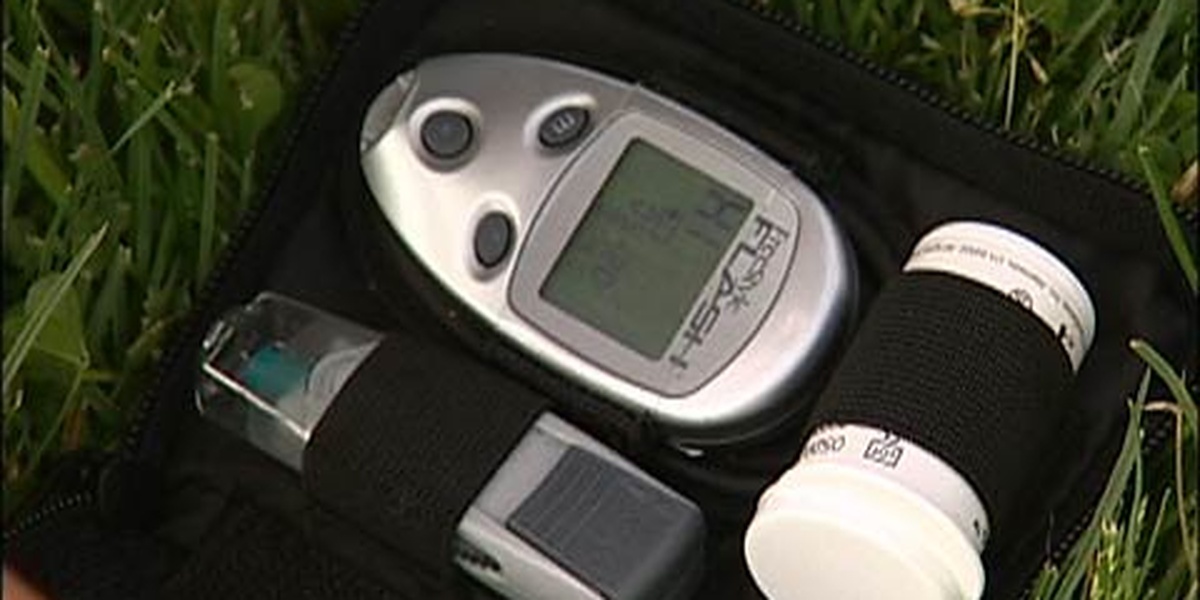
Type 1 diabetes
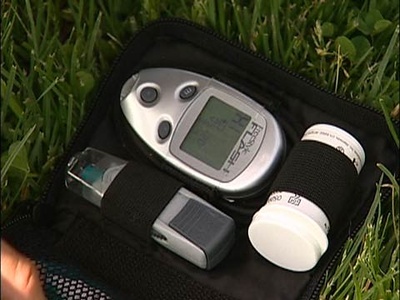
Autoimmune destruction of insulin‑producing pancreatic beta cells leading to lifelong insulin deficiency. Presents acutely in children or adults. Managed with insulin replacement, blood glucose monitoring and prevention of complications.

Multiple sclerosis
Immune‑mediated attack on central nervous system myelin causing relapses or progressive neurological loss. Symptoms and course vary widely. Treatments include disease‑modifying immunotherapies, steroids for relapses, symptom control and rehabilitation.
Hashimoto’s thyroiditis
Autoimmune destruction of the thyroid leading to hypothyroidism. Slowly progressive; common in middle‑aged women. Diagnosis by antibodies and function tests. Treated with lifelong thyroid hormone replacement and monitoring.
Graves’ disease
Autoimmune stimulation of the thyroid causing overproduction of thyroid hormone and sometimes eye inflammation. Treated with antithyroid drugs, radioactive iodine, surgery or symptomatic therapies for eye disease.
Psoriasis
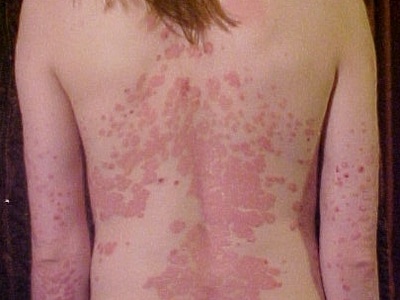
Chronic immune‑mediated skin condition causing scaly, inflamed patches often on elbows, knees and scalp. Can be linked to systemic inflammation. Treatments range from topical agents to phototherapy and systemic immunomodulators or biologics.
Psoriatic arthritis
Inflammatory arthritis associated with psoriasis where immune dysfunction attacks joints and entheses. Course varies from mild to erosive. Managed with NSAIDs, DMARDs and biologic therapies to control inflammation and prevent damage.
Crohn’s disease
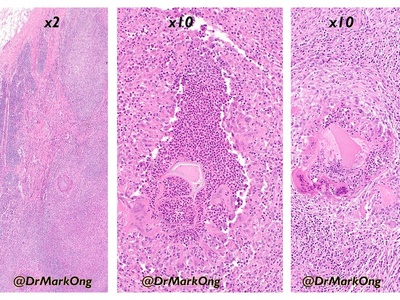
Chronic immune‑mediated inflammatory bowel disease that can affect any GI tract segment, causing pain, diarrhea and complications. Treated with anti‑inflammatory drugs, immunosuppressants, biologics, nutritional support, and sometimes surgery.
Ulcerative colitis
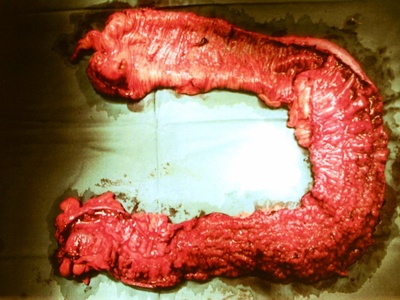
Chronic inflammatory disease limited to colon mucosa causing rectal bleeding and diarrhea. Immune dysregulation drives flares and remissions. Managed with aminosalicylates, steroids, immunomodulators, biologics, and colectomy in severe cases.
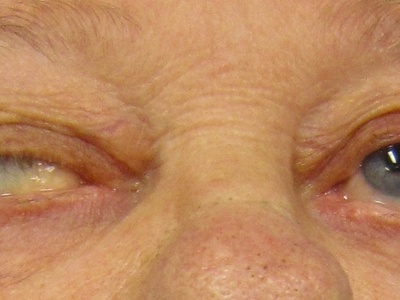
Myasthenia gravis
Autoantibody‑mediated disorder targeting neuromuscular junction receptors, causing fluctuating muscle weakness that worsens with use. Treated with symptomatic cholinesterase inhibitors, immunosuppression, plasmapheresis, IVIG and sometimes thymectomy.
Guillain‑Barré syndrome
Acute autoimmune attack on peripheral nerve myelin (often post‑infection) causing ascending weakness and possible respiratory failure. Treated with IVIG or plasmapheresis and supportive care; many recover with rehabilitation.
Sjögren’s syndrome
Autoimmune destruction of salivary and lacrimal glands causing dryness and systemic features. May occur alone or with other autoimmune diseases. Management focuses on symptomatic lubrication, immunosuppression for systemic disease, and dental care.
Systemic sclerosis (scleroderma)
Autoimmune disease causing fibrosis of skin and internal organs due to vascular and immune abnormalities. Can be limited or diffuse with variable prognosis. Treatment targets symptoms, immunosuppression, and organ‑directed care.
Primary biliary cholangitis
Autoimmune destruction of small intrahepatic bile ducts causing cholestasis and eventual cirrhosis. More common in middle‑aged women. Managed with ursodeoxycholic acid, newer therapies and immunosuppression when needed.
Autoimmune hepatitis
Autoimmune inflammation of the liver driven by autoantibodies and T cells, which can lead to chronic liver disease. Usually treated with steroids and steroid‑sparing immunosuppressants to induce and maintain remission.
Celiac disease
Autoimmune reaction to gluten that damages intestinal lining, causing malabsorption and varied symptoms. Lifelong gluten‑free diet is the mainstay; some patients need nutritional support and monitoring for complications.
Vitiligo
Autoimmune destruction of skin melanocytes producing well‑defined depigmented patches. Course is variable and cosmetic impact can be significant. Treatments include topical therapies, phototherapy, camouflage, and immunomodulation in selected cases.
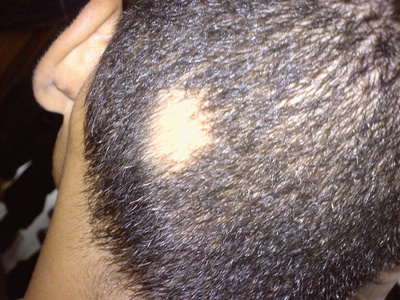
Alopecia areata
Autoimmune attack on hair follicles causing sudden, non‑scarring hair loss that may regrow or progress. Treatments include topical or injected steroids, immunotherapy, and systemic immunosuppressants for severe cases.
Polymyositis/Dermatomyositis
Inflammatory autoimmune myopathies causing symmetric muscle weakness; dermatomyositis also features a characteristic skin rash. Managed with high‑dose steroids, long‑term immunosuppression and physical therapy to preserve strength and function.