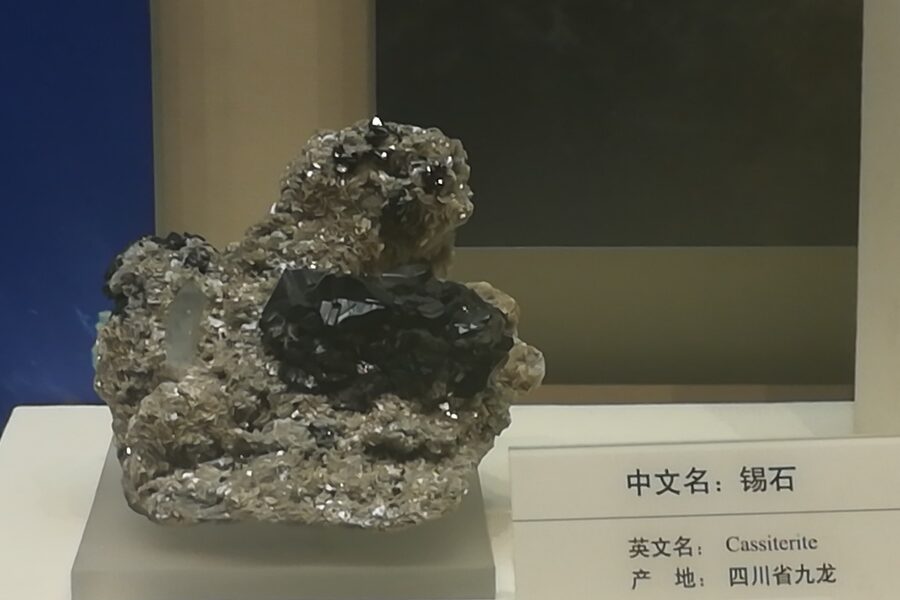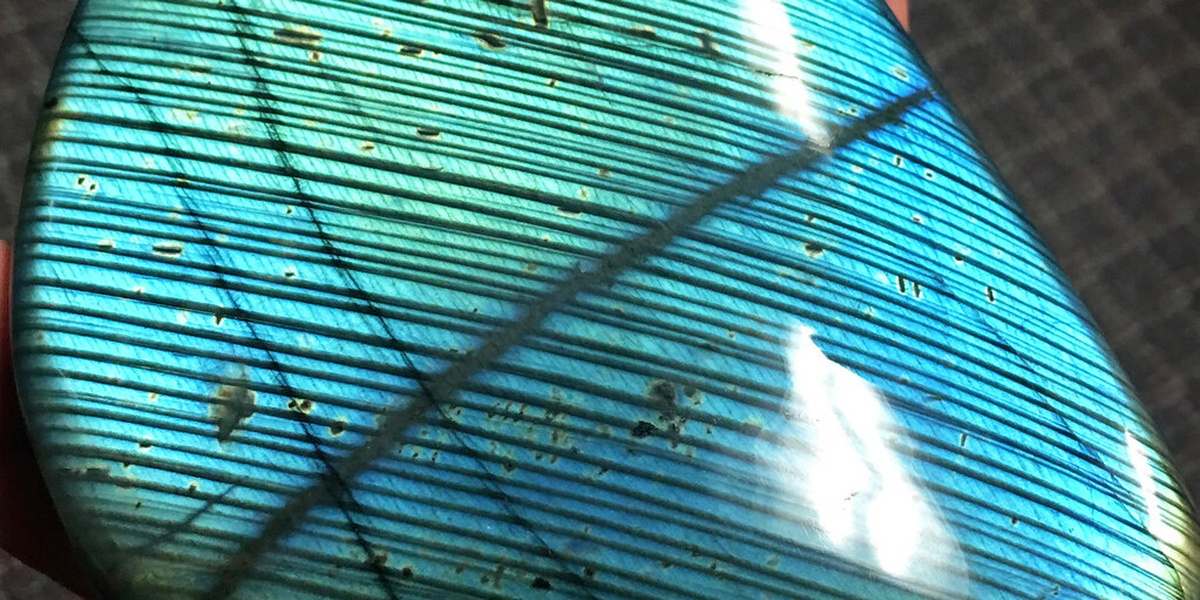
Grenada’s landscape is more than beaches and spice plantations — its volcanic history and coastal deposits host a variety of minerals that tell the island’s geological story. Small-scale collectors and researchers alike can spot traces of igneous and hydrothermal activity in outcrops and river gravels.
There are 15 Minerals in Grenada, ranging from Apatite to Zircon. For each mineral listed, the entries are organized with Chemical formula, Typical occurrence and localities, and Economic significance to give a concise snapshot you can use for study or practical reference — you’ll find below.
How are these minerals typically found or collected on Grenada?
Most appear in outcrops, beach sands, and stream gravels where erosion reveals volcanic and metamorphic rocks; small-scale hand collecting and panning are common methods, while any systematic sampling for commercial use would require permits and local geological guidance.
Do any of these minerals have economic importance for Grenada?
A few minerals have local economic roles, mostly as minor sources for agriculture or construction materials, while others like zircon or apatite are of scientific interest and potential industrial value but currently only contribute limited local economic activity.
Minerals in Grenada
| Mineral | Chemical formula | Typical occurrence and localities | Economic significance |
|---|---|---|---|
| Plagioclase | (Na,Ca)AlSi3O8 | Phenocrysts in andesite-basalt; Mt. St. Catherine, Grand Etang | None |
| Augite | (Ca,Na)(Mg,Fe)Si2O6 | Clinopyroxene in lavas; Mt. St. Catherine, central highlands | None |
| Olivine | (Mg,Fe)2SiO4 | Mafic basalts, xenoliths; southern coasts, volcanic centers | None |
| Hornblende | Ca2(Mg,Fe)5Si8O22(OH)2 | Andesitic intrusive and lava rocks; Mt. St. Catherine area | None |
| Biotite | K(Mg,Fe)3AlSi3O10(OH)2 | Accessory in felsic dikes and altered pyroclastics; central complex | None |
| Magnetite | Fe3O4 | Accessory in lavas; placer/black sands on beaches | Minor |
| Ilmenite | FeTiO3 | Accessory in volcanic rocks; heavy-mineral beach concentrates | Minor |
| Apatite | Ca5(PO4)3(F,Cl,OH) | Accessory phenocrysts in andesites, ash layers; central volcano | None |
| Zircon | ZrSiO4 | Accessory in ash layers and intrusive fragments; Mt. St. Catherine | None (scientific) |
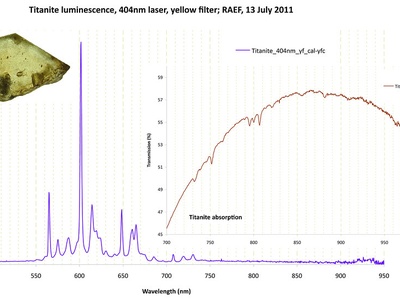
| Titanite (Sphene) | CaTiSiO5 | Accessory in andesites and tuffs; central volcanic complex | None |
| Chlorite | (Mg,Fe,Al)6(Si,Al)4O10(OH)8 | Alteration of tuffs and lavas; Grand Etang, central highlands | None |
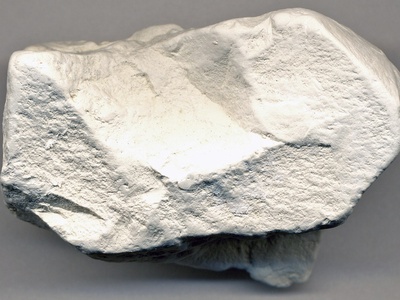
| Kaolinite | Al2Si2O5(OH)4 | Weathered ash and soils; central uplands and slopes | Minor |
| Montmorillonite | (Na,Ca)0.3(Al,Mg)2Si4O10(OH)2·nH2O | Altered tuffs, soils, gullies; Grand Etang region | None |
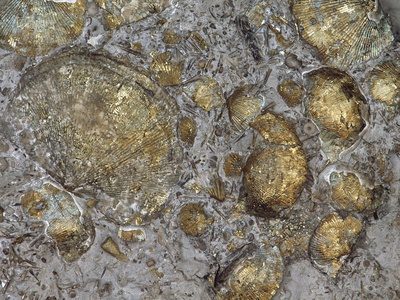
| Pyrite | FeS2 | Hydrothermal veins, altered pyroclastics; central volcanic area | None |
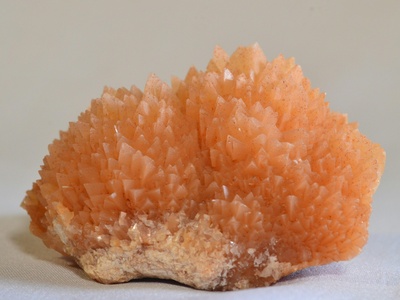
| Carbonate (Calcite) | CaCO3 | Vein fillings and alteration zones; fractures in volcanic rocks | None |
Images and Descriptions
Plagioclase
Common rock-forming feldspar in Grenada’s andesites and basalts; forms tabular phenocrysts in volcanic flows and pyroclastics at the central volcanic complex and surrounding highlands, used to interpret magma evolution and eruption history.

Augite
Augite is the dominant clinopyroxene in Grenada’s mafic to intermediate lavas, occurring as dark, stubby crystals in flows and tuffs; important for petrology and understanding magma temperature and chemistry.
Olivine
Green to brown olivine appears in more mafic basalts and as crystal fragments in pyroclastic material; its presence signals relatively magnesium-rich magmas and helps reconstruct eruption conditions.
Hornblende
Hornblende amphibole occurs in Grenada’s intermediate volcanic rocks and dikes, forming dark elongate crystals; its presence indicates water-bearing magmas and is useful for interpreting volatile content of the volcanic system.
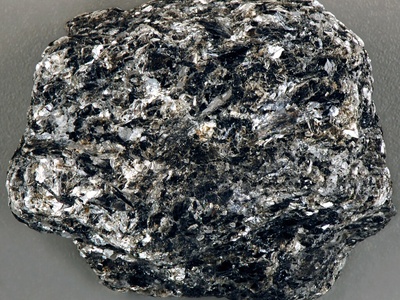
Biotite
Brown to black biotite mica appears sporadically in Grenada’s more felsic intrusions and altered ash layers; it provides clues to crustal contamination and can be used in petrologic studies.
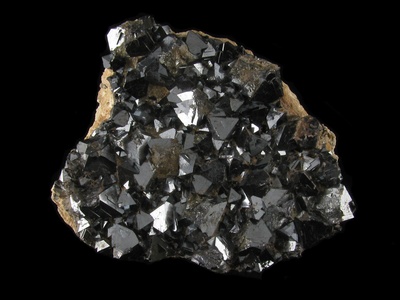
Magnetite
Iron oxide common as opaque magnetite crystals in volcanic rocks and locally concentrated in black sand deposits; not mined commercially but contributes to heavy-mineral concentrates and magnetic studies.
Ilmenite
Titaniferous iron oxide occurs in Grenada’s volcanic rocks and is occasionally concentrated in coastal sands; there is minor interest for heavy-mineral potential but no significant commercial exploitation.
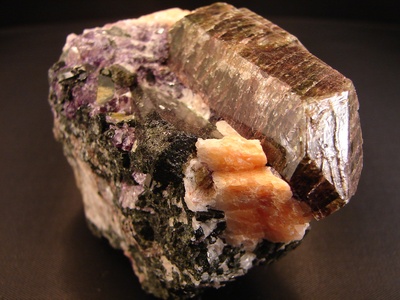
Apatite
Apatite occurs as small accessory crystals in Grenada’s volcanic rocks and ash beds; important for tracing phosphorus behavior in magmas and sometimes used for minor geochemical studies.
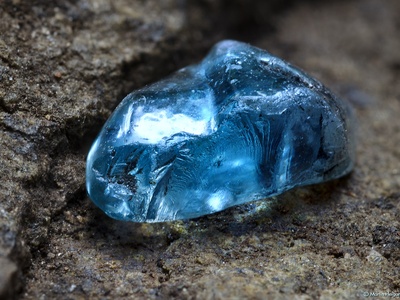
Zircon
Durable zircon grains occur in Grenada’s volcanic and pyroclastic deposits; though not an ore, zircon is valuable for U–Pb geochronology to date eruptions and constrain island evolution.
Titanite (Sphene)
Titanite appears as small brownish crystals in intermediate volcanic rocks; it records titanium and calcium partitioning in magmas and can be used for petrologic and geochemical studies.
Chlorite
Green chlorite forms during low-grade hydrothermal or burial alteration of Grenada’s volcanic rocks, indicating past hydrothermal activity or metamorphism of ash deposits and helping map alteration zones.
Kaolinite
Common tropical clay produced by intense weathering of volcanic ash and lavas across Grenada; used locally for ceramics and potting, and important for soil fertility and erosion studies.
Montmorillonite
Swelling clay produced by alteration of volcanic glass and ash in humid conditions; affects soil stability, drainage, and occasionally used in small-scale industrial or agricultural applications.
Pyrite
Iron sulfide forms as small, brassy crystals in hydrothermally altered zones and veinlets in Grenada’s volcanics; not mined commercially but indicates past hydrothermal fluids and can cause local acid drainage.
Carbonate (Calcite)
Secondary calcite occurs in veins and vugs within altered volcanic rocks, filling fractures and cavities; common as late-stage mineralization from circulating waters and useful for understanding post-eruption hydrothermal history.