In labs, workshops and environmental surveys, cadmium appears in many familiar and unexpected forms — from pigments and batteries to research reagents. Knowing the specific compounds helps technicians, safety officers and researchers spot uses, hazards and regulatory flags quickly.
There are 42 Cadmium Compounds, ranging from Cadmium acetate to Dimethylcadmium. For each entry we list Formula,Main uses (max 15 words),Hazard and regulatory notes (max 15 words),Description (30-50 words); you’ll find below.
Are cadmium compounds hazardous and what regulations apply?
Yes — many cadmium compounds are toxic and some are classified as human carcinogens; inhalation and chronic exposure are highest risk. Workplace and environmental rules (OSHA, NIOSH, EU REACH and local agencies) set exposure limits, reporting and disposal requirements that vary by compound and use.
How should I handle and store cadmium compounds safely?
Handle them in a fume hood with appropriate PPE (gloves, eye protection, respirator if needed), keep containers sealed and clearly labeled, segregate from incompatible chemicals, and follow institutional waste and spill procedures. Consult SDS and local regulations for specific limits and disposal steps.
Cadmium Compounds
| Most common short name | Formula | Main uses (max 15 words) | Hazard and regulatory notes (max 15 words) | Description (30-50 words) |
|---|---|---|---|---|
| Cadmium sulfide | CdS | Pigments, photodetectors, photovoltaics, semiconductors | Toxic, carcinogenic risk; restricted in paints and toys | Yellow-orange solid used as a pigment and semiconductor. Found in paints and photodetectors; used historically as “cadmium yellow.” Highly toxic if inhaled or ingested; disposal and consumer use are regulated in many countries. |
| Cadmium oxide | CdO | Electrodes, pigments, batteries, catalysts | Toxic; occupational exposure limits apply | Brick-red to brown crystalline oxide used in electrodes, catalysts, and pigments. Employed in some batteries and coatings. Toxic by inhalation/ingestion and classified as carcinogenic in some jurisdictions; regulated workplace exposure and waste disposal required. |
| Cadmium telluride | CdTe | Thin-film solar cells, infrared detectors, semiconductors | Toxic; electronics waste regulations apply | A grey, brittle semiconductor widely used in thin-film photovoltaic panels and infrared detectors. Efficient for solar cells but raises environmental concerns; recycling and disposal of CdTe-containing modules are regulated to limit cadmium release. |
| Cadmium selenide | CdSe | Quantum dots, pigments, optoelectronics | Toxic; environmental release controlled | Red-orange semiconductor used for quantum dots, LEDs, and research. Notable optical properties; concerns over toxicity in nanomaterials and strict handling, disposal, and product use rules apply in many regions. |
| Cadmium chloride | CdCl2 | Electroplating, photography, lab reagent | Highly toxic; corrosive; strict controls | White crystalline salt used in electroplating baths, photographic chemistry, and laboratories. Soluble and highly toxic; use controlled, with strict handling and disposal requirements to prevent environmental contamination. |
| Cadmium nitrate | Cd(NO3)2 | Electroplating baths, chemical precursor, research | Oxidizer; toxic; regulated handling and disposal | Colorless crystalline salt used as a precursor in plating and synthesis. Strong oxidizer properties in solution and significant toxicity; subject to lab safety rules and environmental discharge limits. |
| Cadmium sulfate | CdSO4 | Electroplating, pigment manufacture, laboratory reagent | Toxic; wastewater discharge limits apply | White crystalline salt used in electroplating solutions and pigment production. Soluble and moderately hazardous; regulated in industrial effluents and workplace exposures to limit cadmium release. |
| Cadmium carbonate (otavite) | CdCO3 | Precursor, pigment production, mineral specimen | Toxic; inhalation hazard; regulated | White mineral and synthetic salt used as a precursor for pigments and other cadmium compounds. Known as otavite in mineral form. Toxic if inhaled or ingested; handling and disposal controlled. |
| Cadmium bromide | CdBr2 | Laboratory reagent, photography research | Toxic; corrosive; controlled use | Hygroscopic white crystalline salt used in specialized laboratory applications. Soluble and highly toxic; corrosive to tissues and handled under strict laboratory safety protocols. |
| Cadmium iodide | CdI2 | Research, layered-structure studies, reagent | Toxic; avoid ingestion and inhalation | Layered crystalline salt used in research into intercalation compounds and thin films. Soluble and highly toxic; handled only with protective measures and proper disposal. |
| Cadmium fluoride | CdF2 | Infrared optics, research ceramics | Toxic; regulated in waste streams | Colorless crystalline fluoride used in some optical and ceramic applications. Low solubility but toxic; environmental release and product use are regulated. |
| Cadmium hydroxide | Cd(OH)2 | NiCd batteries, electrode precursor | Toxic; present in battery waste regulations | White, poorly soluble hydroxide formed in rechargeable nickel–cadmium batteries and as a precursor in synthesis. Toxic and regulated in battery recycling and disposal programs to prevent contamination. |
| Cadmium acetate | Cd(CH3COO)2 | Pigment manufacture, lab reagent, catalysts | Toxic; corrosive; disposal regulated | White crystalline salt used in pigment production and laboratory chemistry. Soluble and toxic; corrosive properties and cadmium content make handling and disposal strictly regulated. |
| Cadmium cyanide | Cd(CN)2 | Electroplating complexing agent, research | Extremely toxic; cyanide and cadmium hazards | White crystalline salt used as a complexing agent in plating. Combines toxic cadmium and cyanide risks, posing severe acute and chronic hazards; highly restricted and controlled in use. |
| Cadmium sulfide (green variant) [Cadmium green] | CdS | Green pigments, artist paints, plastics | Toxic; consumer product restrictions common | A form/mixture of CdS used to produce green-yellow pigments in art and plastics. Same toxicity and environmental concerns as cadmium pigments, leading to regulatory limits in consumer goods. |
| Cadmium phosphide | Cd3P2 | Semiconductor research, infrared detectors | Toxic; phosphorus compound hazards; regulated | Black crystalline semiconductor studied for electronic and infrared applications. Toxic by ingestion and inhalation; material handling governed by safety regulations in research settings. |
| Cadmium arsenide | Cd3As2 | Topological semimetal research, electronics | Toxic; arsenic and cadmium hazards; strict controls | Metallic-looking compound studied for exotic electronic properties. Combines cadmium and arsenic toxicity; handled under strict laboratory and waste regulations to limit exposure and environmental release. |
| Cadmium stannate | Cd2SnO4 | Transparent conducting films, coatings | Toxic; disposal and workplace limits apply | A ternary oxide used as a transparent conductor in coatings and displays. Combines cadmium with tin; concerns focus on cadmium toxicity and regulatory control in manufacturing and disposal. |
| Cadmium molybdate | CdMoO4 | Phosphors, ceramics, research | Toxic; regulated in waste streams | A tungstate/ molybdate analogue employed as a phosphor and in ceramics research. Solid-state material with luminescent properties; cadmium content requires careful handling and disposal. |
| Cadmium tungstate | CdWO4 | Scintillators, radiation detectors | Toxic; regulated in detector manufacturing | Dense crystalline scintillator used for gamma-ray detection in physics and medical equipment. Efficient radiation detection but cadmium content necessitates controlled manufacturing and end-of-life handling. |
| Cadmium chromate | CdCrO4 | Corrosion resistance pigments, coatings (historical) | Carcinogenic chromate and cadmium hazards; restricted | A chromate pigment historically used for corrosion resistance. Combines carcinogenic chromate with toxic cadmium; largely phased out and heavily restricted due to severe health risks. |
| Cadmium oxalate | CdC2O4 | Precursor, coordination chemistry research | Toxic; skin and inhalation hazards | White crystalline oxalate used as a precursor in syntheses and coordination studies. Sparingly soluble and toxic; handled with protective equipment and appropriate waste disposal. |
| Cadmium stearate | Cd(C18H35O2)2 | PVC stabilizer (historical), lubricants | Toxic; phased out in many regions | Cadmium salt of stearic acid once used as PVC stabilizer and in lubricants. Organic, waxy solid; largely replaced due to cadmium toxicity and regulatory phase-outs in consumer products. |
| Dimethylcadmium | Cd(CH3)2 | Research reagent, MOCVD (specialized uses) | Extremely toxic and volatile; highly restricted | A volatile, extremely toxic organometallic used historically in research and chemical vapor deposition. Reacts with air and moisture; use is tightly controlled and often avoided due to high acute toxicity. |
| Diethylcadmium | Cd(C2H5)2 | Research organometallic reagent | Extremely toxic; pyrophoric and restricted | Highly toxic organometallic similar to dimethylcadmium. Used in specialized research; pyrophoric and dangerous, with strict regulatory controls and limited commercial availability. |
| Cadmium thiocyanate | Cd(SCN)2 | Coordination chemistry, research reagent | Toxic; corrosive; controlled use | White crystalline salt employed in coordination chemistry and as a reagent. Soluble and toxic; handled under lab safety protocols and disposed of as hazardous waste. |
| Cadmium phosphate | Cd3(PO4)2 | Coatings, corrosion research, precursors | Toxic; phosphate discharge considerations | A white crystalline phosphate studied for coatings and anticorrosion research. Low solubility but cadmium content mandates controlled use and careful disposal to avoid environmental contamination. |
| Cadmium iodate | Cd(IO3)2 | Research reagent, oxidizing salt study | Oxidizer; toxic; limited applications | A cadmium iodate salt used mainly in inorganic chemistry studies. Combines oxidizing anion with toxic cadmium; niche research use with strict handling rules. |
| Cadmium fluoride (anhydrous optical grade) | CdF2 | Infrared optics, optical windows | Toxic; regulated manufacturing waste | Transparent crystalline fluoride used in some IR optical components. Low solubility but cadmium toxicity requires controlled manufacturing and end-of-life treatment. |
| Cadmium titanate | CdTiO3 | Ceramics research, dielectric studies | Toxic; limited commercial use | Perovskite-type oxide studied in ceramics and dielectric research. Rare in commerce; cadmium toxicity is a concern in manufacturing and disposal. |
| Cadmium telluride oxide (studies) | CdTeO3 | Ceramics research, pigment studies | Toxic; research material only | A cadmium tellurium oxide encountered in specialized ceramic and pigment research. Not common commercially; controlled handling due to cadmium toxicity. |
| Cadmium nitrate tetrahydrate | Cd(NO3)2·4H2O | Laboratory reagent, plating precursors | Toxic; oxidizer; regulated | Common hydrated nitrate salt used in laboratories and as a precursor in plating. Crystalline and water-soluble; oxidizing and toxic, with disposal and handling regulations. |
| Cadmium hypophosphite | Cd(H2PO2)2 | Electroless plating research | Toxic; niche research use | Used experimentally in some electroless plating systems. Contains cadmium and hypophosphite; handling and waste disposal governed by toxicity rules. |
| Cadmium carbonate basic (basic carbonate) | CdCO3·Cd(OH)2 (approx) | Pigments, precursor compounds | Toxic; pigment restrictions apply | A basic cadmium carbonate mixture encountered in pigment manufacture and as an intermediate. Solid and toxic; regulated in consumer products and industrial emissions. |
| Cadmium telluride selenide (solid solution) | CdTe1−xSex (defined compositions) | Tunable photovoltaics, LEDs, research | Toxic; electronic wastestream regulations | Alloyed semiconductor with tuneable bandgap for photovoltaics and optoelectronics. Specific stoichiometries are defined for devices; cadmium content creates regulatory and disposal considerations. |
| Cadmium zinc telluride | CdZnTe (CZT) | Radiation detectors, gamma spectroscopy | Toxic; regulated detector manufacturing | Ternary semiconductor used in room-temperature radiation detectors. Mixed Cd/Zn telluride crystals are commercially sold with defined compositions; cadmium content requires controlled handling and end-of-life processing. |
| Cadmium selenite | CdSeO3 | Ceramic glazes, research pigment studies | Toxic; limited commercial use | A cadmium selenite salt used mainly in specialized ceramic and pigment research. Toxic and handled under strict laboratory regulations. |
| Cadmium antimonide | CdSb | Thermoelectric research, semiconductors | Toxic; antimony and cadmium hazards | Binary semiconducting compound studied for thermoelectrics. Metallic grey solid with narrow applications; toxicity from both cadmium and antimony requires precautions. |
| Cadmium telluride chloride complexes | CdCl2·CdTe (complexes) | Research on crystal growth and doping | Toxic; lab-controlled research use | Adducts and complexes used in crystal growth research for CdTe materials. Niche laboratory interest; cadmium toxicity and chemical hazards are carefully managed. |
| Cadmium peroxide (reported complexes) | CdO2 (reported as unstable) | Research interest only; oxidizer | Potential oxidizer; toxic; unstable | Peroxide or high-oxidation-state cadmium species are rare and generally unstable, appearing in specialized research. Strong oxidant behavior and cadmium toxicity limit practical applications. |
| Cadmium vinyls (coordination compounds) | e.g., Cd( vinyl )2 complexes | Research organometallic studies | Toxic; specialized research only | Coordination and organometallic cadmium compounds with vinyl ligands are mainly academic curiosities. Highly specialized, often sensitive compounds studied under controlled conditions due to cadmium toxicity. |
| Cadmium sulfate monohydrate | CdSO4·H2O | Plating, laboratory reagent | Toxic; wastewater controls apply | Hydrated cadmium sulfate used in electroplating and labs. Soluble and toxic, with wastewater and workplace exposure limits to reduce environmental and health impacts. |
Images and Descriptions
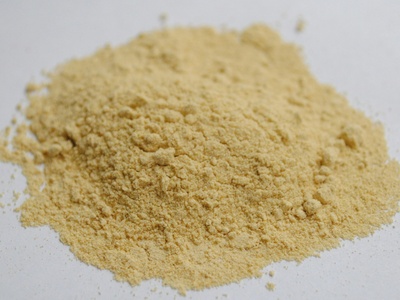
Cadmium sulfide
Yellow-orange solid used as a pigment and semiconductor. Found in paints and photodetectors; used historically as “cadmium yellow.” Highly toxic if inhaled or ingested; disposal and consumer use are regulated in many countries.

Cadmium oxide
Brick-red to brown crystalline oxide used in electrodes, catalysts, and pigments. Employed in some batteries and coatings. Toxic by inhalation/ingestion and classified as carcinogenic in some jurisdictions; regulated workplace exposure and waste disposal required.
Cadmium telluride
A grey, brittle semiconductor widely used in thin-film photovoltaic panels and infrared detectors. Efficient for solar cells but raises environmental concerns; recycling and disposal of CdTe-containing modules are regulated to limit cadmium release.
Cadmium selenide
Red-orange semiconductor used for quantum dots, LEDs, and research. Notable optical properties; concerns over toxicity in nanomaterials and strict handling, disposal, and product use rules apply in many regions.
Cadmium chloride
White crystalline salt used in electroplating baths, photographic chemistry, and laboratories. Soluble and highly toxic; use controlled, with strict handling and disposal requirements to prevent environmental contamination.
Cadmium nitrate
Colorless crystalline salt used as a precursor in plating and synthesis. Strong oxidizer properties in solution and significant toxicity; subject to lab safety rules and environmental discharge limits.
Cadmium sulfate
White crystalline salt used in electroplating solutions and pigment production. Soluble and moderately hazardous; regulated in industrial effluents and workplace exposures to limit cadmium release.
Cadmium carbonate (otavite)
White mineral and synthetic salt used as a precursor for pigments and other cadmium compounds. Known as otavite in mineral form. Toxic if inhaled or ingested; handling and disposal controlled.
Cadmium bromide
Hygroscopic white crystalline salt used in specialized laboratory applications. Soluble and highly toxic; corrosive to tissues and handled under strict laboratory safety protocols.
Cadmium iodide
Layered crystalline salt used in research into intercalation compounds and thin films. Soluble and highly toxic; handled only with protective measures and proper disposal.
Cadmium fluoride
Colorless crystalline fluoride used in some optical and ceramic applications. Low solubility but toxic; environmental release and product use are regulated.
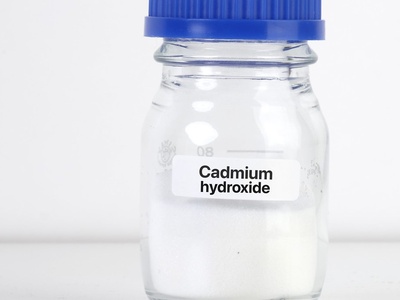
Cadmium hydroxide
White, poorly soluble hydroxide formed in rechargeable nickel–cadmium batteries and as a precursor in synthesis. Toxic and regulated in battery recycling and disposal programs to prevent contamination.
Cadmium acetate
White crystalline salt used in pigment production and laboratory chemistry. Soluble and toxic; corrosive properties and cadmium content make handling and disposal strictly regulated.
Cadmium cyanide
White crystalline salt used as a complexing agent in plating. Combines toxic cadmium and cyanide risks, posing severe acute and chronic hazards; highly restricted and controlled in use.
Cadmium sulfide (green variant) [Cadmium green]
A form/mixture of CdS used to produce green-yellow pigments in art and plastics. Same toxicity and environmental concerns as cadmium pigments, leading to regulatory limits in consumer goods.
Cadmium phosphide
Black crystalline semiconductor studied for electronic and infrared applications. Toxic by ingestion and inhalation; material handling governed by safety regulations in research settings.
Cadmium arsenide
Metallic-looking compound studied for exotic electronic properties. Combines cadmium and arsenic toxicity; handled under strict laboratory and waste regulations to limit exposure and environmental release.
Cadmium stannate
A ternary oxide used as a transparent conductor in coatings and displays. Combines cadmium with tin; concerns focus on cadmium toxicity and regulatory control in manufacturing and disposal.
Cadmium molybdate
A tungstate/ molybdate analogue employed as a phosphor and in ceramics research. Solid-state material with luminescent properties; cadmium content requires careful handling and disposal.
Cadmium tungstate
Dense crystalline scintillator used for gamma-ray detection in physics and medical equipment. Efficient radiation detection but cadmium content necessitates controlled manufacturing and end-of-life handling.
Cadmium chromate
A chromate pigment historically used for corrosion resistance. Combines carcinogenic chromate with toxic cadmium; largely phased out and heavily restricted due to severe health risks.
Cadmium oxalate
White crystalline oxalate used as a precursor in syntheses and coordination studies. Sparingly soluble and toxic; handled with protective equipment and appropriate waste disposal.
Cadmium stearate
Cadmium salt of stearic acid once used as PVC stabilizer and in lubricants. Organic, waxy solid; largely replaced due to cadmium toxicity and regulatory phase-outs in consumer products.
Dimethylcadmium
A volatile, extremely toxic organometallic used historically in research and chemical vapor deposition. Reacts with air and moisture; use is tightly controlled and often avoided due to high acute toxicity.
Diethylcadmium
Highly toxic organometallic similar to dimethylcadmium. Used in specialized research; pyrophoric and dangerous, with strict regulatory controls and limited commercial availability.
Cadmium thiocyanate
White crystalline salt employed in coordination chemistry and as a reagent. Soluble and toxic; handled under lab safety protocols and disposed of as hazardous waste.
Cadmium phosphate
A white crystalline phosphate studied for coatings and anticorrosion research. Low solubility but cadmium content mandates controlled use and careful disposal to avoid environmental contamination.
Cadmium iodate
A cadmium iodate salt used mainly in inorganic chemistry studies. Combines oxidizing anion with toxic cadmium; niche research use with strict handling rules.
Cadmium fluoride (anhydrous optical grade)
Transparent crystalline fluoride used in some IR optical components. Low solubility but cadmium toxicity requires controlled manufacturing and end-of-life treatment.
Cadmium titanate
Perovskite-type oxide studied in ceramics and dielectric research. Rare in commerce; cadmium toxicity is a concern in manufacturing and disposal.
Cadmium telluride oxide (studies)
A cadmium tellurium oxide encountered in specialized ceramic and pigment research. Not common commercially; controlled handling due to cadmium toxicity.
Cadmium nitrate tetrahydrate
Common hydrated nitrate salt used in laboratories and as a precursor in plating. Crystalline and water-soluble; oxidizing and toxic, with disposal and handling regulations.
Cadmium hypophosphite
Used experimentally in some electroless plating systems. Contains cadmium and hypophosphite; handling and waste disposal governed by toxicity rules.
Cadmium carbonate basic (basic carbonate)
A basic cadmium carbonate mixture encountered in pigment manufacture and as an intermediate. Solid and toxic; regulated in consumer products and industrial emissions.
Cadmium telluride selenide (solid solution)
Alloyed semiconductor with tuneable bandgap for photovoltaics and optoelectronics. Specific stoichiometries are defined for devices; cadmium content creates regulatory and disposal considerations.
Cadmium zinc telluride
Ternary semiconductor used in room-temperature radiation detectors. Mixed Cd/Zn telluride crystals are commercially sold with defined compositions; cadmium content requires controlled handling and end-of-life processing.
Cadmium selenite
A cadmium selenite salt used mainly in specialized ceramic and pigment research. Toxic and handled under strict laboratory regulations.
Cadmium antimonide
Binary semiconducting compound studied for thermoelectrics. Metallic grey solid with narrow applications; toxicity from both cadmium and antimony requires precautions.
Cadmium telluride chloride complexes
Adducts and complexes used in crystal growth research for CdTe materials. Niche laboratory interest; cadmium toxicity and chemical hazards are carefully managed.
Cadmium peroxide (reported complexes)
Peroxide or high-oxidation-state cadmium species are rare and generally unstable, appearing in specialized research. Strong oxidant behavior and cadmium toxicity limit practical applications.
Cadmium vinyls (coordination compounds)
Coordination and organometallic cadmium compounds with vinyl ligands are mainly academic curiosities. Highly specialized, often sensitive compounds studied under controlled conditions due to cadmium toxicity.
Cadmium sulfate monohydrate
Hydrated cadmium sulfate used in electroplating and labs. Soluble and toxic, with wastewater and workplace exposure limits to reduce environmental and health impacts.