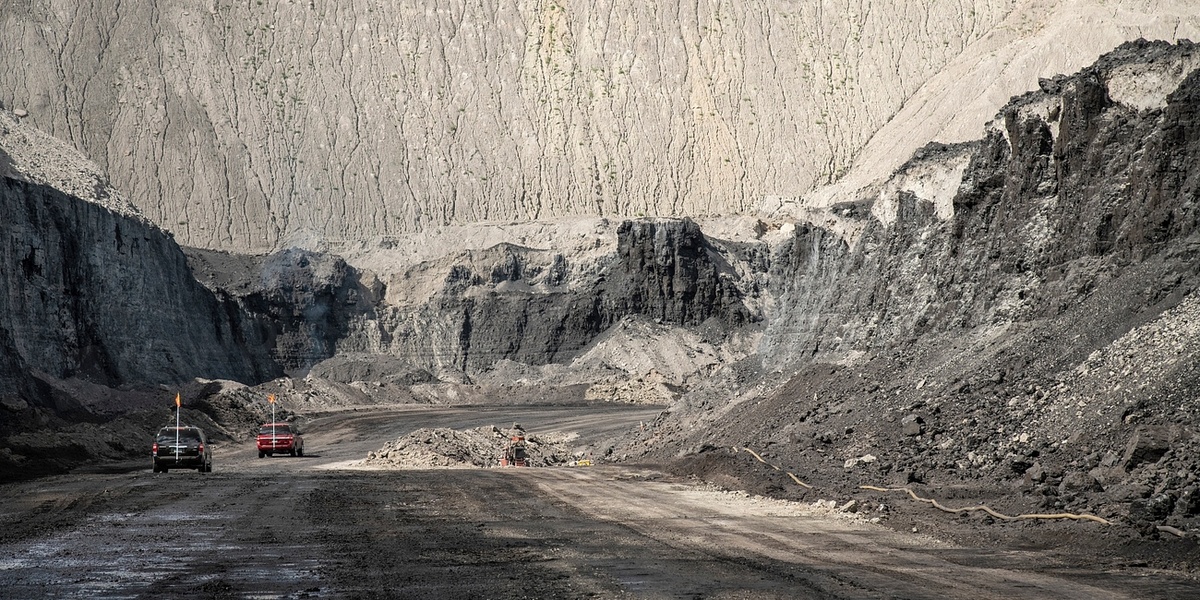
Czechia’s landscape and economy are closely tied to what lies beneath and grows above its soil. From Bohemian ore belts and sandstone quarries to Moravian grain fields, those resources have shaped local industry, crafts and land use for centuries.
There are 36 Natural Resources of Czechia, ranging from Ball clay / fire clay to Wheat. For each entry, data are presented with Type,Main locations,Reserves/annual prod (unit) and a short note on use or scale so you can compare materials and regions — you’ll find below the full list and details.
How current and reliable are the reserves/annual prod figures?
Most numbers come from national geological surveys, industry reports and statistical offices, but they can change with new exploration, policy or market shifts. Use the listed figures as a starting point: check the original source and date, confirm the units, and consult Czech Geological Survey or recent government publications for the latest values.
Can I visit sites or study these resources in person?
The list indicates general locations rather than exact coordinates; many extraction sites are private or active industrial areas that require permission. For fieldwork or visits, contact local authorities, universities, museums or regional heritage sites — some quarries and mining museums offer public tours or educational access.
Natural Resources of Czechia
| Name | Type | Main locations | Reserves/annual prod (unit) |
|---|---|---|---|
| Lignite (brown coal) | energy | North Bohemian (Most) Basin; Sokolov Basin | 40,000,000 tonnes (annual prod) |
| Hard coal | energy | Ostrava-Karviná (Moravian-Silesian) Basin | 6,000,000 tonnes (annual prod) |
| Uranium (uranium ore) | energy | Jáchymov, Stráž pod Ralskem, Rožná area | Historic production ~80,000 tonnes U (total, historic) |
| Crude oil | energy | South Moravia (Hodonín, Břeclav fields) | ~100,000 tonnes (annual prod, domestic) |
| Natural gas (domestic) | energy | South Moravia; Carpathian foredeep | ~0.2 billion m3 (annual prod, domestic) |
| Peat | energy/biological | Třeboň Basin, Šumava and northern bogs | ~100,000 tonnes (annual prod, harvested areas) |
| Timber / Forests | biological | Šumava, Beskydy, Bohemian Forest, Krkonoše | ~12,000,000 m3 (annual harvest) |
| Hops | agricultural | Žatec (Saaz), North Bohemia | ~3,000 tonnes (annual prod) |
| Wheat | agricultural | Bohemian-Moravian lowlands, South Moravia | ~4,000,000 tonnes (annual prod) |
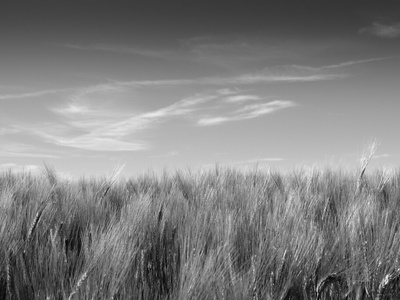
| Barley | agricultural | South Moravia, central lowlands | ~1,500,000 tonnes (annual prod) |
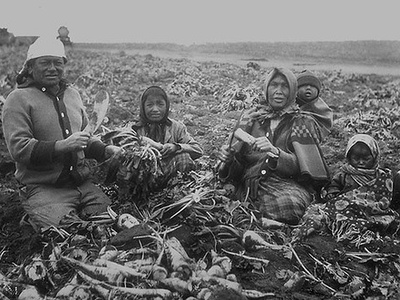
| Sugar beet | agricultural | Central and East Bohemia, South Moravia | ~7,000,000 tonnes (annual prod) |
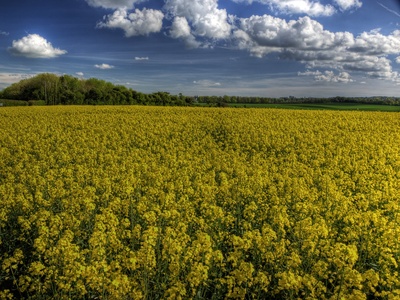
| Rapeseed (canola) | agricultural | Central Bohemia, South Moravia | ~800,000 tonnes (annual prod) |
| Glass sand (silica sand) | industrial mineral | North Bohemia, Ústí regions; South Bohemia | ~1,000,000 tonnes (annual prod) |
| Kaolin (china clay) | industrial mineral | Karlovy Vary region, North Bohemia, Pilsen area | ~300,000 tonnes (annual prod) |
| Bentonite | industrial mineral | Bohemian-Moravian Highlands and other deposits | ~50,000 tonnes (annual prod) |
| Ball clay / fire clay | industrial mineral | Central Bohemia, South Moravia | ~200,000 tonnes (annual prod) |
| Limestone (cement/aggregate) | building material | Czech Massif, Moravian Karst, central regions | ~20,000,000 tonnes (annual prod) |
| Dolomite | building material/mineral | Bohemian Massif, Moravia | ~2,000,000 tonnes (annual prod) |
| Gypsum | industrial mineral/building material | Southeast Moravia, Bohemian Massif outcrops | ~500,000 tonnes (annual prod) |
| Gravel and sand (aggregates) | building material | River terraces (Elbe, Vltava), glaciofluvial plains | ~10,000,000 m3 (annual prod) |
| Granite (dimension stone) | building material | Bohemian Massif (Central Bohemia, Vysočina) | ~1,000,000 tonnes (annual prod) |
| Basalt / basaltic rock | building material | Karlovy Vary region, Cheb Basin, central areas | ~2,000,000 tonnes (annual prod) |
| Slate (roofing/flagstone) | building material | North Bohemia and Moldanubian Zone | ~50,000 tonnes (annual prod) |
| Lead‑zinc‑silver ores | metallic | Příbram, Kutná Hora, historical Central Bohemia mines | Historic ore production ~5,000,000 tonnes (ore, historic) |
| Copper (ore) | metallic | historic occurrences in Bohemia and Moravia (small) | Historic production ~1,000,000 tonnes (ore, historic) |
| Iron ore (historic) | metallic | Northern and central Moravia (small deposits) | Historic production ~100,000 tonnes (ore, historic) |
| Tin (cassiterite, historic) | metallic | Bohemian Massif (historical small deposits) | Historic production ~20,000 tonnes (ore, historic) |
| Barite (barytes) | industrial mineral | Příbram region and others | ~200,000 tonnes (annual prod) |
| Fluorite (fluorspar) | industrial mineral | Bohemian Massif (various veins, historic) | ~50,000 tonnes (annual prod/historic) |
| Bentonite / swelling clays | industrial mineral | Bohemian-Moravian Highlands, other basins | ~50,000 tonnes (annual prod) |
| Rock salt / brine salt | industrial mineral | Central and eastern basins (brine wells) | ~200,000 tonnes (annual prod) |
| Freshwater (rivers and reservoirs) | water | Vltava, Elbe (Labe) basins; major reservoirs Lipno, Orlík, Slapy | Internal renewable resources ~37,000 million m3/year (est.) |
| Groundwater (aquifers) | water | Moravian lowlands, Bohemian basin aquifers | Significant regional groundwater reserves (municipal/industrial supply) |
| Geothermal / thermal waters | energy/water | West Bohemia (Mariánské Lázně), Cheb Basin, Karlovy Vary area | Low-to-moderate thermal potential; exploratory projects (MWth scale) |
| Ornamental stone / marble | building material | Bohemian Massif outcrops, localized quarries | Limited annual production (tonnes) for dimension stone |
| Fruit (orchards: apples, plums) | agricultural | South Moravia, Bohemian lowlands | ~200,000–500,000 tonnes (combined fruit, annual) |
Images and Descriptions
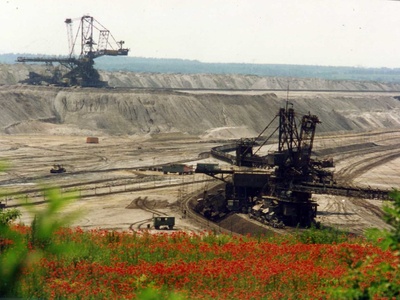
Lignite (brown coal)
Soft, high-ash brown coal mined in large open pits in the Most and Sokolov basins. Major historical energy source for power plants, still a large domestic fuel with ongoing environmental and land‑rehabilitation challenges.
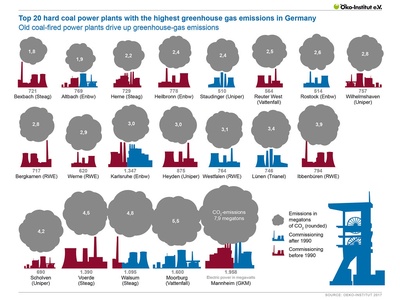
Hard coal
Higher‑grade, bituminous coal from the Ostrava-Karviná basin historically powered heavy industry and steelworks. Production has fallen from peak levels but remains an important local fuel and employer in northeastern Czechia.
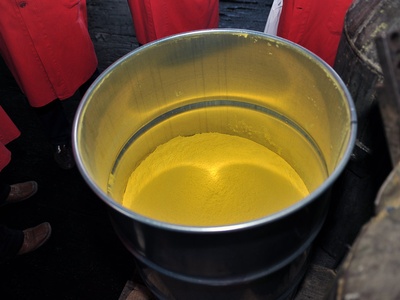
Uranium (uranium ore)
Uranium ores fueled major Cold War-era mining in central Bohemia and Moravia. Many deposits are now closed or remediated; uranium remains notable historically and for environmental legacy in former mining areas.
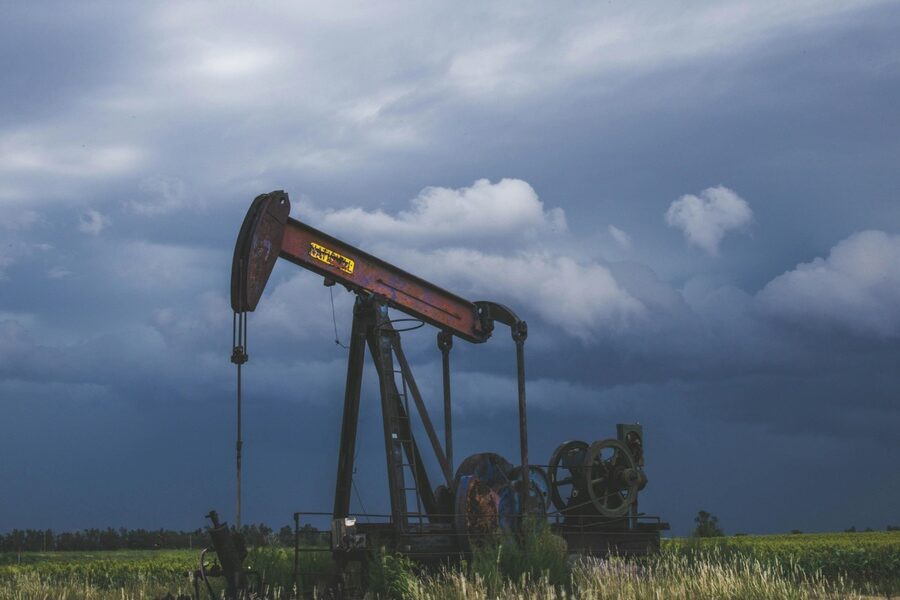
Crude oil
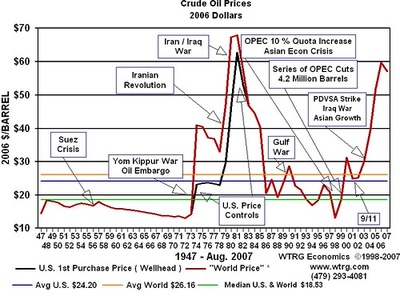
Small onshore oil fields in South Moravia supply limited domestic crude. Production is minor compared with imports but important locally; Czechia relies heavily on imported petroleum for consumption.
Natural gas (domestic)
Domestic natural gas comes from a few Moravian fields and the Carpathian foredeep. Production covers a small fraction of national demand; most gas consumed is imported via pipelines or LNG.

Peat
Peat from bogs historically used for fuel and horticulture, especially in Třeboň region. Production is limited today due to conservation and restoration of valuable peatland ecosystems.
Timber / Forests
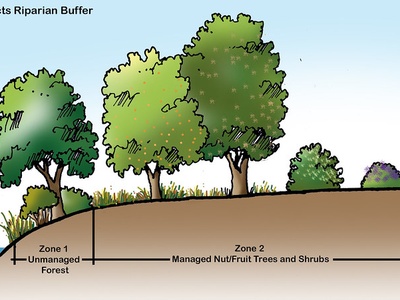
Extensive mixed and conifer forests provide sawlogs, pulpwood and biomass. Forestry is an important renewable sector; spruce monocultures are prevalent and vulnerable to storms, bark beetle outbreaks, and climate impacts.
Hops
World‑famous Saaz hops cultivated in northwest Bohemia are a premium brewing ingredient. Small but economically significant crop with strong cultural and export importance for craft and major breweries.
Wheat
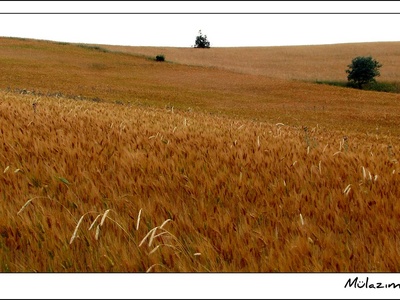
Wheat is the principal arable crop across fertile lowlands, supporting domestic food supply, animal feed, and milling industries. Yields vary with weather; cereals dominate Czech crop production.
Barley
Barley is grown for animal feed and brewing malts. Important to Czech beer production and livestock farms; production fluctuates with demand and weather conditions.
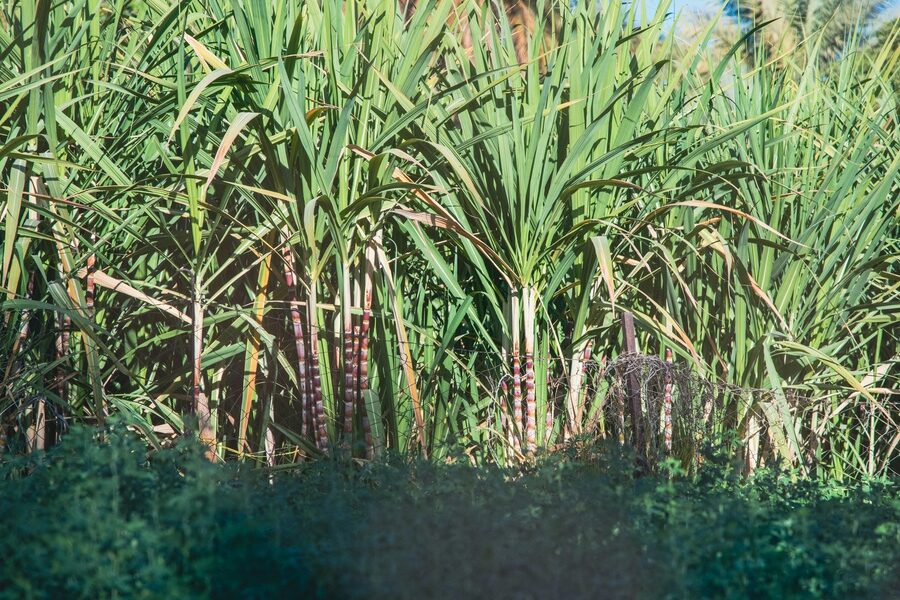
Sugar beet
Sugar beet has long been an important industrial crop for domestic sugar processing. Large harvests supply regional factories and raw sugar markets; crop area has fluctuated with EU policy and prices.
Rapeseed (canola)
Rapeseed for oil and biofuel is widespread across arable regions. Serves food oil, animal feed and industrial uses; cultivation increased with biofuel demand but is sensitive to crop rotations.
Glass sand (silica sand)
High‑purity silica sand fuels Czech glass and foundry industries. Deposits in sandstone and sand quarries supply domestic glassmaking traditions and export; quality and grain size determine end use.
Kaolin (china clay)
White kaolin clays used in ceramics, porcelain, paper and paints. Czech deposits support long‑standing ceramics industry; many deposits are commercially worked and processed locally.
Bentonite
Swelling clays used in drilling mud, foundry binders, cat litter and sealing. Czech bentonite resources are modest but important for local industrial applications.
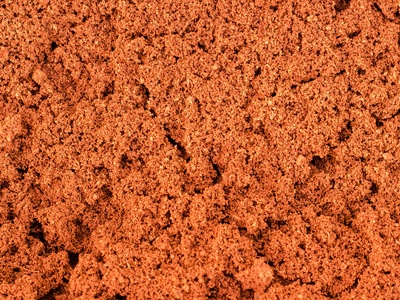
Ball clay / fire clay
Plastic clays for ceramics, refractories and bricks. Historically important to brick and tile manufacture; deposits supply regional ceramic and refractory industries.
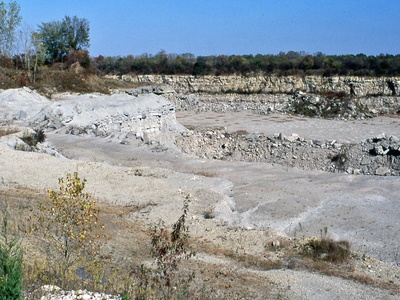
Limestone (cement/aggregate)
Widely quarried for cement production, lime, and crushed aggregate. Limestone shapes local building stone supply and construction material industry; abundant and economically important nationwide.
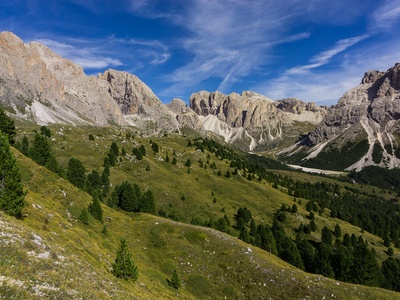
Dolomite
Dolostone and dolomite used as crushed stone, metallurgical flux, and in chemical industries. Quarried in several regions and sold for construction and industrial uses.
Gypsum
Gypsum deposits supply plaster, drywall and cement manufacture. Commercial quarries provide raw material for construction products and agricultural soil amendments.
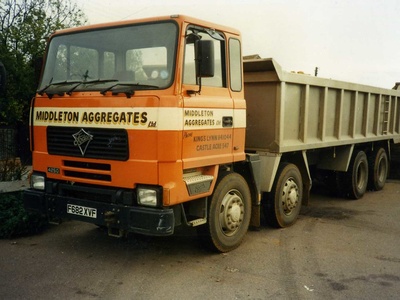
Gravel and sand (aggregates)
Essential construction aggregates from river terraces, pits and quarries. Widely extracted for concrete, roadbuilding and landscaping; sites often near population centers to reduce transport.
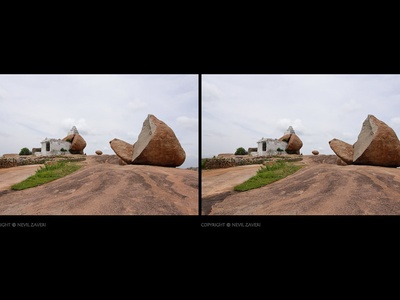
Granite (dimension stone)
Hard igneous rock quarried for monuments, countertops, facing stone and crushed aggregate. Czech granite quarries supply domestic construction markets and some export.
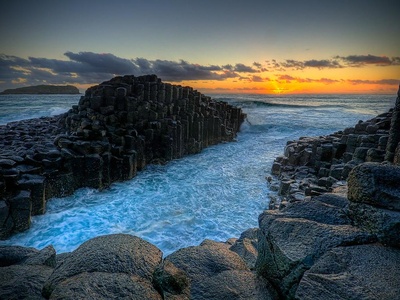
Basalt / basaltic rock
Dense volcanic rock used for roadstone, ballast and crushed aggregate. Basalt quarries support construction and infrastructure with durable material.
Slate (roofing/flagstone)
Fine‑grained metamorphic rock used historically as roofing, paving and decorative stone. Production is limited but locally significant where traditional materials are maintained.
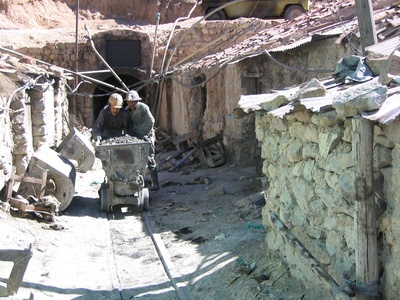
Lead‑zinc‑silver ores
Historic polymetallic deposits produced lead, zinc and silver for centuries. Many mines are closed; these metals were central to medieval and industrial Czech mining heritage and occasional small modern exploration.
Copper (ore)
Copper was mined historically in scattered Czech deposits. Production peaked in past centuries; modern extraction is limited and most refined copper is imported.
Iron ore (historic)
Small iron ore bodies supported local medieval and early industrial ironworks. Domestic iron mining declined as richer ores elsewhere and imports supplanted mining.
Tin (cassiterite, historic)
Limited tin occurrences contributed to regional metalworking historically. Tin mining is now largely historical, with remaining sites of archaeological and local interest.
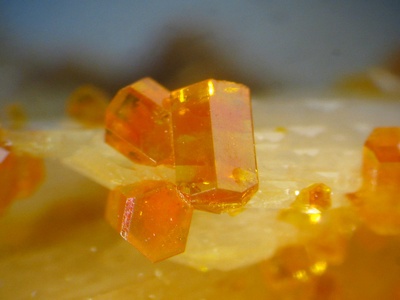
Barite (barytes)
Heavy barium mineral used in drilling fluids, radiology contrast agents and pigments. Czech barite deposits supplied industrial uses regionally; production is moderate and specialized.
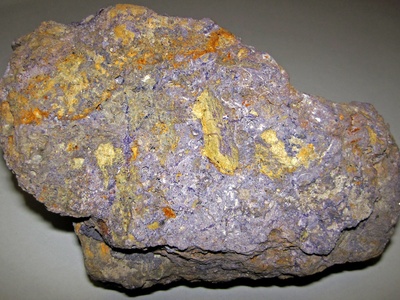
Fluorite (fluorspar)
Fluorite mined for metallurgical flux, ceramics and chemicals. Many historic small mines exist; modern commercial production is limited but deposits are notable geologically.
Bentonite / swelling clays
Clays with swelling properties used in drilling, sealing and foundry industries. Czech occurrences are modest but serve domestic industrial needs.
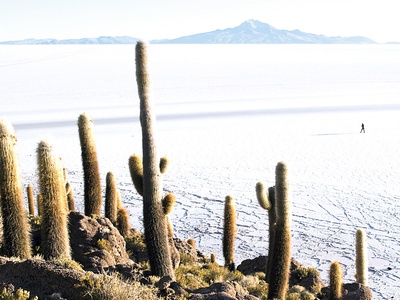
Rock salt / brine salt
Salt is produced from brines and small solid deposits for chemical, food and de-icing uses. Historically important for trade; modern production supplies some domestic demand alongside imports.
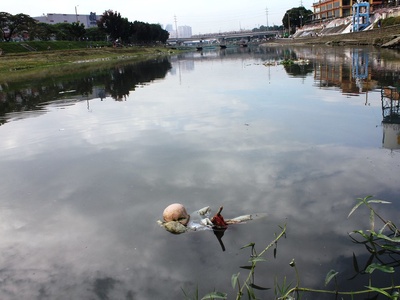
Freshwater (rivers and reservoirs)
Rivers, lakes and reservoirs supply drinking water, hydroelectricity, irrigation and recreation. The Vltava/Elbe systems dominate freshwater flow; reservoir storage is key for flood control and hydropower.
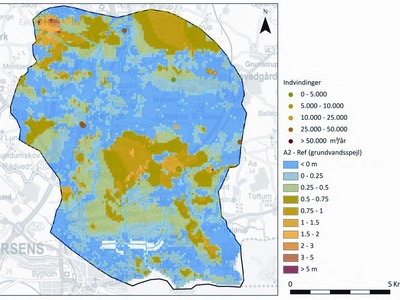
Groundwater (aquifers)
Extensive aquifers provide municipal, agricultural and industrial water. Groundwater is critical for rural supply and baseflow to rivers; quality and recharge vary by geology and land use.
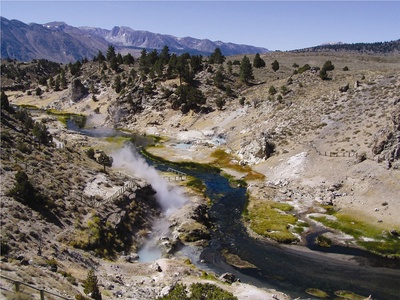
Geothermal / thermal waters
Thermal springs fuel spas and small geothermal heating projects. Geothermal energy potential is modest but important for local heating, balneology and tourism in spa regions.
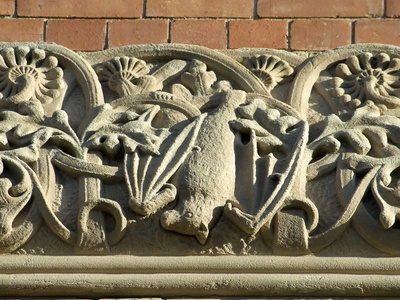
Ornamental stone / marble
Polished decorative stones and marbles are quarried for architecture and monuments. Production is niche but valued for restoration and regional craft traditions.
Fruit (orchards: apples, plums)
Fruit orchards produce apples, plums and other fruits in southern and central lowlands. Important for local food processing, cider, brandy production and regional agricultural diversity.