Ohio’s mix of lakefront plain, river valleys, and Appalachian foothills supports a wide range of extractive and renewable assets that drive local industries and rural livelihoods. From construction aggregates to agricultural production, the state’s physical geography shapes what’s available and where it’s concentrated.
There are 14 Natural Resources in Ohio, ranging from Clay & shale to Topsoil & productive farmland. For each item, the list below is organized with the columns Category,Primary locations,Annual value (USD) so you can compare type, where it’s found, and its estimated economic worth — you’ll find below.
Which resources have the biggest economic impact in Ohio?
Typically, agricultural soils, aggregates (sand, gravel, limestone), and timber rank high because they support ongoing industries like farming, construction, and manufacturing; fossil fuels and industrial minerals can be locally important. Check the Annual value (USD) column in the list to see relative contributions and regional concentrations.
How should I use the Category,Primary locations,Annual value (USD) data?
Use Category to filter by resource type, Primary locations to identify where to focus research or investment, and Annual value (USD) to prioritize resources by economic significance; treat values as snapshot estimates and consult sources or local agencies for updated figures.
Natural Resources in Ohio
| Name | Category | Primary locations | Annual value (USD) |
|---|---|---|---|
| Corn | Agriculture | Northwest and central Ohio, Maumee River basin | 2,500,000,000 |
| Soybeans | Agriculture | Northwest and central Ohio | 2,000,000,000 |
| Dairy (milk) | Agriculture | Northeast, north-central and southwest Ohio | 1,200,000,000 |
| Timber (forest products) | Forest | Appalachian foothills and southeastern Ohio, Wayne NF | 400,000,000 |
| Natural gas (Utica shale) | Energy | Eastern and southeastern Ohio (Utica/Marcellus trend) | 4,000,000,000 |
| Oil (conventional) | Energy | Eastern Ohio, Appalachian Basin | 350,000,000 |
| Coal (bituminous) | Energy | Southeastern Appalachian Ohio counties | 150,000,000 |
| Limestone & dolomite | Mineral/aggregate | Central, northeast and southwest Ohio | 1,000,000,000 |
| Sand & gravel (aggregates) | Mineral/aggregate | Glaciated northern and central Ohio | 600,000,000 |
| Salt (rock salt & brine) | Mineral | Northeastern and east-central Ohio | 200,000,000 |
| Clay & shale | Mineral | Western and central Ohio | 80,000,000 |
| Groundwater | Water | Statewide glacial and bedrock aquifers | 1,000,000,000 |
| Lake Erie fisheries (walleye & perch) | Water/fishery | Lake Erie shoreline, Erie/Ottawa/Sandusky counties | 40,000,000 |
| Topsoil & productive farmland | Soil | Northwest glaciated plains and central Ohio | 500,000,000 |
Images and Descriptions
Corn
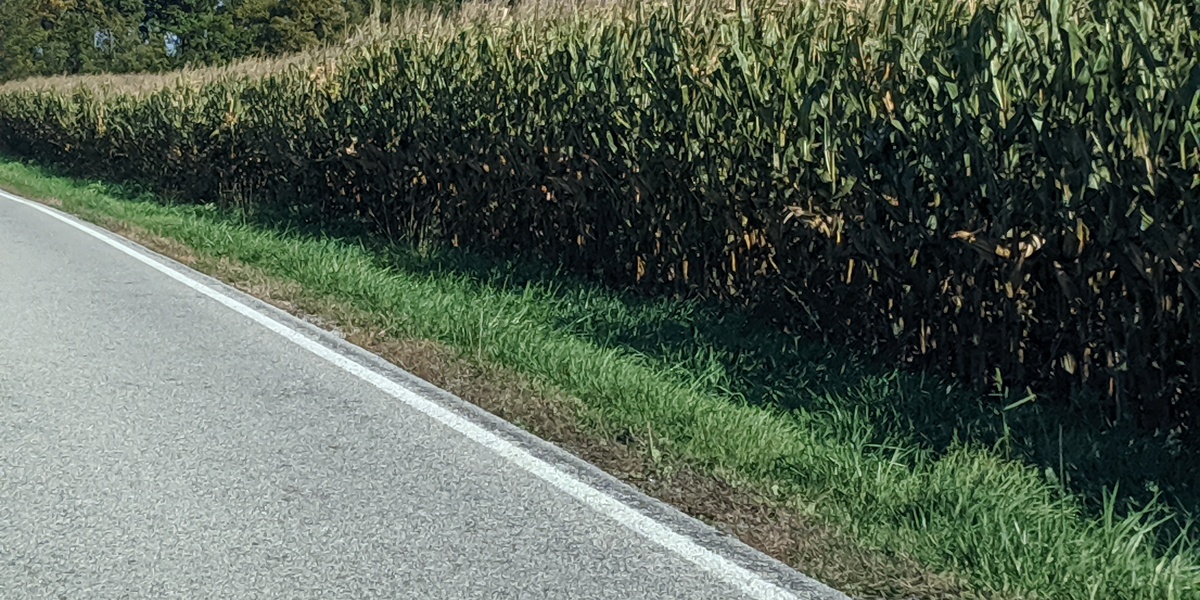
Corn is Ohio’s top crop, used for feed, ethanol and food processing. Grown on fertile glaciated plains of northwest and central Ohio, it drives rural economies but contributes to nutrient runoff, soil erosion and harmful algal blooms in Lake Erie.
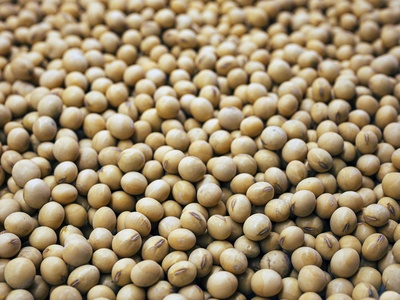
Soybeans
Soybeans are the state’s second major cash crop for oil, meal and export. Widely grown across northwest and central counties; supports livestock feed and bioindustrial uses. Intensive cultivation raises concerns about soil health and pesticide runoff into waterways.
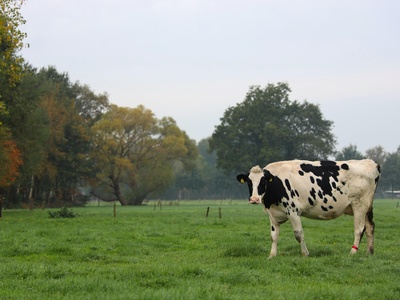
Dairy (milk)
Milk production supports farms, cheese and fluid milk industries across several Ohio regions. Dairy provides steady rural income but faces manure management, nitrate leaching, and greenhouse gas emission challenges that require improved nutrient and waste practices.
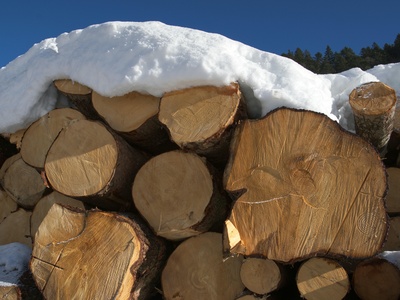
Timber (forest products)
Forests in southern Ohio supply sawlogs, pulp and veneer while supporting recreation. Timber contributes to rural economies but faces invasive insects, habitat fragmentation, unsustainable harvest risks and impacts to steep watershed slopes.
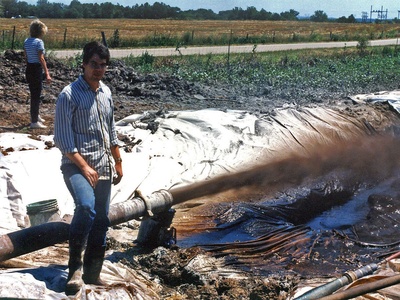
Natural gas (Utica shale)
Utica shale gas drives a major energy boom in eastern Ohio, supplying power and petrochemical feedstocks. Growth brings jobs and royalties but raises wastewater, methane leakage, induced seismicity and land-use concerns around well pads and pipelines.

Oil (conventional)
Conventional oil fields in eastern Ohio supply regional refining and industrial use. Smaller than gas production but historically important; operations risk spills, groundwater contamination and community impacts near aging wells.
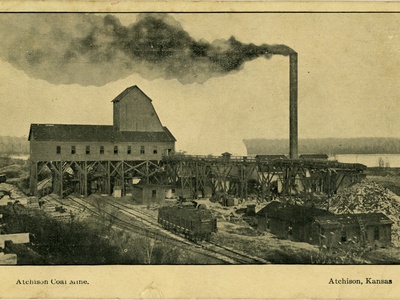
Coal (bituminous)
Bituminous coal was long mined in southeastern Ohio for electricity and industry. Production has fallen, yet legacy issues remain: acid mine drainage, abandoned-mines, land subsidence and long-term reclamation needs.
Limestone & dolomite
Ohio’s limestone and dolomite are quarried for aggregate, cement and agricultural lime. They are economically vital for construction but quarrying alters landscapes, produces dust, and can affect groundwater and karst systems.
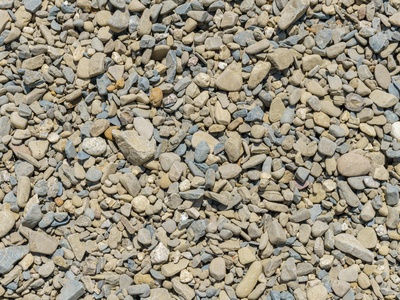
Sand & gravel (aggregates)
Glacial sand and gravel deposits supply concrete, road base and drainage materials for construction across Ohio. Extraction supports local economies but can lower water tables, destroy habitats and increase sediment in streams.
Salt (rock salt & brine)
Subsurface halite and brine resources provide road salt, chemical feedstocks and water treatment products. Salt mining and solution extraction can risk groundwater contamination, sinkholes and require careful brine disposal.
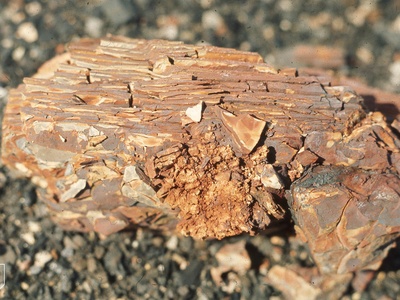
Clay & shale
Clay and shale deposits feed brick, tile and ceramics industries and were historically important for building materials. Excavation can disrupt soils and, if unmanaged, produce acidic runoff and sedimentation that harm waterways.
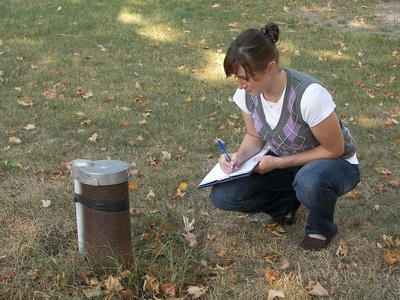
Groundwater
Groundwater from Ohio’s aquifers supplies drinking water, industry and irrigation across the state. It’s critical but vulnerable to nitrate contamination, salt intrusion near wells, and over-pumping that lowers water tables and harms streams.
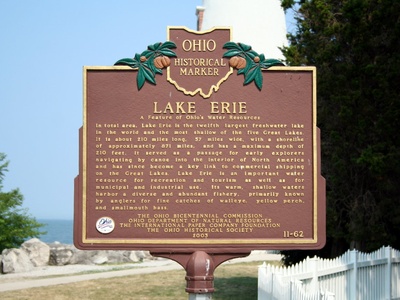
Lake Erie fisheries (walleye & perch)
Lake Erie supports valuable commercial and recreational fisheries—walleye and yellow perch are iconic. Fisheries generate tourism and jobs but face invasive species, nutrient pollution and shoreline habitat loss.
Topsoil & productive farmland
Deep glacial topsoils make northwest Ohio highly productive farmland underpinning crop wealth. Soil supports food security and local economies but is threatened by erosion, development, loss of organic matter and runoff without conservation practices.