Kentucky’s mix of rivers, plateaus and coalfields supports a wide range of materials that shape the state’s economy and landscapes. From building stone and clays to energy minerals and industrial sand, these resources show how geology and local industry connect in everyday life.
There are 21 Natural Resources in Kentucky, ranging from Ball clay / Kaolin to Sand and gravel. For each entry the data are organized as Type,Main locations,Typical annual production or reserves (unit) so you can compare what is produced, where, and in what quantities — you’ll find below.
How are these resources typically used and who benefits?
Uses vary by material: limestone, sand and gravel feed construction; Ball clay and kaolin go into ceramics and specialty products; coal, oil and gas supply energy; industrial minerals support manufacturing. Benefits flow to mine operators, manufacturers, landowners and local workforces, but market demand, regulation and reclamation practices shape who gains most.
Where can I get detailed production or reserve numbers for each resource?
Reliable sources include the Kentucky Geological Survey, USGS mineral reports, and state natural-resources agencies; many publish annual summaries or databases. The table below gives Typical annual production or reserves (unit) for each resource, and those agencies provide the latest, site-specific figures.
Natural Resources in Kentucky
| Name | Type | Main locations | Typical annual production or reserves (unit) |
|---|---|---|---|
| Coal | Energy | Eastern Kentucky Coalfield (Pike,Harlan,Bell,Floyd) | Approx 20,000,000 tons/year |
| Natural gas | Energy | Appalachian Basin (eastern KY: Pike,Floyd), Western Kentucky | Approx 200 Bcf/year |
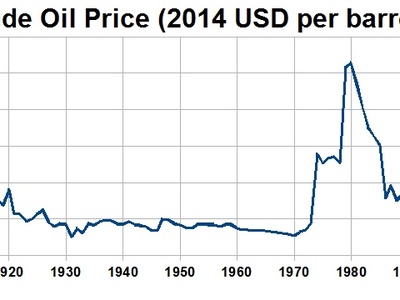
| Crude oil | Energy | Western Kentucky (Muhlenberg,Logan), Appalachian region | Approx 2,000,000 barrels/year |
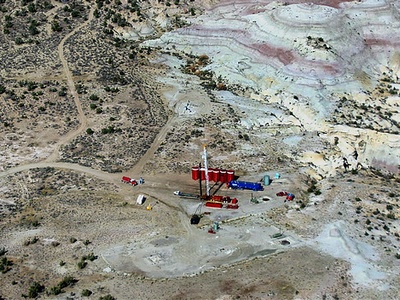
| Coalbed methane | Energy | Eastern Kentucky Coalfield (Harlan,Pike) | Approx 30 Bcf/year |
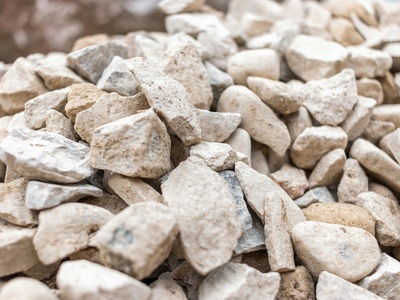
| Limestone | Mineral | Bluegrass (Fayette), Central Kentucky, Northern Kentucky, Western Kentucky | Approx 30,000,000 tons/year |
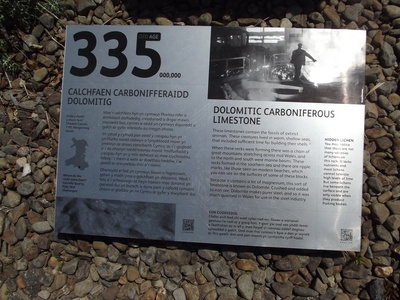
| Dolomite / Crushed stone | Mineral | Central Kentucky, Northern Kentucky, Western Coal Field | Approx 25,000,000 tons/year |
| Sand and gravel | Mineral | Ohio River valley, Jackson Purchase, Bluegrass uplands | Approx 10,000,000 tons/year |
| Ball clay / Kaolin | Mineral | Western Kentucky (western counties and Purchase region) | Approx 500,000 tons/year |
| Crushed limestone for lime production | Mineral | Central and northern Kentucky lime plants (Bluegrass, Louisville region) | Approx 5,000,000 tons/year |
| Construction aggregate (general) | Mineral | Statewide (urban growth corridors: Jefferson, Fayette, Warren) | Approx 35,000,000 tons/year |
| Hardwood timber (oak-hickory) | Forest | Cumberland Plateau, Daniel Boone region, Eastern Kentucky, Jackson Purchase | Approx 6,000,000 m3/year |
| Forest area (ecosystem resource) | Forest | Eastern Kentucky mountains, Cumberland Plateau, Daniel Boone National Forest | Approx 12,000,000 acres (forest extent) |
| Ohio River (surface water resource) | Water | Northern border counties (Boone,Kenton,Campbell,Jefferson) | Mean flow ~281,000 cubic feet/second |
| Karst groundwater / Mammoth Cave aquifer | Water | Pennyrile/Pennyroyal (Edmonson,Hart), Barren, Warren counties | Aquifer supplies millions m3/year of groundwater to wells (regional) |
| Kentucky Lake (reservoir water resource) | Water | Western Kentucky (Marshall,Calloway,Trigg) | Surface area ~160,000 acres |
| Lake Cumberland (reservoir water resource) | Water | Pulaski, Russell, Wayne counties | Surface area ~65,000 acres |
| Bluegrass agricultural soils | Soil | Bluegrass region (Fayette,Scott,Jessamine,Clark) | Approx 1,500,000 acres (prime agricultural soils) |
| Jackson Purchase alluvial soils | Soil | Jackson Purchase (Fulton,McCracken,Marshall,Graves) | Approx 1,200,000 acres (productive valley soils) |
| Freshwater mussels (biodiversity resource) | Biodiversity | Green, Cumberland, Ohio and Tennessee river systems | Approx 50–70 species present (statewide) |
| Recreational fisheries (smallmouth bass, trout) | Biodiversity | Cumberland River tailwaters, Kentucky River, Ohio River tributaries | Recreational angling supports hundreds of millions USD/year regionally (approx) |
| Pollinator habitats (wildflowers, native bees) | Biodiversity | Bluegrass pastures, riparian corridors, reclaimed mine lands | Habitat area thousands of acres conserved/managed statewide |
Images and Descriptions
Coal
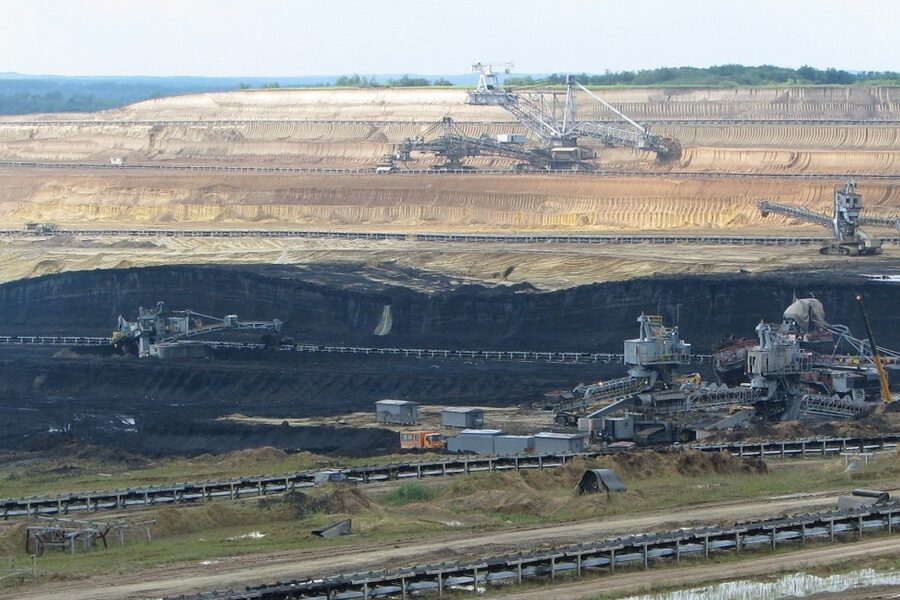
Bituminous coal mined in the Appalachian coalfield fuels power generation and metallurgical needs. Concentrated in eastern counties, it supports jobs and exports but causes air pollution, surface disturbance, acid mine drainage, and long-term landscape and community impacts.
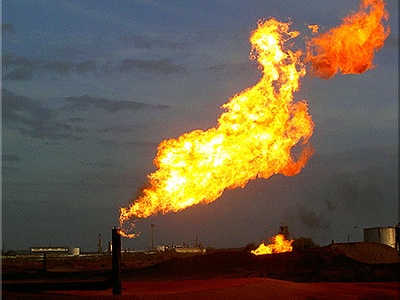
Natural gas
Conventional and shale gas supplies pipeline gas for heating, industry and power. Found in eastern Appalachia and parts of western Kentucky, production provides energy and jobs but carries risks of water contamination, methane leaks and habitat disruption.
Crude oil
Kentucky produces light crude from both western and eastern basins used in local refining and fuel. Production is modest statewide; drilling supports local economies but raises concerns about spills, road impacts and groundwater protection.
Coalbed methane
Gas produced from coal seams supplements conventional natural gas supplies. It can reduce coal methane hazards and add revenue, but extraction may alter groundwater quality and require produced-water management.
Limestone
Widespread carbonate rock used for crushed stone, cement, lime and agriculture. High-purity limestone around the Bluegrass is crucial for construction and water treatment, while quarrying affects local ecosystems and scenic landscapes.
Dolomite / Crushed stone
Dolomite and carbonate rock are quarried for road stone, aggregate and concrete. These aggregates are fundamental to infrastructure, but quarrying can generate dust, noise, and habitat loss near extraction sites.
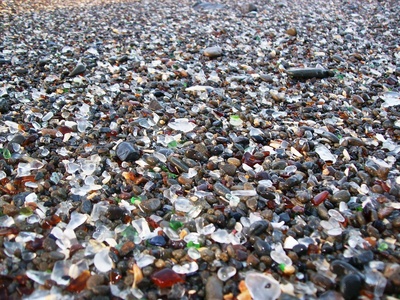
Sand and gravel
Alluvial and glacial deposits supply material for concrete, roads and drainage. River and pit mining alters floodplains and aquatic habitat and can change groundwater-surface water interactions when done poorly.

Ball clay / Kaolin
Fine-grained clays mined for ceramics, sanitaryware and paper coatings are a specialty of western Kentucky. Clay mining supports manufacturing but can change landscapes and requires rehabilitation of pits and sediment control.
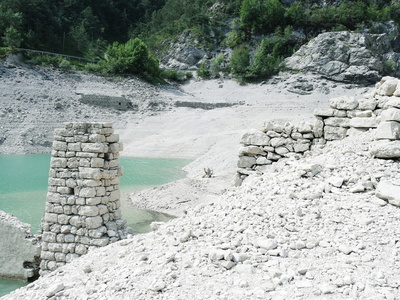
Crushed limestone for lime production
High-calcium limestone is processed to lime for steelmaking, environmental controls and soil amendment. Lime production is energy-intensive and emits CO2, with quarry footprint and dust as local impacts.
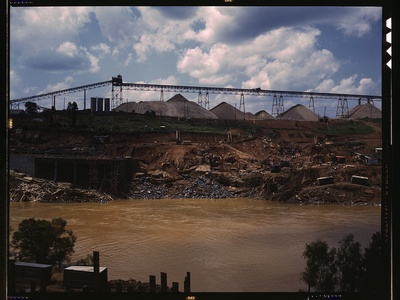
Construction aggregate (general)
Aggregates (stone, sand, gravel) support building and road projects across Kentucky. They are economically essential, but extraction competes with land use, can affect water quality and reduces natural habitats.
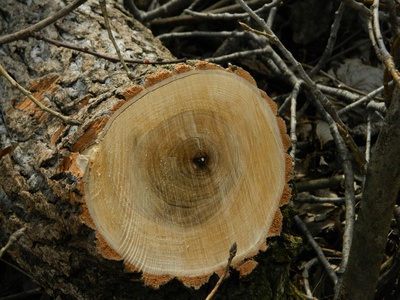
Hardwood timber (oak-hickory)
Kentucky’s mixed hardwood forests provide sawlogs, veneer and fuelwood — especially oak and hickory. Timber supports rural economies and biodiversity, but logging practices and fragmentation affect wildlife and soil stability.
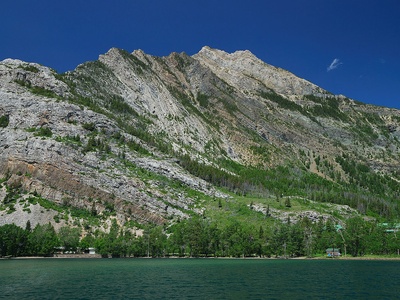
Forest area (ecosystem resource)
Kentucky’s forests supply timber, carbon storage, recreation and wildlife habitat. They are crucial for erosion control and water quality but face threats from invasive species, logging intensity and development.
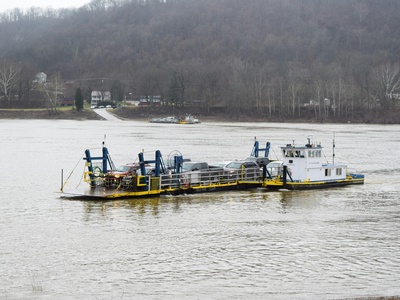
Ohio River (surface water resource)
The Ohio River is a major waterway for drinking water, industry, transport and recreation. It supports commerce and ecosystems but faces pollution challenges from industrial discharges, runoff and legacy contamination.
Karst groundwater / Mammoth Cave aquifer
The karst limestone aquifer under central Kentucky provides drinking water and springs (including Mammoth Cave area). Karst is highly productive but vulnerable to contamination because water moves quickly through conduits and sinkholes.
Kentucky Lake (reservoir water resource)
Created by damming the Tennessee River, Kentucky Lake supplies recreation, hydropower, flood control and fisheries. Reservoirs support local tourism and habitat but alter river ecology, sediment transport and shoreline ecosystems.
Lake Cumberland (reservoir water resource)
Lake Cumberland provides recreation, power generation and regional water storage. It’s a major tourism draw with boating and fishing, but large reservoirs change riverine habitats and can affect downstream flows and sediment regimes.
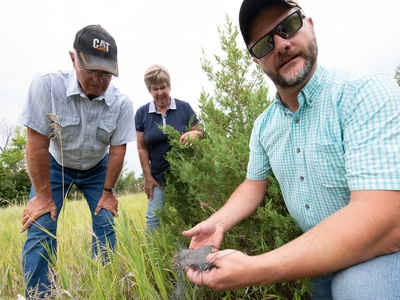
Bluegrass agricultural soils
Deep, fertile limestone-derived soils support pasture, horse farms and tobacco historically. Bluegrass soils are prized for agriculture and biodiversity but face urbanization pressure, nutrient runoff and compaction from intensive uses.
Jackson Purchase alluvial soils
Rich, alluvial soils in far western Kentucky underpin row crops like corn and soybeans. These soils are agriculturally productive but intensive farming can increase erosion, nutrient runoff and wetland loss.
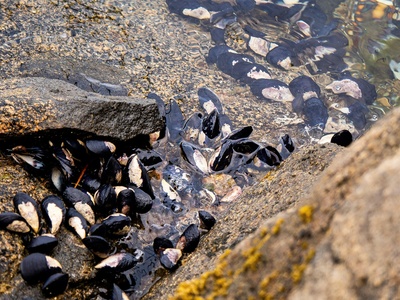
Freshwater mussels (biodiversity resource)
Kentucky rivers harbor diverse freshwater mussels that filter water, indicate stream health, and historically supported a small pearl button industry. Many species are threatened by dams, pollution and habitat alteration.
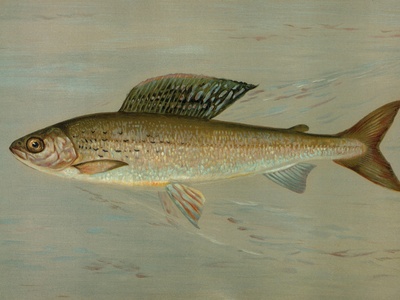
Recreational fisheries (smallmouth bass, trout)
Sport fisheries for bass and trout drive tourism and local economies. Healthy fish populations depend on good water quality and flow regimes; dams, pollution and habitat loss can reduce catches and economic benefits.
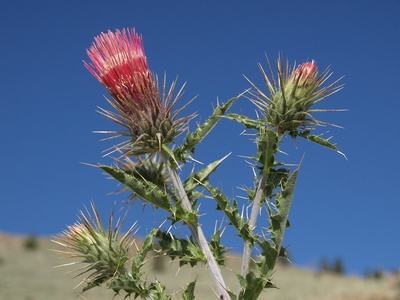
Pollinator habitats (wildflowers, native bees)
Native wildflowers and pollinators support crop pollination and biodiversity across Kentucky. Conserving and restoring habitats on farms, rights-of-way and reclaimed lands boosts pollinator numbers but requires pesticide and land-use changes.