In analytical labs, clinical settings, and field stations alike, the way a specimen is prepared often decides whether an experiment delivers clear answers or ambiguous results. Practical choices made at the bench—what to digest, dilute, concentrate, or filter—affect sensitivity, reproducibility, cost, and safety.
There are 49 Sample Preparation Methods, ranging from Acid digestion (wet digestion) to Vacuum concentration (centrifugal). For each entry you’ll find below an organized row showing Sample types,Key equipment,Typical parameters (time, temp, vol) so you can scan methods by applicability and constraints—you’ll find below.
How do I choose the right sample preparation method for my material?
Pick a method based on the sample matrix (soil, blood, plant tissue), the target analyte, required detection limit, and available equipment. Prioritize methods with validated recoveries for similar matrices, consider throughput and safety, and run a small validation (spikes, blanks, replicates) before routine use.
Can I adapt a method when my lab lacks specific equipment or has limited sample volume?
Yes—many methods scale, but adjust proportions, times, and temperatures carefully and revalidate. For limited volumes, concentrate carefully or use micro-extraction variants; if equipment differs, match fundamental principles (digestion, extraction, separation) and confirm recovery and precision with controls.
Sample Preparation Methods
| Method | Sample types | Key equipment | Typical parameters (time, temp, vol) |
|---|---|---|---|
| Homogenization | Tissue, cells, plant, soil, food | Rotor–stator homogenizer, blender | 30s–10 min, 4–25 °C |
| Sonication | Cells, tissues, suspensions, nanoparticles | Probe or bath sonicator | 10s–30 min, 0–40 °C |
| Bead beating | Microbial cells, tissues, soils, plant material | Bead mill or bead beater | 30s–30 min, 4–25 °C |
| Mortar and pestle | Hard tissues, minerals, plant material, powders | Mortar and pestle, cryogenic media optional | Minutes, ambient or −196 °C |
| Cryogenic grinding | Tissues, polymers, tough materials | Cryogenic mill, liquid nitrogen | Seconds–minutes, −196 °C |
| Ball milling (mechanical milling) | Powders, ores, polymers, composites | Ball mill or planetary mill | Minutes–hours, ambient |
| Centrifugation | Cells, tissues, blood, particles, precipitates | Bench centrifuge | 100–20,000×g, minutes–hours, 4–25 °C |
| Differential centrifugation | Cell fractions, organelles, particles | High-speed centrifuge | 500–100,000×g, minutes–hours, 4 °C |
| Ultracentrifugation | Viruses, macromolecules, lipoproteins | Ultracentrifuge | 50,000–200,000×g, minutes–hours, 4 °C |
| Density gradient centrifugation | Viruses, organelles, macromolecules | Ultracentrifuge, gradient materials | Minutes–hours, 4 °C |
| Filtration (membrane) | Liquids, cell suspensions, environmental samples | Filter unit, vacuum or syringe | 0.2–5 µm pores, ambient |
| Vacuum (Buchner) filtration | Suspensions, precipitates, solids | Buchner funnel, vacuum pump | Minutes, ambient |
| Microfiltration/Ultrafiltration | Proteins, polymers, colloids | Tangential flow/centrifugal filters | 1 kDa–0.45 µm, minutes–hours |
| Dialysis/Desalting | Proteins, nucleic acids, solutions | Dialysis tubing, desalting columns | Hours–overnight, 4–25 °C |
| Solid-phase extraction (SPE) | Plant extracts, biological fluids, environmental | SPE cartridges, vacuum manifold | mL–L scale, minutes–hours |
| Solid-phase microextraction (SPME) | Volatiles, aromas, water, breath | SPME fiber, autosampler | Minutes–hours, ambient |
| Liquid–liquid extraction (LLE) | Organic compounds, lipids, environmental | Separatory funnel, solvents | mL–L scale, ambient |
| Soxhlet extraction | Soils, plant tissue, polymers, solids | Soxhlet apparatus, solvents | Hours–days, 40–150 °C |
| QuEChERS | Fruits, vegetables, food matrices | Shaker, centrifuge, dispersive SPE | Minutes–hours, ambient |
| Headspace sampling | Volatiles from foods, fluids, solids | Headspace vial, autosampler | Minutes–hours, 20–120 °C |
| Derivatization (chemical) | Small molecules, amino acids, steroids | Reagents, heater or room temp | Minutes–hours, ambient–80 °C |
| Acid digestion (wet digestion) | Environmental matrices, tissues, foods | Hotplate or digestion block, acids | Minutes–hours, 80–200 °C |
| Microwave-assisted digestion | Tissues, soils, minerals, foods | Microwave digestion system, acids | Minutes, 100–240 °C, sealed |
| Ashing (muffle furnace) | Organic solids, soils, food, biomass | Muffle furnace | 2–8 hours, 450–600 °C |
| Lyophilization (freeze-drying) | Tissues, proteins, bacteria, reagents | Lyophilizer (freeze-dryer) | Hours–days, −40 to −80 °C, vacuum |
| Oven drying | Soils, solids, glassware, filters | Drying oven | Minutes–hours, 40–150 °C |
| Rotary evaporation | Solvent concentrates, extracts, reaction mixtures | Rotary evaporator, water bath, vacuum | Minutes–hours, 20–80 °C, mL–L |
| Vacuum concentration (centrifugal) | Small volumes, peptides, DNA, assays | Vacuum centrifuge (SpeedVac) | Minutes–hours, ambient–50 °C |
| Precipitation (protein) | Plasma, serum, cell lysates, proteins | Cold solvent addition, centrifuge | Minutes–hours, 0–20 °C |
| Enzymatic digestion (proteins) | Proteomics samples, tissues, proteins | Enzymes (trypsin), incubator | Minutes–overnight, 37 °C |
| Phenol–chloroform extraction | DNA, RNA, protein separations | Fume hood, centrifuge tubes | Minutes–hours, ambient |
| Nucleic acid extraction (general) | Blood, tissue, swabs, environmental | Lysis buffers, centrifugation | Minutes–hours, 4–37 °C |
| Embedding (paraffin/resin) | Tissues, polymers, composites | Embedding station, molds | Hours, ambient–60 °C |
| Fixation (chemical) | Tissues, cells, microbes | Fixatives (formalin, glutaraldehyde) | Minutes–hours, 4–25 °C |
| Decalcification | Bone, teeth, mineralized tissues | Acid or EDTA solutions | Hours–days, ambient |
| Microtomy (sectioning) | Tissues, polymers, thin films | Microtome, blades | Minutes–hours, ambient |
| Cryosectioning | Frozen tissues, cells | Cryostat | Minutes, −20 to −40 °C |
| Critical point drying | Biological samples for SEM, tissues | Critical point dryer, CO2 | Minutes–hours, 31 °C (CO2) |
| Freeze-fracture | Membranes, cells for EM | Cryo equipment, fracturing tools | Minutes–hours, −150 °C |
| Sputter coating (metal coating) | SEM samples, nonconductive specimens | Sputter coater (vacuum) | Minutes, low temp |
| Plasma cleaning | Surfaces, wafers, SEM samples | Plasma cleaner | Seconds–minutes, ambient |
| Polishing (metallography) | Metals, alloys, ceramics | Grinding/polishing machine | Minutes–hours, ambient |
| Chemical etching | Metals, alloys, tissues | Etchants, fume hood | Seconds–minutes, ambient |
| Recrystallization | Organic solids, pharmaceuticals | Solvent, heating mantle | Minutes–hours, ambient–reflux |
| Sieving | Soils, powders, aggregates | Mechanical sieve shaker | Minutes–hours, ambient |
| Ion-exchange chromatography (sample prep) | Proteins, ions, small molecules | Chromatography system, resins | Minutes–hours, ambient |
| Size-exclusion chromatography (SEC) | Proteins, polymers, complexes | Chromatography system, columns | Minutes–hours, ambient |
| Laser capture microdissection | Tissues, cells, subregions | Laser microdissection microscope | Minutes–hours, ambient |
| Pyrolysis (sample prep) | Polymers, complex solids, organics | Pyrolyzer, furnace | Seconds–minutes, 300–1,000 °C |
Images and Descriptions
Homogenization
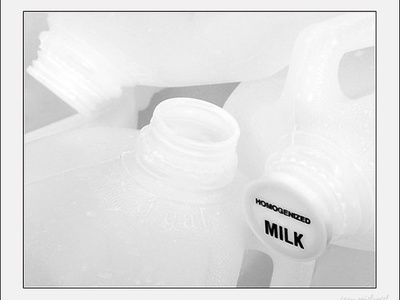
Homogenization mechanically disrupts samples to produce uniform suspensions or slurries for analysis. Use for tissues, cells, and solids to liberate analytes before extraction, centrifugation, or downstream assays; choose speed and time to control shearing and heat.

Sonication
Sonication uses ultrasound to disrupt cells, disperse particles, and assist extraction or degassing. Probe sonication gives intense local disruption; bath sonication is gentler. Useful for lysing cells, fragmenting DNA, and improving solvent extraction efficiency.
Bead beating
Bead beating grinds samples with ceramic or glass beads to break tough cell walls and tissues. It’s effective for microbes and plant material; choose bead size, speed, and time for optimal lysis without overheating.
Mortar and pestle
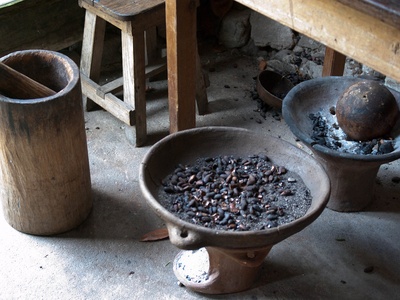
Manual grinding with a mortar and pestle reduces bulk samples to powders for extraction or analysis. Use with or without cryogenic cooling for temperature-sensitive materials and when low-tech fine grinding suffices.
Cryogenic grinding
Cryogenic grinding freezes samples with liquid nitrogen then pulverizes them to a fine powder. It preserves heat-sensitive compounds, prevents enzymatic degradation, and is ideal for hard or elastic materials that are difficult to grind at room temperature.
Ball milling (mechanical milling)
Ball milling uses rotating jars with balls to pulverize and homogenize solids, useful for preparing uniform powders and inducing mechanical activation. Applicable in materials research, sample homogenization, and pre-processing for chemical analysis.
Centrifugation
Centrifugation separates components by density using centrifugal force. Use to pellet cells, clarify lysates, or concentrate particles. Adjust g-force, time, and temperature to selectively sediment different sample fractions for downstream analysis.
Differential centrifugation
Differential centrifugation fractionates cellular components by sequential spins at increasing g-forces. It’s used to isolate nuclei, mitochondria, membranes, and cytosol for biochemical assays or microscopy, with careful control of speeds and times.
Ultracentrifugation
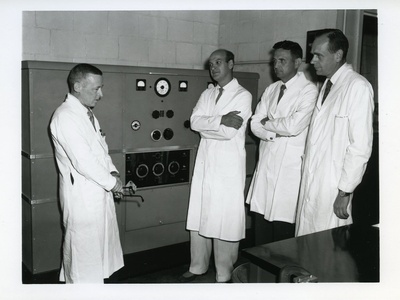
Ultracentrifugation applies very high g-forces to separate small particles, macromolecules, and complexes. Common in virology, structural biology, and proteomics for concentrating or purifying samples that resist standard centrifugation.
Density gradient centrifugation
Density gradient centrifugation separates particles by buoyant density using sucrose or iodixanol gradients. It yields high-purity fractions of organelles, virions, or macromolecular complexes for biochemical and imaging analyses.
Filtration (membrane)
Membrane filtration removes particulates or sterilizes fluids by passing samples through defined pore-size membranes. It’s widely used to clarify samples, separate cells, or sterile-filter solutions before analysis or culture.
Vacuum (Buchner) filtration
Vacuum filtration uses reduced pressure to speed solid–liquid separation, collecting precipitates or removing solvent. It’s practical for isolating solids from reactions, washing precipitates, and preparing samples for drying or weighing.
Microfiltration/Ultrafiltration
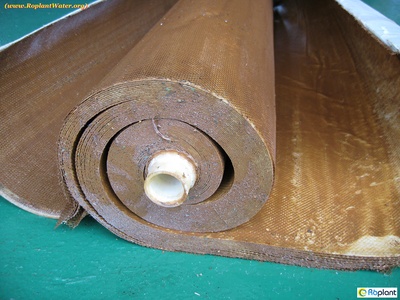
Micro- and ultrafiltration use membranes to separate components by size or molecular weight cutoff. Useful for concentrating biomolecules, buffer exchange, and removing particulates prior to chromatography or mass spectrometry.
Dialysis/Desalting
Dialysis exchanges buffers and removes small solutes or salts via semipermeable membranes. It’s used for desalting, buffer exchange, and gentle sample cleanup prior to sensitive downstream assays.
Solid-phase extraction (SPE)
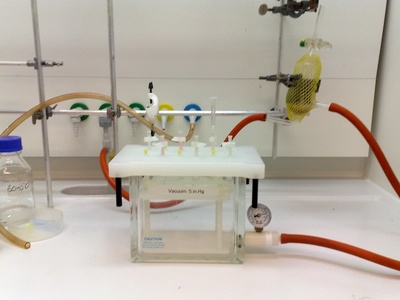
SPE isolates analytes from complex matrices by adsorbing them on a sorbent then eluting with solvent. Common in environmental, clinical, and food analyses to concentrate analytes and remove interferences before instrumental analysis.
Solid-phase microextraction (SPME)
SPME concentrates volatile and semi-volatile compounds onto a coated fiber for direct desorption into GC or other detectors. It’s solvent-free and ideal for aroma, environmental, and forensic sampling of volatile compounds.
Liquid–liquid extraction (LLE)
LLE partitions analytes between immiscible solvents based on solubility. It’s a longstanding technique for isolating organics, lipids, and contaminants from aqueous matrices prior to chromatographic analysis.
Soxhlet extraction
Soxhlet extraction continuously extracts solid samples with fresh solvent, useful for exhaustive extraction of lipids, pesticides, or organics from solids. It provides thorough recovery but can be time- and solvent-intensive.
QuEChERS
QuEChERS (quick, easy, cheap, effective, rugged, safe) is a streamlined extraction and cleanup workflow for pesticides and residues in food. It uses acetonitrile extraction with salt partitioning and dispersive SPE cleanup before analysis.
Headspace sampling
Headspace sampling captures volatile compounds in the gas phase above a sample, reducing matrix effects for GC analysis. It’s non-destructive and useful for aroma profiling, environmental VOCs, and forensic samples.
Derivatization (chemical)
Derivatization chemically modifies analytes to improve volatility, stability, or detectability for GC or LC analysis. Common for polar molecules, it enhances chromatographic behavior or MS ionization efficiency.
Acid digestion (wet digestion)
Acid digestion breaks down organic matrices and dissolves metals using strong acids to prepare samples for elemental analysis. It’s essential for ICP-MS/AES and requires careful safety and residue handling.
Microwave-assisted digestion
Microwave digestion accelerates acid digestion under controlled pressure and temperature, offering faster, more complete matrix breakdown for elemental analysis with improved safety and reproducibility.
Ashing (muffle furnace)
Ashing oxidizes organic material to inorganic ash for elemental or residue analysis. It’s used to determine inorganic content or prepare samples for XRF or ICP after removing organics by high-temperature combustion.
Lyophilization (freeze-drying)
Lyophilization freezes samples then removes ice by sublimation under vacuum to preserve structure and activity. Use for long-term storage, concentration of sensitive biomolecules, or preparing porous solids for analysis.
Oven drying
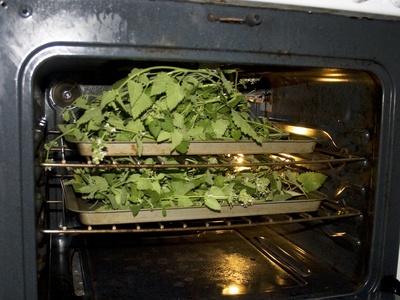
Oven drying removes moisture from solids to determine dry weight or prepare samples for combustion and analysis. Temperature and time depend on matrix sensitivity to prevent decomposition or loss of volatile analytes.
Rotary evaporation
Rotary evaporation concentrates or dries solvent extracts under reduced pressure and mild heat. It’s the go-to method to remove volatile solvents while preserving heat-sensitive analytes prior to further purification or analysis.
Vacuum concentration (centrifugal)
Vacuum concentration uses centrifugal vacuum evaporation to remove solvents from small-volume samples gently. It’s ideal for concentrating biomolecules or drying PCR plates without high heat exposure.
Precipitation (protein)
Protein precipitation uses organic solvents or salts to selectively precipitate proteins from biological fluids, simplifying cleanup before LC-MS or enzymatic assays. It’s quick and scalable for routine sample cleanup.
Enzymatic digestion (proteins)
Enzymatic digestion cleaves proteins into peptides using proteases like trypsin, preparing samples for mass spectrometry. It’s a controlled biochemical prep step requiring denaturation, reduction, alkylation, and proper enzyme-to-substrate ratios.
Phenol–chloroform extraction
Phenol–chloroform extraction separates nucleic acids from proteins via organic phase partitioning. It yields high-purity DNA/RNA but uses hazardous solvents and requires careful handling and phase separation skills.
Nucleic acid extraction (general)
Nucleic acid extraction isolates DNA or RNA using lysis, removal of proteins and inhibitors, and purification. Methods vary (chemical, magnetic, column-based) but all aim to yield clean nucleic acids for PCR, sequencing, or assays.
Embedding (paraffin/resin)
Embedding encases samples in paraffin or resin to provide support for thin sectioning and microscopy. Use paraffin for histology and resins for hard materials or electron microscopy sample stability.
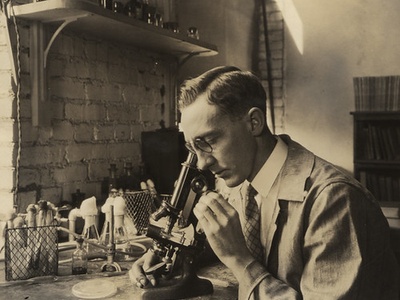
Fixation (chemical)
Chemical fixation preserves biological structure by cross-linking proteins or stabilizing membranes prior to microscopy or histology. Choose fixative and conditions to balance ultrastructure preservation and antigen accessibility for downstream staining.
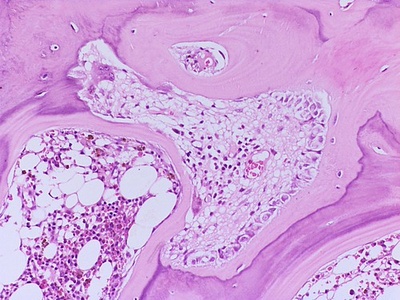
Decalcification
Decalcification removes mineral from bone or teeth using acids or chelators to allow sectioning and histology. It must be controlled to avoid over-softening or loss of tissue morphology and analytes.
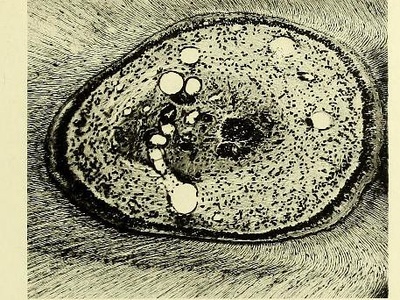
Microtomy (sectioning)
Microtomy slices thin sections of embedded samples for light microscopy. Proper blade choice, thickness, and sample support yield sections suitable for staining, imaging, and morphological analysis.
Cryosectioning
Cryosectioning cuts thin sections from frozen samples without embedding, preserving antigenicity and enzyme activity for immunohistochemistry or rapid diagnostics where paraffin embedding is unsuitable.
Critical point drying
Critical point drying removes liquid from delicate samples without surface tension damage by replacing water with CO2 and crossing the critical point. It preserves ultrastructure for scanning electron microscopy preparation.
Freeze-fracture
Freeze-fracture splits frozen specimens to expose internal membrane structures for electron microscopy. It preserves native topology and is valuable for membrane organization studies.
Sputter coating (metal coating)
Sputter coating deposits a thin conductive metal layer on nonconductive samples to prevent charging in SEM. It’s essential for high-resolution imaging of biological and materials specimens.
Plasma cleaning
Plasma cleaning removes organic contaminants and improves surface wettability using ionized gas. It’s common before microscopy, coating, or bonding steps to ensure clean, active surfaces.
Polishing (metallography)
Polishing produces smooth, scratch-free surfaces for optical microscopy and microstructure analysis. Sequential grinding and polishing steps with decreasing abrasive sizes reveal true microstructures and prepare samples for etching.
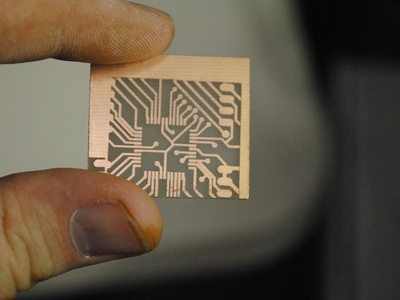
Chemical etching
Chemical etching selectively attacks polished surfaces to reveal microstructure, grain boundaries, or phases. It’s used after polishing in metallography and materials characterization to enhance contrast for optical inspection.
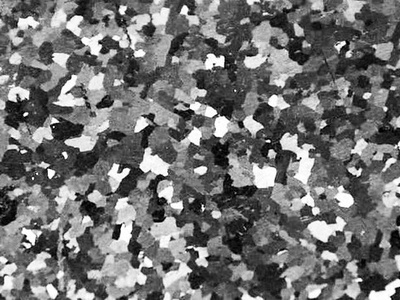
Recrystallization
Recrystallization purifies solid compounds by dissolving them in hot solvent and slowly cooling to form pure crystals. It’s a common cleanup step prior to analysis to remove impurities that interfere with measurements.
Sieving
Sieving separates particles by size using stacked mesh screens. It’s used in soil analysis, materials testing, and powder characterization to obtain defined size fractions before chemical or physical analysis.
Ion-exchange chromatography (sample prep)
Ion-exchange chromatography separates and purifies charged analytes based on affinity to ion-exchange resins. It’s used to desalinate, fractionate, or concentrate samples ahead of biochemical or analytical workflows.
Size-exclusion chromatography (SEC)
SEC separates molecules by size for desalting, buffer exchange, or fractionation. It’s gentle and useful to remove small impurities or to prepare defined molecular-weight fractions for downstream assays.
Laser capture microdissection
Laser capture microdissection isolates specific cells or regions from tissue sections under microscopic guidance. It yields highly specific material for molecular analyses such as DNA, RNA, or proteomics from heterogeneous samples.
Pyrolysis (sample prep)
Pyrolysis thermally decomposes samples to generate smaller, volatile fragments for GC-MS analysis or characterization. It’s used for polymers, resins, and complex organic matrices where solvent extraction is impractical.