From backyard gardens to former industrial lots, what happens to the soil beneath our feet affects food, water and neighborhood wellbeing. Places you pass every day — parks, roadside verges, farms and old factory sites — can hide problems that slowly change how land is used and who it benefits.
There are 57 Land Pollution, ranging from Abandoned mines,Veterinary antibiotic residues to everyday litter and pesticide drift. For each entry, you’ll find below the data organized as Category,Main pollutant(s),Typical locations — a quick way to scan risks and hotspots you’ll find below.
How can communities and homeowners reduce land pollution?
Start small: reduce waste, compost organic matter, store and dispose hazardous materials properly, and choose low‑impact gardening products. At community level, push for better waste collection, safe cleanup of old industrial sites, zoning that limits polluting activities, and local monitoring programs that guide targeted remediation.
What are the easiest signs that soil may be contaminated and what should I do?
Look for unusual plant die‑off, oily stains, odd odors, or unexpected animal health problems; these are clues, not diagnoses. If you suspect contamination, avoid contact, keep pets and children away, and contact local environmental or public health agencies for soil testing and guidance on cleanup or professional assessment.
Land Pollution
| Name | Category | Main pollutant(s) | Typical locations |
|---|---|---|---|
| Municipal solid waste | Source | Mixed household waste, plastics, food scraps, metals | Urban areas, landfills, informal dumps |
| Landfill | Site | Leachate (organic, metals), compacted waste, methane precursors | Urban outskirts, engineered sites, former quarries |
| Illegal dumping | Source | Mixed household and industrial debris, chemicals, tires | Roadsides, vacant lots, rural and peri‑urban areas |
| Industrial waste | Source | Heavy metals, solvents, acids, sludges | Factory grounds, industrial parks, waste storage areas |
| Electronic waste | Source | Lead, mercury, cadmium, brominated flame retardants | Informal recycling areas, dumps, landfills |
| Plastic waste | Pollutant | Macroplastics and microplastics (polyethylene, polypropylene) | Landfills, urban soils, agricultural fields |
| Agricultural pesticides | Pollutant | Organophosphates, neonicotinoids, organochlorines | Croplands, orchards, near treated fields |
| Fertilizer overuse | Pollutant | Nitrate, ammonium, phosphate compounds | Intensive cropland, lawns, golf courses |
| Animal manure accumulation | Source | Pathogens, nutrients, antibiotics, hormones | Feedlots, barns, pasture, manure piles |
| Sewage sludge (biosolids) application | Source | Pharmaceutical residues, heavy metals, pathogens | Agricultural fields, land application sites |
| Mining tailings | Site | Heavy metals, arsenic, acid‑generating sulfides | Mine sites, tailings ponds, uplands near mines |
| Abandoned mines | Site | Acid drainage products, heavy metals, sulfides | Historic mine districts, remote hillsides |
| Oil spills on land | Source | Crude oil, diesel, polycyclic aromatic hydrocarbons (PAHs) | Pipelines, oil fields, spill sites, road accidents |
| Petroleum hydrocarbons | Pollutant | Benzene, toluene, xylene, PAHs | Service stations, industrial lots, contaminated land |
| Chemical spills | Source | Solvents, acids, bases, reactive chemicals | Industrial sites, transport routes, storage facilities |
| Asbestos-contaminated soil | Pollutant | Asbestos fibers (chrysotile, amphiboles) | Demolition sites, old industrial properties |
| Lead-contaminated soil | Pollutant | Lead (Pb) particulates | Urban yards, near smelters, old housing, roadways |
| Cadmium contamination | Pollutant | Cadmium (Cd) | Industrial sites, phosphate fertilizer‑amended soils |
| Polychlorinated biphenyls (PCBs) | Pollutant | PCBs (persistent chlorinated compounds) | Industrial dumps, transformer disposal areas, sediments on land |
| Persistent organic pollutants (POPs) | Pollutant | DDT, dioxins, furans | Former agricultural lands, industrial sites, waste burning areas |
| Microplastics in soil | Pollutant | Microplastic fragments and fibers | Agricultural soils, urban gardens, biosolid‑amended land |
| Road salt accumulation | Pollutant | Sodium chloride, calcium chloride | Road verges, parking lots, cold‑climate soils |
| Construction and demolition waste | Source | Concrete, wood, metals, gypsum, asbestos | Construction sites, dumps, landfills |
| Construction sites | Site | Sediment, hydrocarbons, solvents, debris | Urban development zones, road works |
| Brownfield site | Site | Varied industrial contaminants, hydrocarbons, heavy metals | Former factories, warehouses, urban industrial plots |
| Superfund / contaminated site | Site | Industrial solvents, heavy metals, POPs | Nationally prioritized polluted sites, industrial zones |
| Contaminated agricultural land | Site | Pesticides, heavy metals, persistent residues | Orchards, former treated fields, near industries |
| Salinization | Effect | Sodium and chloride ions, gypsum changes | Irrigated farmland, coastal plains, drained wetlands |
| Soil erosion | Effect | Loss of topsoil, sediment | Farmland, deforested slopes, construction areas |
| Soil acidification | Effect | Increased hydrogen ions, aluminum mobilization | Cropland, forest soils, acidifying industrial areas |
| Loss of soil fertility | Effect | Nutrient depletion, organic matter loss | Overfarmed fields, degraded pasture |
| Reduced soil biodiversity | Effect | Decline in microbes, invertebrates | Contaminated soils, monoculture croplands, compacted urban soils |
| Crop contamination | Effect | Heavy metals, pesticide residues, POPs | Farms near industries, treated fields |
| Ground subsidence | Effect | Soil compaction, collapse, void formation | Mining areas, drained wetlands, reclaimed land |
| Brownfield redevelopment | Cleanup | Varied contaminants depending on site | Urban reuse projects, former industrial lots |
| Soil excavation and removal | Cleanup | Excavated contaminated soil, disposed or treated | Hotspots, urban redevelopment sites |
| Capping / engineered covers | Cleanup | Soil cover materials, geomembranes, clean fill | Landfills, contaminated lots, capped sites |
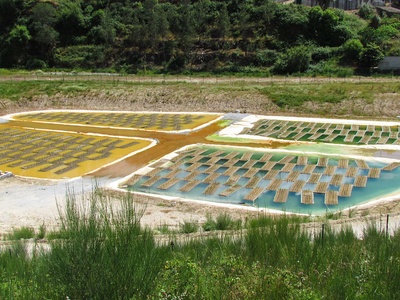
| Phytoremediation | Cleanup | Plants uptake metals and organics (hyperaccumulators) | Contaminated fields, industrial sites, mine tailings |
| Bioremediation | Cleanup | Microbial degradation of hydrocarbons, organics | Petroleum‑contaminated soils, land farms, spill sites |
| Soil washing | Cleanup | Detergents, chelants, water to remove contaminants | Industrial sites, soils with heavy metal contamination |
| Stabilization/solidification | Cleanup | Cement, binders immobilize heavy metals | Brownfields, industrial lots, demolition sites |
| In‑situ chemical oxidation | Cleanup | Oxidants (peroxide, permanganate) to destroy organics | Contaminated hotspots, industrial properties |
| Permeable reactive barrier | Cleanup | Reactive media (e.g., iron filings) to degrade contaminants | Plume corridors, industrial sites near groundwater |
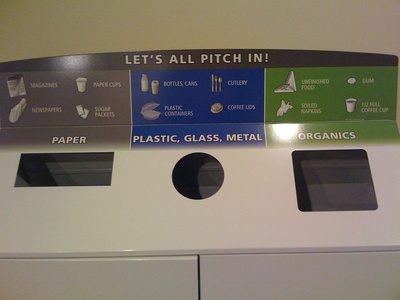
| Composting and organic recycling | Prevention | Diverted organic waste, reduced methane potential | Community compost sites, farms, gardens |
| Recycling and source reduction | Prevention | Reduced plastics, metals, glass waste | Households, businesses, municipal programs |
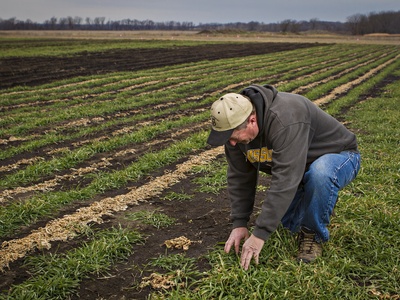
| Cover cropping | Prevention | Living plant cover, root biomass | Farmland, gardens, orchards |
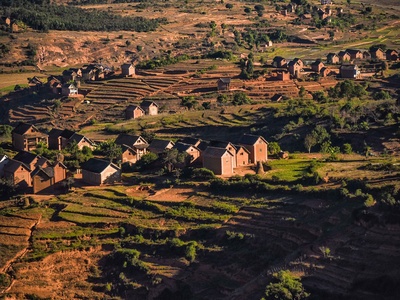
| Contour farming and terracing | Prevention | Soil stabilizing practices, reduced runoff | Sloped agricultural land, hillsides |
| Proper hazardous waste storage | Prevention | Secured drums, secondary containment, labels | Factories, farms, labs, clinics |
| Soil testing and monitoring | Prevention | Analysis of metals, nutrients, pesticides | Farms, redevelopment sites, community gardens |
| Leachate collection systems | Cleanup | Collected leachate (organics, metals) for treatment | Landfills, lined disposal facilities |
| Military training grounds contamination | Site | Explosive residues, heavy metals, PFAS | Bases, firing ranges, training areas |
| PFAS contamination from firefighting foam | Pollutant | Per‑ and polyfluoroalkyl substances (PFAS) | Airports, military sites, firefighting training areas |
| Tire wear and road particles | Pollutant | Microplastics, synthetic rubber, metals | Road verges, urban soils, parking areas |
| Agricultural plastic mulch residues | Pollutant | Polyethylene fragments and film | Vegetable fields, orchards, greenhouse beds |
| Veterinary antibiotic residues | Pollutant | Antibiotics, hormonal residues | Manure‑amended fields, feedlots |
| Open burning ash deposition | Source | PAHs, heavy metals in ash | Burn piles, illegal burning sites, rural areas |
| Artisanal / small‑scale mining | Source | Mercury, cyanide, sediment | Small mines, streamsides, informal sites |
Images and Descriptions
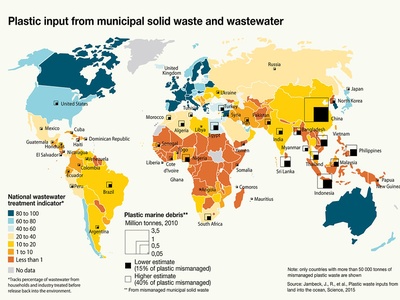
Municipal solid waste
Everyday trash from homes and businesses accumulates in landfills and dumps, contaminating soils with plastics, heavy metals and leachate; poorly managed waste reduces land usability, attracts pests and creates long-term contamination risks for nearby communities.
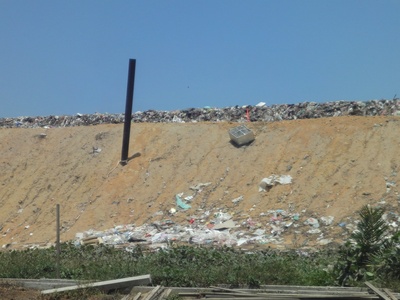
Landfill
Designed disposal sites concentrate municipal and industrial waste; if liners fail, leachate and debris contaminate surrounding soils and groundwater, while older landfills can emit methane and limit future land use without costly remediation.
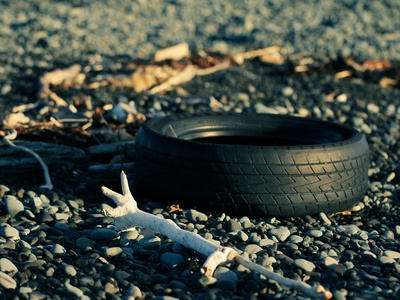
Illegal dumping
Unregulated discarding of waste creates local soil contamination, blocks drainage and spreads hazardous materials; cleanup costs fall on communities and contaminated sites often host higher rates of pests and toxic exposures.
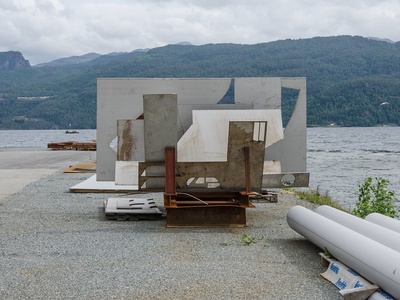
Industrial waste
Byproducts from manufacturing can leak or be dumped on land, introducing toxic metals and persistent chemicals that degrade soil health, harm nearby ecosystems and pose chronic health risks to residents and workers.
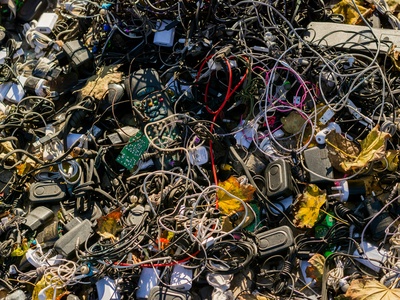
Electronic waste
Discarded electronics release heavy metals and flame retardants when crushed or burned; informal recycling hotspots concentrate contamination, harming soils and entering food chains around recycling communities.
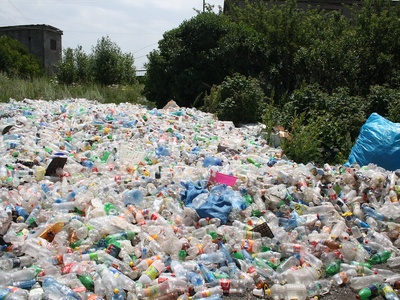
Plastic waste
Plastic debris fragments in soil, altering texture and water retention while microplastics can persist for decades, transporting adsorbed chemicals and affecting soil organisms and plant growth.
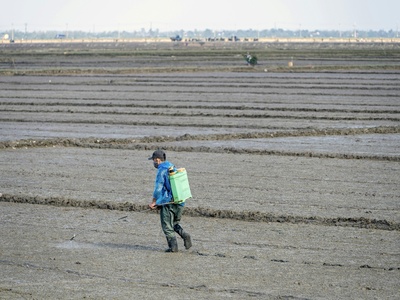
Agricultural pesticides
Chemical pesticides applied to protect crops can persist in soils, harming beneficial insects, reducing microbial diversity, and contaminating food and groundwater if misused or overapplied.

Fertilizer overuse
Excessive fertilizer accumulates in soils, altering nutrient balance, causing salt buildup and harming soil organisms; nutrient runoff also degrades downstream ecosystems, but on land it reduces long-term soil health and yields.
Animal manure accumulation
Large volumes of manure stored or spread improperly introduce pathogens, excess nutrients and antibiotic residues into soils, contaminating crops, altering microbial communities and risking human and animal health.
Sewage sludge (biosolids) application
Municipal biosolids recycled to land contain nutrients but may also carry heavy metals, pharmaceuticals and pathogens; when not properly treated or monitored they can contaminate soils and crops.
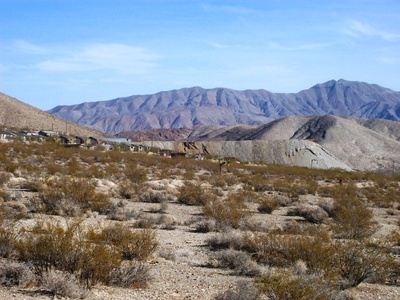
Mining tailings
Waste rock and tailings concentrate toxic metals and acid‑forming minerals; exposure and weathering release contaminants into soils, impair vegetation and create long-lasting toxic landscapes.
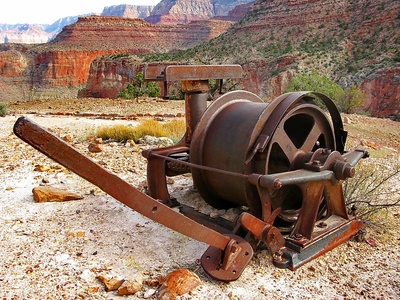
Abandoned mines
Unreclaimed mine workings and waste piles release metal‑rich dust and acidic waters that contaminate adjacent soils, reduce plant growth and pose hazards to communities and ecosystems.
Oil spills on land
Spills coat soils with hydrocarbons that reduce permeability, kill vegetation, and introduce toxic PAHs; untreated contamination can persist for years, complicating agriculture and habitat recovery.
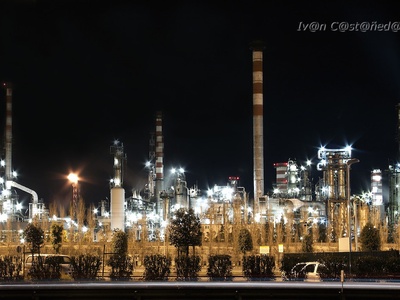
Petroleum hydrocarbons
Fuels and petroleum products in soil volatilize or persist as sticky residues, harming microbes and plants and creating long‑term health risks near refueling stations and spill locations.
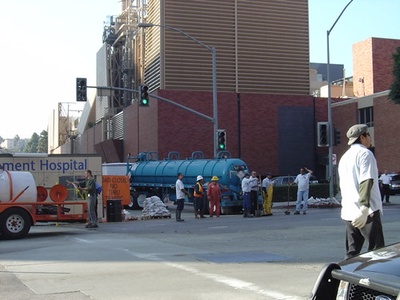
Chemical spills
Accidental releases of industrial chemicals contaminate soils by altering pH, killing organisms, or leaving persistent toxins that restrict land use and require targeted remediation to restore safety.
Asbestos-contaminated soil
Disturbed asbestos-containing materials release fibers into soil; dust poses inhalation risks when soils are disturbed, complicating redevelopment and requiring careful removal or containment.
Lead-contaminated soil
Lead paint, historic industry and vehicle emissions concentrate lead in surface soils, posing ingestion risks for children, reducing plant growth and often requiring soil removal or covering for safe reuse.
Cadmium contamination
Cadmium from industry and some fertilizers accumulates in soils and is readily taken up by crops, posing long‑term food safety concerns and reducing soil biological function.
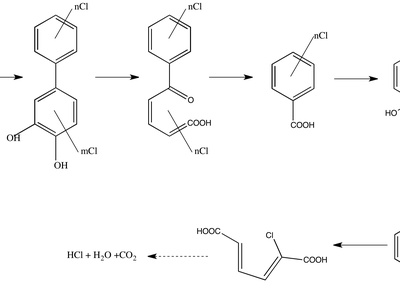
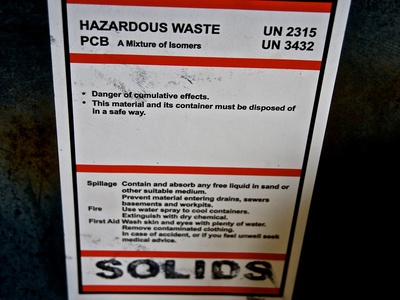
Polychlorinated biphenyls (PCBs)
PCBs persist in soils decades after release; they bioaccumulate in food chains and complicate redevelopment due to toxicity and regulatory cleanup requirements.
Persistent organic pollutants (POPs)
POPs resist degradation and persist in soils, harming wildlife and human health; historical use and accidental releases leave contamination that can limit land use for generations.
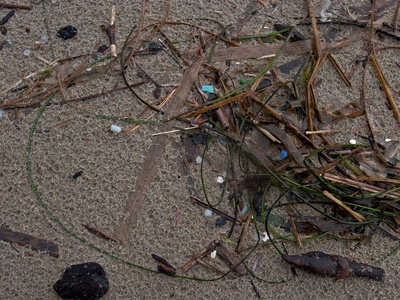
Microplastics in soil
Tiny plastic particles from litter, mulches and biosolids accumulate in soils, affecting soil structure and organisms and potentially entering food crops, with unclear long‑term ecological effects.
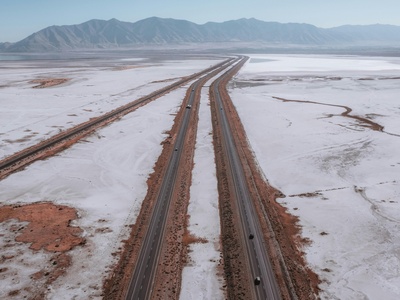
Road salt accumulation
Repeated deicing increases soil salinity near roads, harming roadside vegetation, altering soil chemistry and reducing agricultural productivity on adjacent lands.
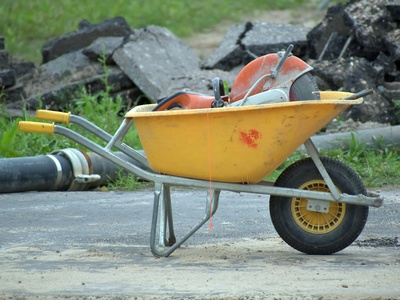
Construction and demolition waste
Demolition debris dumped or left on land can introduce contaminants, heavy metals and asbestos, increase erosion and make sites harder and more expensive to reclaim for new uses.

Construction sites
Uncontrolled construction disturbs topsoil and exposes soils to spills and sediment loss, increasing erosion and spreading contaminants across nearby land if best practices aren’t followed.
Brownfield site
Underused former industrial land often hosts mixed contamination that restricts redevelopment; cleanup and assessment are common first steps to returning brownfields to productive uses.
Superfund / contaminated site
Sites designated for intensive cleanup contain high levels of contamination from past industrial activity; remediation aims to protect soil, groundwater and future land uses from continuing hazards.
Contaminated agricultural land
Fields with historic pesticide use or nearby industrial fallout can hold residues that reduce crop safety and soil health, often requiring long‑term monitoring or remediation before safe food production resumes.
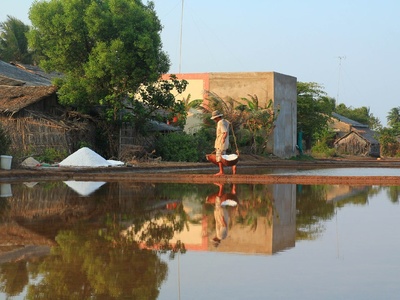
Salinization
Salt buildup from irrigation or seawater raises soil salinity, stunts crops, reduces yields and can turn productive land into saline wasteland if drainage and management aren’t improved.
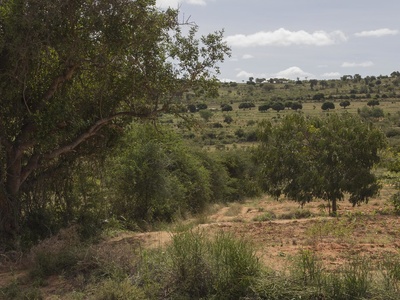
Soil erosion
Topsoil loss from wind and water removes fertile material and increases sedimentation offsite; long‑term erosion degrades agricultural productivity and requires soil conservation measures to reverse.
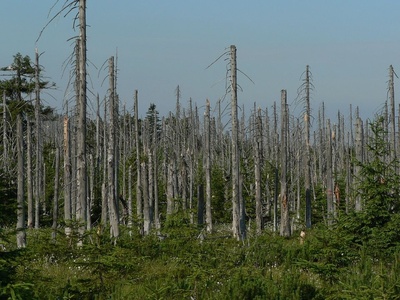
Soil acidification
Acidifying inputs (acid rain, fertilizers) change soil chemistry, mobilize toxic metals and harm plant roots and microbial communities, reducing fertility and affecting land use.
Loss of soil fertility
Continuous cropping and poor management lower organic matter and nutrients, reducing yields and making land harder to farm without restoration measures like amendments and crop rotation.
Reduced soil biodiversity
Pollutants and poor land management reduce the diversity of organisms that maintain soil structure and fertility, weakening ecosystem services and resilience of terrestrial lands.
Crop contamination
Soil pollutants are taken up by crops, entering food chains and posing health risks; contamination can force land fallowing or costly soil remediation to protect consumers.
Ground subsidence
Removal of underground materials or excessive drainage causes land to sink, damaging infrastructure and changing drainage patterns, often linked to prior extractive land uses and contamination.
Brownfield redevelopment
Turning polluted brownfields into parks or housing combines assessment, soil cleanup and land reuse planning to remove hazards and restore productive, safe urban land.
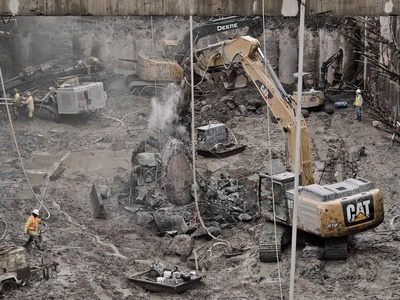
Soil excavation and removal
Digging out contaminated soil and disposing or treating it offsite is a straightforward cleanup method for localized pollution but can be costly and disruptive to communities and ecosystems.
Capping / engineered covers
Placing impermeable or clean soil covers isolates contaminated soils from contact and reduces leaching; capping controls exposure and is often used when removal is impractical.
Phytoremediation
Using selected plants to extract, stabilize or degrade pollutants is a low‑cost, green remediation tactic that can improve soil over seasons, though slower than mechanical methods.
Bioremediation
Microorganisms are used to break down organic pollutants in soil, an effective and relatively low‑impact cleanup approach when conditions are optimized for microbial activity.
Soil washing
Soil washing separates and removes contaminants using water and additives, concentrating pollutants for disposal and returning cleaner soil, but requires water treatment and can be costly.
Stabilization/solidification
Mixing binders into contaminated soils locks pollutants in place to reduce mobility; this reduces immediate risk and enables reuse but leaves contamination in situ.
In‑situ chemical oxidation
Injecting oxidants into soil chemically breaks down organic contaminants quickly; effective for many solvents and fuels but requires careful site assessment and monitoring.
Permeable reactive barrier
Buried reactive barriers intercept and treat contaminated subsurface flow, reducing pollutant movement through soils and protecting downgradient land from further contamination.
Composting and organic recycling
Turning food and yard waste back into compost reduces landfill volume and organic contamination, improves soil health when applied appropriately and prevents harmful open dumping.
Recycling and source reduction
Cutting waste at the source and recycling materials reduces the volume of waste ending up on land and lowers pressure on landfills and illegal dumping hotspots.
Cover cropping
Planting cover crops between main crops keeps soil covered, reduces erosion, recycles nutrients and improves organic matter, lowering vulnerability to pollution spread and soil degradation.
Contour farming and terracing
Shaping fields along contours and building terraces reduces erosion and retains soil, preventing pollutant-laden sediments from degrading lower land and preserving productive areas.
Proper hazardous waste storage
Storing hazardous liquids and solids in certified containers with containment and clear labeling prevents accidental leaks and spills that would contaminate surrounding soils.
Soil testing and monitoring
Regular testing identifies contamination early and guides management decisions; monitoring prevents unsafe land use and targets where remediation or restrictions are needed.
Leachate collection systems
Systems capture contaminated liquid from waste to prevent soil and groundwater contamination; collected leachate is treated to remove pollutants and reduce long‑term land impacts.
Military training grounds contamination
Weapons use and firefighting training release explosives, metals and fluorinated chemicals into soils, creating localized contamination that complicates land reuse and can pose health risks.
PFAS contamination from firefighting foam
PFAS use in foams leads to persistent soil contamination that resists degradation, accumulates in food chains and requires specialized remediation to protect land and water.
Tire wear and road particles
Abrasion from tires deposits tiny particles along roadsides that accumulate in soils, adding microplastics and associated chemicals that affect soil organisms and urban soil quality.
Agricultural plastic mulch residues
Plastic mulches left in fields fragment into smaller pieces that persist in soil, complicating cultivation and introducing plastics that affect soil structure and organisms.
Veterinary antibiotic residues
Antibiotics used in livestock can pass into manure and then soils, potentially promoting resistant bacteria in soil and affecting microbial processes essential for healthy land.
Open burning ash deposition
Burning waste concentrates toxic compounds in ash that settle on soil, introducing persistent organics and metals that harm soil life and complicate safe land use.
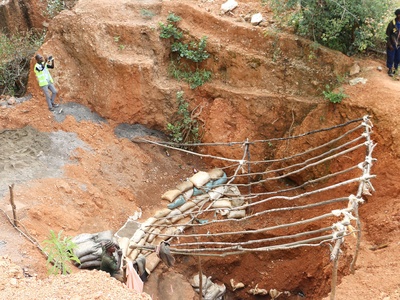
Artisanal / small‑scale mining
Small mining operations often use mercury or cyanide and lack waste controls, releasing toxic metals into soils and contaminating land used by communities for farming and grazing.