8 Everyday Applications of Astrophysics
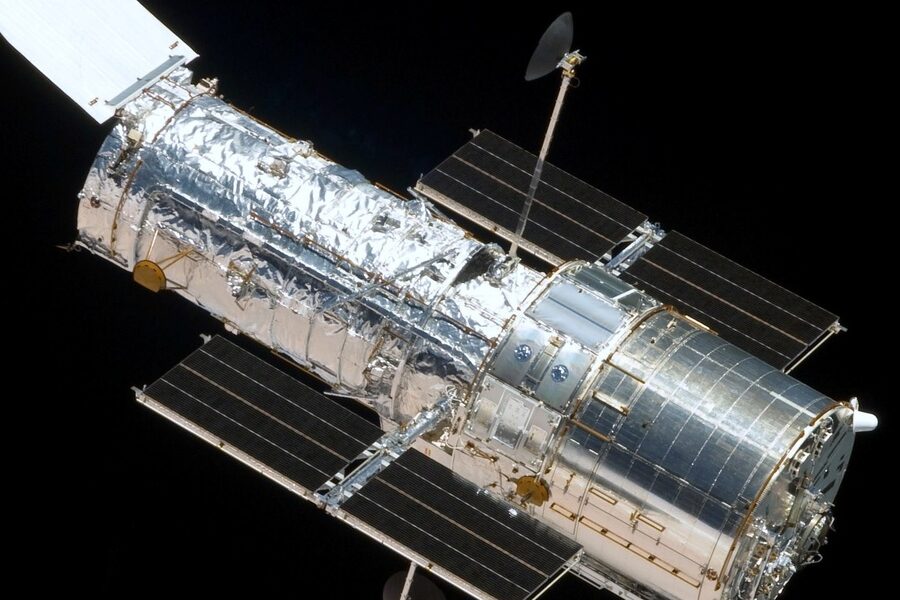
On April 24, 1990, the Hubble Space Telescope launched, and within years its imaging and instrumentation techniques began influencing fields far beyond astronomy. That Hubble moment didn’t just give us beautiful pictures; the optics, detectors, and data tricks refined for space telescopes found homes in labs and products people use every day.
Many breakthroughs in imaging, timing, and signal processing that started with astrophysics now help your smartphone find your way, let doctors read tiny details in medical scans, and give weather services the data they need to warn communities. You interact with these advances when you open Google Maps, glance at a weather app, or check your home thermostat.
This article explains eight concrete everyday applications of astrophysics and how techniques from studying the universe impact daily life. The examples are grouped into four categories: Navigation & precise timing; Imaging & sensors; Communications, data & algorithms; and Materials, energy & Earth monitoring.
Navigation & Precise Timing
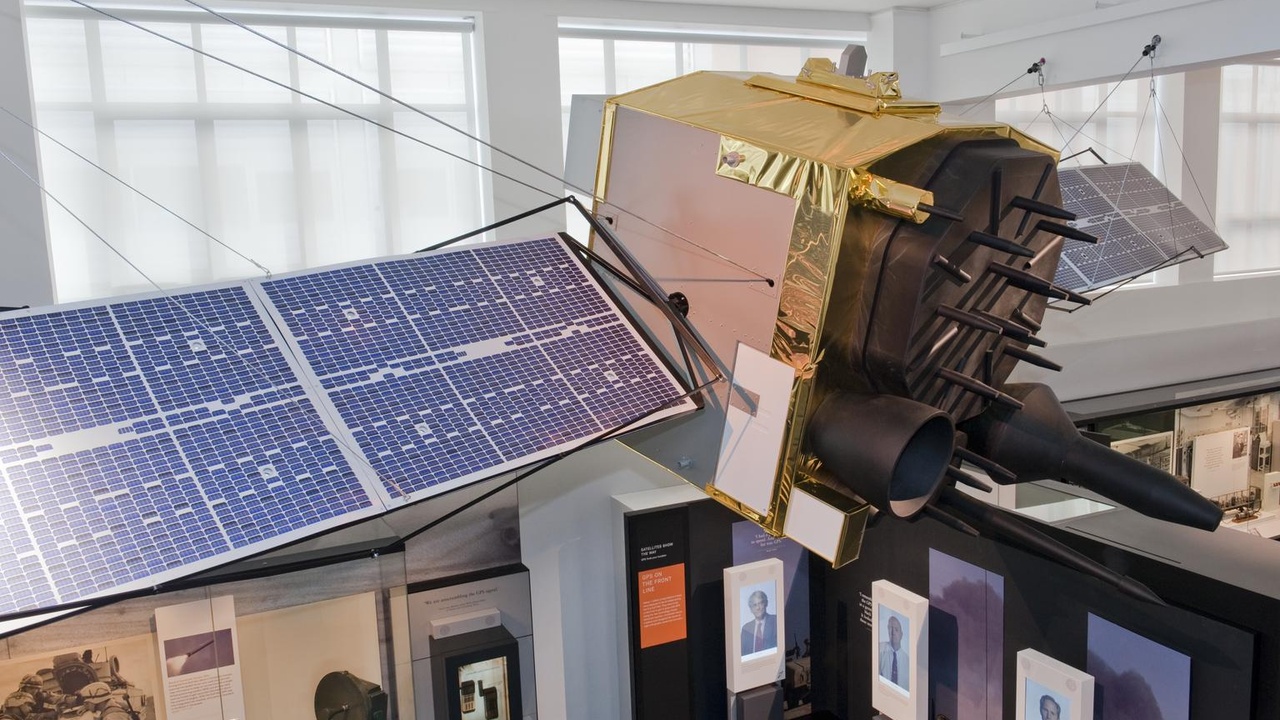
Astrophysics and space science gave us tools for measuring time and predicting orbits with astonishing accuracy. Atomic clocks, relativistic corrections, and celestial mechanics—originally developed to understand the motions of planets and the ticks of pulsars—are the backbone of modern global navigation systems like GPS, GLONASS, and Galileo.
Designing GPS required accounting for relativity: clocks on fast-moving, high-altitude satellites run at different rates than clocks on Earth, and engineers corrected for that to achieve the system’s accuracy. GPS became fully operational in 1995, and those timing corrections are why turn-by-turn directions on a smartphone actually work.
1. Precision timing: atomic clocks and relativistic corrections
Precise timing from atomic clocks and relativistic physics underpins GPS and network time services. Satellites carry cesium or rubidium clocks that reach nanosecond-level precision, and designers apply relativistic adjustments so satellite time lines up with ground clocks.
The real-world payoff is everywhere: smartphone navigation (Google Maps, Apple Maps) relies on these signals, financial markets timestamp trades to meet regulatory needs, and telecom networks sync their base stations using GPS-derived time and Network Time Protocol (NTP).
2. Orbit prediction and satellite navigation from celestial mechanics
Orbital mechanics provides the predictive models that keep satellites where we expect them. Agencies and commercial operators use orbit determination and perturbation modeling to track objects, plan maneuvers, and maintain constellations reliably.
That predictability supports everyday services: accurate flight routing and air-traffic support, satellite TV and communications, and emergency beacons used in aviation and maritime rescues. The GPS constellation typically maintains about 24 operational satellites to ensure global coverage, and orbit predictions are often accurate to within meters for navigation purposes.
Imaging & Sensors
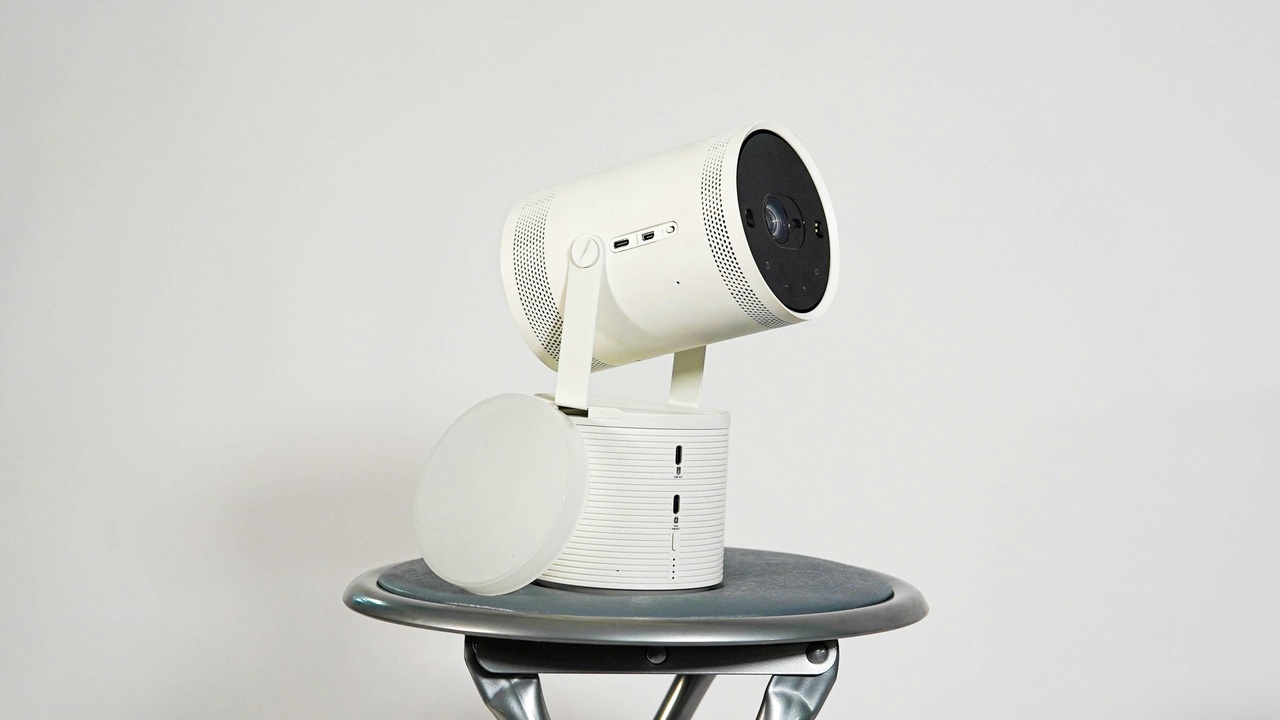
Detectors, optics, and image-processing algorithms born in astronomy have direct descendants in consumer cameras, medical imaging, and microscopy. From the invention of the CCD to Hubble’s influence on calibration and deconvolution, telescope-grade hardware and software pushed industry standards for sensitivity and clarity.
That heritage shows up in phone cameras, lab instruments, and clinical scanners—making low-light photos usable, revealing cellular structures in research, and helping clinicians spot subtle signs in diagnostic images.
3. CCD/CMOS sensors: better cameras, clearer photos
Telescope detectors led directly to the CCD, invented by Willard Boyle and George E. Smith at Bell Labs in 1969, and later to modern CMOS imaging. Astronomy drove demand for low-noise, high-sensitivity sensors and on-chip processing that industry adapted for consumer use.
Today, Sony and Samsung supply CMOS sensors for many smartphones, improving low-light performance and dynamic range in pocket cameras and DSLRs. Instrument teams working with manufacturers refined sensor readout and cooling techniques that also helped scientific and industrial imaging systems.
4. Adaptive optics and image deconvolution in medicine and microscopy
Adaptive optics and deconvolution algorithms—originally developed to correct atmospheric blur for telescopes like Keck—are now used in ophthalmology and high-resolution microscopy. Wavefront correction and sharpening routines reduce distortions in optical systems.
The result is sharper retinal scans in eye clinics (wavefront-corrected OCT), higher-resolution fluorescence microscopy that can reach sub-micron detail, and laser systems with improved focus for manufacturing and research.
Communications, Data & Algorithms
Handling faint cosmic signals pushed advances in signal processing, error correction, and data pipelines. Techniques developed for deep-space and survey astronomy—everything from Reed-Solomon codes to large-scale machine-learning pipelines—now underpin streaming, mobile networks, and image-recognition systems.
Those methods are part of everyday life, helping deliver video without glitches, power search and photo apps, and support the back-end systems that process terabytes of science data each night. The phrase everyday applications of astrophysics captures this direct technology transfer.
5. Error correction and robust communications for streaming and telecom
The need to send data across noisy, long-distance links led to strong error-correcting codes used in space missions, and those codes migrated into consumer tech. Reed-Solomon, convolutional, and turbo codes helped make DVDs and satellite TV reliable and informed modern mobile standards.
Practically, this means smoother video streaming, resilient mobile calls, and safer file storage. Space communications standards—driven by networks like NASA’s Deep Space Network—set high bars for reliability that scaled to networks handling millions of packets per second today.
6. Image processing and machine learning pipelines
Astronomers built advanced de-noising, source-detection, and pattern-recognition tools to spot faint transients and map the sky. Those pipelines evolved into machine-learning toolkits and image-enhancement techniques adopted by companies and clinics.
Large survey telescopes can produce terabytes of data per night, so automated ML and de-noising became essential. Similar approaches power Google Photos’ enhancements, speed medical-image triage, and improve object detection in driver-assist systems.
Materials, Energy & Earth Monitoring

Instrument builders working to characterize stars and planets pushed innovations in detectors, coatings, and spectrometers that found applications in energy research and Earth observation. Remote-sensing techniques and materials studies from astrophysics inform thermal sensors, solar-cell development, and environmental monitoring.
Those technologies help homeowners spot heat loss, let utilities monitor grid health, and give meteorologists the spectral data they need to improve forecasts and issue timely warnings.
7. Infrared detectors and thermal imaging for homes, industry, and safety
Infrared detectors refined for astronomy now appear in handheld thermal cameras, home-energy audits, and firefighting gear. Low-noise IR sensors developed for telescopes were adapted by companies like FLIR to detect temperature differences with high sensitivity.
Home inspectors and contractors use thermal imagers to find insulation gaps, electricians spot overloaded circuits before they fail, and firefighters navigate smoke-filled spaces with thermal cameras. Typical commercial thermal cameras today detect temperature differences of a fraction of a degree Celsius and provide resolutions suitable for building diagnostics.
8. Satellite remote sensing for weather, agriculture, and climate monitoring
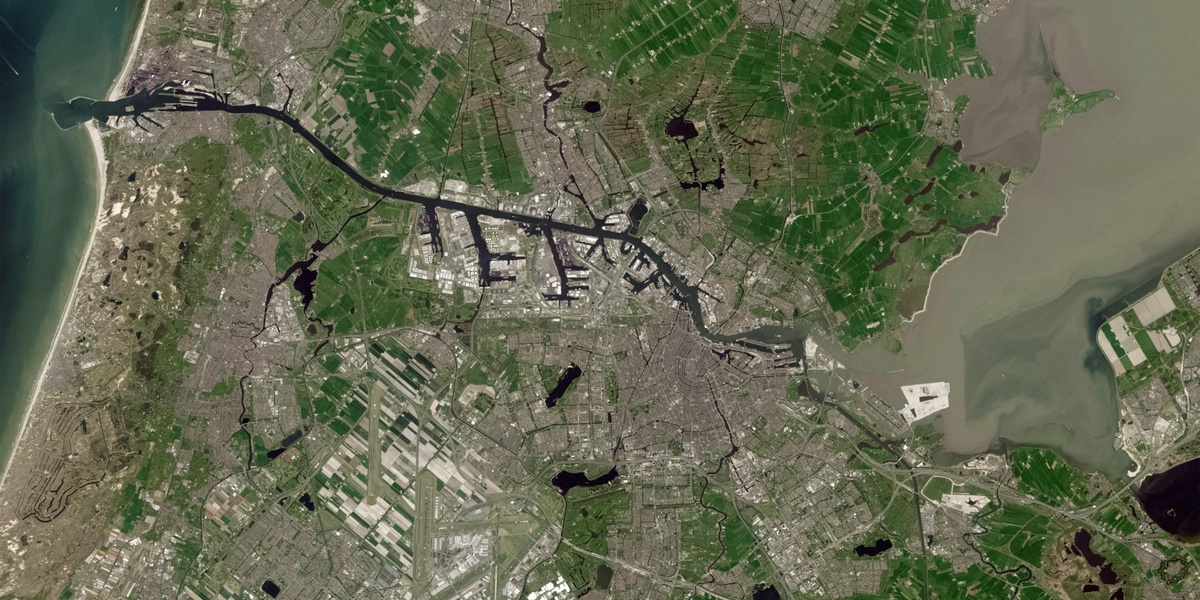
Many satellite imagers and spectrometers trace their lineage to astrophysical instruments. Radiometers and spectral sensors flown by NOAA, ESA, and other agencies borrow calibration, detector, and analysis techniques developed for space science.
That data feeds everyday forecasts on phones, supports crop monitoring services used by farmers, and underpins air-quality and disaster-response systems. There are dozens of operational weather satellites globally, and their frequent updates let forecast models run multiple times per day to keep forecasts current.
Summary
Astrophysics has a long track record of producing practical technologies. From the CCD in 1969 to Hubble’s imaging in 1990 and GPS becoming operational in 1995, techniques developed for the sky have migrated into everyday tools.
- Atomic clocks and relativity make smartphone navigation and financial timestamps reliable.
- Telescope detectors and adaptive optics improved phone cameras, medical imaging, and microscopy.
- Space-grade error correction and processing pipelines help streaming services, telecoms, and ML-driven apps.
- Astronomy-derived sensors and satellite instruments support thermal inspections, weather forecasts, and agricultural monitoring.
Next time you use navigation on a phone, run a photo enhancement, or check the weather, notice the cosmic-tech influences on those tools. Try a simple home-energy thermal scan or read more about adaptive optics at your local planetarium to see one of these connections up close.