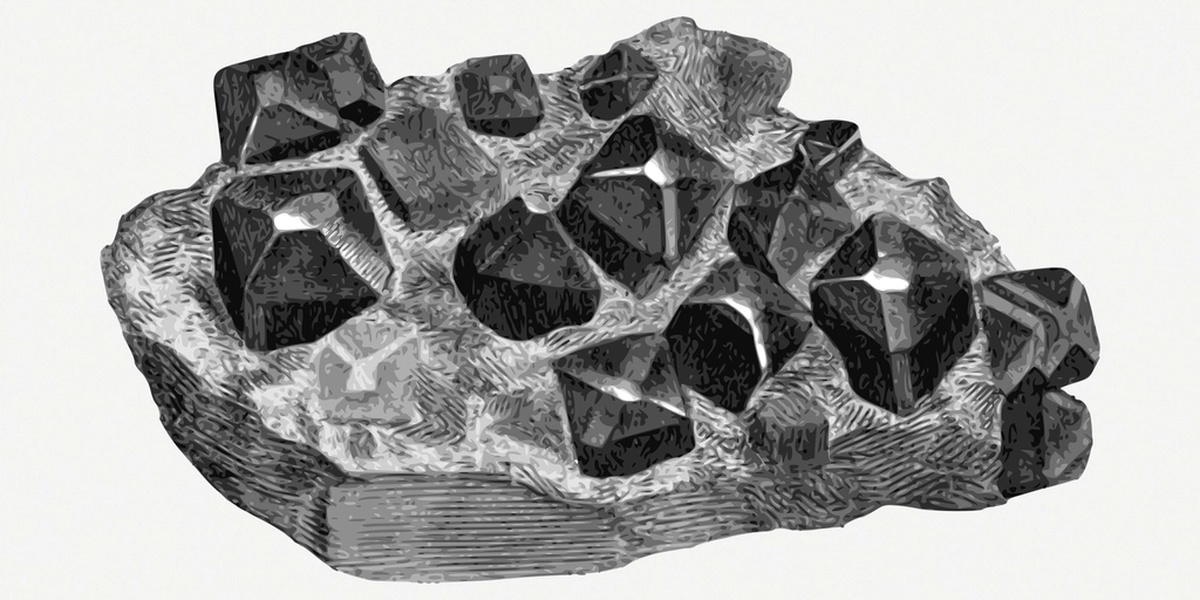
Tin plays a quiet but essential role in modern life — soldering circuit boards, stabilizing alloys and supporting industries from electronics to packaging. Where tin is produced affects supply chains, regional economies and the materials you use every day.
There are 15 Tin-Producing Countries, ranging from Australia to Vietnam. For each, the data are organized as Flag,Production (t, year),Main producing mines/regions — you’ll find below.
Which countries typically lead tin production and why?
Top producers tend to be countries with large, easily accessible deposits and established mining sectors — often Indonesia, China and Myanmar among them. Leadership reflects geology, investment in mining infrastructure, artisanal versus industrial extraction, and local regulations that influence output and reporting.
Why do reported tin production numbers change year to year?
Yearly figures shift because of market prices, mine openings or closures, weather and operational disruptions, and differences in how governments and companies report (including unreported artisanal production). Recycling and shifts in demand also change the totals you’ll see.
Tin-Producing Countries
| Country | Flag | Production (t, year) | Main producing mines/regions |
|---|---|---|---|
| China | 🇨🇳 | 70,000 (2023) | Yunnan, Guangxi and Hunan province hard-rock and alluvial mines |
| Indonesia | 🇮🇩 | 82,000 (2023) | Bangka-Belitung islands, Bangka mainland alluvial and dredge operations |
| Myanmar | 🇲🇲 | 49,000 (2023) | Shan State, Kachin and Wa State alluvial and small hard-rock mines |
| Peru | 🇵🇪 | 25,000 (2023) | San Rafael (Minsur), Pucamarca region hard-rock mines |
| Brazil | 🇧🇷 | 17,000 (2023) | Pitinga (Amazonas), Rondônia alluvial and hard-rock deposits |
| Bolivia | 🇧🇴 | 11,000 (2023) | Oruro region (Huanuni), Cerro Rico area hard-rock workings |
| Russia | 🇷🇺 | 9,000 (2023) | Far East and Siberian tin fields (industrial mines) |
| Australia | 🇦🇺 | 6,500 (2023) | Renison (Tasmania), small Queensland operations |
| Democratic Republic of the Congo | 🇨🇩 | 6,000 (2023) | North Kivu (Bisie), South Kivu artisanal cassiterite fields |
| Rwanda | 🇷🇼 | 4,500 (2023) | Western and southern artisanal cassiterite fields |
| Kazakhstan | 🇰🇿 | 2,000 (2023) | East Kazakhstan small hard-rock deposits and skarns |
| Thailand | 🇹🇭 | 1,500 (2023) | Southern tin belt remnants, small modern mines |
| Vietnam | 🇻🇳 | 1,200 (2023) | Northern provinces (Lào Cai) small hard-rock and placer mines |
| Mongolia | 🇲🇳 | 1,000 (2023) | Northeastern small hard-rock and alluvial occurrences |
| Colombia | 🇨🇴 | 800 (2023) | Chocó and western artisanal cassiterite deposits |
Images and Descriptions

China
China is the world’s largest reported tin producer, combining large state and private mines with alluvial placer operations. Production is industrial with improving recovery; environmental controls and domestic demand shape output and exports.
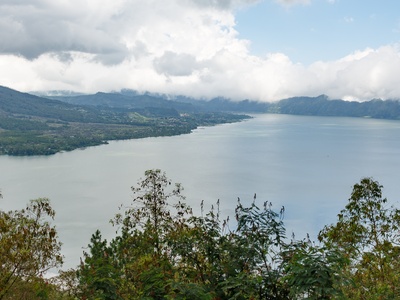
Indonesia
Indonesia is a top global supplier dominated by Bangka-Belitung artisanal and industrial dredging. Small-scale miners remain significant; export policies and licensing affect legal supply and prices internationally.

Myanmar
Myanmar’s tin comes largely from artisanal and small-scale mining in conflict-affected regions. Production is volatile, with supply-chain due-diligence, sanctions risk, and unreliable official reporting influencing global markets.
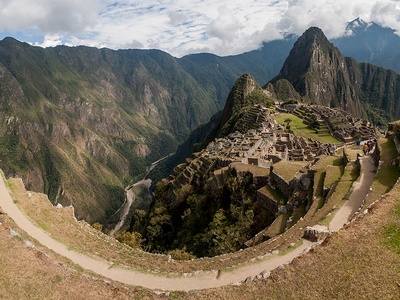
Peru
Peru is driven by Minsur’s San Rafael underground operation, a major hard-rock tin mine. Production is industrial-scale and export-oriented; exploration and mine-life extensions underpin medium-term supply.

Brazil
Brazil’s tin output blends the Pitinga hard-rock mine with smaller alluvial operations. Remote sites raise logistics and environmental concerns; production supports domestic refining and export shipments.
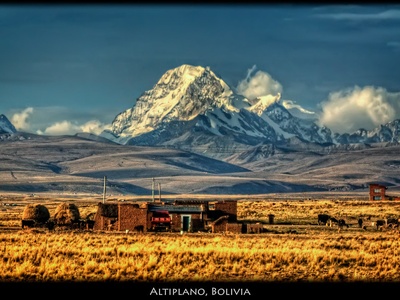
Bolivia
Bolivia produces significant tin from traditional high-altitude Bolivian deposits (Oruro/Huanuni). State and private mines operate alongside small-scale miners; political and price factors influence production continuity.
Russia
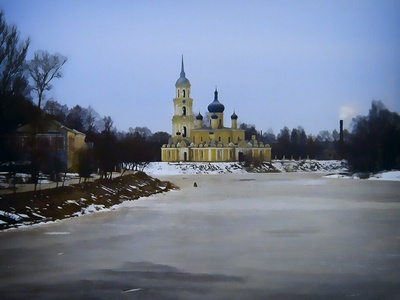
Russia’s tin comes from several Far East and Siberian deposits, mostly industrial scale. Export policies, logistics across vast distances, and investment into modernization affect output stability.

Australia
Australia’s production centers on the Renison tin mine in Tasmania with supplementary smaller projects. Output is high-grade, well-regulated, and mostly industrial, contributing modestly to world supply.

Democratic Republic of the Congo
DRC tin is primarily artisanal and alluvial in eastern provinces. Production is significant but plagued by conflict, governance and traceability issues; formalization efforts and conflict-minerals rules shape trade.
Rwanda
Rwanda’s tin largely comes from artisanal and small-scale mining. The government has pushed formalization and traceability, increasing compliant exports, though artisanal supply chain risks remain.
Kazakhstan
Kazakhstan reports modest industrial tin output from eastern skarn and vein deposits. Production is fairly stable but small relative to global leaders, serving domestic metallurgy and limited export markets.

Thailand
Thailand’s historical tin belt still yields some production from remaining commercial and small-scale operations. Output is much lower than historical peaks; environmental rehabilitation and legacy sites influence activity.
Vietnam
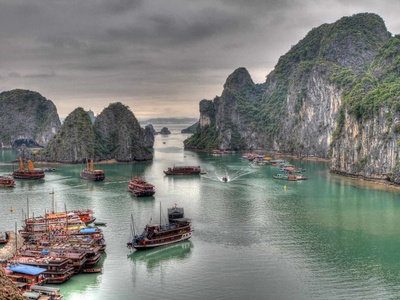
Vietnam produces small amounts of tin from northern hard-rock and placer deposits. Production is mainly artisanal and small-scale, supplying local smelters and limited export volumes.
Mongolia
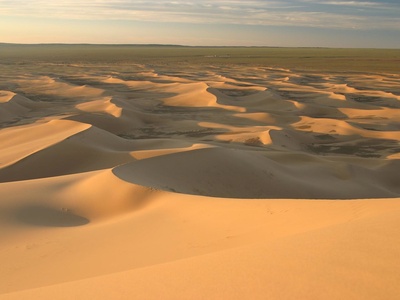
Mongolia’s tin output is minor and derived from small hard-rock and placer operations. Activity is constrained by remote locations and limited infrastructure; exploration may expand future output.
Colombia
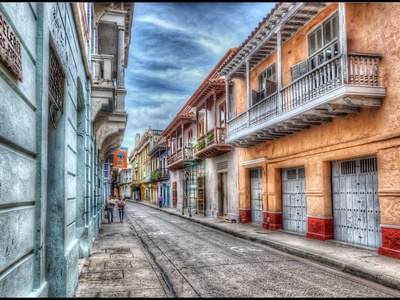
Colombia’s tin production is mostly artisanal from Chocó and western regions. Security, environmental and formalization challenges affect supply; reported production feeds local processing and limited exports.