In teaching labs, quality control, or DIY water testing, choosing and understanding indicators makes routine checks far more reliable. A quick, organized list helps you compare which dyes respond at the pH or ion range you care about and where they’re commonly used.
There are 41 Chemical Indicators, ranging from Alizarin S to Xylenol orange. For each entry you’ll find below the data organized in the columns Type, Trigger / range, Typical uses so you can scan reactivity, operative pH/ion windows, and common applications at a glance — you’ll find below.
How do I pick the right indicator for my experiment?
Choose an indicator whose trigger/range overlaps the pH or concentration change you expect; check the Type to see if it’s acid–base, redox, or complexometric, and prefer indicators with clear color shifts and documented Typical uses similar to your setup to avoid ambiguous endpoints.
Are there common handling or storage tips for these indicators?
Store dyes in cool, dark conditions in tightly sealed containers to slow degradation; follow safety data sheets for solvent compatibility and disposal, and prepare fresh working solutions when color response appears weak or inconsistent.
Chemical Indicators
| Name | Type | Trigger / range | Typical uses |
|---|---|---|---|
| Phenolphthalein | acid–base | pH 8.2–10.0 | Classic titrations (strong acid vs weak base), lab endpoint detection |
| Methyl orange | acid–base | pH 3.1–4.4 | Titrations involving strong acid vs strong base or strong acid vs weak base |
| Bromothymol blue | acid–base | pH 6.0–7.6 | pH indicator in biology, seawater testing, classroom demonstrations |
| Litmus | acid–base,natural | pH ~4.5–8.3 (acid/alkaline switch) | General pH paper, quick school tests, field strips |
| Universal indicator | acid–base | pH 1.0–14.0 (mixture shows multi-color scale) | pH paper, education, broad-range testing |
| Methyl red | acid–base | pH 4.4–6.2 | Titrations (weak base vs strong acid), microbiology (MR test) |
| Thymol blue | acid–base | pH 1.2–2.8 and 8.0–9.6 (two transitions) | Dual-range titrations, lab demonstrations |
| Bromocresol green | acid–base | pH 3.8–5.4 | Protein assays, pH paper, titrations near pH 4.5 |
| Phenol red | acid–base | pH 6.8–8.4 | Cell culture media pH indicator, aquaria, titrations |
| Congo red | acid–base | pH ~3.0–5.0 | Histology, amyloid staining, low-range pH tests |
| Nitrazine yellow | acid–base | pH 5.0–8.0 | Medical pH tests (amniotic fluid), acid–base monitoring |
| Alizarin yellow R | acid–base,complexometric | pH 10.1–12.0 (pH indicator) / forms complexes with Al/Ca | Analytical pH checks, metal detection |
| Thymolphthalein | acid–base | pH 9.3–10.5 | Alkaline titrations, laboratory endpoint indicator |
| Eriochrome Black T | complexometric | Changes color when bound to Ca/Mg ions; free form wine-red, complexed blue | EDTA titrations for water hardness (Ca/Mg), teaching labs |
| Calmagite | complexometric | Color change on binding Ca/Mg (typically red→blue) | EDTA titrations for water hardness, metal assays |
| Murexide | complexometric | Forms violet complexes with calcium; color shifts with pH | Calcium titrations, pharmaceutical analysis |
| Alizarin complexone | complexometric | Forms colored complexes with Ca/Al; indicator in EDTA titrations | Complexometric titrations for divalent/trivalent metals, soil/plant testing |
| PAR (4-(2-pyridylazo)resorcinol) | complexometric | Forms colored complexes with many metal ions (Fe, Cu, Zn) | Colorimetric metal assays, spectrophotometric detection, spot tests |
| Xylenol orange | complexometric | Indicator for metal-EDTA titrations; color changes with complex formation | Trace metal determination, EDTA titrations |
| Ferroin | redox | Redox transition observable with Fe2+/Fe3+; color changes from red (reduced) to pale blue (oxidized) | Redox titrations (e.g., ceric sulfate), Fe2+/Fe3+ monitoring |
| Dichlorophenolindophenol (DCPIP) | redox | Blue (oxidized) → colorless (reduced) | Vitamin C (ascorbic acid) titration, photosynthesis assays |
| Starch (iodine-starch complex) | redox | Forms deep blue/black complex with iodine (triiodide), sensitive endpoint | Endpoint indicator in iodine titrations, redox assays |
| Methylene blue | redox | Blue (oxidized) ↔ colorless (reduced) | Redox titrations, biological redox assays, oxygen indicator |
| Diphenylamine | redox | Turns blue with strong oxidizers (e.g., nitrates under acid) | Nitrate detection, oxidizer spot tests |
| Resazurin | redox | Blue (oxidized) → pink → colorless (reduced) | Microbiology viability assays, redox-state monitoring in food and water |
| Fluorescein (Fajans adsorption) | precipitation/adsorption | Adsorbs on precipitate surface producing a fluorescent/visible color shift | Fajans titration endpoints (chloride by silver), adsorption indicators |
| Potassium chromate (Mohr method) | precipitation | Chromate forms red-brown Ag2CrO4 precipitate at chloride endpoint | Chloride titrations by silver nitrate (Mohr titration) |
| Phenolphthalein-methyl orange mixed strips | acid–base | Broad pH band coverage (strip shows multiple colors) | pH test strips for field or classroom use |
| Alizarin S | complexometric | Forms colored complexes with aluminum and other metals; pH-dependent color shifts | Aluminum detection, complexometric assays |
| PAN (1-(2-pyridylazo)-2-naphthol) | metal ion | Forms colored complexes with metals (Cu, Fe, Zn) visible to eye | Spot tests, field metal detection, colorimetric assays |
| Curcumin (turmeric) | natural,acid–base | Yellow → red-brown in alkaline conditions (pH ~8–10) | Home pH tests, natural indicator demonstrations |
| Red cabbage extract (anthocyanins) | natural,acid–base | pH 2–14 produces colors purple→red→green→yellow | DIY pH indicator strips, classroom demonstrations |
| Beetroot (betalains) | natural,redox/acid–base | Color shifts with pH and oxidative conditions; red pigments bleach on oxidation | Food testing, educational demonstrations |
| Ferricyanide/ferrocyanide redox indicators | redox | Color change when oxidized/reduced (complex dependent) | Redox sensing, electrochemistry demonstrations |
| Tollen’s reagent (silver mirror) | precipitation/redox | Reduction of Ag+ to metallic silver produces mirror/film | Aldehyde tests (qualitative), school demonstrations |
| Stannous chloride/iodine test | redox/precipitation | Iodine liberated or reduced produces visible color/precipitate | Iodometric assays, halide detection, redox spot tests |
| Fluorescent pH indicators (e.g., SNARF dyes) | acid–base | pH-dependent emission wavelength/intensity changes | Microscopy pH imaging, cell biology assays |
| Lead(II) chromate (spot tests) | precipitation/metal ion | Forms colored precipitate with certain anions/ions | Qualitative spot tests for sulfates/chlorides in non-quantitative assays |
| Oxazine dyes (redox) | redox | Color changes on reduction/oxidation visible by eye | Redox indicators in biochemical assays and titrations |
| Xylenol blue (sulfonephthalein type) | acid–base | pH 6.6–8.0 (example range varies by dye) | pH indicator in buffers, clinical tests, titrations |
| Coomassie Brilliant Blue (protein dye with pH sensitivity) | acid–base/protein binding | Color shifts when binding proteins (blue intensity change) | Protein assays (Bradford) where binding produces color change |
Images and Descriptions

Phenolphthalein
Phenolphthalein is colorless in acid and turns pink–fuchsia above pH 8.2. Favored for clear endpoints in many titrations, inexpensive and reliable; not suitable near neutral or physiological pH. Handle as a mild irritant; soluble in alcohol.
Methyl orange
Methyl orange shifts from red in acid to yellow in base around pH 3.1–4.4. It gives sharp endpoints for titrations where phenolphthalein is unsuitable. Use cautiously—acidic solutions give the clearest color change.
Bromothymol blue
Bromothymol blue changes from yellow in acid to blue in base with green near neutral (pH 6.0–7.6). Common for biological pH monitoring and demonstrations; easy-to-see midrange transition. Store protected from strong light.
Litmus
Litmus is a traditional lichen-derived indicator: red in acid, blue in base. Used in paper strips and quick checks. Robust and easy to use, but gives only broad acidic/alkaline information. Commercial litmus may be standardized.
Universal indicator
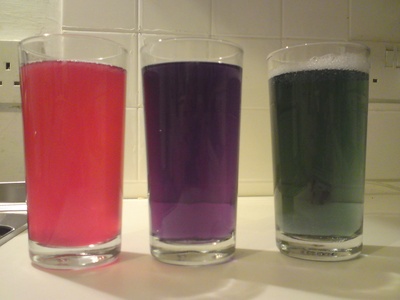
Universal indicator is a mixture producing a continuous color scale from red to violet across pH 1–14. Ideal for visual pH mapping and teaching. It provides qualitative pH values; paper strips often more convenient for field use.
Methyl red
Methyl red goes from red in acid to yellow in base between pH 4.4 and 6.2. Used in microbiology MR tests and specific titrations where a low-range endpoint is needed. Toxicity is low but avoid ingestion and skin contact.
Thymol blue
Thymol blue has two distinct color jumps: red→yellow at very low pH and yellow→blue in the alkaline range. Useful when either low or high pH endpoints are required. It’s light-sensitive; store in dark containers.
Bromocresol green
Bromocresol green shifts from yellow in acid to blue-green in base around pH 3.8–5.4. Often used in clinical assays and pH papers for low-to-mid range monitoring. Handle with care—avoid inhalation of powder.
Phenol red
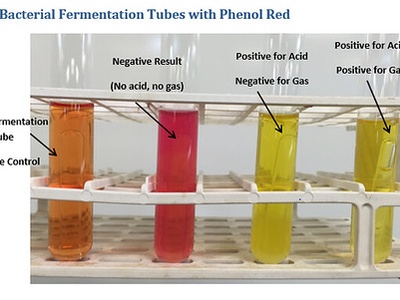
Phenol red changes from yellow to red across pH 6.8–8.4 and is common in cell culture media, water testing and aquaria. It provides a useful physiological-range indicator but can interact with some assays; non-toxic at working concentrations.
Congo red
Congo red shifts from blue to red in acidic conditions near pH 3–5 and is famous for staining amyloid in biology. As an indicator it gives visual acidic transitions but is a larger dye with known handling precautions; avoid inhalation.
Nitrazine yellow
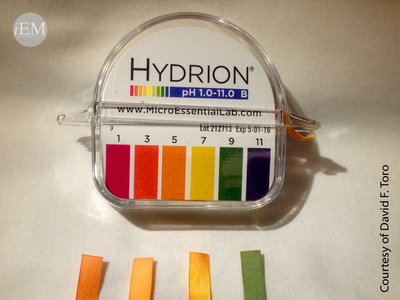
Nitrazine yellow is used in disposable paper tests to detect pH changes between pH 5 and 8. It is fast and practical for clinical screening (for example, ruptured membranes). Use single-use strips and follow clinical guidelines.
Alizarin yellow R
Alizarin yellow R acts as a high-range pH indicator and complexes with certain metal ions. It shifts color in strongly alkaline solutions and can serve as a metallochromic reagent; handle as a chemical irritant and avoid release to drains.
Thymolphthalein
Thymolphthalein is colorless below pH ~9.3 and turns deep blue above pH 10. Useful for high-pH titrations where phenolphthalein is fading. Store away from light and strong acids; prepare in alcohol solutions for titrations.
Eriochrome Black T
Eriochrome Black T is the classic EDTA titration indicator: wine-red free dye turns blue when bound to metal; endpoint occurs when EDTA displaces the indicator, producing a clear color jump. Use buffered samples; dye is irritant.
Calmagite
Calmagite is a metallochromic indicator used for calcium and magnesium EDTA titrations, changing color upon complex formation. It offers alternatives to Eriochrome Black T with similar handling needs; avoid skin contact and inhalation.
Murexide
Murexide (ammonium purpurate) produces distinct purplish complexes with calcium and other metals, used in classical calcium assays and gravimetric checks. It’s light-sensitive and must be handled and disposed of responsibly due to potential toxicity.
Alizarin complexone
Alizarin complexone is a sensitive indicator for calcium and other metals in EDTA titrations; it produces clear color transitions and works across a useful pH window. Store dry and use buffers for consistent endpoints.
PAR (4-(2-pyridylazo)resorcinol)
PAR reacts with transition metals to give vivid colors and is used for quantitative and qualitative metal assays. It’s versatile for labs and field tests; handle with gloves and avoid contamination of samples.
Xylenol orange
Xylenol orange is a metallochromic indicator useful for trace metal EDTA titrations; it forms colored complexes with many metal ions. It’s sensitive and commonly used where spectrophotometric follow-up is possible; keep protected from light.
Ferroin
Ferroin (iron(II)-1,10-phenanthroline complex) is a robust redox indicator giving a strong red-to-pale-blue change on oxidation. It’s widely used in redox titrimetry for clear endpoints; store under inert conditions to avoid air oxidation.
Dichlorophenolindophenol (DCPIP)
DCPIP is a blue redox dye that becomes colorless when reduced; commonly used to titrate vitamin C and to demonstrate photosynthetic electron transport. It’s easy-to-see and works in aqueous solutions; avoid ingestion and prolonged skin contact.
Starch (iodine-starch complex)
Starch acts as an indicator by forming an intense blue-black complex with iodine or triiodide; added near the endpoint of iodometric titrations for high sensitivity. Use only near endpoint to avoid destroyed complexes; prepare fresh solutions.
Methylene blue
Methylene blue is a classic redox indicator that loses color when reduced, used in redox studies and as a simple oxygen indicator. It is also used in small-scale biological tests; avoid skin staining and follow waste disposal rules.
Diphenylamine
Diphenylamine develops a blue color when oxidized by strong oxidizers such as nitrates in acidic solution; used in qualitative nitrate tests and explosives screening. Toxic and potentially hazardous—use minimal amounts, proper ventilation and protective equipment.
Resazurin
Resazurin is a blue dye that becomes pink then colorless on reduction; used as a viability/respirometry indicator in microbiology and packaged-food freshness tests. Non-destructive at low concentrations; follow biolab safety guidance.
Fluorescein (Fajans adsorption)
Fluorescein serves as an adsorption indicator in Fajans titrations: the dye adsorbs on a precipitate (e.g., AgCl), producing a sharp color change or fluorescence at the endpoint. Use dilute solutions and avoid prolonged light exposure.
Potassium chromate (Mohr method)
In the Mohr method, chromate acts as an indicator ion producing red silver chromate precipitate when all chloride has been precipitated. It’s simple and visual but requires neutral–slightly basic conditions; chromate is toxic and carcinogenic—handle with extreme care.
Phenolphthalein-methyl orange mixed strips
Combined indicator strips use sequenced dyes to give multi-color pH readouts across wide ranges. They’re disposable, fast, and user-friendly for general pH checks. Results are semi-quantitative—confirm with calibrated meters for precision work.
Alizarin S
Alizarin S gives vivid color changes on metal binding, often used for aluminum and other metal assays. It’s valuable in complexometric titrations and spot tests; handle as a chemical irritant and avoid environmental release.
PAN (1-(2-pyridylazo)-2-naphthol)
PAN forms bright colored complexes with many transition metals and is used for rapid colorimetric identification or simple field assays. Useful for quick screening, but some metal specificity and safety precautions for solvent use apply.

Curcumin (turmeric)
Curcumin from turmeric changes from yellow to reddish-brown in alkaline solutions, providing a natural pH indicator for demonstrations and simple home tests. Non-toxic in small amounts and popular in teaching, though less precise than lab indicators.
Red cabbage extract (anthocyanins)
Red cabbage anthocyanins produce a rainbow of colors across the pH scale, making them excellent for visual demonstrations and DIY pH strips. Non-toxic and inexpensive, but not as stable or specific as synthetic indicators.
Beetroot (betalains)
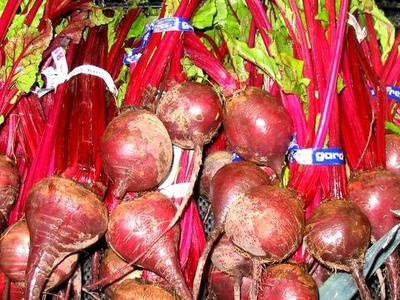
Beet pigments change hue and can bleach under oxidative conditions; useful for simple demonstrations of redox and pH effects in foods and classrooms. Edible and safe, but colors fade with heat and light.
Ferricyanide/ferrocyanide redox indicators
Ferricyanide/ferrocyanide couples exhibit observable color shifts in solution depending on oxidation state and are used in redox demonstrations and sensors. They give clear visual cues for electron transfer but require care: cyanide complexes demand proper handling and disposal.
Tollen’s reagent (silver mirror)
Tollen’s reagent produces a silver mirror or black precipitate when aldehydes reduce Ag+. This dramatic visual test is a classic qualitative assay; it requires careful handling and immediate, safe disposal due to silver and ammonia content.
Stannous chloride/iodine test
Stannous chloride is used in spot-tests to reduce or precipitate specific species; visible color or precipitate changes signal redox chemistry. Useful in analytical spot tests but requires control of acid and reductant concentrations for clear endpoints.
Fluorescent pH indicators (e.g., SNARF dyes)
Fluorescent pH dyes change emission color or intensity with pH and are powerful for imaging intracellular pH. They require fluorescence equipment to read but provide high spatial resolution; do not include instrument-only sensors without visible color change.
Lead(II) chromate (spot tests)
Some classical spot-test reagents produce colored precipitates with target ions usable for quick field screening. They give immediate visual confirmation but are qualitative and may involve toxic heavy metals—use extreme care and prefer safer modern alternatives.
Oxazine dyes (redox)
Oxazine-family dyes undergo visually obvious color shifts on redox changes and serve as indicators in some biochemical and analytical methods. They are sensitive and useful where colorless reduced forms are needed; handle with standard lab precautions.
Xylenol blue (sulfonephthalein type)
Xylenol-type dyes change color in the physiological to mildly alkaline range and are used in buffer checks and some clinical applications. They are suited to solutions where neutral-to-slightly-basic endpoints are relevant; consult supplier data for exact ranges.
Coomassie Brilliant Blue (protein dye with pH sensitivity)
Coomassie dye shows a measurable color change upon protein binding used in Bradford assays; it’s an example of a dye acting as an indicator of biochemical presence rather than pure pH. Follow waste disposal guidelines; hazardous in concentrated form.