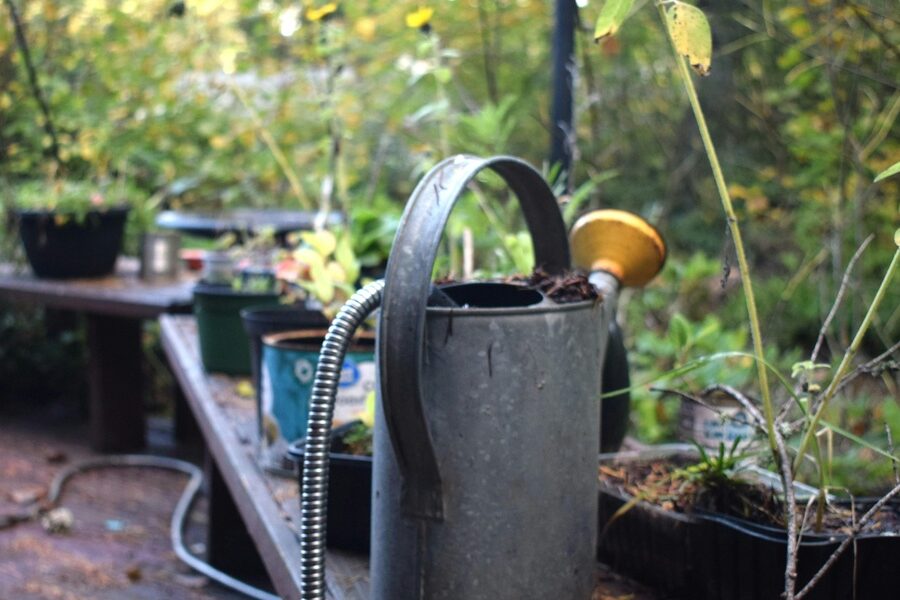
From backyard compost piles to industrial organics programs and city recycling centers, knowing what breaks down naturally changes how we handle waste and choose materials. A practical list helps you spot quick wins for your compost bin, the curb, or a product spec sheet.
There are 20 Examples of Biodegradable Materials, ranging from Bagasse (sugarcane fiber) to Yard waste (leaves, grass). For each, you’ll find below Biodegradation time (days/months/years),Compostable (home/industrial/none),Common uses.
How long do biodegradable materials typically take to break down?
Decomposition varies widely: fresh food scraps and yard waste can break down in weeks to months under active composting, paper and untreated wood may take months to years, and some bioplastics need industrial conditions to degrade. The specific “Biodegradation time (days/months/years)” column in the list will show typical ranges and the conditions that affect them.
Can I compost everything labeled biodegradable at home?
Not always — some items marked biodegradable or compostable require industrial heat, moisture and microbial activity to break down (for example certain bioplastics or coated papers). Look at the “Compostable (home/industrial/none)” column in the list and check local rules before adding items to a home pile.
Examples of Biodegradable Materials
| Material | Biodegradation time (days/months/years) | Compostable (home/industrial/none) | Common uses |
|---|---|---|---|
| Paper | 2–6 weeks (soil, home compost) | home & industrial (natural fiber) | printing, packaging, tissues |
| Cardboard | 1–3 months (home compost, shredded) | home & industrial (recyclable) | shipping boxes, cartons |
| Newspaper | 2–12 weeks (home compost) | home & industrial | newsprint, wrapping, mulching |
| Paper towel | 2–8 weeks (home compost) | home & industrial | cleaning, kitchen towels |
| Cotton | 1–5 months (home compost, soil) | home & industrial | clothing, rags, cotton balls |
| Wool | 6–18 months (active compost, soil) | home & industrial | clothing, insulation, yarn |
| Silk | 6 months–2 years (compost, soil) | home & industrial | clothing, accessories |
| Untreated wood | 3 months–3 years (soil, compost; size dependent) | home & industrial | furniture, pallets, lumber |
| Yard waste (leaves, grass) | 2 weeks–3 months (home compost) | home & industrial | leaves, grass clippings, prunings |
| Food scraps (fruit & veg) | 2–12 weeks (home or municipal compost) | home & industrial | kitchen scraps, peelings |
| Coffee grounds & filters | 2–6 months (home compost) | home & industrial | coffee brewing, compost additive |
| Eggshells | 6 months–2 years (soil, compost; slower mineralization) | home & industrial | kitchen waste, garden calcium |
| Natural rubber (pure latex) | 6 months–5 years (soil, compost; thickness dependent) | home & industrial (if pure latex) | gloves, balloons, elastic bands |
| Leather (untreated, vegetable-tanned) | 6 months–5 years (compost, soil) | home & industrial (untreated only) | shoes, belts, upholstery |
| PLA (polylactic acid) | 1–3 months (industrial compost at 55–60°C) | industrial only (ASTM D6400/EN13432) | cups, takeout containers, 3D printing |
| PHA (PHB/PHBV) | weeks–months (soil, compost, marine) | home & industrial; marine biodegradable | packaging, single-use items |
| Starch-based bioplastics | weeks–months (compost; formulation dependent) | industrial (often); check certification | packaging, bags, disposable items |
| Bagasse (sugarcane fiber) | 1–3 months (home or industrial compost) | home & industrial (often certified) | plates, bowls, food containers |
| Bamboo (raw, uncoated) | 3–12 months (compost, soil) | home & industrial (uncoated items) | utensils, cutting boards, textiles |
| Hemp (fiber/fabric) | 2–8 months (home compost) | home & industrial | ropes, textiles, composites |
Images and Descriptions

Paper
Paper is made from wood pulp and breaks down quickly in soil or compost within weeks. Shredding speeds decomposition. Avoid glossy or plastic-coated paper; recycle when possible. Compost clean, uncoated paper or tear into small pieces for faster breakdown.

Cardboard
Corrugated cardboard biodegrades in home compost if shredded and kept moist, typically over months. Tape and labels slow decay; remove heavy coatings. Reuse or recycle when possible; compost clean, uncoated cardboard as brown material to balance greens in your bin.

Newspaper
Newsprint is lightweight and composts well in weeks to a few months; ink is usually soy-based and safe. Shred to speed breakdown. Avoid glossy inserts. Use shredded newspaper as a carbon-rich bedding or to smother weeds in garden mulch.
Paper towel
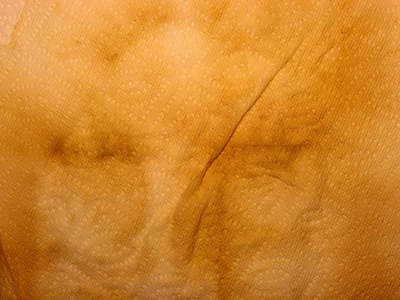
Paper towels are highly biodegradable, often composting in weeks if free of oils or chemicals. Heavily soiled towels (with grease or cleaners) should avoid backyard bins; use municipal composting when allowed. Tear or shred to help aeration and decomposition.
Cotton
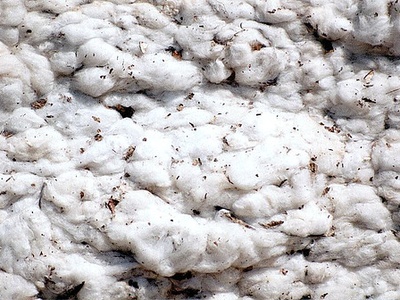
Natural cotton fibers break down in compost in a few months when untreated and free of synthetic dyes. Cut or shred garments to speed decay. Avoid heavily dyed or blended fabrics; recycle or donate wearable clothes instead of composting when possible.

Wool
Wool is protein-based and biodegrades in months to a year in active compost, releasing nitrogen slowly. Felted or treated wool may take longer. Rip or cut garments to increase surface area. Use wool scraps as slow-release fertilizer or garden mulch.
Silk
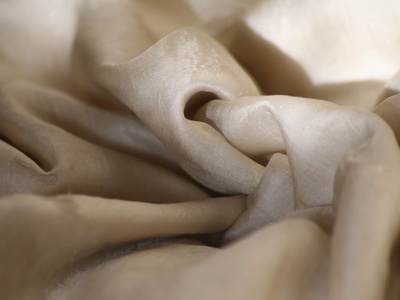
Silk fibers biodegrade over months to a couple of years depending on processing and fabric weight. Natural silk breaks down in compost; heavily dyed or treated items decompose more slowly. Reuse or donate wearable silk; compost small, untreated scraps.
Untreated wood
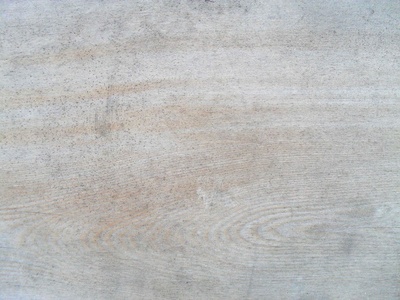
Untreated wood, sawdust and small wood chips break down over months to years depending on size. Hardwoods take longer than softwoods. Chop or chip wood to speed decomposition. Avoid pressure-treated or painted wood — those are not compostable.
Yard waste (leaves, grass)
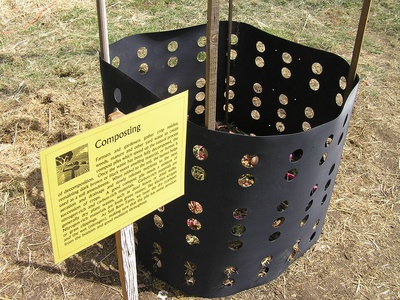
Leaves, grass clippings and prunings compost readily in weeks to months when mixed properly. Grass mats and woody prunings need chopping. Keep a balance of greens and browns and turn the pile to speed microbial activity and reduce odors.
Food scraps (fruit & veg)
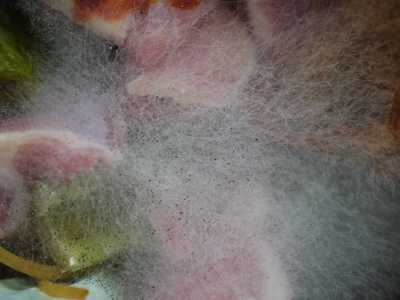
Fruit and vegetable scraps break down quickly in home or municipal compost within weeks to months. Avoid excessive oils and bones in backyard bins; maintain moisture and aeration. Use a kitchen caddy for regular collection and to reduce pests.
Coffee grounds & filters
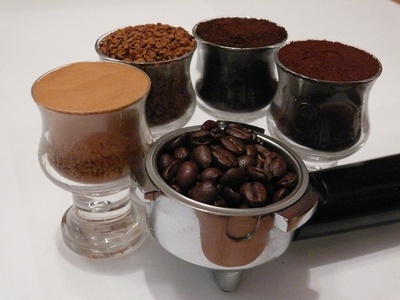
Spent coffee grounds and uncoated paper filters are excellent compost ingredients, adding nitrogen and structure. Grounds break down in weeks to months; filters compost quickly. Avoid composting large amounts of oily coffee residue; mix with browns for balance.

Eggshells
Eggshells are calcium-rich and break down slowly over months to years; crushing speeds the process. They add minerals to compost but don’t provide much nitrogen. Rinse and crush before adding to speed decomposition and reduce attraction to pests.

Natural rubber (pure latex)
Pure natural rubber (latex) biodegrades over months to a few years depending on thickness and additives. Thin biodegradable latex products break down faster; vulcanized or additive-rich rubber slows decomposition. Check product composition before composting; many items require industrial processing.
Leather (untreated, vegetable-tanned)
Untreated, vegetable-tanned leather can biodegrade over months to years in compost; chrome-tanned leather does not decompose readily. Small scraps compost better than bulky items. Consider reuse or donation; only compost untreated leather in small amounts to avoid heavy metals.
PLA (polylactic acid)
PLA is a plant‑based bioplastic that composts in industrial facilities in about one to three months at high temperatures. It does not reliably break down in home compost or marine environments. Check for ASTM D6400 or EN 13432 certification before disposal.
PHA (PHB/PHBV)
PHA plastics (like PHB) are produced by microbes and biodegrade in soil, compost and marine environments, often within weeks to months. Some formulations compost at home; many are certified industrially. They’re used for packaging and single‑use items.
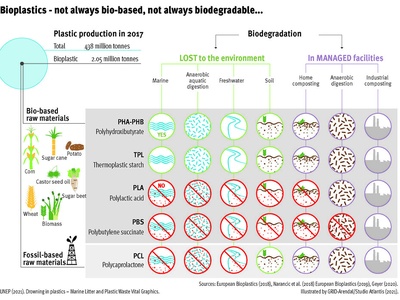
Starch-based bioplastics
Thermoplastic starch and starch‑blends biodegrade in compost over weeks to months depending on formulation. Many blends require industrial composting; some simpler starch plastics break down in home piles. Verify compostability certification before disposal.
Bagasse (sugarcane fiber)
Bagasse is the fibrous leftover from sugarcane processing and makes disposable tableware and containers. It typically composts in one to three months in home or industrial composters. Avoid heavy coatings; rinse food residue before composting for best results.
Bamboo (raw, uncoated)
Raw bamboo products and mechanically processed bamboo fibers biodegrade in months in compost. Treated or chemically processed bamboo (viscose) still biodegrades but may take longer. Compost uncoated bamboo utensils and shredded bamboo in your bin.
Hemp (fiber/fabric)
Hemp fiber and hemp-based textiles are biodegradable in compost within a few months depending on thread count and treatment. They’re durable but break down naturally; avoid composting heavily treated or blended hemp garments. Cut into small pieces for faster decay.