From university labs and hospitals to farms and field stations, life science is woven into everyday places where people study living systems and solve practical problems. Mapping its disciplines helps you see connections between research, policy, and on-the-ground work in health, agriculture, and conservation.
There are 59 Branches of Life Science, ranging from Agronomy to Zoology; for each branch, the entries show Main study focus, Typical scale/subjects, and Common applications/careers — you’ll find below.
How can I use this list to explore careers or study paths in life sciences?
Use the columns to compare what each branch studies, the typical organisms or systems involved, and where practitioners work; that makes it easier to match your interests (lab vs. field, micro vs. ecosystem) to likely jobs, required degrees, and internships.
Will the list include niche or interdisciplinary branches and how are they defined?
Yes — the list aims to be comprehensive and includes specialized and hybrid fields; entries are defined by their primary focus and scale (what they study and at what level), so related or overlapping disciplines are shown separately to clarify career and research distinctions.
Branches of Life Science
| Branch | Main study focus | Typical scale/subjects | Common applications/careers |
|---|---|---|---|
| Biology | Study of living organisms and life processes | Molecular, cellular, organismal, ecosystems | Research, education, science communication, policy |
| Botany | Plant structure, growth, reproduction and ecology | Organismal, cellular, ecosystems (plants, algae) | Agriculture, horticulture, conservation, research |
| Zoology | Animal biology, behavior, classification and evolution | Organismal, populations, ecosystems (animals) | Wildlife management, research, zoos, education |
| Microbiology | Biology of microscopic organisms (bacteria, archaea, microbes) | Cellular, molecular, populations (microbes) | Clinical labs, industry, biotechnology, research |
| Virology | Biology, evolution and interactions of viruses | Molecular, cellular, organismal (viruses infecting hosts) | Vaccine development, epidemiology, diagnostics, research |
| Mycology | Fungi biology, ecology, and uses | Organismal, cellular, molecular (fungi) | Medicine, agriculture, food industry, conservation |
| Phycology (Algology) | Biology and ecology of algae | Cellular, organismal, ecosystems (algae) | Biofuels, aquaculture, ecosystem monitoring, research |
| Protistology | Biology of diverse unicellular eukaryotes | Cellular, molecular, ecosystems (protists) | Parasitology, ecology, research, environmental monitoring |
| Genetics | Heredity, gene function and inheritance patterns | Molecular, cellular, organismal, populations | Genetic counseling, research, agriculture, biotech |
| Genomics | Structure, function and evolution of genomes | Molecular, cellular, organismal | Healthcare, research, conservation, biotechnology |
| Molecular Biology | Molecular mechanisms underlying life processes | Molecular, cellular | Research, biotechnology, diagnostics, pharmaceuticals |
| Cell Biology | Structure and function of cells and organelles | Cellular, molecular | Research, medicine, biotech, teaching |
| Biochemistry | Chemical processes in living organisms | Molecular, cellular | Pharmaceuticals, industry, research, diagnostics |
| Structural Biology | 3D structure and function of biomolecules | Molecular | Drug design, research, biotechnology |
| Biophysics | Physical principles applied to biological systems | Molecular, cellular, organismal | Research, imaging, medical devices, biotech |
| Systems Biology | Integrated study of biological networks and interactions | Molecular, cellular, organismal, systems | Research, pharma, computational biology |
| Synthetic Biology | Design and engineering of biological systems | Molecular, cellular, organismal | Biotech startups, research, bioengineering |
| Biotechnology | Practical use of biological systems and organisms | Molecular, cellular, organismal | Industry, pharmaceuticals, agriculture, startups |
| Bioinformatics | Computational analysis of biological data | Molecular, genomic, systems | Research, biotech, data science, healthcare |
| Proteomics | Large-scale study of proteins and their functions | Molecular, cellular | Biomarker discovery, pharma, research |
| Metabolomics | Comprehensive study of metabolites and metabolism | Molecular, cellular | Diagnostics, nutrition, research, biotech |
| Developmental Biology | Processes of growth and form from embryo to adult | Cellular, organismal | Research, regenerative medicine, developmental genetics |
| Evolutionary Biology | Origins, change and diversification of life | Population, species, ecosystems | Research, conservation, education, biotech |
| Evolutionary Developmental Biology (Evo‑Devo) | How development influences evolutionary change | Cellular, organismal, evolutionary | Research, academia, evolutionary genetics |
| Ecology | Interactions among organisms and their environment | Organismal, population, community, ecosystem | Conservation, environmental consulting, research |
| Conservation Biology | Protecting biodiversity and restoring ecosystems | Population, community, ecosystem | Conservation NGOs, government, research |
| Marine Biology | Biology of ocean organisms and marine ecosystems | Organismal, population, ecosystem (marine) | Fisheries, conservation, aquaculture, research |
| Limnology (Freshwater Biology) | Study of inland water ecosystems and organisms | Ecosystem, population, organismal (freshwater) | Environmental monitoring, fisheries, water management |
| Fisheries Science | Biology and management of fish populations | Population, ecosystem, organismal (fish) | Fisheries management, aquaculture, conservation |
| Wildlife Biology | Ecology and management of wild animals | Organismal, population, ecosystem | Wildlife management, conservation, research, parks |
| Entomology | Biology of insects and their interactions | Organismal, population, community | Agriculture, pest control, research, forensics |
| Ornithology | Study of birds, behavior and ecology | Organismal, population, migration | Research, conservation, birding, education |
| Herpetology | Study of amphibians and reptiles | Organismal, population, conservation | Research, conservation, education, fieldwork |
| Ichthyology | Biology of fishes, diversity and ecology | Organismal, population, ecosystems (fish) | Research, fisheries, conservation, aquaculture |
| Plant Physiology | Functional biology of plant processes and responses | Cellular, organismal | Agriculture, crop science, research |
| Plant Pathology | Plant diseases: causes, mechanisms and management | Organismal, cellular, molecular (plants, pathogens) | Agriculture, crop protection, research |
| Agronomy | Crop production science and soil-plant management | Organismal, ecosystem, agricultural systems | Farming, crop science, extension, research |
| Forestry | Management and conservation of forests and trees | Ecosystem, population, organismal | Forest management, conservation, timber industry |
| Parasitology | Biology and ecology of parasites and hosts | Organismal, cellular, population | Public health, veterinary science, research |
| Immunology | Immune system function and host defense mechanisms | Cellular, molecular, organismal | Vaccine development, clinical research, biotech |
| Neurobiology (Neuroscience) | Nervous system structure, function and behavior | Cellular, organismal, systems | Research, pharmaceuticals, neural engineering |
| Behavioral Ecology / Ethology | Evolution and ecology of animal behavior | Organismal, population | Research, conservation, animal welfare |
| Toxicology | Effects of chemicals and toxins on living organisms | Molecular, cellular, organismal, populations | Regulatory science, pharmaceuticals, environmental health |
| Pharmacology | Drug interactions with biological systems | Molecular, cellular, organismal | Drug development, clinical research, biotech |
| Forensic Biology | Application of biology to legal investigations | Organismal, molecular (DNA evidence) | Forensics, law enforcement, labs |
| Paleobiology | Study of ancient life through fossils and records | Organismal, evolutionary, historical | Academia, museums, research |
| Biostatistics | Statistical methods for biological and health data | Data, populations, experimental | Research, public health, pharma, academia |
| Microbial Ecology | Interactions and roles of microbes in environments | Cellular, population, ecosystem (microbes) | Environmental monitoring, industry, research |
| Comparative Physiology | Functional comparisons across species and environments | Organismal, physiological systems | Research, ecology, evolutionary biology |
| Evolutionary Genetics | Genetic mechanisms driving evolutionary change | Molecular, population, evolutionary | Research, conservation genetics, academia |
| Conservation Genetics | Genetic tools for conserving species and populations | Population, organismal | Conservation management, research, zoos |
| Aquatic Biology | Biology of organisms in freshwater and marine systems | Organismal, ecosystem | Environmental consulting, fisheries, research |
| Plant Ecology | Interactions of plants with environment and communities | Organismal, population, ecosystem | Restoration, conservation, research |
| Wildlife Ecology | Ecology and behavior of terrestrial wildlife populations | Population, community, ecosystems | Wildlife management, research, conservation |
| Clinical Laboratory Science (Medical Laboratory Science) | Laboratory analysis of biological samples for diagnosis | Cellular, molecular | Clinical labs, diagnostics, healthcare |
| Population Biology | Dynamics and structure of populations over time | Population, evolutionary, ecosystem | Conservation, epidemiology, research |
| Evolutionary Ecology | Evolutionary processes shaping ecological interactions | Population, community, evolutionary | Research, conservation, academia |
| Microbial Genetics | Genetics and gene regulation in microorganisms | Molecular, cellular | Biotech, research, healthcare |
| Cellular Immunology | Cellular-level immune mechanisms and responses | Cellular, molecular | Research, vaccine development, immunotherapy |
Images and Descriptions
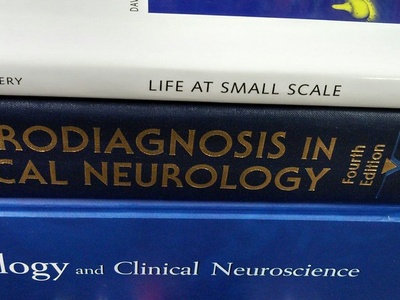
Biology
Broad science of life covering structure, function, growth, origin and distribution of organisms; grounds all specialized life sciences. Example: studying how cellular processes enable organismal development across species.
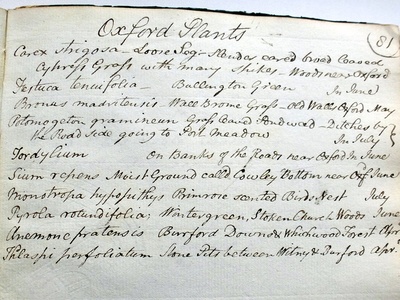
Botany
Study of plant biology from molecules to ecosystems, including photosynthesis, plant genetics, and ecology. Example: breeding drought-tolerant crops or restoring native plant communities.
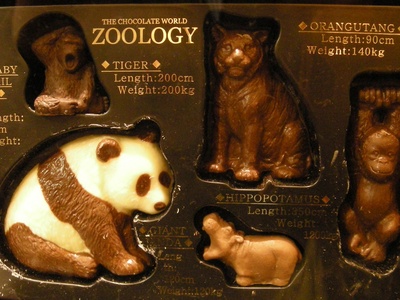
Zoology
Study of animals’ anatomy, physiology, behavior, and evolution across species. Example: researching migratory patterns to inform conservation policy.
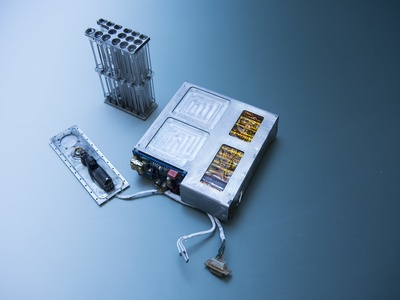
Microbiology
Study of bacteria, archaea, fungi and single-celled eukaryotes, focusing on physiology, ecology, and applications like fermentation. Example: developing probiotics or microbial bioremediation strategies.
Virology
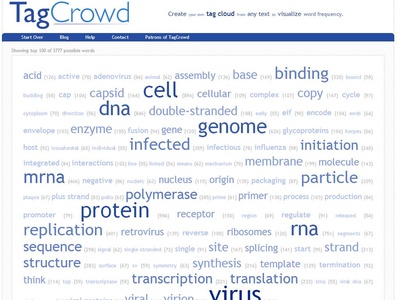
Study of viral structure, replication, pathogenesis, and host interactions. Example: designing vaccines or tracking viral outbreaks with genomic surveillance.
Mycology
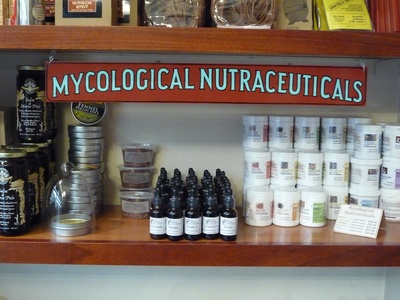
Study of fungal diversity, life cycles, ecology, and biotechnology applications. Example: discovering fungal enzymes for industrial processes or treating fungal infections.

Phycology (Algology)
Study of algal diversity, physiology, and ecological roles in aquatic systems. Example: developing algae-based biofuels or monitoring harmful algal blooms.
Protistology
Study of single-celled eukaryotes’ biology, ecology, and roles in ecosystems or disease. Example: studying malaria parasites to inform control strategies.
Genetics
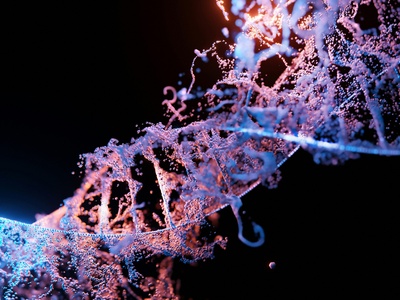
Study of genes, heredity, and variation, from molecular mechanisms to population genetics. Example: mapping genes for disease resistance in crops.
Genomics
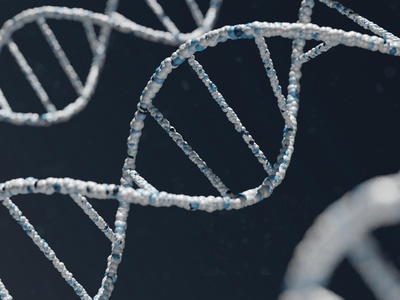
Large-scale study of genomes, sequencing, and comparative genomics to understand traits and evolution. Example: using genome data to guide species conservation.
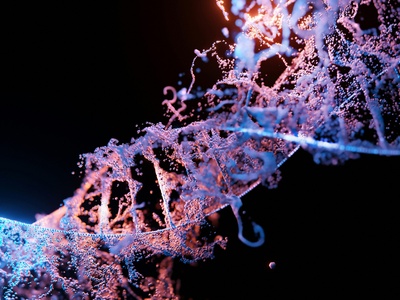
Molecular Biology
Investigates DNA, RNA, proteins and molecular pathways that govern cell behavior. Example: characterizing molecular signaling in cancer cells.
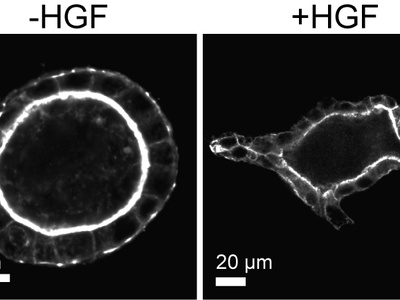
Cell Biology
Study of cellular architecture, division, signaling and transport, foundational to health and disease research. Example: studying how cells migrate during wound healing.
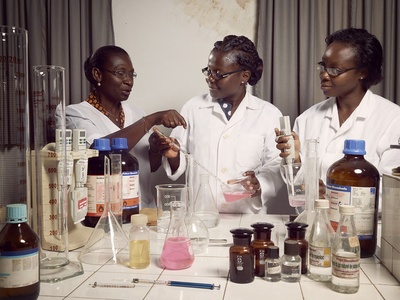
Biochemistry
Explores biomolecules and metabolic pathways that sustain life, connecting chemistry and biology. Example: developing enzyme inhibitors as drugs.
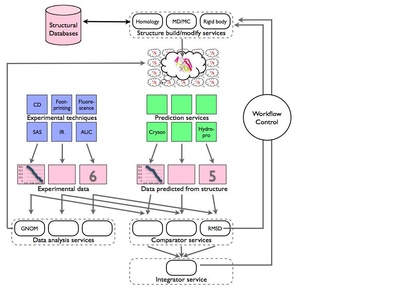
Structural Biology
Determines structures of proteins and nucleic acids to understand function and inform drug design. Example: solving a protein structure to design an antiviral.
Biophysics
Applies physics and quantitative methods to biological questions like membrane dynamics and biomechanics. Example: using single-molecule techniques to study protein folding.
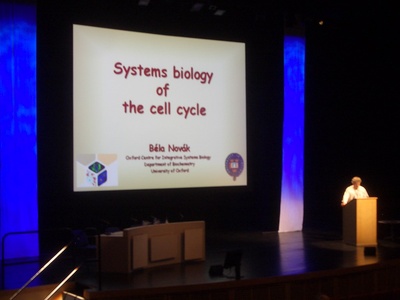
Systems Biology
Combines experimental and computational methods to model networks and predict system behavior. Example: modeling metabolic networks to find drug targets.
Synthetic Biology
Engineering organisms or genetic circuits for new functions, like biosensors or engineered microbes. Example: programming bacteria to produce useful chemicals.
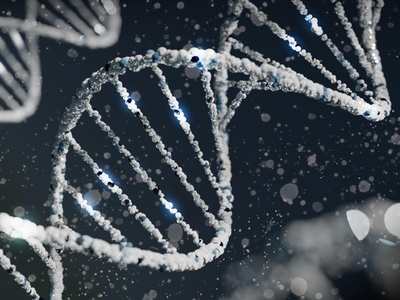
Biotechnology
Applied life science using organisms, cells, and molecules for products and technologies. Example: producing insulin via recombinant bacteria.
Bioinformatics
Uses algorithms and statistics to analyze biological datasets such as genomes and proteomes. Example: identifying disease-associated genetic variants from sequencing data.
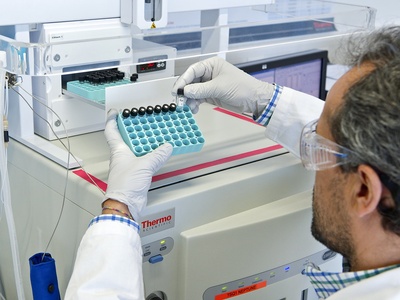
Proteomics
Analyzes protein expression, modifications, and interactions to understand cellular function. Example: finding protein biomarkers for early disease detection.
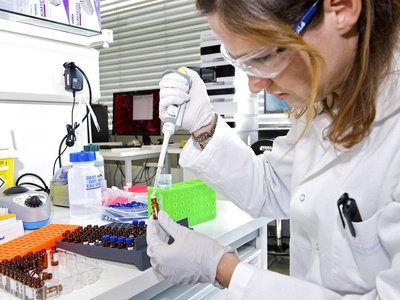
Metabolomics
Profiles small-molecule metabolites to understand physiological states and responses. Example: metabolic fingerprinting to detect disease.
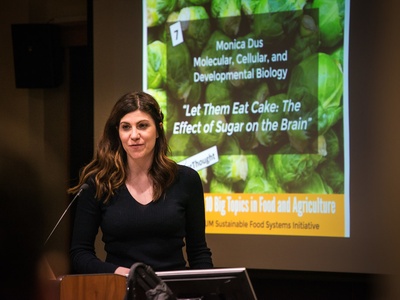
Developmental Biology
Studies how organisms develop, cell differentiation and tissue formation. Example: researching limb regeneration mechanisms in animals.
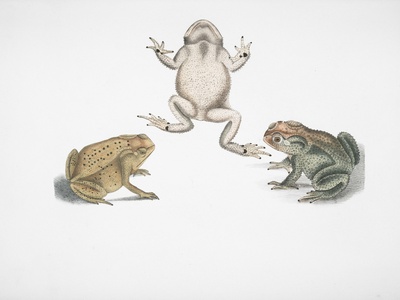
Evolutionary Biology
Explores natural selection, speciation and phylogeny to explain biodiversity patterns. Example: reconstructing evolutionary trees to study adaptation.
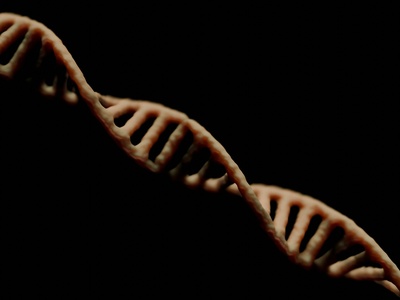
Evolutionary Developmental Biology (Evo‑Devo)
Integrates development and evolution to explain how developmental processes drive morphological innovation. Example: studying Hox genes across species.
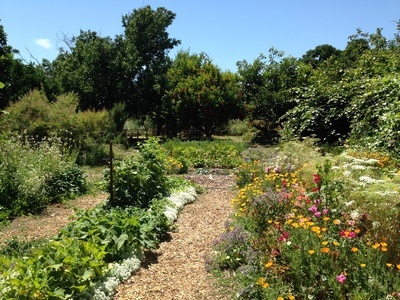
Ecology
Studies relationships, energy flow, and nutrient cycles across scales to understand ecosystem function. Example: assessing habitat fragmentation impacts on biodiversity.
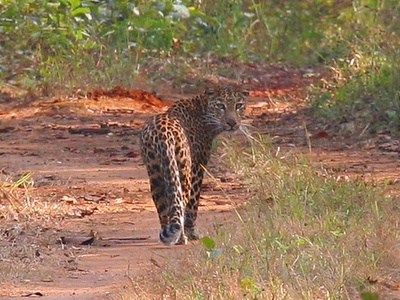
Conservation Biology
Applied science to prevent extinction, manage habitats, and restore ecosystems. Example: designing protected area networks for endangered species.
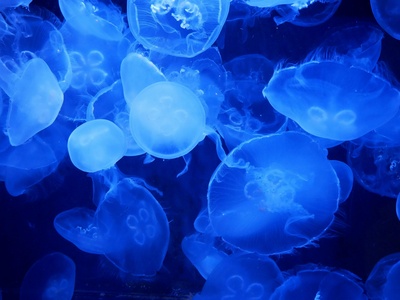
Marine Biology
Studies marine life from plankton to whales, ocean ecology, and human impacts. Example: monitoring coral reef health under climate change.
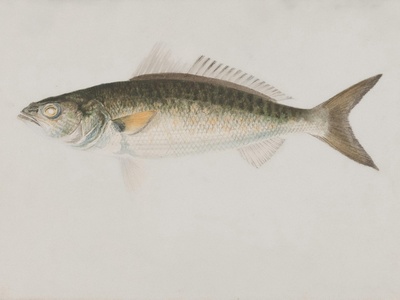
Limnology (Freshwater Biology)
Examines lakes, rivers, wetlands, and freshwater biota, including water quality and ecosystem services. Example: evaluating nutrient pollution impacts on algal blooms.
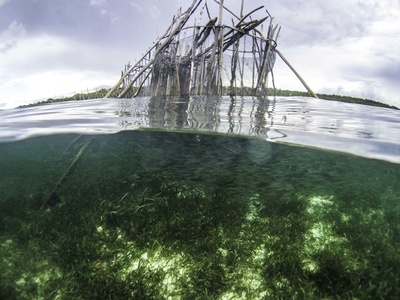
Fisheries Science
Combines ecology, population dynamics and management to sustain fisheries and aquaculture. Example: setting harvest quotas from stock assessments.
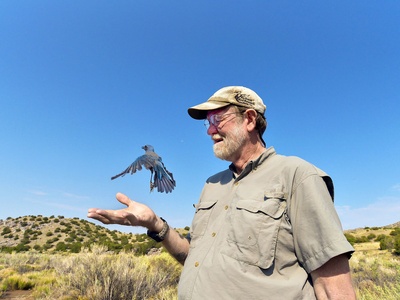
Wildlife Biology
Focuses on behavior, population dynamics and habitat needs for conservation and management. Example: tracking population recovery of reintroduced species.
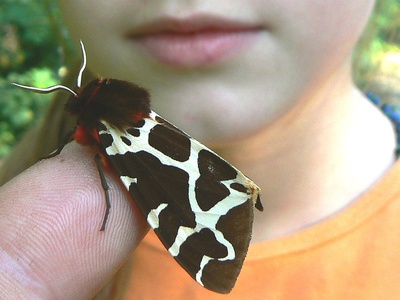
Entomology
Studies insect diversity, behavior, ecology and applied control methods. Example: developing integrated pest management for crops.
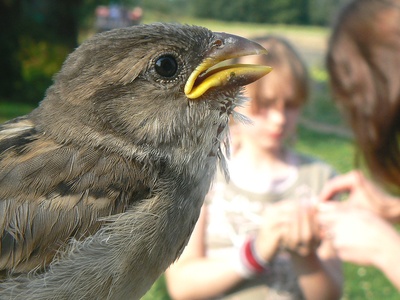
Ornithology
Examines bird biology, migration, communication and conservation challenges. Example: tracking migratory routes to reduce collision risks.
Herpetology
Focuses on ecology, physiology and conservation of amphibians and reptiles. Example: studying chytrid fungus impacts on amphibian populations.
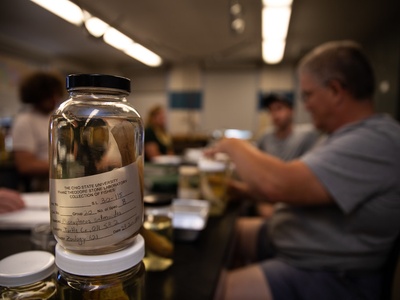
Ichthyology
Covers fish anatomy, evolution, and ecology to inform management and conservation. Example: studying coral reef fish community dynamics.
Plant Physiology
Investigates photosynthesis, water relations, hormone signaling and stress responses. Example: improving drought tolerance via physiological studies.
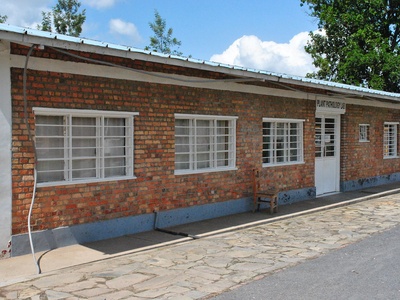
Plant Pathology
Studies pathogens and plant disease mechanisms to control outbreaks and improve yields. Example: developing resistant crop varieties.
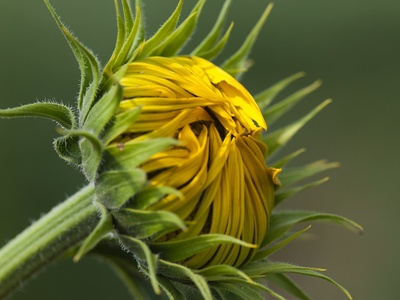
Agronomy
Applied plant science optimizing crop production, soil health, and sustainable practices. Example: designing crop rotations to improve yields and soil fertility.
Forestry
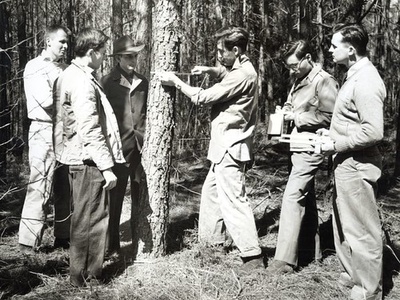
Focuses on forest ecology, tree growth, and sustainable management for timber and ecosystem services. Example: planning reforestation to restore degraded landscapes.
Parasitology
Studies parasitic life cycles, host interactions, and disease control. Example: controlling parasite transmission in livestock.
Immunology
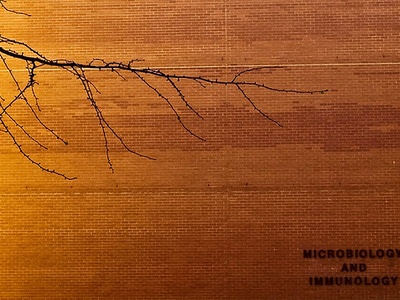
Explores immune responses, infection control, and immunotherapies. Example: developing monoclonal antibodies for infectious diseases.
Neurobiology (Neuroscience)
Studies neural circuits, development, and cognition to understand behavior and disorders. Example: mapping brain circuits underlying learning.
Behavioral Ecology / Ethology
Examines how behavior evolves in ecological contexts, like mating or foraging strategies. Example: studying cooperative behavior in social animals.
Toxicology
Studies toxic effects, dose–response relationships, and safety assessment for chemicals and pollutants. Example: assessing pesticide toxicity to pollinators.
Pharmacology
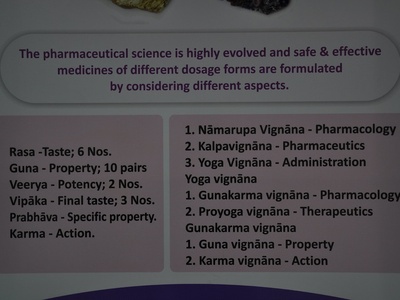
Investigates mechanisms, efficacy and safety of drugs on cells and organisms to guide therapeutics. Example: screening compounds for neurological disease treatment.
Forensic Biology
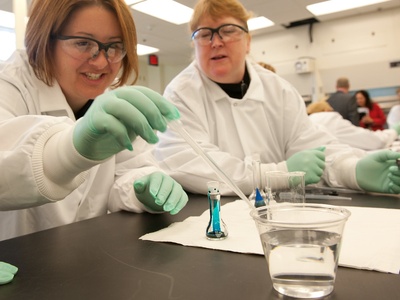
Uses biological evidence like DNA, blood and trace biology to support criminal investigations. Example: DNA profiling to identify crime-scene contributors.
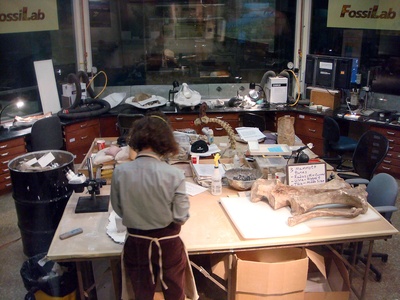
Paleobiology
Reconstructs past organisms, ecosystems and evolutionary events using fossils and geologic context. Example: studying dinosaur biology and ancient ecosystems.
Biostatistics
Develops and applies statistical techniques to design studies and analyze biological data. Example: analyzing clinical trial results for safety signals.
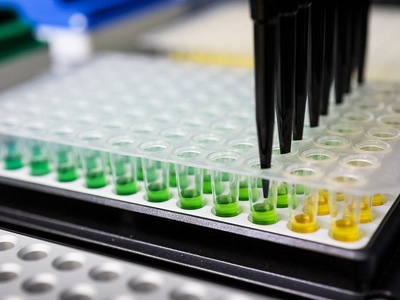
Microbial Ecology
Studies microbial communities, biogeochemical cycles and ecosystem functions. Example: researching soil microbiomes to enhance crop productivity.
Comparative Physiology
Compares physiological adaptations across species to explain ecological success. Example: studying thermoregulation strategies in desert animals.
Evolutionary Genetics
Integrates genetics and evolution to study how genetic variation leads to adaptation and speciation. Example: tracing adaptive alleles in wild populations.
Conservation Genetics
Applies genetics to assess diversity, inbreeding, and guide recovery of threatened species. Example: genetic rescue planning for fragmented populations.
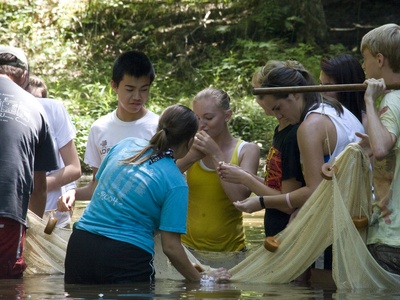
Aquatic Biology
Covers life in aquatic environments, ecosystem dynamics and human impacts. Example: assessing pollutant effects on river biodiversity.
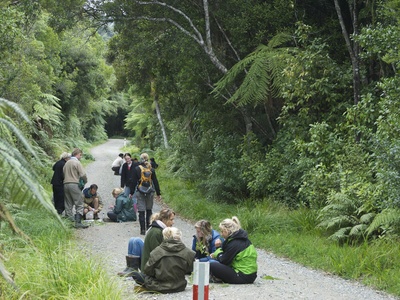
Plant Ecology
Studies plant distribution, competition and community dynamics in ecosystems. Example: designing prairie restorations to support pollinators.
Wildlife Ecology
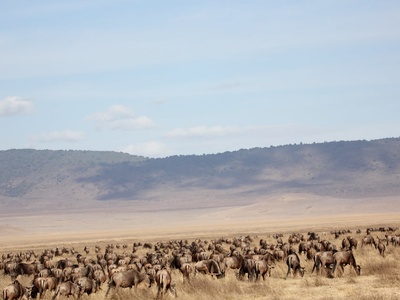
Investigates habitat use, population dynamics and human-wildlife interactions for conservation. Example: studying corridor effectiveness for mammal movement.
Clinical Laboratory Science (Medical Laboratory Science)
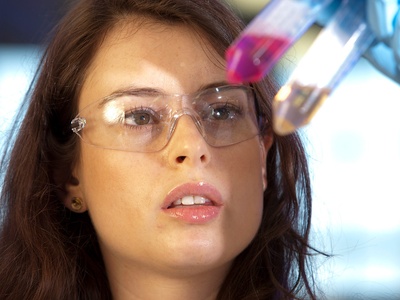
Performs and interprets lab tests on blood, tissue and fluids to support healthcare. Example: running diagnostic assays to detect infections.
Population Biology
Studies population growth, interactions, and models to explain population changes and persistence. Example: modeling disease spread in wildlife populations.
Evolutionary Ecology
Examines how evolution and ecological interactions reciprocally shape traits and species distributions. Example: coevolution between pollinators and plants.
Microbial Genetics
Studies microbial gene function, horizontal transfer and genetic regulation to inform applications. Example: engineering bacteria for biotechnology.
Cellular Immunology
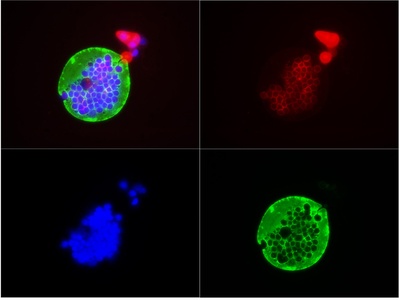
Focuses on immune cell behavior and signaling in health and disease. Example: studying T cell activation in cancer immunotherapy.