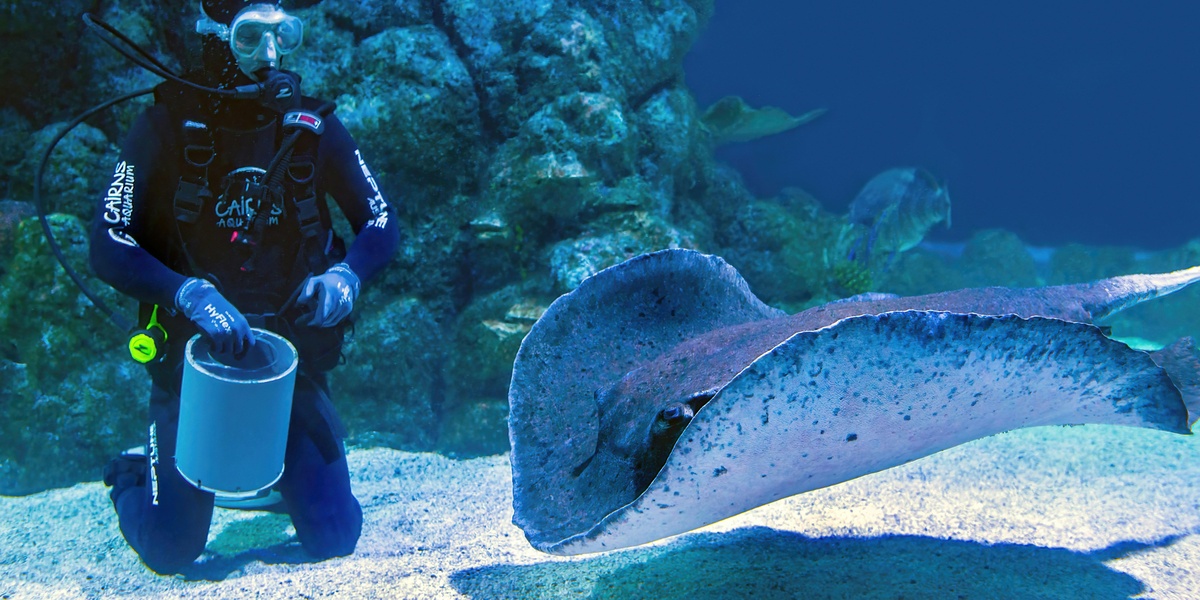
Oceans cover about 71% of Earth’s surface and drive much of the planet’s climate, yet scientists estimate a large fraction of marine life remains undescribed.
That matters because ocean health links directly to the seafood on our plates, medicines in development, the climate humans live in, and jobs in coastal communities.
Marine biology delivers practical benefits—environmental, medical, economic and technological—that touch daily life and shape our future.
Below are 10 distinct ways ocean science helps people, grouped into four areas: Environmental & Ecological, Medical & Biotechnological, Economic & Food Security, and Technological & Scientific.
Environmental & Ecological Benefits
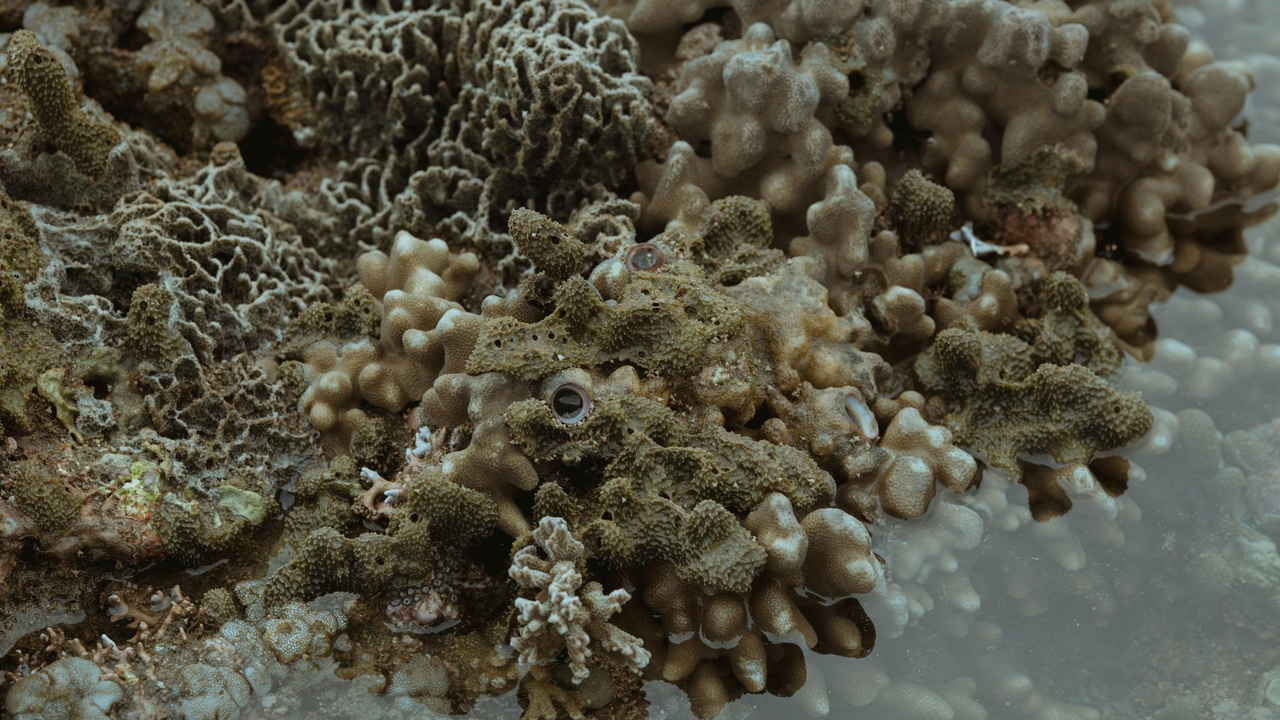
Marine biology is the toolkit for understanding ocean ecosystems and the services they provide to people and the planet.
1. Understanding and Protecting Biodiversity
Marine biologists document species and interactions across the planet’s largest habitats so managers can make informed choices.
Programs like the Census of Marine Life (2000–2010) and ongoing NOAA monitoring have shown that many species remain undescribed and that surveys directly inform the placement of marine protected areas and fishing limits.
Concrete outcomes include the discovery of novel deep-sea species, identification of critically endangered populations (for example, the vaquita and some shark species), and science-driven designation of reserves that protect nursery grounds and spawning aggregations.
2. Climate Regulation and Carbon Sequestration
Oceans and marine organisms are central to the global carbon cycle: phytoplankton produce roughly half of Earth’s oxygen while coastal “blue carbon” habitats store large amounts of carbon per hectare compared with many terrestrial forests.
Restoring mangroves and seagrasses is a practical mitigation strategy that managers now include in carbon accounting and climate plans (see IPCC and UN coastal ecosystem guidance).
Examples include quantified carbon captures from mangrove restoration projects and seagrass rehabilitation efforts that both sequester carbon and stabilize sediments—benefits that are increasingly monetized in regional climate strategies.
3. Supporting Coastal Resilience and Habitat Restoration
Marine biology helps protect people and property by restoring habitats that buffer storms, waves, and erosion.
Nature-based defenses—living shorelines, oyster reef restorations, and mangrove plantings—can reduce wave energy, trap sediment, and slow shoreline retreat at lower long-term cost than many hard structures.
For example, restored oyster reefs have been shown to reduce shoreline loss in several U.S. pilot projects, while large-scale mangrove planting after storms has helped protect communities in Southeast Asia and the Caribbean.
4. Tracking and Mitigating Pollution
Marine scientists detect and track pollutants—chemicals, excess nutrients, and plastics—and assess ecological and human-health impacts.
Research shows that millions of tons of plastic enter the ocean each year (estimates such as Jambeck et al. 2015) and that microplastics turn up in seafood, so biomonitoring programs and early-warning systems for harmful algal blooms guide advisories and cleanup efforts.
Actionable results include targeted nutrient-reduction programs that lowered algal blooms in specific watersheds, microplastic studies prompting changes in seafood monitoring, and policy shifts informed by contamination hotspot mapping.
Medical & Biotechnological Benefits
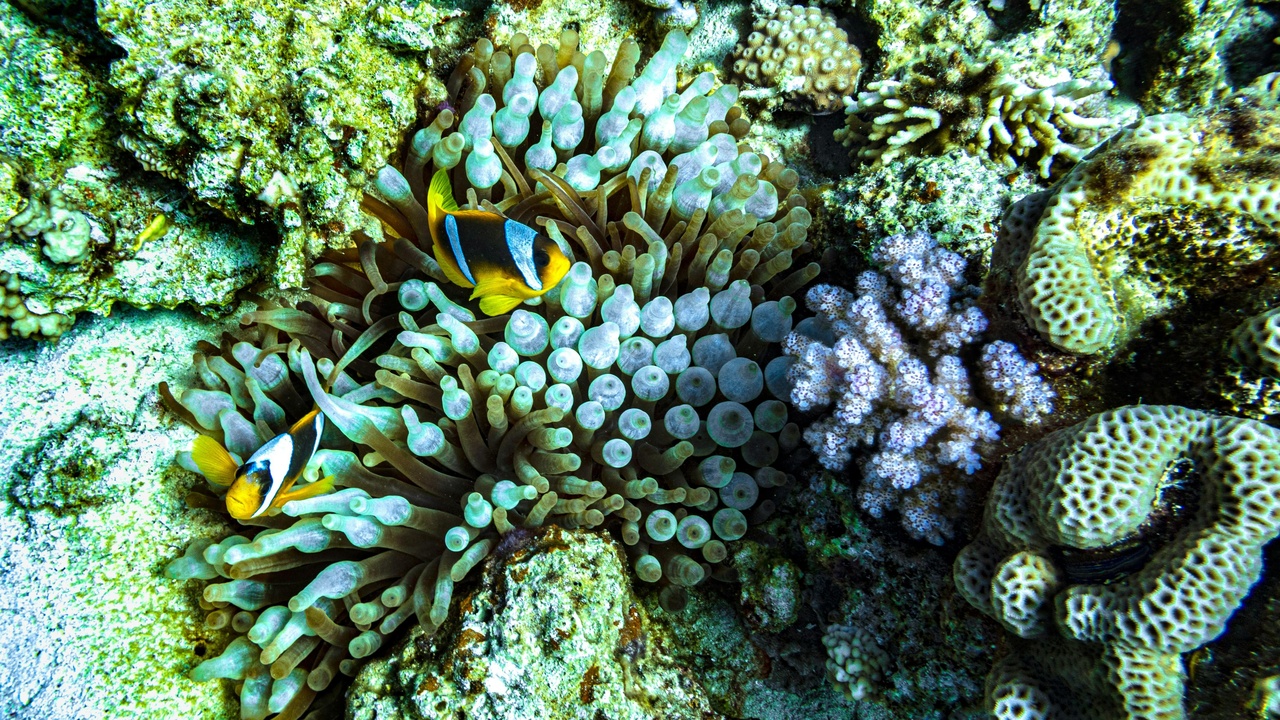
Organisms from coral reefs to deep-sea sponges are rich sources of novel chemistry and materials that translate into medicines, enzymes, and industrial products.
5. Drug Discovery and Medical Research
Marine life has already produced approved drugs: ziconotide (Prialt), a pain treatment derived from cone snail peptides, received FDA approval in 2004, and trabectedin (Yondelis), originally isolated from a tunicate, is used in cancer therapy.
Beyond approvals, dozens of marine-derived compounds are in clinical trials for cancer, antibiotics, and neurological conditions, and academic centers and biotech firms focus on scaling promising leads from sponges, mollusks, and marine microbes.
That pipeline matters because it turns biodiversity into concrete therapeutic options—from novel analgesics to anti-cancer agents—while highlighting why conserving marine habitats keeps those discovery pathways open.
6. Novel Biomaterials and Bioproducts
Marine organisms inspire materials such as bioadhesives, antifouling compounds, and biodegradable polymers with measurable performance advantages.
Mussel-inspired adhesives, for example, have been developed into surgical glues that adhere in wet conditions; chitosan from crustacean shells is used in wound dressings and water treatment; and several startups are commercializing marine-derived antifouling coatings and enzymes for industrial processes.
These bioproducts offer more sustainable alternatives—lower energy, fewer toxic additives—and create commercialization pathways for university labs and small companies working with marine biotech.
Economic & Food-Security Benefits

Marine biology underpins fisheries, aquaculture, tourism, and many blue-economy jobs by providing the science behind sustainable use and resource planning.
7. Sustainable Fisheries and Food Supply
Research into stock dynamics, life history, and ecosystem interactions lets managers set quotas and gear rules that stabilize catches and protect food supplies.
The FAO notes seafood provides about 17% of the world’s animal protein and supports the diets of billions, so science-based stock assessments and improved aquaculture techniques directly reduce the risk of collapse and improve food security.
Concrete examples include fisheries that recovered after quota changes, selective gear that reduces bycatch, and aquaculture innovations that lower disease and nutrient runoff while increasing yield.
8. Blue Economy and Jobs
Ocean-focused research supports industries—commercial fishing, ecotourism, shipping, and marine renewables—and contributes to regional economies and employment.
Estimates from UN and World Bank analyses put the global ocean economy at over $1.5 trillion annually in many recent assessments, and marine science guides marine spatial planning for ports, fisheries, and offshore wind farms to balance growth and conservation.
Examples include job growth in offshore wind sectors, ecotourism revenues tied to healthy reefs, and training programs that build coastal workforce capacity.
Technological & Scientific Benefits

Marine biology drives instrumentation, long-term observation, and bioinspired designs that benefit many scientific and engineering fields.
9. Advancing Oceanography and Climate Science
Biological observations feed directly into ocean and climate models, improving forecasts and policy-relevant estimates like ocean carbon uptake.
Networks such as the Argo float array (thousands of profiling floats deployed since the early 2000s) and long-term plankton time series (for example, the Continuous Plankton Recorder) provide data that sharpen hurricane forecasts, inform fisheries models, and refine climate projections.
Those datasets allow managers and policymakers to make better decisions about coastal development, emissions scenarios, and adaptation strategies.
10. Inspiring Engineering and Robotics
Studying marine life inspires more efficient propulsion, better sensors, and robotic platforms that work in challenging environments.
Biomimetic AUVs and fish-inspired robots demonstrate improved maneuverability and lower energy use, while low-power environmental sensors developed for long deployments now inform terrestrial monitoring as well.
Academic labs and startups are commercializing these designs, enabling longer, safer missions for science, search-and-rescue, and offshore industry inspections.
Summary
- Marine biology underpins coastal protection, climate regulation, and biodiversity conservation.
- It has produced approved medicines (for example, ziconotide, 2004) and a pipeline of marine-derived therapies and biomaterials.
- Scientific fisheries management and improved aquaculture support food security and the livelihoods of millions.
- Ocean research drives technology—AUVs, long-term observatories, and bioinspired engineering—that benefits many sectors.
- Supporting marine science and responsible choices (sustainable seafood, research funding, and policy) preserves the benefits of marine biology for future generations.