In 2015, astronauts on the International Space Station harvested the first lettuce grown in microgravity using a soilless system — a milestone that spotlighted hydroponics beyond hobby gardening.
Cities are growing fast, good farmland is shrinking, and water is getting tighter in many regions. That combination puts pressure on how we produce fresh food near where people live.
The benefits of hydroponics are practical and measurable: soilless farming often uses far less water (some systems save up to 90% versus field agriculture) and can boost productivity while improving quality and consistency (FAO; NASA Veggie). Below are eight concrete advantages, grouped into three areas: Environmental & Resource Efficiency, Productivity & Economic Benefits, and Quality, Health & Innovation.
Environmental & Resource Efficiency
Soilless farming tends to reduce consumption and pollution compared with open-field production. Closed systems cut water use and shrink land needs. They also limit fertilizer runoff and pesticide drift. Consult organizations like the FAO and the IWMI for detailed data on resource savings and environmental impacts.
1. Major water savings compared with field farming
Hydroponic and other recirculating systems can cut water use dramatically because nutrient solutions are reused and delivered directly to roots. That design reduces evaporation and runoff, and concentrates water where plants need it most. Reported savings commonly fall between about 70% and 90% versus conventional field irrigation, though exact numbers depend on crop and system design.
These water efficiencies matter in drought-prone regions and in cities where municipal supplies are constrained. Urban rooftop farms and commercial leafy-green operations routinely point to steep reductions in water per kilogram of produce. For example, controlled leafy-green farms have reported using roughly 90% less water for lettuce compared with field-grown counterparts (company and academic reports).
2. Reduced land footprint and protection of arable land
Because hydroponic systems don’t need wide swaths of soil, they cut the horizontal area required for production. Vertical stacking multiplies productive surface area within the same building footprint. That means much higher yields per square foot for many vegetables and herbs.
Operators are turning underused urban lots, rooftops, and shipping containers into productive farms. Companies like Freight Farms use containerized systems to grow year-round, and Vertical Harvest demonstrates high-yield, multi-story greenhouses in tight urban sites. This concentrated production helps protect surrounding natural habitats by reducing pressure to convert more land into cropland.
3. Lower nutrient runoff and reduced agrochemical pollution
Fertilizer runoff and pesticide drift are major drivers of algal blooms and degraded water quality near conventional farms. Recirculating nutrient solutions in enclosed hydroponic setups largely keep nutrients inside the system instead of letting them leach into groundwater or streams.
Growing indoors or in protected greenhouses also reduces pest pressure, which lowers reliance on foliar pesticides. Municipalities experimenting with controlled-environment agriculture have found reduced local nutrient loading and cleaner nearby waterways when production moves from open fields to contained systems.
Productivity & Economic Benefits
Soilless farming can raise yields, speed crop cycles, and bring production closer to consumers — all of which affect economics. Upfront capital can be higher for some systems, but faster turnover and denser production often pay back over time. Below are three ways hydroponic approaches improve productivity and business resilience.
4. Higher yields and faster crop cycles
Precise control over nutrients, light, temperature, and humidity cuts plant stress and variability. That control accelerates growth for many leafy greens and herbs, enabling more harvests per year from the same footprint.
Reported improvements vary by crop and setup. For leafy greens, growers often cite 25–50% shorter growth cycles and area yields that can be multiples of field production (2× to 10× in some comparisons, depending on stacking and system intensity). Companies such as AeroFarms and Plenty publish case studies showing those gains in commercial operations.
5. Year-round and local production reduces supply-chain risks
Indoor farms decouple harvests from seasons and weather. That steadiness means retailers and food-service buyers get a reliable supply even when storms, droughts, or cold snaps disrupt field production elsewhere.
Shorter supply chains cut transport costs and food miles. Local sourcing of hydroponic lettuce, herbs, and microgreens reduces transit time, lowers spoilage, and keeps produce fresher for consumers. Several grocery chains now partner with nearby controlled-environment suppliers to improve freshness and reduce vulnerability to long-distance disruptions.
6. Automation and operational efficiencies lower long-term costs
It’s true that some systems require higher initial investment. But automation — sensors, automated nutrient dosing, climate control, and even robotic harvesters — cuts labor needs and increases consistency over time. That steady performance translates to fewer losses and more predictable staffing.
Technology examples include sensor-driven dosing systems and IoT controllers from irrigation firms, and robots that handle seeding or harvesting in large vertical farms. Operators report measurable savings in labor hours per kilogram of produce and improvements in uniformity that simplify packing and sales.
Quality, Health & Innovation
Controlled-environment agriculture gives growers tight control over nutrients and light, which improves flavor, uniformity, and shelf life. It also supports research, education, and specialty-crop cultivation that would be hard to scale in open fields. Below are two benefits tied to quality and innovation.
7. Improved crop quality, flavor, and nutrient consistency
With exact nutrient recipes and predictable environments, growers can produce very uniform crops. That consistency shows up as even sizing, fewer blemishes, and reliable shelf life — all attributes retailers and chefs value.
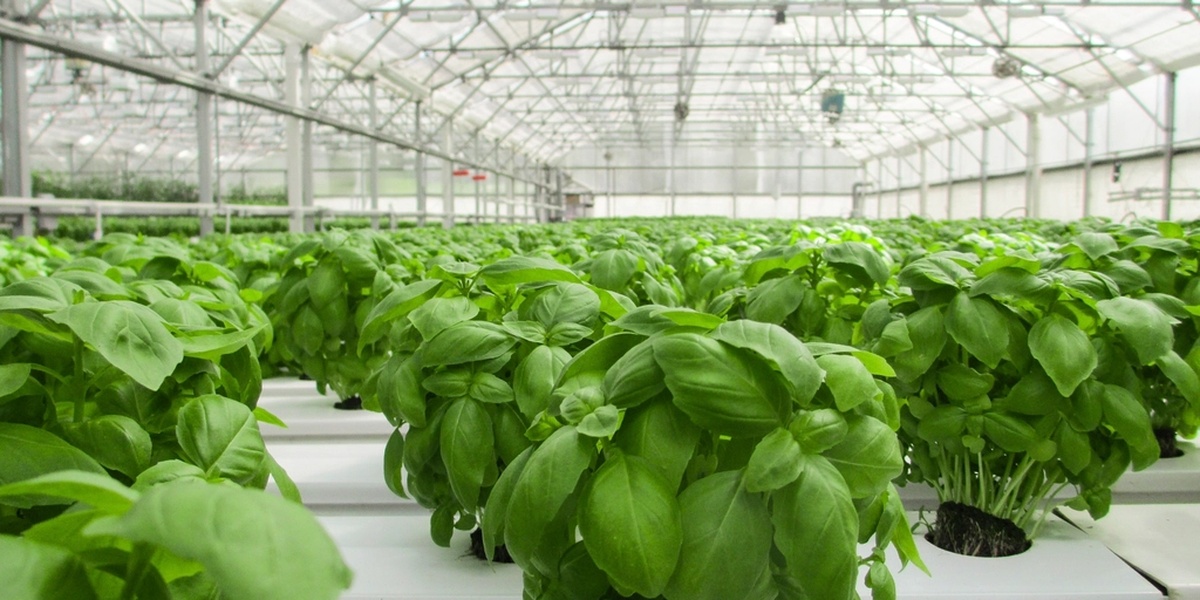
Producers also tweak light spectra and nutrient mixes to influence taste and aroma. Restaurants sourcing hydroponic herbs often report stronger, more predictable flavor in basil and microgreens. Lab analyses and producer reports back claims of extended shelf life for controlled-environment lettuce versus field counterparts.
8. Enables research, education, and cultivation of specialty crops
Hydroponics plays a clear role in plant science and applied research. NASA’s Veggie experiments on the ISS helped demonstrate plant growth in microgravity and advanced protocols for space food production. Universities run hydroponic labs to study physiology and breeding under controlled conditions.
On the commercial side, the approach suits high-value or delicate crops — medical cannabis, heirloom herbs, and microgreens — where consistency matters. Community programs and schools also use tabletop hydroponic kits to teach biology and sustainable food systems hands-on.
Summary
- Hydroponic approaches can cut water use dramatically and keep nutrients in closed systems, helping protect local waterways and conserve scarce supplies.
- Soilless systems shrink the land footprint and let producers stack production vertically, freeing up natural habitats from conversion to cropland.
- Controlled environments boost yields, shorten crop cycles, and support year-round local supply, which reduces logistics and spoilage.
- Precise nutrient and light management improves flavor, uniformity, and shelf life, and the same systems enable research, education, and specialty-crop cultivation.
- Practical next steps: try a small desktop hydroponic kit, visit a local vertical farm, or read primary sources such as FAO and NASA Veggie to learn more.